
A woman can still love a man and feel less attracted to him at the same time. Love is built from attachment, history, and care. Attraction is more sensitive to daily behavior, emotional safety, and the overall relationship climate. That’s why a relationship can look stable while intimacy quietly fades. Many men interpret a turn-off as rejection or a sign she no longer loves them. Often it’s not that simple. A turn-off can be a stress response, a respect issue, or emotional exhaustion. It can also be a signal that the relationship is drifting into imbalance. These 17 reasons explain how attraction can cool down even when love is still present.
The Safety Switch: When the Nervous System Stops Relaxing

Attraction often grows when a woman feels safe, respected, and emotionally steady. When safety drops, the body stops relaxing. A guarded body doesn’t feel playful or open. This shift can happen without obvious drama. It can happen through tone, tension, and unpredictability. Love may remain, but desire can retreat. This is not punishment. It’s a protective response. These reasons often relate to the nervous system switching from connection to self-protection. Self-protection doesn’t feel romantic.
Unpredictable Mood Makes Her Guarded

A man’s mood can shape the emotional climate of the home. If his mood is unpredictable, she starts walking carefully. Careful is not romantic. It creates tension and reduces warmth. She may still love him, but she stops relaxing around him. Over time, that changes how she experiences closeness. She may avoid affection because affection feels like a risk. This is especially common when small irritations turn into sharp tones. Love can stay, but attraction struggles in a tense environment. Safety is one of the biggest desires of drivers.
Conflict Feels Like a Threat Instead of a Conversation
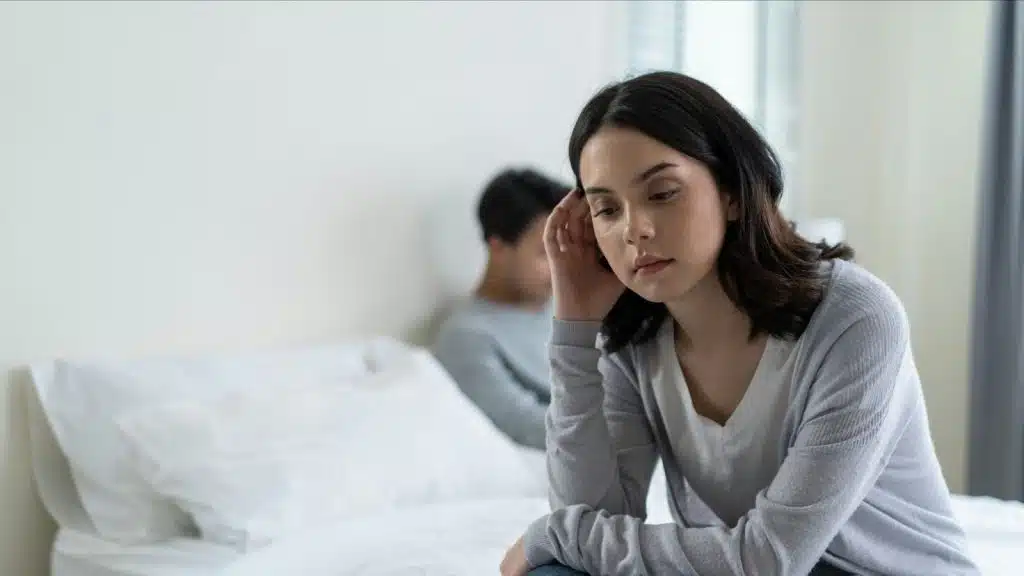
If disagreements become intimidating, attraction often declines. Intimidation doesn’t have to be loud shouting. It can be sarcasm, stonewalling, or emotional punishment. When conflict feels unsafe, she becomes less open. Less openness means less intimacy. Many women can still love someone but stop wanting closeness if every issue turns into stress. Stress and desire don’t mix well. Repair matters more than being right. If repair rarely happens, she learns to protect herself by pulling back. Pulling back looks like being turned off. It’s often self-preservation.
She Doesn’t Feel Emotionally Held

A woman can feel turned off when her feelings are dismissed or minimized. If she shares something vulnerable and gets mocked or corrected, she stops sharing. That creates emotional distance. Emotional distance often shows up physically too. Love may remain, but the feeling of being “met” disappears. Feeling met is a big part of attraction for many women. Without emotional support, intimacy can start feeling pointless. It’s not always about romance. It’s about whether the relationship feels like a safe place. If it doesn’t, her body pulls back. That pullback can look like a loss of desire.
The Respect Erosion: When Admiration Quietly Drops

Attraction often depends on admiration. Admiration is built through maturity, responsibility, and integrity. When admiration drops, desire often follows. A woman may still love the man’s heart, history, or potential. But she may not feel inspired by his current patterns. This is a hard truth, but it’s common. Respect is not only about big betrayals. It’s also about daily behavior: reliability, effort, tone, and self-control. When respect erodes, closeness can start feeling harder. Love remains, but attraction fades.
Passive Behavior Turns Her Into the Manager

When a man becomes passive, a woman often becomes the default leader. She plans, reminds, and carries mental load. That creates a parent-child dynamic. Parent-child dynamics kill attraction. She may still love him, but she feels more like a caretaker than a partner. Caretaking is exhausting, and exhaustion kills desire. Many men don’t realize how unattractive constant passivity can feel. It’s not about dominance. It’s about partnership and shared responsibility. If she feels alone in adulthood, attraction usually cools down.
Inconsistent Follow-Through Breaks Trust

Small broken promises create big emotional effects over time. If he says he will do something and doesn’t, she stops believing him. Belief loss becomes trust loss. Trust loss becomes emotional distance. Emotional distance becomes physical distance. She can still love him, but she stops feeling safe relying on him. Reliance is part of attraction because it creates security. Inconsistency creates uncertainty. Uncertainty creates anxiety, and anxiety reduces desire. This is why follow-through matters even in small things. Reliability is romantic in a long-term relationship.
She Stops Feeling Proud to Be With Him

Pride is a subtle form of admiration. When pride fades, attraction often fades too. This can happen if he becomes careless with tone, effort, or public respect. It can also happen if he stops growing or starts acting entitled. She may still love him privately, but she feels less excited about the partnership. Many women feel turned off when they feel they must make excuses for a man. Excuses are draining. They also damage trust and attraction. Pride can return when the man becomes consistent and mature again. But pride rarely returns through talk alone.
The Exhaustion Factor: When Life Stress Kills Romance

Love can survive stress. Desire often struggles under chronic stress. If a woman is exhausted, her body prioritizes rest, not romance. Many men interpret this as rejection. But exhaustion is a real turn-off regardless of love. Stress also reduces patience and increases irritability, which makes closeness harder. If she’s doing most of the mental load, exhaustion becomes constant. Constant exhaustion turns intimacy into another task. Tasks don’t feel romantic. Love stays, but desire fades. Rest and support often restore desire faster than pressure ever will.
She Carries the Mental Load Alone

Mental load is invisible planning: remembering, scheduling, anticipating, and managing. When she carries it alone, she becomes overstimulated. Overstimulation reduces softness. Softness supports intimacy. She may still love him, but her body is tired and her mind is full. If he “helps” only when asked, she still feels like the manager. Management kills attraction because it removes partnership. Many women become turned off not because the man is bad, but because the dynamic is unfair. Fairness feels attractive because it reduces stress. Shared responsibility is one of the most underrated desire boosters.
The Relationship Feels Like Work, Not Connection

When every interaction feels like negotiation, correction, or tension, the relationship becomes work. People can still love each other and still feel drained. Drain kills desire because intimacy requires emotional energy. If she uses her energy to survive the relationship, she has none left for romance. This often happens when communication becomes negative and repetitive. The same issues cycle without improvement. Over time, she stops hoping for change. Hope is a desired fuel. Without hope, desire becomes low. Love remains, but passion fades into routine.
The “Taken for Granted” Turn-Off

Being taken for granted is a major attraction killer. Love doesn’t automatically protect someone from that feeling. If he stops appreciating her effort, she feels unseen. Feeling unseen creates resentment. Resentment reduces warmth. Warmth is what intimacy grows from. She may still care deeply, but she stops giving romantic energy freely. Many women pull back when their emotional labor is ignored. They don’t always announce it; they just become less affectionate. That shift often confuses men. But it usually follows a long season of underappreciation. Appreciation is not small. It’s a relationship vitamin.
He Treats Intimacy Like an Obligation

Pressure kills desire. If intimacy becomes something he expects rather than something they build together, she will resist. Resistance doesn’t always look like rejection; it can look like avoidance. She may still love him and still care about closeness. But obligation makes closeness feel unsafe. Many women need emotional connection to feel desire. If emotional connection is missing, pressure feels unfair. Fairness matters because intimacy is vulnerable. A woman can love her partner and still feel turned off by entitlement. Entitlement makes intimacy feel like a duty. Love is not duty.
The Presence Gap: When Attention Goes Everywhere Else

A woman can love a man and still feel turned off when she feels invisible. If his attention is constantly on screens, work, or other people, she feels like an afterthought. That afterthought feeling changes desire. Desire grows when someone feels chosen. Being chosen is about attention, not only words. If she must compete with a phone, she will eventually stop trying. Stopping trying looks like being turned off. Many men don’t realize how much attention equals attraction over time. Attention is emotional foreplay, even in long marriages. Without it, intimacy feels disconnected.
Hygiene and Self-Care Slips

This one sounds shallow, but it’s real. Attraction is partly physical, and physical care matters. When a man stops caring about hygiene, grooming, or basic health, it can turn a woman off. Love can remain because love is bigger than appearance. But desire is still influenced by smell, cleanliness, and effort. Some men think long-term love means standards no longer matter. But long-term love often needs more care, not less. Self-care also signals self-respect. Self-respect is attractive. Neglect can signal depression or burnout too, which also affects desire. Either way, it deserves attention.
She Feels More Like a Caretaker Than a Lover
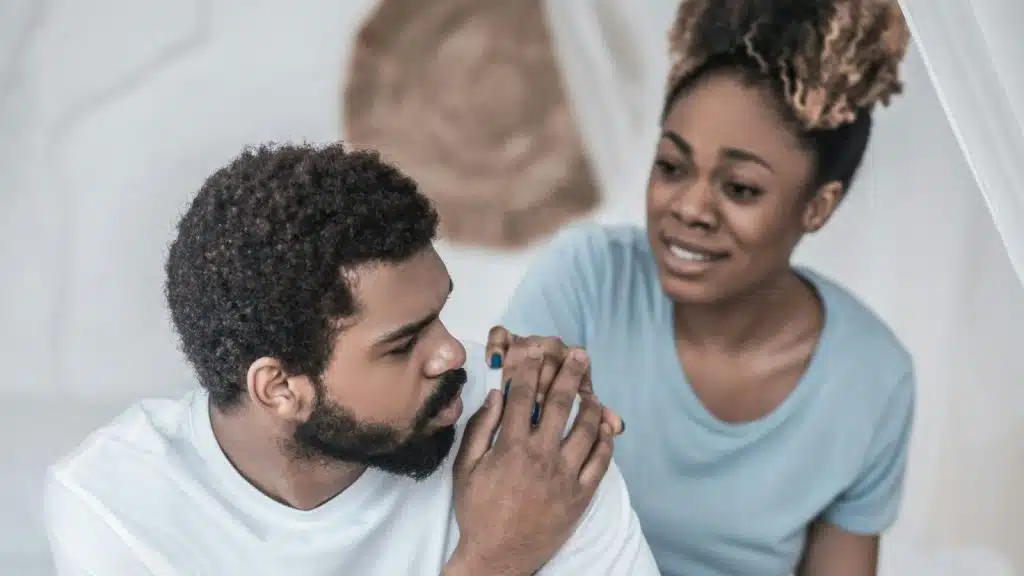
Caretaking creates fatigue and reduces attraction. If she feels like she’s raising him, desire often disappears. This happens when he avoids responsibility, needs constant managing, or acts emotionally immature. She may still love him and want him to be okay. But she stops seeing him as a romantic equal. Romantic equals create desire. Dependents create stress. Many women describe this as “something switched off.” That switch is often the caretaker dynamic taking over. Fixing it requires shared responsibility and adult behavior. Love can survive caretaker seasons, but desire often doesn’t.
Emotional Distance Has Become Normal

When emotional distance becomes routine, desire rarely stays strong. She may still love him and still value the relationship. But the connection feels thin. Thin connection makes intimacy feel like acting. Acting is exhausting. Many women stop wanting intimacy because it feels disconnected from real closeness. Emotional distance can be caused by unresolved conflict, avoidance, or lack of quality time. It can also be caused by repeated disappointment. When distance is normal, she protects herself by keeping expectations low. Low expectations reduce passion. Passion needs closeness.
She Doesn’t Feel Desired in the Right Way

Some women feel turned off when desire feels selfish or impersonal. If she feels like he wants her body but not her heart, desire becomes complicated. She may still love him, but she doesn’t feel emotionally wanted. Emotional wanting includes attention, respect, and interest. Physical wanting without emotional presence can feel empty. This is why compliments alone don’t fix intimacy issues. Many women want to feel seen as a whole person. When that’s missing, attraction cools down. Love can remain, but desire doesn’t feel safe. Safe desire is the kind that lasts.
Conclusion

A woman can feel turned off without falling out of love because love and attraction are not identical. Love can stay through history, attachment, and care. Attraction often depends on safety, respect, fairness, and emotional connection. When stress, imbalance, and disappointment become normal, desire often pulls back as self-protection. The good news is that many turn-offs are reversible when behavior changes consistently. Consistency matters more than speeches. Shared responsibility matters more than grand gestures. Emotional safety matters more than pressure. If attraction has cooled, it doesn’t always mean the relationship is over. It often means the relationship climate needs repair. Repair restores safety, and safety often restores desire.








Ask Me Anything