
The Question Isn’t “Do Women Believe in Love?” More women are not rejecting commitment just to be rebellious. Many are simply re-evaluating what marriage adds to their lives versus what it costs. Modern relationships also offer more options than “marry or fail.” Some women still want marriage, but want it on healthier terms. Others prefer long-term commitment without legal and lifestyle pressure. The shift is less about romance and more about reality. These reasons explain why marriage is being questioned more often, without blaming either side.
The Practical Reality: When the Math Doesn’t Add Up

Marriage is not only emotional; it is financial, logistical, and legal. Women often weigh the everyday workload, long-term risk, and personal freedom involved. When the trade-offs feel one-sided, hesitation increases. Many women are not afraid of love, they are cautious about burnout. Practical concerns also become louder when housing, childcare, and living costs rise. Even good relationships can feel risky if the structure feels unfair. These are the real-world reasons often mentioned first.
Financial Independence Makes Marriage Less “Necessary”

More women can support themselves without relying on a spouse. That changes marriage from “need” to “choice.” When marriage is pure choice, the standards naturally rise. A woman may ask, “Does this improve life or complicate it?” If the answer is unclear, waiting feels smarter. Financial independence also reduces pressure to tolerate bad dynamics. It makes leaving a poor relationship more realistic, which changes decision-making. Marriage becomes something to earn through real partnership, not assumed entitlement.
The Cost of Living Makes the Future Feel High-Stakes

Marriage often leads quickly into shared financial decisions: housing, debt, and long-term plans. When the economy feels unstable, big commitments can feel riskier. Many women worry about being trapped in financial stress with the wrong partner. Even with love, daily pressure can crush connection. Some women prefer building stability first before legal commitment. Others avoid marriage because merging finances feels like a new layer of vulnerability. The higher the stakes, the more careful the choice becomes.
Unequal Housework and “Life Admin” Still Shows Up Too Often
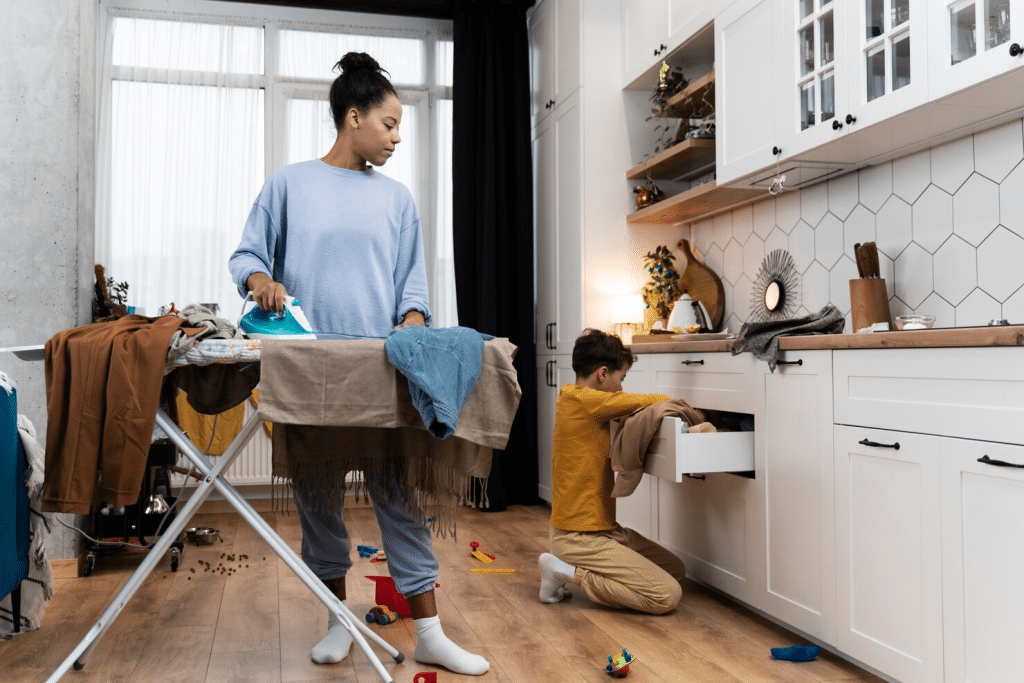
Many women have seen marriages where one spouse becomes the default manager. That includes planning, remembering, scheduling, and handling daily details. Even when both work, the mental load often stays uneven. This imbalance creates fatigue, and fatigue reduces affection over time. Some women hesitate because they do not want a partner to become another responsibility. They want teamwork, not a second job at home. If equality is not clearly present, marriage feels like a risk.
Childcare Expectations Can Feel Like a One-Sided Trap

Parenting is a major driver of marriage decisions. Many women fear becoming the default parent while still being expected to excel at work. That fear is not irrational; it is based on common patterns they have observed. If a partner seems passive now, the concern increases for later. Parenting without real support can lead to burnout and resentment. Some women delay marriage until they see consistent responsibility and initiative. Others decide not to marry because the parenting load feels too uncertain.
The Emotional Equation: When “Wife” Starts Sounding Like a Role

Some women worry that marriage reduces them to a role instead of a full person. They want love and commitment without losing identity. They also want emotional safety, not constant negotiation for respect. Many women have watched others become quieter and less joyful after marriage. That does not happen to everyone, but it happens enough to shape perception. The emotional cost of being undervalued feels heavier than being single. These reasons are about self-respect, not fear of intimacy. If marriage threatens identity, it becomes less appealing.
Many Women Are Tired of Being the Relationship Therapist

Some relationships require one partner to do most of the emotional labor. That can mean initiating hard talks, keeping peace, and repairing conflicts alone. Over time, it feels like carrying the emotional climate for two people. Many women prefer staying single rather than doing that unpaid emotional work. Emotional maturity is attractive, but it is not always common. If a partner avoids accountability, marriage feels exhausting. Some women would rather have peace alone than chaos with someone. Marriage looks less desirable when emotional effort is one-sided.
Emotional Safety Feels Non-Negotiable Now

Many women are less willing to tolerate disrespect, instability, or harsh conflict. They want calm communication and real repair, not repeating cycles. This is not perfectionism; it is self-protection. Marriage often increases daily stress, which increases conflict opportunities. If a partner’s conflict style is unhealthy, the risk feels obvious. Women also talk more openly about boundaries and emotional safety now. That shared language helps them recognize red flags earlier. When safety is missing, marriage is not tempting.
Intimacy Pressure and Entitlement Turn Women Off

Some women hesitate because they fear marriage will create expectations they cannot control. If intimacy becomes transactional or pressured, it can damage closeness. Pressure does not create desire; it usually reduces it. Many women want intimacy that feels safe, mutual, and emotionally connected. They do not want to be treated like an obligation. If a partner shows entitlement early, marriage feels risky. A healthy marriage protects consent and comfort, not just routine. When entitlement exists, reconsideration makes sense.
The Cultural Shift: Women See More Examples, and Fewer Illusions

Women have more access to stories about marriage than previous generations. They see honest conversations about burnout, resentment, and dissatisfaction. They also see examples of women thriving single or in alternative arrangements. That visibility changes what feels “normal.” Marriage is no longer the only socially accepted path to adulthood. Many women are also less impressed by “traditional” roles that lack fairness. They want a modern partnership that matches modern life. If the model looks outdated, hesitation rises. Options change expectations.
Watching Unhappy Marriages Is a Strong Deterrent

Many women grew up around marriages that looked stable but felt cold. They watched conflict avoidance, silent resentment, or emotional disconnection. Those observations become caution, not cynicism. If “staying married” looked like enduring, marriage loses appeal. Some women decide they would rather be single than quietly unhappy. Others will marry only if the relationship clearly feels different from what they observed. The point is not to judge older generations. The point is that lived examples shape beliefs. Bad examples create careful choosers.
Divorce Stories Make the Risk Feel Real

Divorce is not rare in many communities, and women notice the aftermath. They see financial strain, emotional stress, and long legal processes. They also see how co-parenting and custody can complicate life for years. This does not mean marriage always ends badly. It means the risk is visible, not theoretical. Some women decide they prefer commitment without legal entanglement. Others want stronger prenups and clearer agreements. When consequences are clear, caution becomes rational. Marriage is not only romance; it is a legal structure.
The Risk Calculus: “What If It Doesn’t Work?” Feels Heavier

Marriage can be harder to exit than dating or cohabitation. That makes partner selection feel higher stakes. Many women are not afraid of love; they are afraid of being trapped in a dynamic that drains them. They consider what happens if someone changes, stops trying, or becomes unreliable. They also consider health, finances, and future responsibilities. If the risk feels high and the reward feels uncertain, waiting becomes logical. Some women would rather delay than gamble. This is risk management, not bitterness.
Many Women Don’t Want to Carry the Consequences of His Immaturity

A partner’s immaturity can create long-term damage: debt, conflict, emotional stress, or unstable routines. Women often feel they will be the one forced to stabilize everything. That is not always true, but it is a common fear based on common experiences. If a man avoids growth, marriage can magnify the issue. Some women therefore require proven responsibility before committing. They want consistent follow-through, not potential. Potential is cheap; patterns are real. Marriage tends to reward patterns, not promises.
Alternatives Feel More Attractive Than Ever
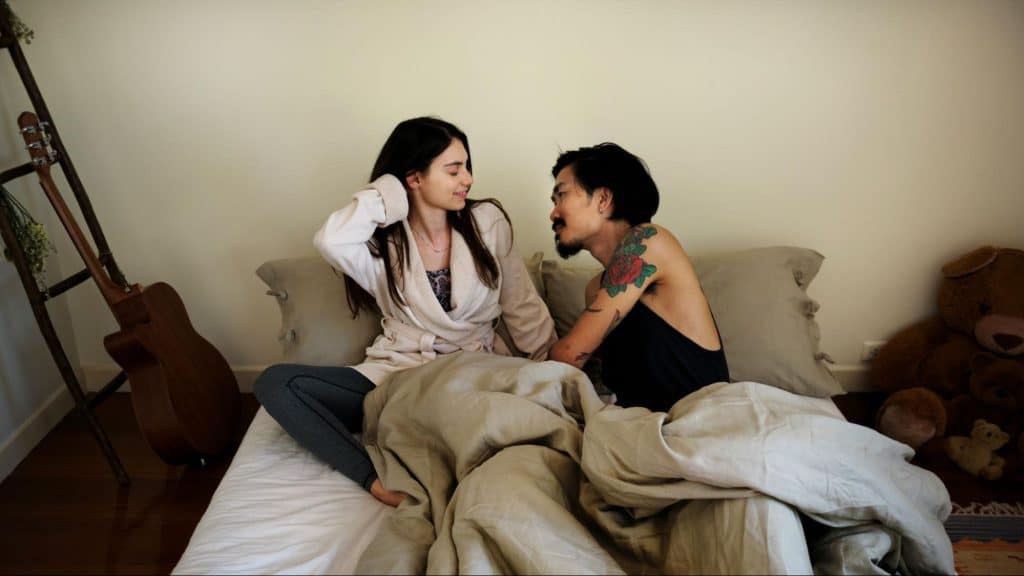
Some women prefer long-term partnership without formal marriage. Others prioritize career, personal goals, or caregiving responsibilities first. Some want commitment but dislike the social expectations that come with being a “wife.” Modern relationships can be structured in many ways: cohabitation, blended families, or intentional singlehood. When alternatives feel stable, marriage feels optional. Optional means it must offer clear value. If it does not, opting out feels reasonable. The main shift is choice. Choice changes everything.
Many Women Want Higher Standards, Not Lower Commitment

Reconsidering marriage is often a demand for better partnership, not avoidance of love. Many women want shared responsibility, emotional maturity, and mutual respect. They want marriage to feel like teamwork, not sacrifice. When standards rise, fewer matches qualify. That can look like “women don’t want marriage,” but it is often “women don’t want unfair marriage.” A healthy marriage still appeals strongly to many women. The difference is that “good enough” is not enough anymore. When the standard is peace and respect, the bar naturally rises. That can be a healthy cultural correction.
Tips: How Couples Can Make Marriage Feel Worth Choosing

Clear expectations should be discussed early: money, chores, boundaries, and future goals. Responsibility should be demonstrated before marriage, not promised after it. Emotional safety should be prioritized through respectful conflict and real repair. The mental load should be shared with ownership, not “help when asked.” Intimacy should be treated as mutual connection, not entitlement. Couples should protect individuality, not erase it. A marriage that feels fair is far more appealing than one that feels traditional.
Tips: What Men Can Do to Reduce Women’s Hesitation

Consistency matters more than charm. Initiative at home and in life-building signals real partnership. Accountability during conflict builds trust quickly. Transparency around money and values reduces uncertainty. Respectful tone makes emotional honesty safer. Shared planning shows long-term seriousness without pressure. Real effort over months is the strongest proof. When a man leads with stability and empathy, marriage becomes less scary.
Tips: What Women Can Do to Stay Clear, Not Just Cautious
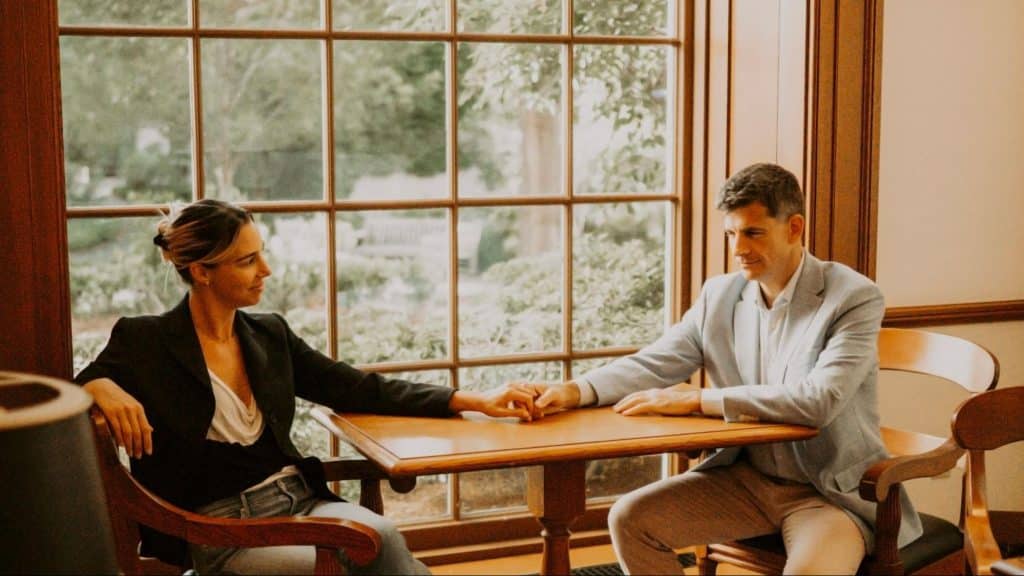
Standards should be defined clearly instead of kept vague. Boundaries should be communicated early, not only after resentment builds. Patterns should be watched over time, not explained away by potential. Support systems and financial stability can reduce fear-based decisions. Honest conversations about expectations prevent silent disappointment. Choosing marriage should feel like a gain, not a gamble. If uncertainty stays chronic, clarity may be needed before commitment. Caution is healthiest when it comes with directness.
Reconsidering Marriage Isn’t Anti-Love, It’s Pro-Realism

More women are reconsidering marriage because they see the trade-offs more clearly. They value commitment, but want it to be fair, safe, and sustainable. The shift is often driven by independence, risk awareness, and higher standards for partnership. Marriage can still be deeply fulfilling when both people show maturity and shared responsibility. A strong marriage is not built on tradition alone, it is built on daily teamwork. The healthiest takeaway is not fear. It is my intention. Marriage works best when it is chosen for the right reasons, with the right partner, and with clear expectations from the start.








Ask Me Anything