
Every long-term marriage has recurring arguments, but the impact of those disagreements changes with time. Issues that once felt small begin carrying deeper meaning as emotional history accumulates. What started as harmless friction can evolve into symbolic reflections of unmet needs or old hurts. The shift doesn’t happen overnight; it appears gradually, shaped by routines, expectations, and emotional fatigue. This introduction sets the context for why normal arguments can eventually reshape a marriage in lasting ways.
Disagreements About Scheduling Start Signaling Priorities
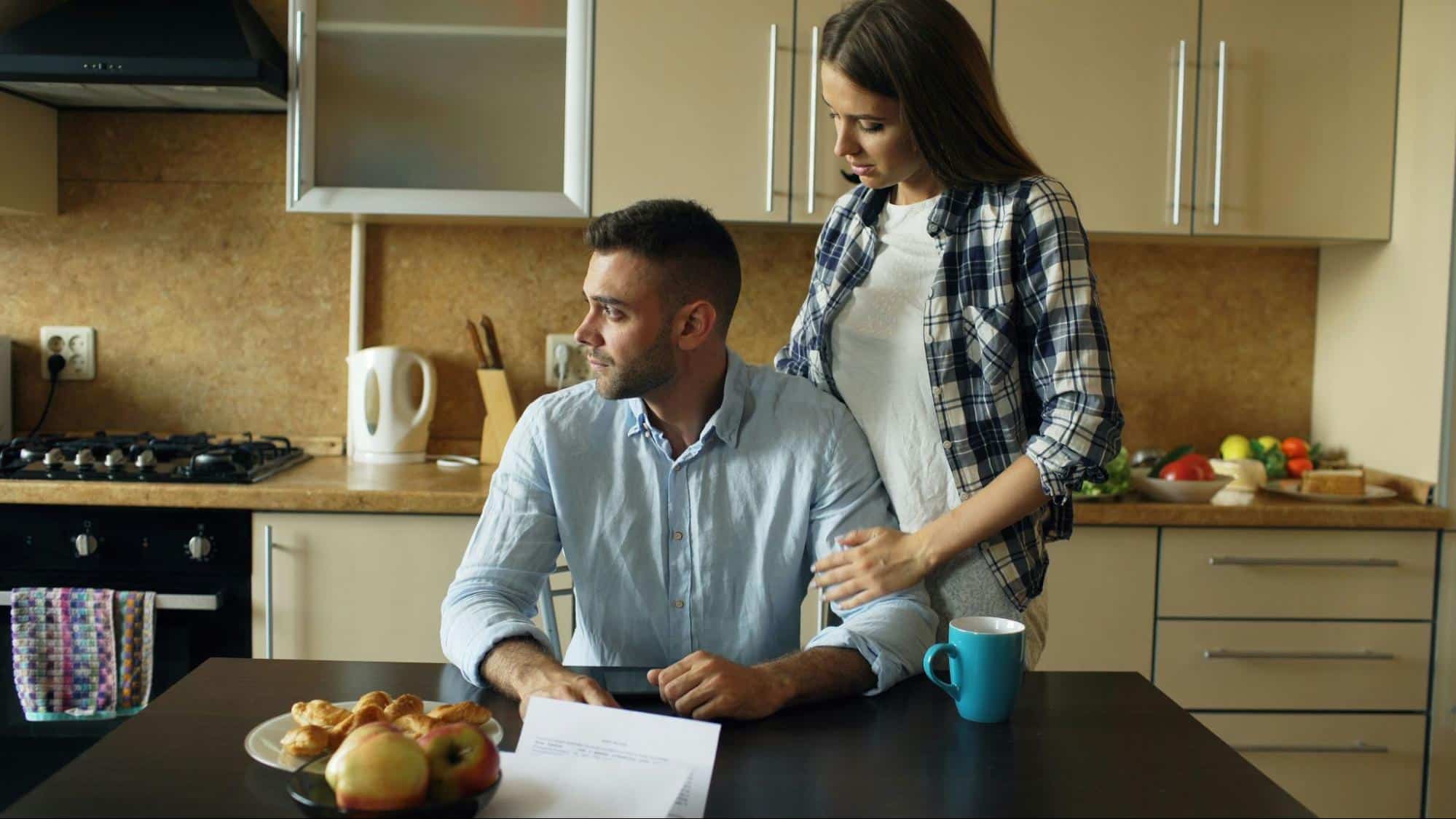
Arguments about timing once felt like simple miscommunication. Over the years, they begin representing how valued or deprioritized each person feels. A late arrival or repeated rescheduling becomes interpreted as emotional absence rather than a busy day. These moments create more tension because they now symbolize commitment rather than timing. What once sounded practical becomes emotional.
Arguments About Household Roles Build Silent Resentment

Simple discussions about chores shift into debates about fairness and recognition. Over time, repeated imbalance feels like a dismissal of effort instead of oversight. Each unshared responsibility becomes a reminder of emotional load, not just physical work. As years accumulate, these small conflicts represent deeper frustration. They stop being about dishes or laundry, they become about partnership.
Money Arguments Turn Into Fears About Stability

Early in marriage, financial disagreements feel like planning issues. Later in life, they start to trigger concerns about long-term security. Each spending choice becomes symbolic of priorities, preparedness, or trust. The pressure of future planning intensifies emotional sensitivity. Normal financial discussions transform into reflections of shared or unshared vision.
Parenting Disagreements Become Conflicts About Values
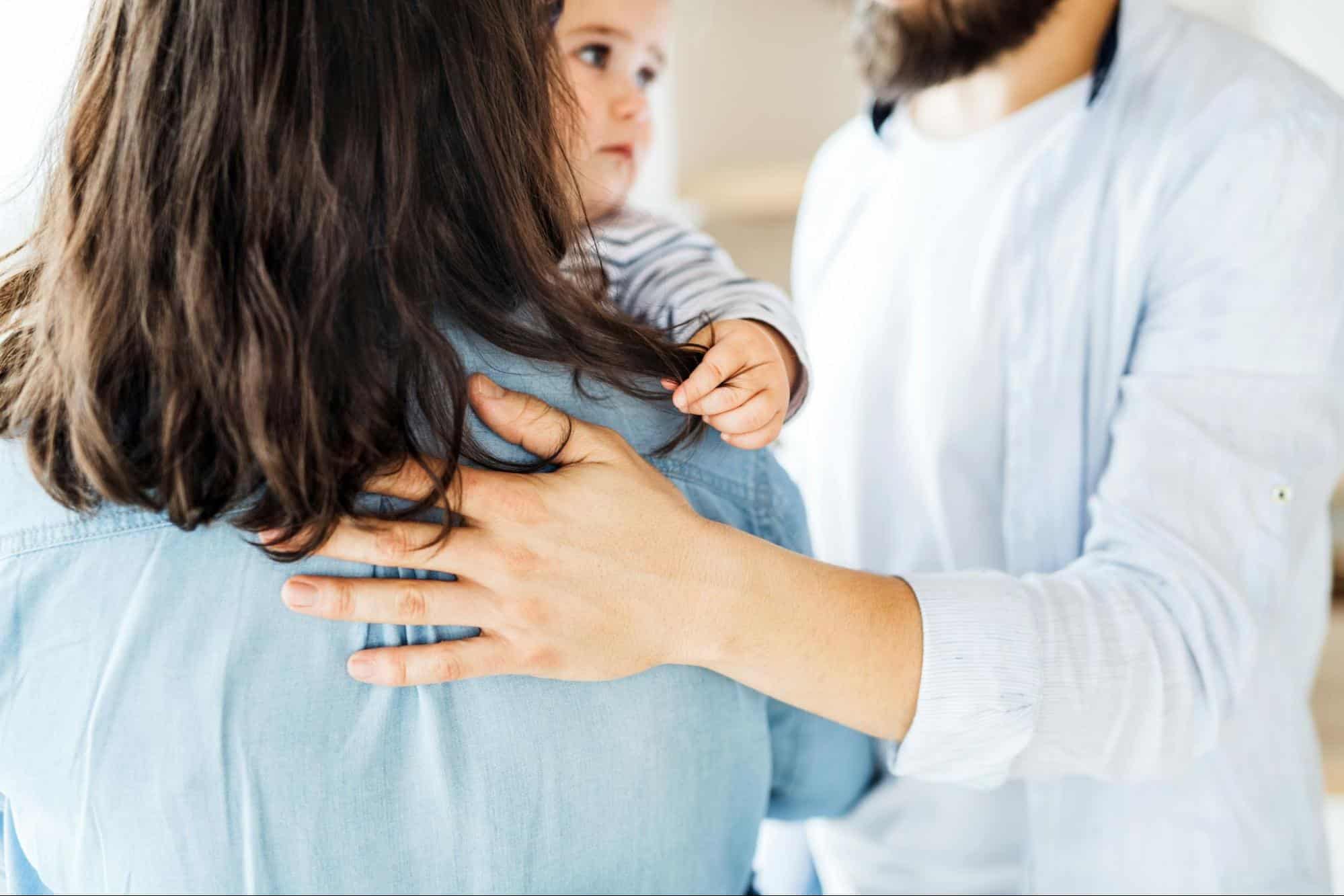
What begins as differing opinions about small parenting choices evolves into concerns about deeper beliefs. Over time, each conflict feels like a statement on identity, structure, and emotional alignment. These discussions become heavier because they address the future, not just the present. Normal disagreements escalate into emotional turning points. Parenting becomes the mirror of compatibility.
Fights Over Intimacy Start Feeling Like Rejection

Earlier in the marriage, mismatched intimacy could be chalked up to fatigue. Years later, those same arguments become emotionally charged. One partner may interpret the decline as disinterest or emotional withdrawal. The discussion moves from physical to deeply personal. What felt normal before now feels symbolic of connection.
Recurring Arguments About Time Alone Become About Emotional Distance

Spending time apart once felt healthy. But when the need grows, arguments develop around whether it’s space or avoidance. Patterns of withdrawal that seem harmless early on can feel threatening later. Over time, the partner left behind may interpret the distance as fading interest. Normal needs shift into signals of drift.
Communication Same-Topic Arguments Reveal Incompatibility

Repeating the same conversations about tone, listening, or acknowledgment becomes draining. At first, it seems like a temporary communication gap. Over years, the repetition signals something fundamentally unresolved. Each recurrence feels heavier than the last. What was once irritating becomes defining.
Disputes About Priorities Reveal Emotional Misalignment

Arguments about what matters, family, work, rest, personal goals, intensify with age. Choices that once seemed negotiable feel fixed and harder to compromise. When one person feels consistently unsupported, the conflict becomes a symbol of divergent futures. The argument stops being about one decision, it becomes about direction. This shift often changes how secure the relationship feels.
Fights About Respect Become Turning Points

Small comments, dismissive tones, or sarcastic remarks are easy to brush off early. Years later, they feel like they have accumulated disregard. Arguments about respect aren’t about one moment; they’re about emotional erosion. Each incident carries the weight of everything that came before. This makes even normal disagreements feel transformative.
Arguments About Expectations Become Disillusionment

Early in marriage, expectations evolve easily. Later, unmet expectations feel heavier because of time invested. Disagreements about effort, communication, or roles start reflecting disappointment. Each conflict feels like a question about whether the relationship is still aligned. What used to be flexible becomes emotionally rigid.
Fights Over Social Obligations Become About Feeling Unsupported
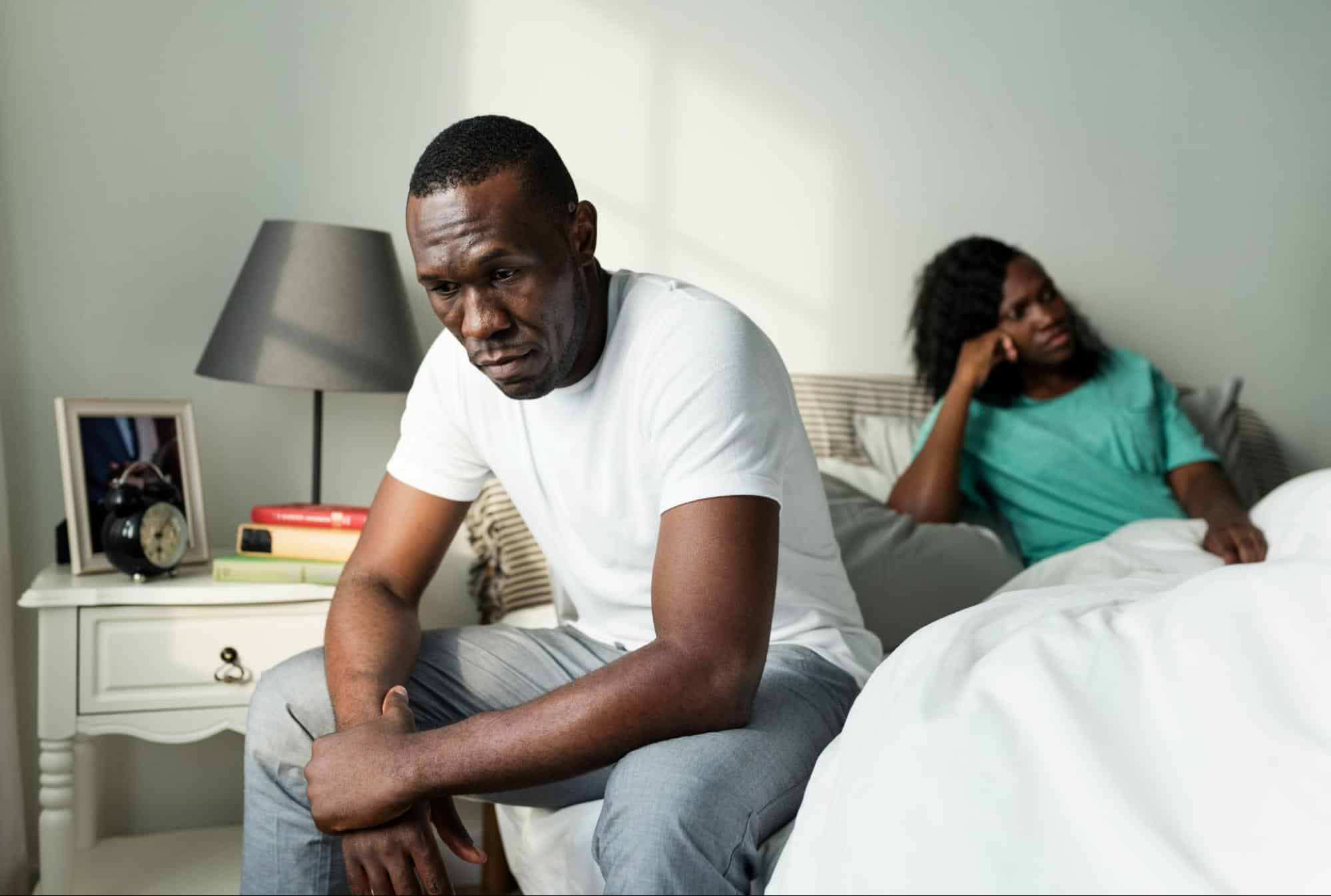
Whether it’s attending events or engaging with extended family, arguments shift from logistics to emotional interpretation. Declining invitations or resisting involvement may be viewed as unwillingness to show solidarity. These conflicts highlight emotional divides rather than social preference. What used to be a simple no becomes a symbol of disconnect.
Conflicts About Personal Habits Become Evidence of Growing Apart

Snoring, clutter, hobbies, or routines feel trivial early on. Over time, these habits become representations of compatibility or incompatibility. Each repeated annoyance grows in emotional weight. Small habits begin to define how comfortable or uncomfortable the relationship feels. The argument becomes larger than the behavior itself.
Arguments About Attention Reveal Emotional Neglect

Feeling unheard or overlooked becomes more painful with age. An argument about divided attention, phones, TV, distractions, becomes about emotional availability. What seems like everyday irritation becomes symbolic of emotional withdrawal. Normal disagreements about attention evolve into critical moments of awareness.
Disagreements Over Fairness Become About Feeling Unappreciated

When one partner feels their contributions go unnoticed, even small arguments become significant. The conflict stops being about one situation and becomes about long-term emotional imbalance. These moments highlight the need for validation and acknowledgment. Over time, simple disputes about fairness turn into defining emotional crossroads. They reveal whether both partners still feel valued.
Arguments About Apologies Become About Accountability

Discussions around saying sorry used to be quick resolutions. Later, they become debates about responsibility, effort, and emotional maturity. When apologies feel inconsistent or insincere, resentment builds. The argument becomes less about the issue and more about whether growth is happening. This makes the conflict marriage-altering rather than minor.
Normal Disagreements Become Heavier When Emotional History Builds

After years together, no argument stands alone. Every disagreement is shaped by past versions of the same conflict. The emotional weight compounds, making even small conversations feel intense. The accumulated history influences tone, reactions, and interpretation. Normal arguments grow larger because they are no longer isolated incidents.
When Normal Arguments Reveal Patterns Instead of Moments

Eventually, the recognition emerges that the arguments aren’t new, only the perspective is. The real issue becomes the pattern, not the problem. This realization changes how each partner interprets conflict. A marriage reaches turning points when the fight isn’t about the topic, but about what the topic represents. That awareness shifts the trajectory of the relationship.
When Ordinary Conflict Starts Pointing to Deeper Truths

Normal arguments may not destroy a marriage, but the meaning behind them can. These disagreements become marriage-altering when they highlight unmet needs, emotional drift, or long-standing misalignment. None of these shifts happen suddenly; they unfold slowly through repeated moments of misunderstanding. Recognizing these patterns is not about blame, it’s about awareness. Understanding why normal arguments feel heavier over time is the key to rebuilding connection before the distance becomes permanent.








Ask Me Anything