
For many men, romantic relationships provide more than companionship. They can offer routine, emotional grounding, social connection, and a clear sense of direction. When that relationship ends or is absent, the shift can feel disorienting. Structures that once felt automatic may suddenly disappear. Daily rhythms change, social patterns adjust, and identity may feel less defined. The absence of partnership can highlight how much meaning was tied to that connection. The following slides explore why some men feel lost without a partner and how identity, independence, and social conditioning shape that experience.
Relationship Becomes the Main Source of Purpose

In many cases, relationships become central to daily motivation. Shared goals, routines, and responsibilities create a sense of forward movement. Planning a future together can provide direction that feels clear and measurable. Without that shared structure, daily life may seem less anchored. Tasks once connected to partnership can lose emotional weight. When purpose has been closely tied to being a partner, its absence can create a noticeable void. Rebuilding personal direction often requires redefining goals outside the relationship framework.
Identity Built Around “Us” Instead of “Me”

Long-term relationships often encourage shared identity. Social circles, routines, and even language shift toward collective thinking. Over time, personal identity may become intertwined with partnership status. When that connection ends, the sense of self may feel fragmented. Questions about independence and individuality can surface unexpectedly. Reestablishing a separate identity takes time and reflection. Rediscovering personal interests and preferences becomes part of regaining stability.
Emotional Support Suddenly Feels Absent

Romantic partners frequently serve as primary emotional confidants. Daily conversations, shared experiences, and mutual reassurance build emotional reliance. When that support system disappears, the silence can feel amplified. Men who relied heavily on one person for validation may struggle to redistribute emotional connection. Without alternative outlets, feelings may remain internalized. The adjustment involves learning how to seek support from broader networks. Emotional resilience grows when support systems diversify.
Routine and Structure Disappear Overnight

Relationships create predictable routines. Shared meals, weekend plans, and consistent communication establish rhythm. After a breakup or prolonged single period, that rhythm can abruptly stop. Even small daily habits may feel noticeably absent. Without structure, time can feel less organized and less purposeful. Rebuilding routine independently helps restore balance. Stability often begins with small, consistent actions.
Social Circles Often Shrink

In many partnerships, social life becomes intertwined. Couples may share friends, attend events together, and integrate into shared communities. When a relationship ends, those connections may weaken or change. Invitations may decrease, and shared friendships can feel complicated. Social isolation can intensify feelings of loss. Expanding independent friendships becomes essential for regaining connection. Broader social networks reduce reliance on a single relationship.
When Masculinity Feels Tied to Status

Cultural messaging often associates relationship status with success or stability. Being partnered can be seen as a marker of maturity or achievement. When single, some men may question their value or progress. This perception can influence self-esteem even when independence is healthy. Detaching personal worth from relationship status requires conscious reframing. Identity extends beyond partnership. Stability should not depend solely on external validation.
Emotional Expression Was Limited to One Person

Some men reserve vulnerability exclusively for romantic partners. Outside the relationship, emotional expression may feel unfamiliar or restricted. When that single outlet disappears, emotions may feel bottled up. Without alternative spaces for honesty, isolation deepens. Expanding emotional communication beyond romantic partnership strengthens resilience. Friendships, family connections, or professional support can provide balance. Emotional range grows when not confined to one relationship.
Shared Goals Suddenly Feel Uncertain

Couples often plan futures together, housing, travel, career decisions, or family goals. When partnership dissolves, those plans may feel irrelevant or unclear. Long-term direction can appear disrupted. Reorienting goals independently requires clarity and patience. Personal ambitions may need reevaluation outside shared vision. Independence involves redefining forward momentum. Individual planning restores a sense of control.
Loneliness Feels Louder in Quiet Moments

Physical absence can intensify emotional awareness. Quiet spaces that once felt comfortable may now feel heavy. Even routine moments like meals or evenings can highlight solitude. Loneliness is not simply about being alone, but about missing shared presence. Learning to tolerate solitude strengthens emotional independence. Developing comfort in one’s own company reduces dependence on constant companionship. Solitude can eventually become restorative rather than distressing.
Overreliance on One Emotional Anchor

When a partner becomes the central emotional anchor, other areas of life may receive less attention. Hobbies, friendships, and personal growth may shrink over time. After separation, this imbalance becomes more visible. Without multiple sources of fulfillment, loss feels amplified. Diversifying emotional investment builds stability. Independence grows through layered sources of meaning.
Daily Validation Is Suddenly Missing
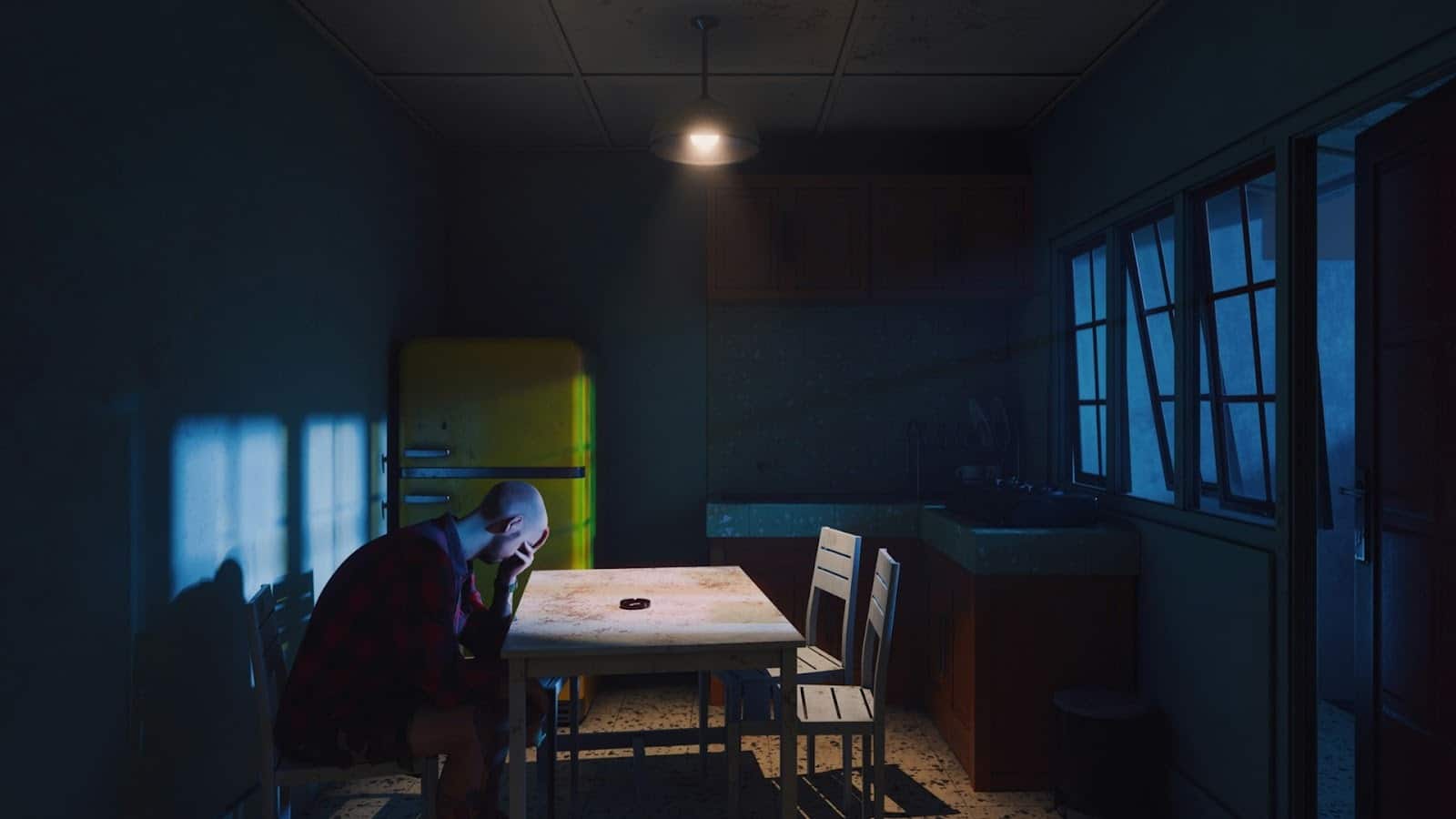
Small affirmations within relationships contribute to confidence. Compliments, check-ins, and shared laughter reinforce identity. Without regular validation, self-doubt may increase. External reassurance often becomes internalized over time. When that reinforcement stops, confidence may waver temporarily. Building internal validation reduces reliance on constant feedback. Self-worth strengthens when rooted in personal standards.
When Distraction Turns Into Reflection

Relationships provide constant engagement and shared activity. Without that distraction, introspection often increases. Unprocessed emotions may surface. Reflection can feel uncomfortable if avoided previously. However, self-awareness can also support growth. Time alone allows reassessment of habits and patterns. Reflection becomes productive when approached intentionally.
Fear of Starting Over

Ending a relationship often means rebuilding routines, social circles, and emotional connection from the beginning. The idea of restarting can feel overwhelming. Uncertainty about future compatibility may add stress. Fear can amplify feelings of directionlessness. Building stability independently reduces pressure on future relationships. Confidence grows through self-sufficiency. Starting over becomes less intimidating when identity is secure.
Comparison Through Social Media

Online platforms often highlight curated images of happy partnerships. Constant exposure to relationship milestones may intensify feelings of absence. Comparison can distort perception of personal progress. Social media rarely reflects complexity or struggle. Reducing comparison supports emotional balance. Self-evaluation benefits from realistic standards. Digital awareness shapes emotional well-being.
Lack of Independent Hobbies
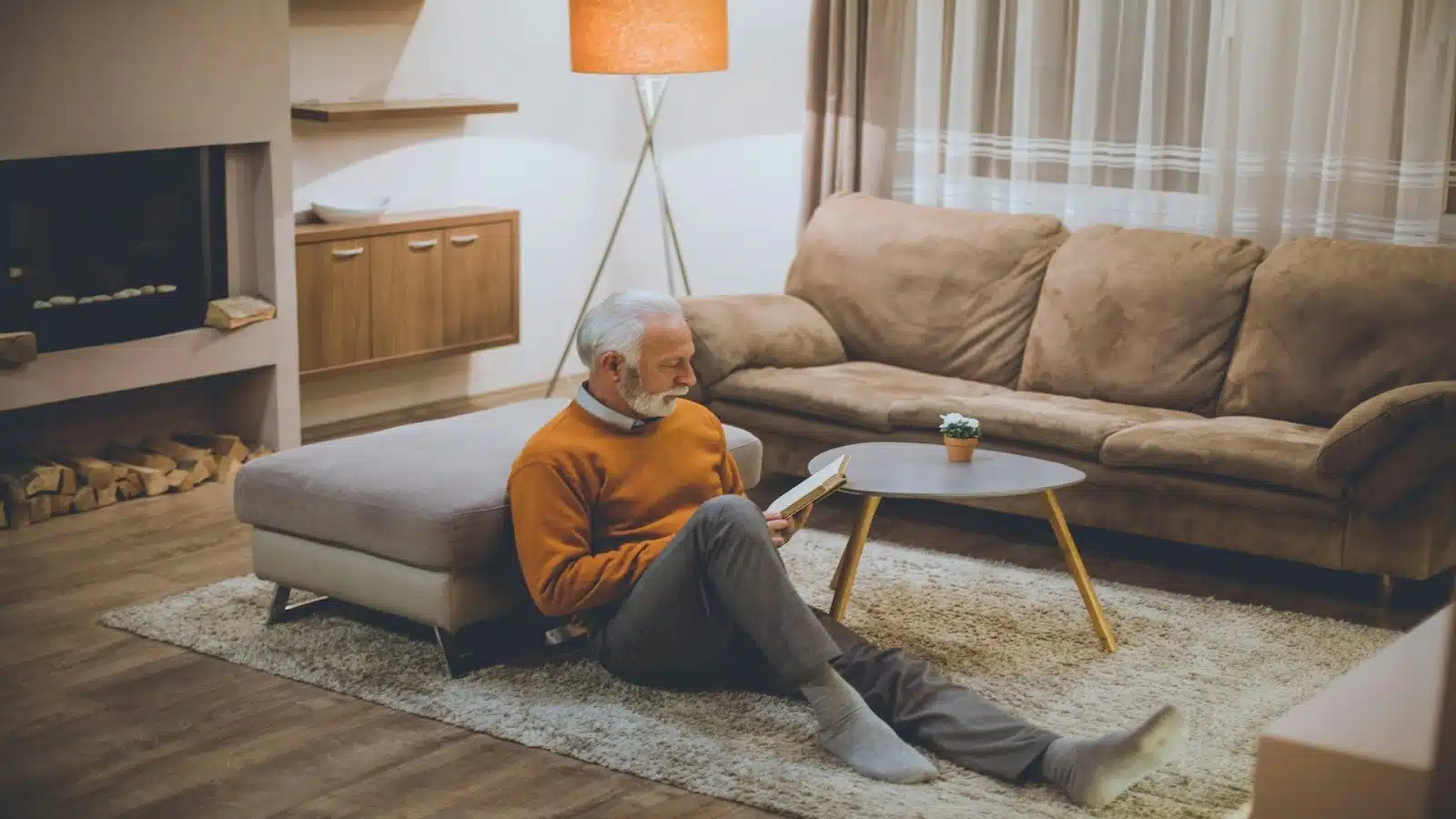
When most free time is shared with a partner, independent interests may fade. After separation, empty time can feel overwhelming. Reengaging with hobbies provides direction and satisfaction. Activities unrelated to relationship status build identity. Skill development strengthens confidence. Personal interests offer consistent fulfillment. Independence deepens through active engagement.
Avoidance of Deeper Self-Work

Relationships sometimes mask unresolved personal challenges. Constant companionship can delay self-reflection. When alone, unresolved issues become more visible. Avoiding introspection prolongs discomfort. Addressing patterns supports long-term growth. Personal development reduces repeated relational cycles. Independence includes emotional accountability.
Confusing Solitude With Failure

Being single is sometimes interpreted as a setback rather than a phase. Cultural pressure may equate partnership with success. This perception can distort emotional experience. Solitude does not indicate deficiency. It can provide space for growth and recalibration. Reframing independence shifts perspective. Value remains intact regardless of relationship status.
Rebuilding Direction From Within

Regaining stability without a partner requires intentional effort. Establishing routines, strengthening friendships, and pursuing goals create structure. Emotional resilience grows through diversified support systems. Independence fosters confidence and clarity. Identity becomes self-defined rather than relationship-defined. Stability built internally strengthens future partnerships. Direction emerges from personal foundation rather than external attachment.
Finding Stability Outside Partnership

Feeling lost without a partner does not indicate weakness. It often reflects how deeply identity and routine were intertwined with connection. Relationships can provide purpose, but they should not be the sole source of it. Developing independence strengthens emotional resilience and self-understanding. When identity is rooted internally, partnership becomes a complement rather than a necessity. Long-term stability grows from balance between connection and self-definition.







Ask Me Anything