
You used to get that hug when you walked in the door. That brush of her hand, sitting close on the couch. Now? Crickets. She still shares the roof with you, but the touches have stopped. And it hurts.
You wonder: Is this a rejection? A sign of something deeper? Or just stress doing its dirty work? If she’s pulled back from physical contact, the answer is rarely what you think. It’s not always about attraction.
Stress and Overload

When work, kids, finances, or life in your 30s-50s steamrolls you, physical touch drops fast. Her nervous system is in “survival mode,” and what used to feel good now feels like extra effort. High cortisol levels (stress hormone) kill not just sex drive but desire for any kind of gentleness.
Lighten the load where you can. Step up with the kids or chores without making it “you owe me” currency. Re-introduce touch as comfort. Just a hand on the back while watching TV.
Health Issues or Hormonal Change

Chronic pain, low energy, menopause, and even medications all drain physical affection. Hormone imbalances and fatigue are major reasons touch disappears. Check the basics: sleep, pain levels, check-ups. Introduce non-sexual touches like back rubs or simply sitting together.
Emotional Distance Set In

When you both stop talking deeply, sharing hopes, and start skimming life instead of living it, your connection weakens. And when that happens, the touches go too. One expert calls this “the ecosystem drying up.” Start a 5-minute daily check-in with no phones and interruptions. Just rebuild the emotional script, and the physical one will follow.
Unresolved Conflict or Resentment

Maybe you thought you’d moved past the argument, but she hasn’t. Unspoken issues build walls invisible to you, and she stops touching because the safety around touch is gone. Unresolved conflict is a key intimacy killer.
Pick one recurring disagreement and ask: “What’s one thing I can stop doing so you feel safer with me?” Listen without defending. Small moves here repair big damage.
Loss of Attraction (Sometimes Internal)

You haven’t changed, or maybe you have. But either way, she may no longer feel the spark. This doesn’t always mean “I don’t love you,” but can mean “I don’t feel it like I used to.” Level up your grooming, style, and posture. Show vitality. New hobby, new look, new laugh. It’s not too late.
Your Touch Became “Just Sex”

When every time your hand moves it signals “hook-up or complaint,” touch feels like a transaction. Separating touch from sex helps rebuild genuine closeness. Hold her hand while walking. Hug her before sleep, then stay asleep. Make one entirely non-sexual touch a day. Rewire your connection.
Routine and Boredom Took Over
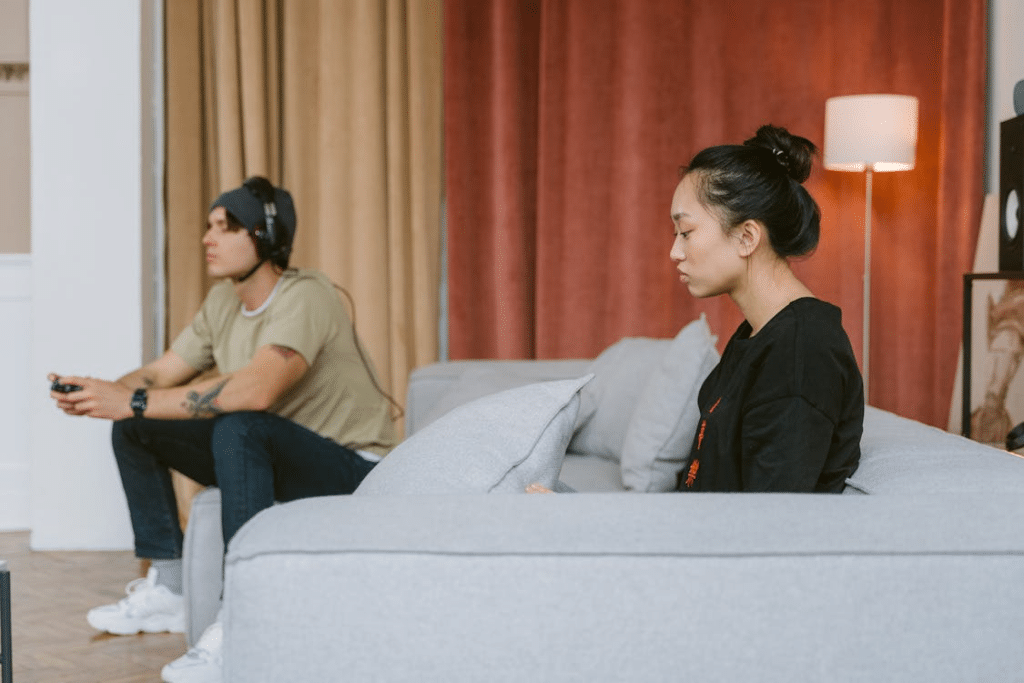
The same drive home, couch routine, and TV show. Touch becomes autopilot or vanishes entirely. Schedule a “mini date” at home. Change clothes, move furniture, dim lights, or forget kids for 30 minutes. Novelty reignites closeness.
She Feels Guilt or Shame About Her Body

Menopause, stretched skin, weight gain, and creaky joints. If she’s self-conscious about her body, she may avoid being touched. It’s about how she sees herself. Actively compliment what you like and voice it. Offer touch not as performance but as appreciation. “Can I kiss the part of you I love?” works better than “Are we doing this?”
Fear of Intimacy (And What It Looks Like)

Past trauma doesn’t vanish with time. Touch that used to be comfort now feels like vulnerability. Anxiety, trauma, or fear of closeness show up as physical withdrawal. Slow it down. Ask: “When did touch feel safe for you last time?” Encourage her to guide you. Safety builds closeness.
Kids or Family Dynamics Hijacked Your Intimacy

If you’re still “Dad” more than “Partner,” your relationship may quietly shift into roommate territory. Parenting pulls energy, focus, and time. And she stops touching you because you’re not “just you” anymore. Create micro-zones: “30 minutes no talk about kids, bills, or schedule.” Reclaim being just you two. Light, easy, touch-free at first.
You’ve Become Her Confidant Instead of Her Lover

You listen, help, and fix, but you may no longer ignite. If she sees you as support staff rather than a romantic equal, the physical closeness drops. Shift the dynamic. Ask her dreams, fears, not just “how was your work day?” Then lean in. Let the conversation take you both to unexpected places.
Both of You are Emotionally Exhausted

When emotional energy is low, touch is the first casualty. Adults crave touch, but also need mental space to want it. Research shows adult “touch starvation” causes emotional harm. Encourage naps or solo downtime. Then gently initiate touch when the energy is back. Recovery leads to return.
Mismatched “Touch Needs” or Love Languages

Maybe you crave it, but she doesn’t. If touch isn’t her love language, you feel the absence more. Ignoring this mismatch pushes you toward frustration. Talk about how you both prefer affection. Alternate: one day she chooses, one day you choose. Find the overlap.
Life Transitions Hit Hard

New job, moving house, kids moving out or back in, and health scares. When your world shifts, touch often pauses. One source lists “lifestyle and routine changes” as a reason for intimacy decline. Acknowledge the change. “I know things feel different. Let’s find out how we touch now.” Reset your physical relationship after the shift.
You Took Her Affection for Granted

Maybe you got comfortable. You stopped noticing and reaching. She pulled back without you even seeing it. It’s a negative cycle, but fixable. Begin noticing again. Text a photo of you in the mirror and ask, “How do you like this shirt on me?” The next day, reach out and touch her foot under the dining table.
Technology or Distraction Killed the Moment

Phones, work alerts, streaming till midnight steal time that used to be soft glances, shoulder touches, kisses. Screens often replace cuddles. Set a “phone-free hour” tonight. Sit close. No screens. Let your shoulder lean into hers. Old-school closeness works.
She’s Actually Saying “We’re Done” (But Quietly)

Sometimes, the final reason: her heart’s checked out, but your body’s still at the table. Physical touch stops because connection stops. It’s a warning sign, not just a rough patch. Don’t ignore this one. Ask directly: “Can you still feel close to me like you used to?” Then listen. If the answer’s no, it’s time to decide either to rebuild or move on.








Ask Me Anything