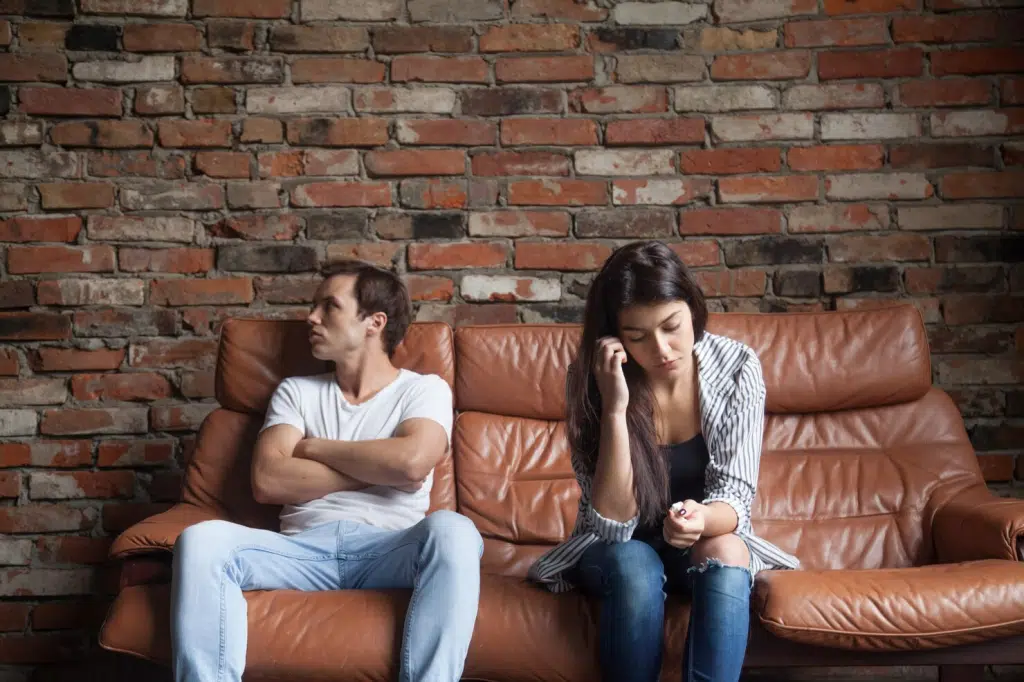
When someone gets hurt in a relationship, many people assume they will leave if it’s serious. But real life is not that clean. A woman can be deeply hurt and still stay for reasons that have little to do with “forgiving and forgetting.” Staying can be love, but it can also be fear, finances, children, attachment, or exhaustion. It can even be the belief that leaving would create a worse kind of pain. This is why staying is not always a sign of safety in the relationship. Sometimes staying is a sign that she is surviving, not thriving. Sometimes it’s a sign she has emotionally checked out but hasn’t physically left yet. These 15 reasons explain why some women stay even after being hurt, and why it’s often more painful than it looks from the outside.
The Hope Trap: When She Believes the Best Version of You Is Still Coming
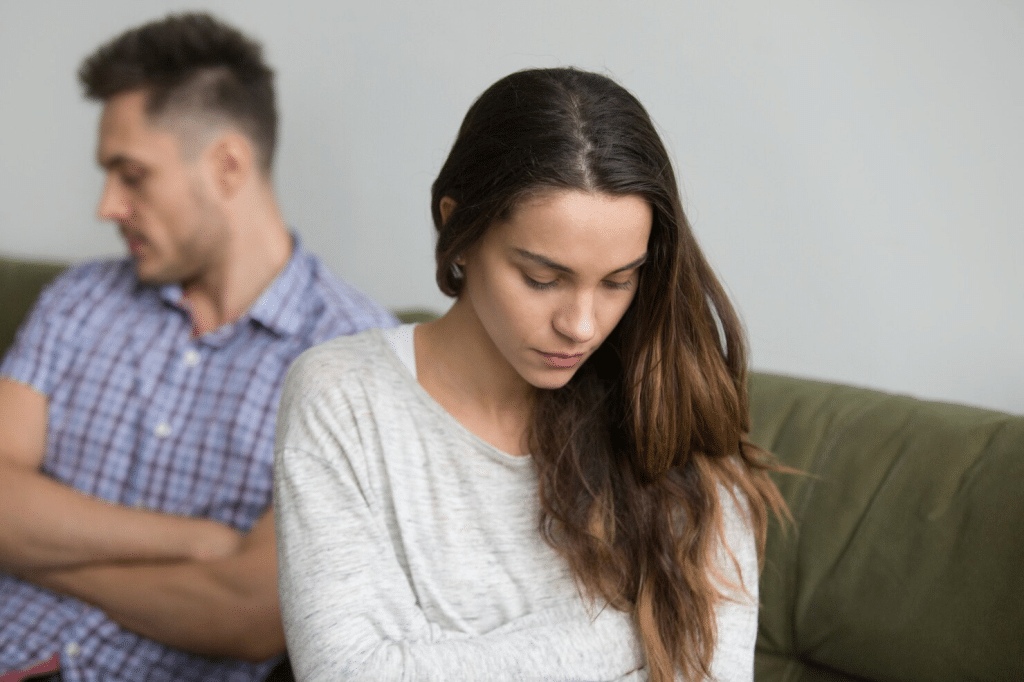
Hope is powerful, especially when the relationship has good seasons. Many women stay because they remember who you were at the start. They believe the current hurt is temporary and that change will happen soon. They may focus on your potential more than your patterns. This is not stupidity, it’s attachment mixed with optimism. But hope can also become a trap when it replaces reality. Reality is behavior over time. If the behavior stays the same, hope becomes self-sacrifice. These reasons often live in hope.
She Thinks the Hurt Was “A One-Time Mistake”
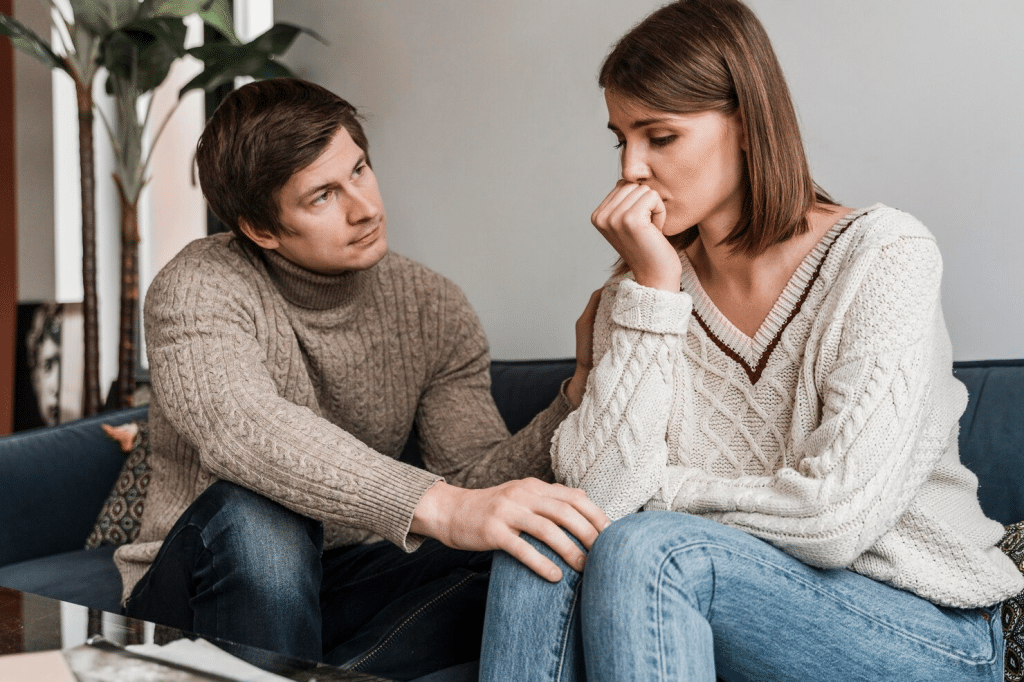
Many women stay because they believe the incident was an exception, not a character pattern. They separate “what happened” from “who you are.” That can be compassionate, especially if you apologized and seemed sincere. But it can also delay a hard truth: repeated harm is not a mistake, it’s a pattern. Early on, it feels reasonable to give a second chance. The danger is giving ten second chances for the same behavior. She stays because she wants to be fair. But fairness without protection can become self-abandonment. One-time mistakes require real change, not just regret.
She Believes Love Means Endurance
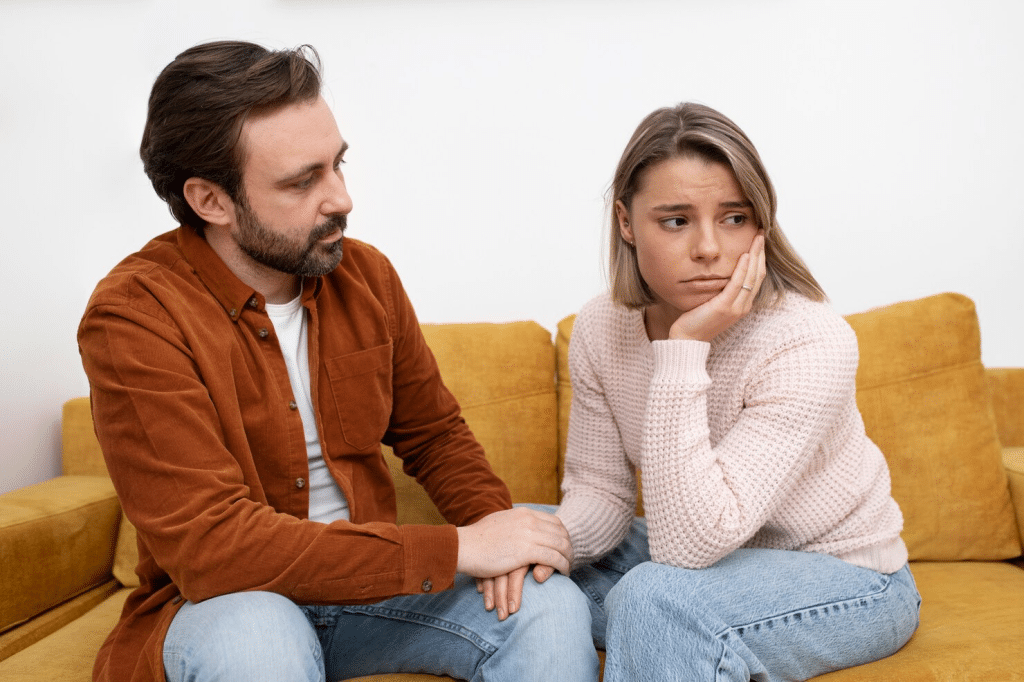
Some women were taught that love is proven by how much pain they can tolerate. They interpret staying as loyalty and strength. They may see leaving as “giving up” even when harm is real. This mindset can be reinforced by family, culture, or religion. It can also be reinforced by romantic stories that glorify suffering. The problem is that endurance is not the same as a healthy relationship. Endurance without repair becomes quiet damage. She stays because she thinks love requires sacrifice. But sacrifice without safety eventually breaks a person down. Love should not require constant emotional injury.
She Thinks If She Leaves, You’ll Become Better for Someone Else
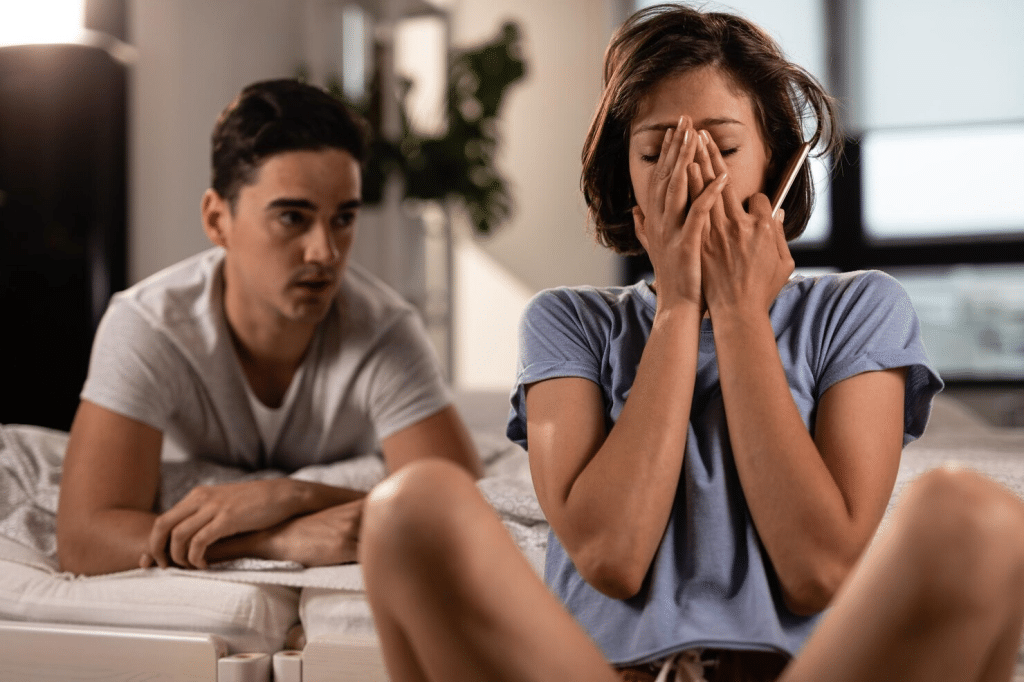
This is one of the most painful reasons. She worries that she will do all the “building” and someone else will get the improved version. That thought can keep her stuck in a relationship that is hurting her. It’s the sunk-cost mentality: “After all this pain, it has to mean something.” She may also feel competitive with an imaginary future partner. That competition is exhausting and unfair to her. But it can feel emotionally real. She stays because she wants the investment to pay off. The trap is that investment does not guarantee reward. Only consistent behavior does.
The Fear and Survival Reasons: When Leaving Feels Riskier Than Staying
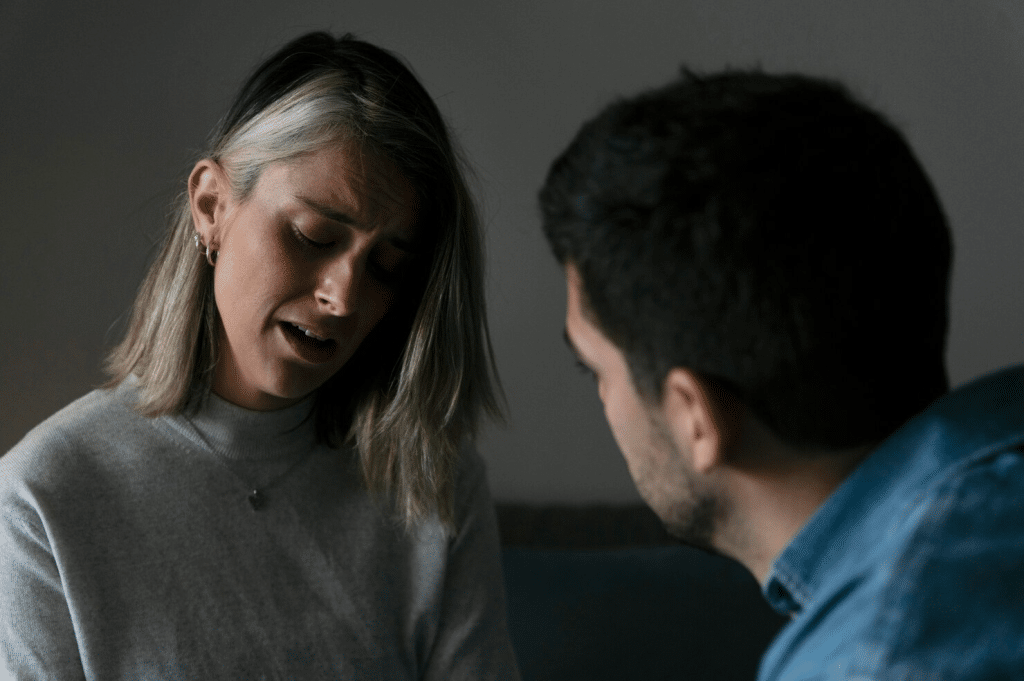
Not everyone stays because they want to. Some stay because leaving looks financially, socially, or emotionally impossible. Fear can be quieter than people expect. It can be fear of being alone, fear of starting over, or fear of instability. Some women also fear being judged or blamed. Others fear that leaving will disrupt children or family systems. Staying becomes a form of survival. Survival is not happiness, but it can feel like the safest option. These reasons are practical, not romantic.
She’s Financially Tied to the Relationship
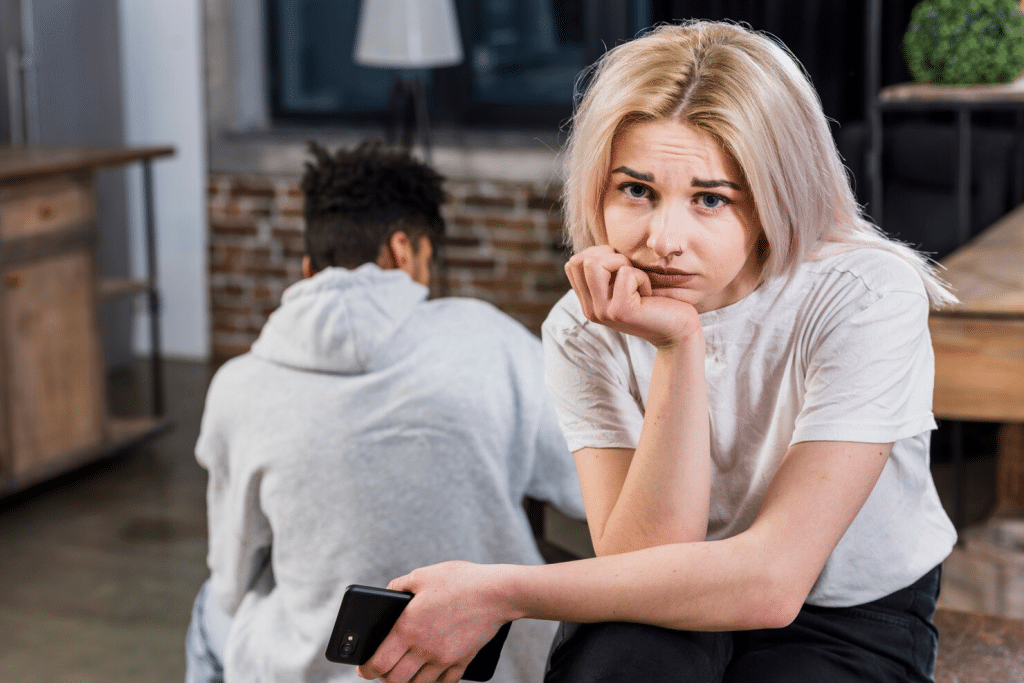
Money is one of the biggest reasons people stay. Rent, mortgages, shared debts, and lifestyle costs can make leaving feel impossible. Even working women can feel stuck if the shared life is expensive. Financial fear creates paralysis. It also creates shame because people feel they “should” be able to leave. But financial entanglement is real. Leaving can mean moving, losing stability, and rebuilding from scratch. Some women stay while quietly planning for independence. Others stay because they can’t plan yet. Either way, it’s not about romance, it’s about survival math. This is why financial stability can trap someone in pain.
She Doesn’t Want to Break the Family Structure
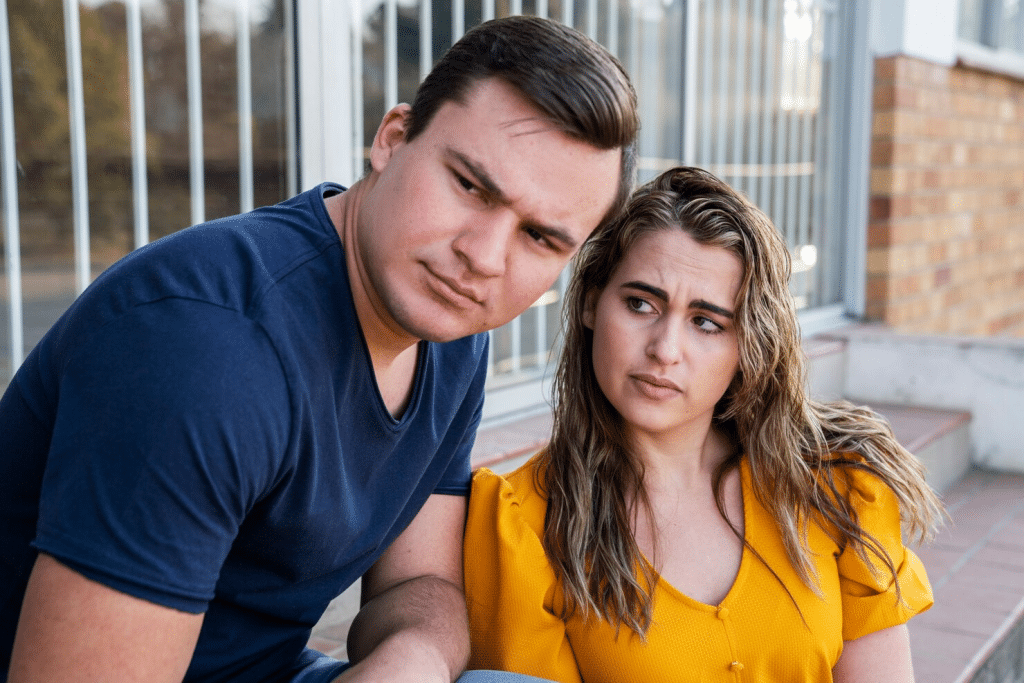
When children are involved, many women stay to keep the home intact. They may worry about custody battles, co-parenting stress, or the kids’ emotional adjustment. They may also fear becoming a single parent with less support. Some women stay because they want daily access to their children’s lives. The thought of split holidays and shared parenting feels unbearable. This does not mean staying is always best for children, but it can feel like the least disruptive option. Family structure can become the priority over personal happiness. She stays because she wants stability for the kids. That can be noble and painful at the same time.
She Feels Trapped by Social Pressure and Image
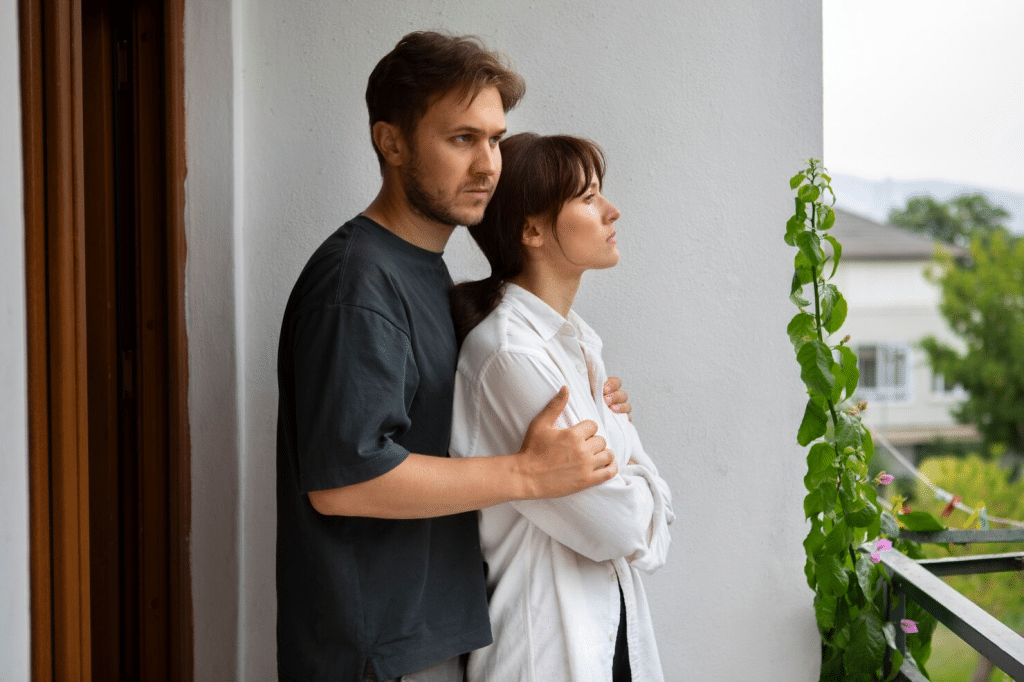
Some women stay because leaving would be embarrassing or socially costly. Family might judge, friends might choose sides, or community expectations may shame divorce. This is especially strong when a relationship looks “perfect” from the outside. She may fear being blamed for the breakup. She may also fear losing shared friends and support systems. Social pressure can make leaving feel like a public failure. That pressure often keeps women silent and isolated. She stays to protect her reputation, even while privately suffering. This is why “they seem fine” is often misleading. Images can trap people.
The Attachment Reasons: When the Bond Acts Like an Addiction

Attachment is not only emotional; it can be physical and chemical. Breaking attachment can feel like withdrawal. Many women stay because the bond is deep, even if the relationship is painful. They may still crave the person who hurt them. That can create shame and confusion. Attachment also makes people minimize harm because the brain wants connection. This is why toxic cycles can be hard to leave. It’s not always a weakness, it’s biology plus history. These reasons often come from emotional attachment, not logic.
She’s Trauma-Bonded to the Highs and Lows

Some relationships run on intensity: big love, big pain, big apologies, big promises. The rollercoaster creates emotional addiction. The lows hurt, but the highs feel like relief and hope. This makes leaving difficult because the brain associates the partner with comfort after chaos. It can also create the belief that suffering is proof of depth. Over time, the relationship becomes a cycle instead of a steady bond. She stays because she’s waiting for the next “good phase.” The problem is that good phases become shorter, and the damage becomes longer. Rollercoaster love feels powerful, but it often breaks people down. Stability is healthier, even if it feels less intense.
She Confuses Familiar Pain With Safety

Some women grew up around unstable love. That can make calm relationships feel unfamiliar and even boring. Familiar pain can feel “normal,” which the brain mistakes for safety. This is not a conscious choice. It’s conditioning. She stays because leaving feels like stepping into the unknown, which feels scarier than known disappointment. The relationship may hurt, but at least it’s predictable. Predictable pain can become a comfort zone. This is one of the hardest traps to admit. But it’s common. Healing often includes learning what healthy love actually feels like.
The Quiet Exit: When She’s Still There, But Already Gone Inside
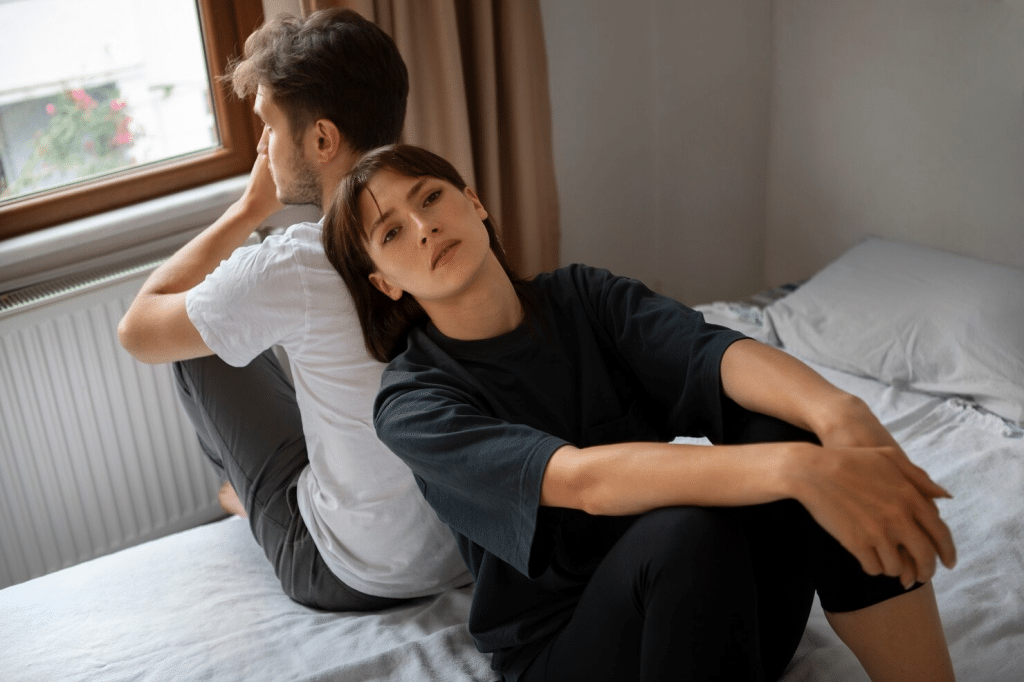
Sometimes she stays physically because leaving is complicated, but emotionally she has started detaching. She may be staying while planning, waiting, or deciding. She may also be staying because she no longer expects anything. That’s why some men get blindsided when she eventually leaves. The emotional exit often happened long before the physical exit. These reasons explain why staying is not always a sign of forgiveness. Sometimes it’s a sign of shutdown.
She Stopped Expecting Better, So Staying Feels Easier

This reason is painful because it looks calm. She may stop arguing and stop asking. She may become polite but cold. She learns to live with less because expecting more only creates disappointment. This is resignation, not peace. Resignation kills intimacy because it removes hope. She stays because she has lowered the emotional stakes. The relationship becomes a shared routine, not a shared love. Many men misread this as “things finally got better.” But it’s often the opposite. When expectations die, the relationship is already bleeding out.
She’s Waiting Until She’s Strong Enough to Leave

Some women stay while quietly rebuilding themselves. They may be saving money, finding work, improving health, or reconnecting with support systems. This is not manipulation; it’s preparation. Leaving requires resources: emotional, financial, and social. She may also be waiting for the right timing for children or housing. During this time, she may act normal to avoid conflict. But internally, she is planning. This is why some breakups feel sudden. They weren’t sudden; they were prepared. Staying can be strategic. Strategy often appears when the relationship feels unsafe.
She Wants Proof of Change Before She Risks Leaving
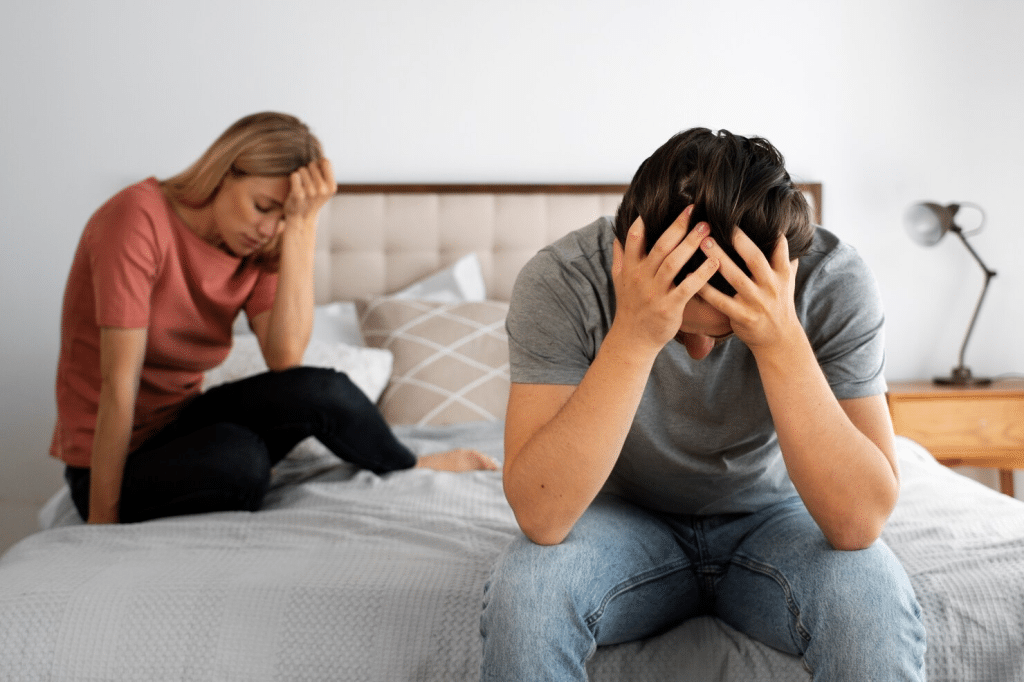
Some women stay because they want to see if change is real. They may not want to break the family if improvement is possible. They may also fear regret if they leave too quickly. So they wait and watch. They track patterns, not promises. If change is inconsistent, they detach more. If change becomes consistent, they may soften. This reason is often misunderstood as “she keeps forgiving.” It’s often “she’s collecting evidence.” Evidence matters because trust was damaged. Words don’t rebuild trust; behavior does. She stays to see what your behavior proves.
She Doesn’t Trust Anyone Else Will Love Her Better

Low self-worth keeps people in harmful situations. If she believes she won’t be loved again, she tolerates less. This belief can come from past rejection, body image issues, age fears, or long-term emotional criticism. It can also come from being isolated from friends or support systems. When a woman feels replaceable, she may cling harder. She stays because leaving feels like permanent loneliness. This is one of the saddest reasons because it’s based on a false belief. Many people can be loved well again. But fear makes that hard to believe. Confidence often needs rebuilding before leaving feels possible.
She Still Loves You, But Love Isn’t the Only Factor

This is the simplest and most common reason, and it’s still painful. Love can remain even when trust is damaged. Love can remain even when respect is struggling. Many women separate “feelings” from “standards.” They may love you while also feeling hurt, disappointed, or exhausted. They stay because love is real and leaving is hard. But love alone cannot protect a relationship from repeated harm. If love is used as the only reason to stay, the relationship becomes fragile. Love needs repair, safety, and accountability to survive. Without those, love becomes sorrow.
Tips: What a Man Should Do If He Realizes This Is Why She Stayed

Start by owning the hurt without debating it. Offer specific accountability instead of vague apologies. Ask what safety looks like now and listen without defensiveness. Remove repeating triggers: tone, secrecy, broken promises, or disrespect. Make change consistent for months, not days. Respect boundaries that help her feel stable again. Do not pressure her to “move on” quickly. Trust repair is slow because the nervous system needs proof. The goal is not to be forgiven, it’s to become safe again.
Tips: How to Tell If She’s Staying With Hope or Staying With Resignation

Hope usually includes warmth, curiosity, and some willingness to engage. Resignation often looks like politeness with emotional distance. Hope still brings up issues because it believes repair is possible. Resignation stops bringing things up because it expects nothing. Hope makes future plans. Resignation avoids future planning or keeps it practical only. Hope includes affection that returns after repair. Resignation includes affection that feels absent or forced. Both can look quiet, but the emotional temperature is different. Pay attention to warmth and engagement, not just silence. Silence can be quitting.
Tips: What Actually Rebuilds Trust After Hurt

Trust rebuilds through consistent follow-through, not speeches. It rebuilds through respectful tone, transparency, and accountability. It rebuilds through repaired conflict: closure, reassurance, and changed behavior. It rebuilds when her needs are taken seriously without minimizing. It rebuilds when responsibilities are shared so she doesn’t feel alone. It rebuilds when boundaries are respected without punishment. It rebuilds when your actions become predictable in a good way. The fastest trust killers are defensiveness and inconsistency. The strongest trust builders are humility and consistency.
Staying After Hurt Is Often a Signal, Not a Free Pass

If she stayed after being hurt, it doesn’t automatically mean everything is okay. It often means she is balancing pain against fear, hope, or survival. Some women stay because they still believe in repair. Others stay because leaving feels impossible or complicated. Some stay while emotionally detaching. That’s why staying should never be treated as permission to repeat the same behavior. If she stayed, it’s a serious signal: the relationship is either being rebuilt or slowly dying. The difference is whether the hurt is owned and change becomes consistent. Love can survive pain, but only when safety returns. If you want her to stay with love, not just with endurance, then the effort has to become real and steady now.








Ask Me Anything