
An apology can be powerful when it is paired with accountability and consistent follow-through. But when the same behavior keeps repeating, “sorry” starts losing meaning fast. The relationship begins to feel like a loop: hurt, apology, temporary calm, then the same damage again. Over time, the apology stops sounding sincere and starts sounding strategic. This is how trust erodes even when someone “says the right things.” Words can soothe, but patterns decide safety. These are the reasons “sorry” stops working when change never arrives.
It Trains the Partner to Expect the Same Hurt Again
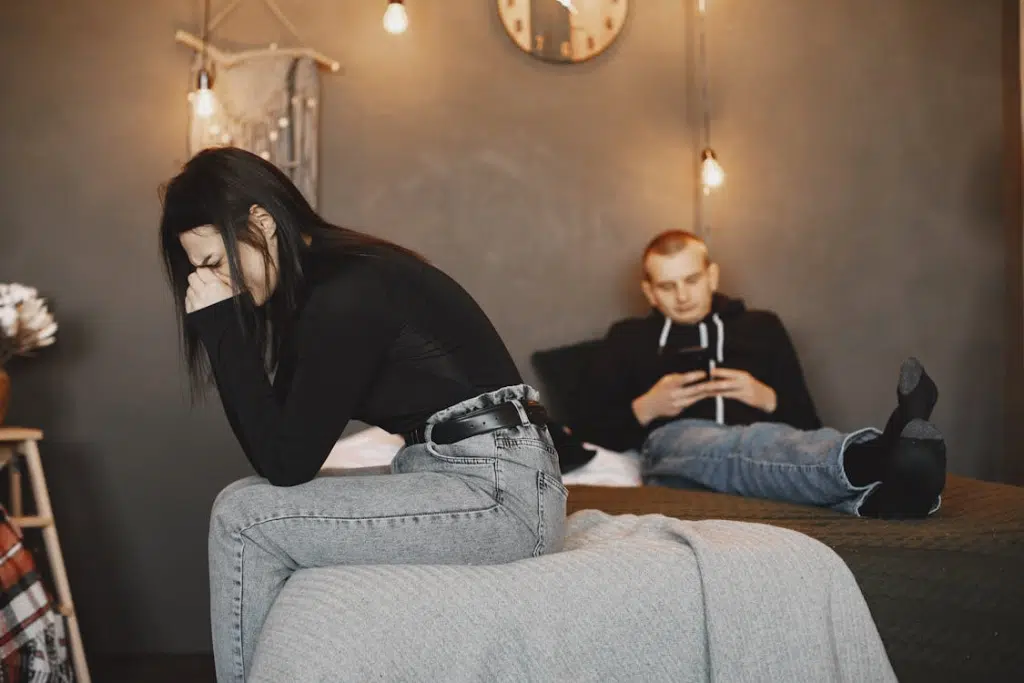
When the behavior repeats, the apology becomes part of the routine. The partner starts predicting the cycle instead of believing in repair. This creates emotional dread, even in good moments. Trust requires the belief that pain will not be repeated. Repeated apologies teach the opposite. The relationship becomes about bracing, not bonding. A predictable wound is still a wound.
It Turns “Sorry” Into a Reset Button

Some people use apologies to end discomfort quickly. They say sorry to stop the conversation, not to change the pattern. This makes “sorry” feel like a tool, not a truth. The partner feels pressured to accept the apology to restore peace. Real repair is not a reset, it is a rebuild. A reset without change is manipulation by convenience. The apology becomes a shortcut around accountability.
It Makes the Partner Feel Like the Only One Doing the Emotional Work

When behavior never changes, the partner becomes responsible for healing repeatedly. They have to “move on” again and again. They have to regulate their emotions while the other person repeats the cause. This creates burnout and resentment. Over time, love becomes unpaid labor. Even a kind apology cannot erase that imbalance. A relationship cannot survive if one person keeps carrying the repair.
It Confuses Accountability With Performance

Some people apologize with the right tone and the right words, then stay the same. This creates a sense of emotional theater. The apology becomes a performance of remorse instead of proof of growth. The partner starts doubting sincerity, even when tears show up. Real accountability is visible in habits, not speeches. When behavior stays unchanged, the apology feels like acting. Trust dies when remorse looks rehearsed.
It Shrinks the Partner’s Standards Over Time

Repeated apologies often pressure the partner to tolerate more. They start accepting less effort, less respect, or less consistency. They lower the bar to avoid constant disappointment. This creates “stable” dysfunction that looks calm but feels miserable. The partner may stop complaining because it feels pointless. The relationship becomes quietly smaller. An apology should raise standards, not train someone to accept less.
It Creates Emotional Whiplash

The apology can create a brief moment of closeness. Then the repeated behavior reopens the wound. This up-and-down pattern destabilizes the partner’s nervous system. They feel pulled between hope and disappointment. Emotional whiplash is exhausting, even when love exists. The relationship becomes a roller coaster of repair and relapse. Safety requires consistency, not mood swings.
It Teaches the Partner That Words Are Cheap

Repeated inconsistency makes the partner stop believing promises. They begin trusting only what they see. This affects not just the conflict area, but the entire relationship. Plans, commitment, affection, and reassurance all start feeling uncertain. Once someone stops believing words, intimacy gets harder. The relationship becomes guarded by default. Trust is not rebuilt with language alone.
It Replaces Empathy With Numbness
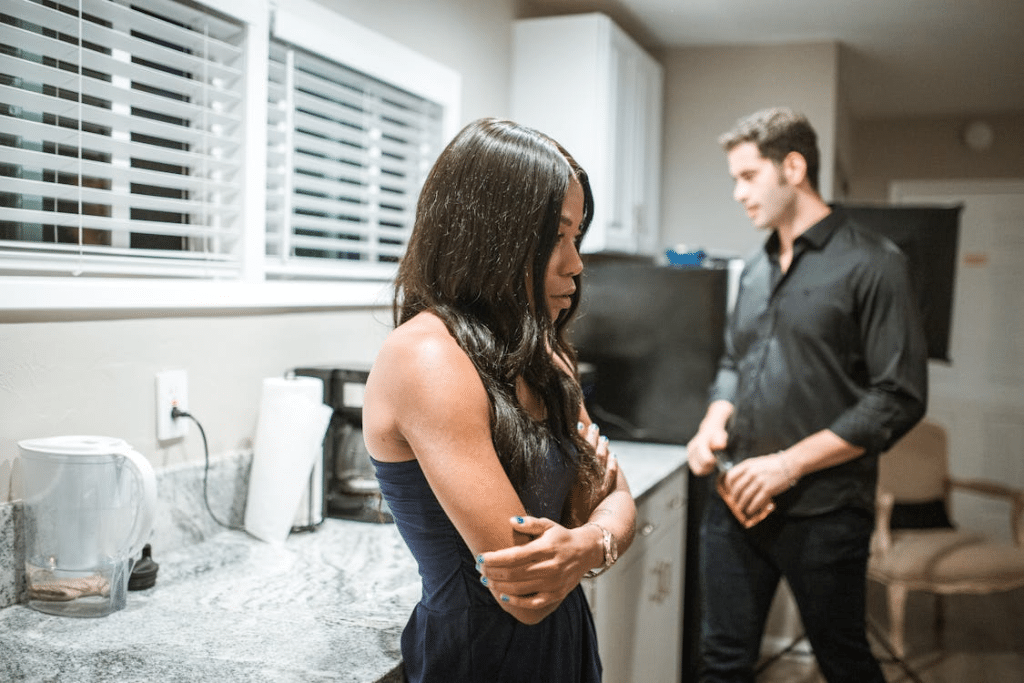
At first, a partner may accept apologies because they still feel hope. Over time, repeated disappointment turns into emotional shutdown. They stop reacting because reacting hurts too much. Numbness looks like calm, but it is often detachment. The apology lands on a partner who no longer feels safe enough to believe. Emotional numbness is often the last stage before distance. A relationship cannot thrive when one person goes cold to survive.
It Signals Low Respect for Consequences

If nothing changes, it implies the consequences do not matter. The partner’s hurt becomes something to manage, not something to avoid. This reads as disrespect, even if unintentional. A sincere person avoids repeating harm because the harm matters. Repetition suggests comfort is prioritized over care. The apology becomes an admission without correction. Respect requires changed behavior.
It Keeps the Relationship in “Crisis Mode”

Constant repair cycles keep the relationship emotionally tense. Even peaceful days feel fragile. The partner stays alert for the next incident. This prevents long-term closeness and relaxation. It also makes small issues feel huge because patience is already thin. A stable relationship needs a baseline of trust. Endless “sorry” keeps the relationship in survival mode.
It Turns Conflict Into a Negotiation Instead of a Boundary

When behavior repeats, the partner starts bargaining for basic needs. They try different words, different tones, different timing. The issue becomes a negotiation, not a boundary. This is humiliating over time because respect should not require persuasion. A boundary is supposed to protect, not beg. When apologies replace change, boundaries lose power. The relationship becomes about endurance, not partnership.
It Creates a False Sense of Growth

Apologies can look like maturity, but they are not evidence of improvement. Some couples mistake emotional conversations for progress. They feel close after talking, then nothing changes in real life. That creates a loop of “we’re working on it” without results. The relationship stays stuck while feeling busy. Real growth leaves proof in habits and outcomes. Without proof, the apology is just talk.
It Makes the Partner Feel Guilty for Still Being Hurt

When someone apologizes repeatedly, the partner can feel pressured to forgive faster. They may feel “mean” for bringing it up again. But the behavior keeps happening, so the hurt keeps renewing. This creates emotional confusion and self-doubt. The partner starts questioning whether their standards are too high. In reality, repeated harm keeps the issue alive. Forgiveness is hard when the pattern stays active.
It Breaks Trust in Character, Not Just the Moment

One-time mistakes can be repaired. Repeated patterns start looking like personality. The partner stops seeing the behavior as accidental and starts seeing it as who the person is. That shift is massive because it changes respect and attraction. Once character trust breaks, love becomes unstable. The apology cannot fix a belief that “this is just you.” Behavior is how character is measured.
It Replaces Repair With Routine

When “sorry” becomes routine, it stops being meaningful. It becomes the predictable script after the predictable harm. The partner stops feeling relief because they know what comes next. Routine apologies create routine disappointment. The relationship becomes a cycle, not a connection. Repair should create progress, not repetition. If the apology does not change the future, it does not repair the past.
What a Real Apology Includes

A real apology names the specific behavior, not a vague “sorry for everything.” It acknowledges impact without defending intention. It includes accountability, not excuses. It also includes a concrete plan for what will change and how it will be maintained. Real apologies invite boundaries and feedback. They do not pressure forgiveness. The strongest apology is the one proven over time.
Why People Apologize Without Changing

Some people apologize because they hate conflict, not because they plan to evolve. Others believe intention matters more than impact. Some are addicted to comfort and resist discomfort required for change. Others are sincere but lack tools, structure, or discipline. None of these excuses remove responsibility. Change requires effort, not emotion. The reason does not matter as much as the pattern.
The Only Thing That Makes “Sorry” Work Again
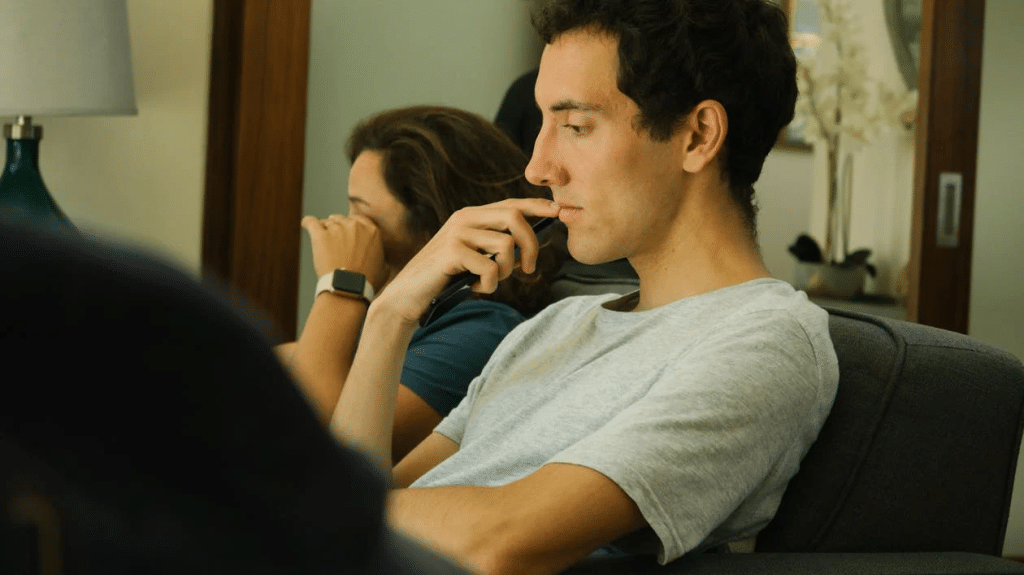
“Sorry” starts working when behavior changes consistently. That often requires systems: reminders, therapy, accountability partners, routines, and measurable agreements. It also requires consequences when the pattern returns. Love without structure often collapses under stress. Change must be repeatable, not occasional. The partner needs evidence, not reassurance. Consistency is what restores trust.
Words Can Heal, But Only When They Match the Pattern

Apologies matter, but they are not magic. When behavior never changes, “sorry” becomes noise, then disrespect, then emotional fatigue. The partner stops believing because believing hurts too much. Real repair is not emotional; it is behavioral. If the relationship is worth saving, the pattern has to change, not just the tone. A consistent change is the apology that finally lands. Without change, the words eventually stop reaching the heart.








Ask Me Anything