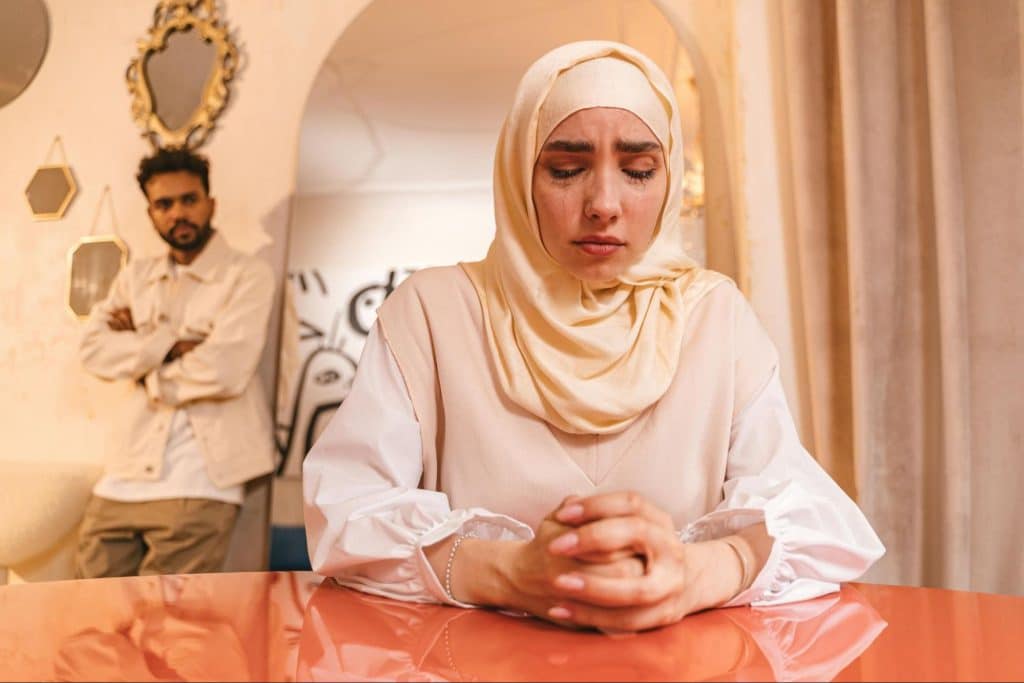
Passion is often at its peak in the early stages of love, fueled by novelty, excitement, and endless curiosity. Over time, marriage introduces new responsibilities, routines, and pressures that can quietly change the dynamic. Many couples are surprised when the intensity fades, even if love and commitment remain strong. This shift isn’t always sudden, it’s usually the result of small changes that accumulate over years. Here are 18 hard truths about why passion often fades after marriage.
Routine Becomes Overwhelming

Daily routines provide stability but can also smother spontaneity. When life revolves around bills, chores, and schedules, romance often gets pushed aside. Partners may fall into predictable patterns where excitement is replaced by habit. Over time, routine dulls the spark that once felt effortless. Passion requires novelty, and routine leaves little room for it.
Stress Steals Energy

Work pressures, financial concerns, and family responsibilities all drain emotional and physical energy. When exhaustion becomes the norm, desire naturally decreases. Stress not only reduces interest in intimacy but also shortens patience for emotional closeness. Couples often discover that passion struggles to thrive in an environment dominated by stress. Without conscious effort, energy for love is replaced by survival mode.
Parenthood Redefines Priorities
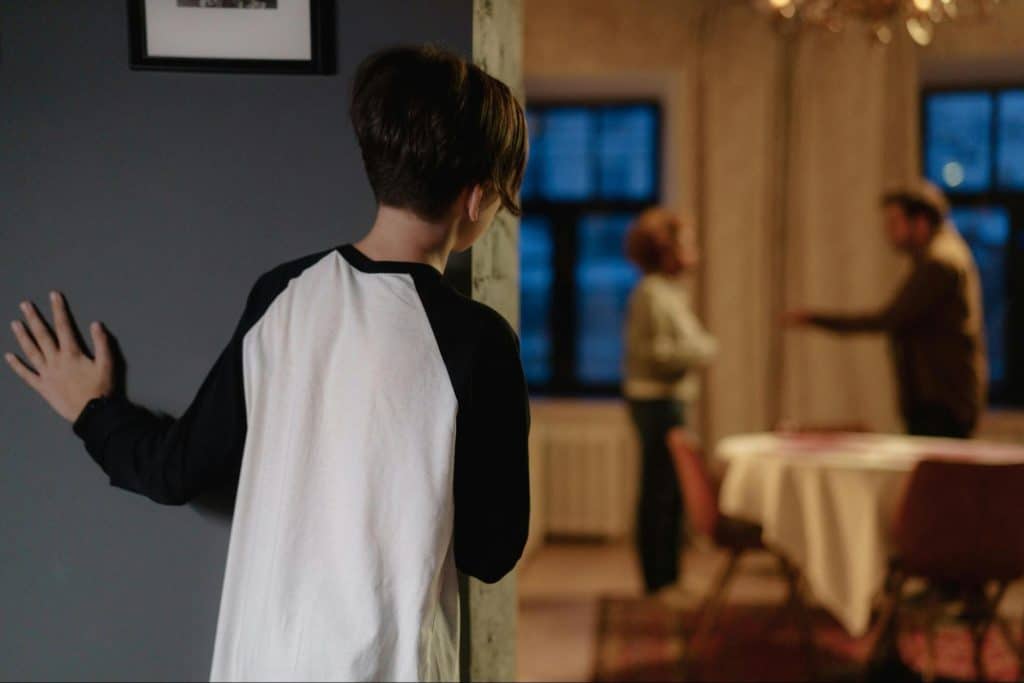
Raising children brings fulfillment but also shifts focus. The attention once given to romance is redirected toward parenting. Couples may unintentionally place intimacy at the bottom of their priorities. Sleepless nights and constant demands leave little room for passion. This adjustment is natural, but it often leaves partners missing the closeness they once shared.
Exhaustion Becomes the Default

When tiredness sets in night after night, passion becomes more of a memory than a reality. Emotional connection feels harder to nurture when physical energy is gone. Over time, exhaustion leads to a cycle of avoidance rather than closeness. Partners may still love each other deeply but lack the vitality for romance. Fatigue becomes a quiet intimacy thief.
Romance Takes a Back Seat
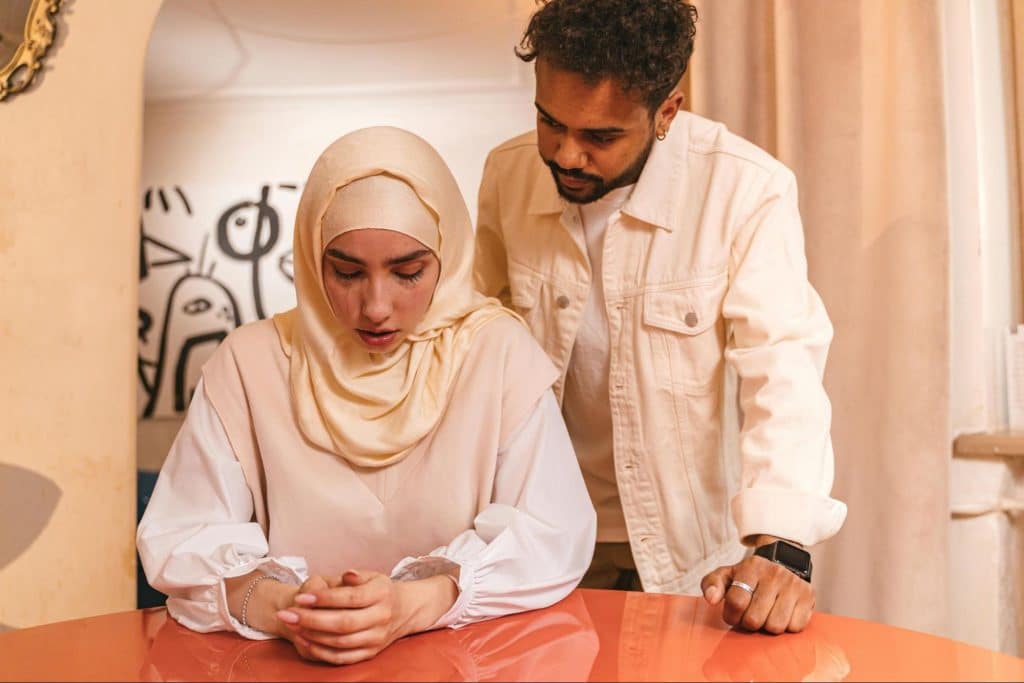
After marriage, the drive to impress often fades. The effort once put into dates, surprises, and affectionate gestures slowly decreases. Couples may assume that love is secure and no longer requires the same level of attention. This neglect creates a gap where passion once lived. Romance withers when it is treated as optional rather than essential.
Intimacy Is Assumed, Not Cultivated

Early in relationships, intimacy feels exciting because it’s actively pursued. Over time, couples may begin to treat it as something automatic. The assumption that closeness will always be there leads to neglect. Intimacy requires ongoing effort and creativity to flourish. Without it, passion loses its foundation.
Work and Ambition Take Over

Career goals can become a dominant force in married life. While ambition is valuable, it often pulls attention away from the relationship. Long hours, travel, and professional stress reduce the energy available for romance. Couples may find themselves prioritizing success over connection. Passion fades when work consistently comes first.
Comfort Turns Into Complacency

Comfort in a relationship is healthy, but too much can become complacency. When effort fades and partners stop trying to impress or surprise each other, attraction declines. Familiarity becomes so routine that it no longer feels exciting. Passion thrives on effort and curiosity, which fade when complacency sets in.
Communication Becomes Transactional

Conversations shift from sharing dreams and feelings to managing tasks and responsibilities. When communication becomes purely functional, emotional closeness suffers. Passion requires more than logistics, it needs emotional depth. Couples often underestimate how much desire depends on meaningful conversation. Over time, this lack of emotional exchange leads to distance.
Unresolved Conflicts Build Walls

Arguments that are brushed aside instead of resolved leave lasting scars. Even small issues can accumulate into silent resentment. Emotional intimacy struggles in an environment of unspoken frustration. Passion rarely survives where bitterness lives. Couples who avoid resolution find themselves more distant than they realize.
Affection Is Overlooked

Passion thrives on small gestures of affection, like holding hands, hugging, or sharing compliments. When these acts disappear, so does much of the emotional warmth. Affection is often one of the first things neglected in long-term relationships. Without it, physical and emotional intimacy both decline. The absence of affection makes passion harder to rekindle.
Expectations Shift Without Notice

In marriage, expectations grow and change, sometimes without discussion. One partner may desire more closeness while the other assumes everything is fine. This mismatch quietly erodes passion. Emotional intimacy fades when partners aren’t aligned on what they need. Unspoken expectations leave passion stranded in silence.
Chemistry Alone Can’t Sustain Love

Many couples believe chemistry will carry them indefinitely. In reality, initial attraction is only the starting point. Without emotional effort and shared growth, chemistry fades. Passion needs nurturing beyond physical desire. Love may remain, but without effort, the spark dwindles.
Marriage Doesn’t Freeze Time

The excitement of early love can’t be preserved exactly as it was. Expecting marriage to “lock in” passion creates disappointment. People evolve, and relationships must adapt with them. When growth isn’t embraced, passion fades under the weight of unrealistic expectations. Marriage requires renewal, not preservation.
Fantasy vs. Reality Becomes Clear

Before marriage, imagination fills in gaps with idealism. After years together, reality replaces fantasy. This shift can feel like a loss of passion, even when the love remains. The difference between expectation and reality often creates disillusionment. Passion suffers when fantasy collides with everyday life.
Forever Love Still Needs Effort

Many assume that once vows are exchanged, passion will naturally endure. But love, like health or success, requires ongoing maintenance. Couples who stop prioritizing intimacy see it slowly fade. Passion doesn’t vanish overnight, it disappears through neglect. Effort is the quiet fuel that keeps it alive.
Resentment Replaces Desire

When unmet needs accumulate, resentment quietly replaces passion. Emotional distance grows stronger than physical attraction. This shift often happens without partners fully noticing. Passion struggles to survive in the presence of bitterness. Healing requires addressing these wounds before they become permanent.
The Spark Can Return With Intention

While passion naturally ebbs, it isn’t gone forever. Couples who recognize its decline can choose to reignite it with effort. Small changes, like prioritizing affection, scheduling quality time, or rediscovering shared interests, can rebuild closeness. Passion doesn’t have to be spontaneous to be meaningful. With intention, it can be rekindled and sustained.
Conclusion

Passion fades in marriage not because love disappears, but because life changes. Stress, routines, and unspoken conflicts slowly reshape closeness. The hard truths reveal that passion isn’t self-sustaining, it needs consistent effort, attention, and renewal. While the fire may not always burn as brightly as in the beginning, it can evolve into a deeper, steadier flame when nurtured. For couples willing to recognize these truths, passion can become not just a memory, but a renewed part of the relationship’s future.








Ask Me Anything