
Midlife introduces new pressures that often build slowly and silently, affecting emotional balance long before anyone acknowledges the change. The weight of responsibilities grows heavier, and stress begins appearing in subtle shifts in tone, patience, and presence. These changes don’t happen because love fades, but because life becomes more demanding than the relationship can buffer. Men often internalize these pressures, believing they must handle them alone. That silence unintentionally creates emotional distance. This introduction explores how midlife stress seeps into relationships through unnoticed cracks rather than dramatic conflict. The signs aren’t always obvious, but the impact gradually reshapes connection.
Financial Pressure Becomes a Constant Background Noise

Midlife often brings heavier financial responsibility, mortgages, aging parents, children’s needs, future planning, and the pressure rarely gets spoken. Even when things are “fine,” the quiet mental math never stops. Stress shows up in distraction, shorter patience, or emotional shutdown after long workdays. It’s not intentional distance; it’s cognitive overload. When financial stress grows, emotional availability shrinks without warning. The relationship absorbs pressure that was never discussed out loud.
Work Demands Cut Into Emotional Energy

Careers often peak in intensity during midlife, demanding more time, attention, and mental space. Even when men are physically present, the mind stays attached to unresolved tasks or workplace tension. This creates a subtle disconnection that partners can sense immediately. Work stress doesn’t always lead to arguments; it leads to emotional absence. Over time, emotional bandwidth diminishes, and the relationship feels the strain before the man even recognizes it. The imbalance grows quietly, day after day.
Aging Parents Create Unexpected Emotional Load

Supporting aging parents introduces a new layer of responsibility that many men underestimate. Worry, caregiving demands, and guilt often compete with relationship needs. It becomes difficult to balance being a partner while also stepping into a caretaker role. The emotional toll slips into daily interactions, reducing patience and increasing irritability. This stress doesn’t come from the partner, but it lands on them anyway. The shift happens gradually, making it hard to recognize until the relationship feels weighed down.
Health Concerns Become Harder to Ignore

Midlife often reveals health issues, sleep problems, blood pressure changes, energy loss, aches, that chip away at confidence and emotional steadiness. Even mild concerns create quiet anxiety, which affects mood and connection. Men often downplay symptoms, believing they’re manageable, yet the stress leaks into everyday interactions. Reduced energy leads to shorter emotional capacity, even without realizing it. Partners feel the shift long before the man admits something is wrong. Health worries have a way of draining emotional presence without ever being discussed.
Career Stagnation or Uncertainty Hits Harder

Feeling stuck or undervalued at work carries emotional weight that follows men home. It creates frustration and self-doubt that quietly spill into the relationship. Confidence dips, motivation shifts, and irritability increases without clear cause. The pressure of feeling behind peers or questioning professional direction becomes a hidden emotional drain. Even small relationship issues feel magnified when career stability feels fragile. This internal struggle often goes unspoken but deeply affects connection.
Burnout Changes How He Shows Up Emotionally

Burnout doesn’t always show as exhaustion, sometimes it shows as emotional flatness. Conversations feel heavier, affection feels forced, and the smallest requests feel overwhelming. It’s not a lack of love but a lack of internal reserve. Burnout shrinks patience, increases withdrawal, and reduces enthusiasm for shared moments. The relationship interprets these changes as disinterest when they often stem from emotional depletion. Burnout is one of the quietest but most powerful stressors in midlife.
Sleep Issues Erode Emotional Stability

Poor sleep becomes more common with age, and its impact on mood is significant. Even minor sleep deficits create irritability, foggy thinking, and reduced tolerance for stress. Emotional engagement becomes harder when basic rest is compromised. What seems like moodiness is often physical exhaustion. Over time, chronic fatigue disrupts communication and connection. Sleep deprivation silently reshapes the tone of the relationship.
Feeling Underappreciated Becomes More Sensitive

At midlife, men often feel their efforts go unnoticed, at work, at home, or by family. That quiet feeling of being undervalued amplifies emotional withdrawal. Small comments sting more, and lack of recognition weighs heavier. When appreciation fades, emotional investment gradually follows. This creates a distance that can be mistaken for coldness. It’s not about resentment, it’s about emotional fatigue from giving without feeling seen.
Identity Shifts Create Internal Confusion

As roles evolve, provider, father, partner, son, men often question who they are and whether they’ve lived up to their own expectations. This internal shift creates uncertainty that spills into the relationship. Emotional grounding becomes harder when identity feels in transition. Partners feel this confusion as inconsistency or unpredictability. The struggle isn’t about the relationship but about a man trying to understand himself. Internal change always disrupts relational rhythm.
Friendships Fade, Increasing Emotional Pressure

Men often lose social support systems as they age, whether from busyness, relocations, conflicts, or natural drift. With fewer outlets for emotional expression, the relationship becomes the default place to unload, or shut down. This creates unfair pressure on the partner, even unintentionally. Isolation amplifies stress, magnifying every emotion. The lack of external support quietly impacts how he shows up at home.
Future Uncertainty Creates New Anxiety

Questions about retirement, health, aging, and long-term stability begin to surface. These thoughts linger in the background, influencing mood and emotional steadiness. Worry becomes a quiet companion that affects how men communicate and engage. Even without talking about it, uncertainty shapes how secure they feel in the relationship. The weight of the unknown silently enters shared moments.
Physical Slowing Affects Confidence

Changes in stamina, strength, or appearance often affect how men perceive themselves. Confidence dips lead to withdrawal or reduced vulnerability. Intimacy becomes less about desire and more about self-consciousness. Partners may interpret this as disinterest, but it’s often insecurity. Physical changes carry emotional consequences that spill into communication and closeness. Confidence and connection are deeply intertwined.
Responsibility Overload Shrinks Emotional Space

Midlife often combines work stress, family obligations, household demands, and financial pressure. Together, they create emotional overload that leaves little space for tenderness or conversation. A man may not notice how thinly stretched he’s become until the relationship feels tense. Overcommitment quietly erodes presence, making emotional closeness feel like another task. Love doesn’t disappear, capacity does.
Fear of Failure Intensifies Quietly

At midlife, mistakes feel heavier and risks feel more expensive. This creates a quieter, more internal fear that affects decision-making and emotional openness. He becomes cautious, guarded, or overly controlled in ways that spill into the relationship. Even routine disagreements feel more loaded. Fear reduces vulnerability, which in turn reduces connection. It’s a chain reaction few men realize is happening.
Emotional Bottling Becomes Habitual

Midlife stress teaches men to suppress rather than share. Feelings get stacked, then buried, then forgotten, until irritability or withdrawal appear without explanation. This emotional bottling isn’t intentional avoidance; it’s learned survival. But the relationship feels the effects long before the man acknowledges them. Emotional quietness creates confusion, distance, and tension. Suppressed stress always emerges somewhere.
Small Misunderstandings Hit Harder
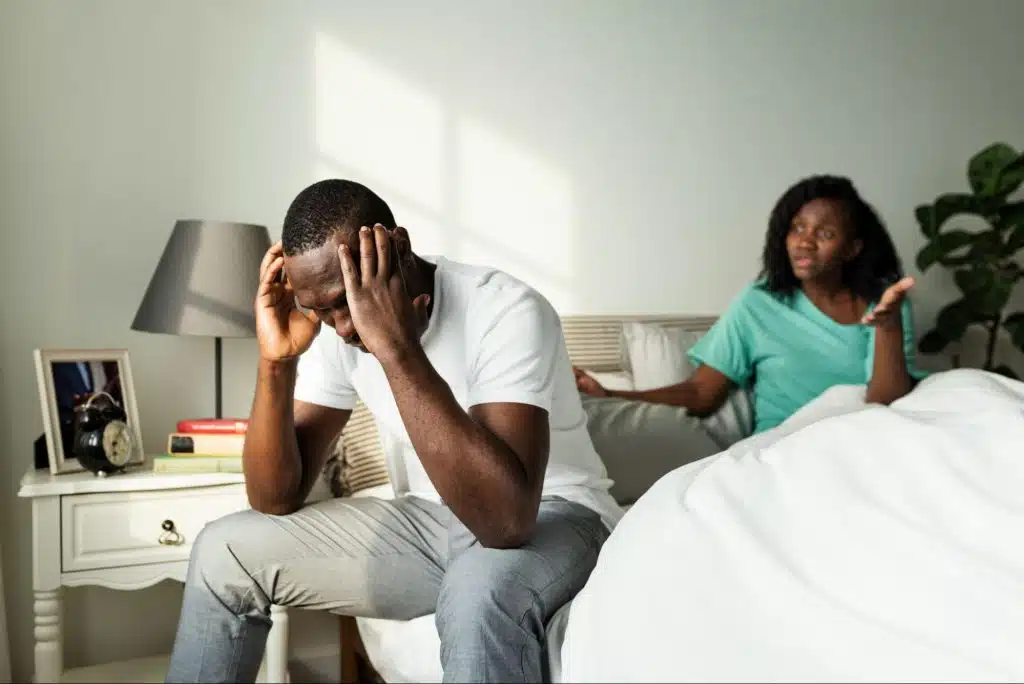
When stress rises, even minor relationship issues feel amplified. Comments land differently, tone feels sharper, and neutral moments feel charged. It becomes harder to assume good intentions. Small conflicts turn into emotional friction because stress lowers resilience. The relationship becomes more reactive without a clear reason why. Midlife stress magnifies everything it touches.
Conclusion – Stress Doesn’t End Love – But It Changes It

Midlife stress doesn’t break relationships on its own, but it reshapes how partners communicate, connect, and understand each other. These stressors rarely announce themselves; they weave quietly into tone, presence, and daily interactions. None of this signals weakness or failure, only humanity under pressure. Recognizing these shifts early helps prevent distance from turning into disconnection. Awareness allows men to reclaim emotional balance and rebuild connection in ways that are honest, grounded, and sustainable.








Ask Me Anything