
Mental health is a basic part of overall well-being, yet talking about it does not feel easy for everyone. For many men, discomfort around mental health develops slowly through everyday expectations and repeated social messages. These patterns can influence how emotions are handled or expressed without being obvious at first. In some cases, friends or family may notice changes in mood or behavior before the individual does. The slides that follow explore why mental health remains a sensitive topic for men and how these patterns take shape over time. Awareness of these early signs can support clearer understanding and earlier recognition.
Mental Health as a Shared Human Concern

Mental health affects people of all ages and backgrounds. Emotional strain often builds quietly through daily habits rather than sudden events. Small patterns in communication and coping can shape how mental health is handled over time. These changes may not be obvious at first. Friends or family members may notice shifts before the individual does. Looking at why mental health feels sensitive for many men helps bring these patterns into focus.
Early Social Expectations

Beliefs about emotional expression often begin forming early in life. Many boys grow up with messages that emphasize calmness, strength, or independence. Emotional expression may receive less reinforcement or encouragement in everyday situations. Over time, these messages can shape comfort levels around discussing feelings. What begins as social guidance can gradually turn into habit. These early patterns often continue into adulthood and influence later emotional behavior.
Emotional Expression Is Not Always Visible

Emotional expression can vary widely between individuals. Some men tend to show emotion through behavior or actions rather than verbal communication. Others may limit visible reactions as a way to maintain composure. These styles can make emotional challenges less noticeable to others. As a result, limited expression is sometimes mistaken for emotional distance. In many cases, emotional experience exists even when it is not openly expressed.
Cultural Views on Strength

Ideas about strength are often connected to endurance and self-control. Emotional openness does not always fit within these expectations. As a result, discussions about mental health may feel uncomfortable or unfamiliar. Cultural messages and media often reinforce these views over time. Gradually, limited emotional expression can begin to feel normal. These social influences play a strong role in shaping comfort with emotional topics.
Language Limitations

Discussing mental health often depends on having clear emotional language. Some men may find it difficult to name or describe what they feel. Emotional discomfort can instead appear as stress, tension, or irritability. Without clear labels, conversations about emotions become harder to start or maintain. This can make feelings seem unclear or difficult to sort through. These language limits often develop gradually over time.
Workplace Influences

Many work environments emphasize focus, reliability, and consistency. Emotional concerns are often treated as private rather than shared topics. This can discourage open discussion about mental strain or stress. As a result, some men may place greater priority on performance than emotional expression. Over time, silence around mental health can become routine. Workplace culture often influences behavior beyond working hours.
Social Comparison

People often compare themselves to others. Seeing peers appear unaffected by stress can reduce openness. Emotional restraint may become a shared norm. This can limit conversation around mental health. Comparison often happens quietly. Group behavior influences individual choices.
Fear of Being Misunderstood

Mental health discussions can feel uncertain. Concerns about judgment or misinterpretation may arise. This can lead to avoidance of the topic. Over time, avoidance becomes a habit. Sensitivity often reflects caution. Many men weigh risks before speaking openly.
Emphasis on Independence

Independence is often valued highly. Managing challenges alone may be viewed positively. This can limit help-seeking behavior. Emotional self-reliance may become part of identity. While independence supports stability, it can reduce openness. Balance varies across individuals.
Delayed Recognition of Stress

Mental strain does not always show clear signs. Stress may build beneath stable routines. Emotional or physical effects can appear later. Others may notice changes first. Delayed awareness is common. Timing differences affect how mental health is perceived.
Media Influence

The media often shows limited emotional expression in men. Strength is frequently shown through action rather than discussion. These images influence expectations. Emotional complexity may receive less attention. Repeated exposure reinforces narrow norms. The media plays a quiet but steady role.
Family Communication Patterns

Family environments shape emotional habits. Some families encourage open discussion. Others avoid emotional topics. These patterns often continue into adulthood. Silence may feel familiar rather than intentional. Family influence remains strong over time.
Physical Activity as an Outlet

Physical activity is a common way to manage stress. Exercise can support mood and structure. Emotional concerns may be redirected into physical effort. While helpful, this may not address emotional clarity. Physical outlets and emotional awareness often coexist. Balance differs by individual.
Stigma and Misinterpretation

Mental health topics are often surrounded by social stigma. Concerns about labels or judgment can discourage open discussion. This stigma usually operates quietly rather than openly. As a result, silence around mental health can become socially accepted. Over time, this pattern reinforces sensitivity around emotional topics. Social and cultural context plays a key role in shaping comfort levels.
Differences in Emotional Timing

People recognize emotions at different speeds. Some notice early signs of strain. Others become aware later. These differences affect communication. Delays can be misunderstood. Emotional timing varies widely.
Impact on Relationships

Limited emotional expression can affect relationships. Partners or friends may perceive distance. These effects are often unintentional. Communication gaps may grow slowly. Relationship strain often reflects broader patterns. Awareness can clarify these dynamics.
Generational Shifts

Attitudes toward mental health are changing. Younger generations often show more openness. Older norms may still influence behavior. Change happens gradually. Generational differences shape comfort levels. Awareness continues to grow over time.
The Role of Privacy
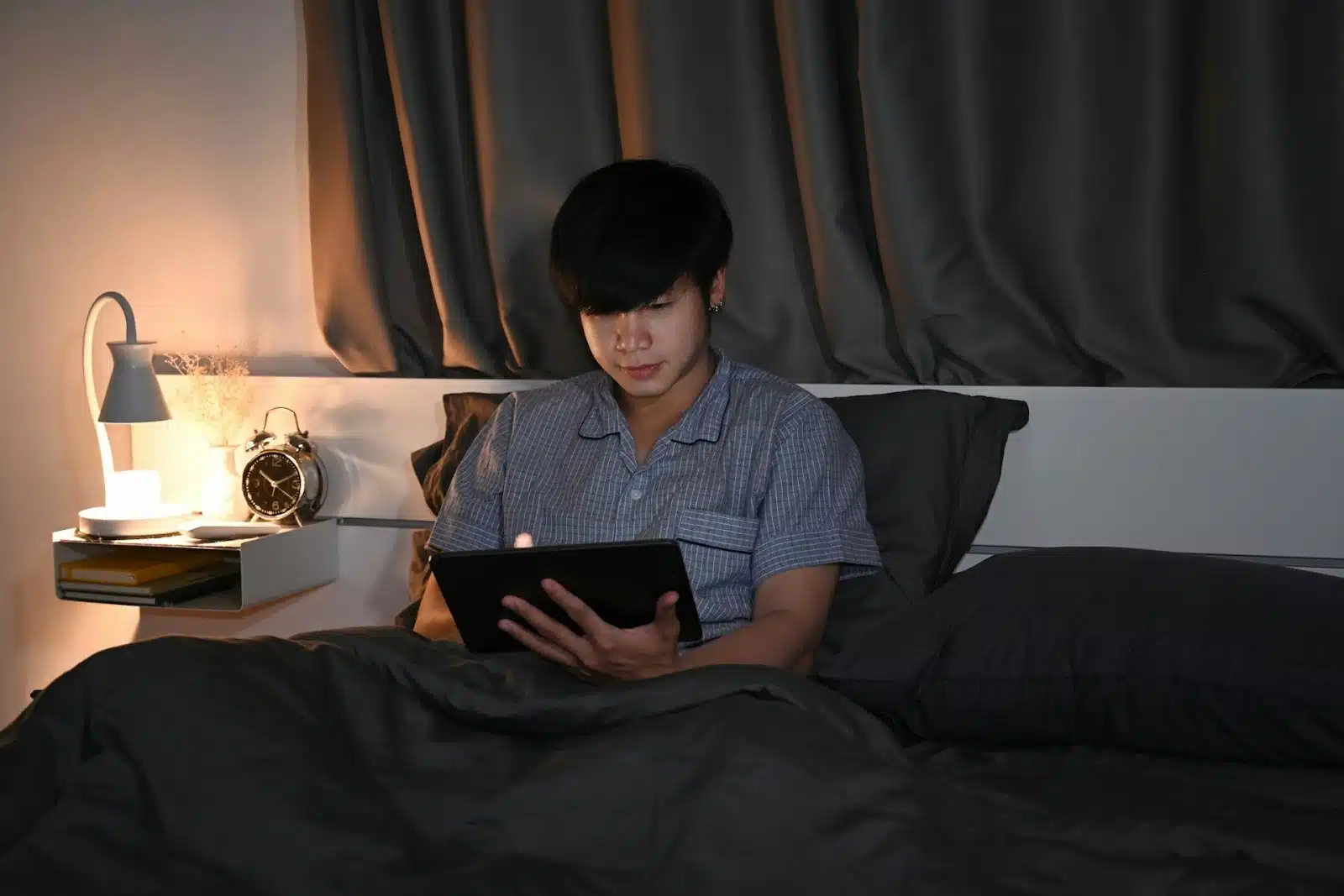
Privacy is valued differently across individuals. Some men prefer limited emotional disclosure. Privacy can support reflection and control. At the same time, it may reduce shared understanding. Privacy preferences influence sensitivity levels. These tendencies are often consistent over time.
Awareness Without Disclosure

Awareness does not always lead to conversation. Some men recognize emotional strain privately. This internal awareness can still shape behavior. Silence does not mean lack of concern. Emotional processing may remain personal. Understanding this reduces misinterpretation.
Mental Health Sensitivity as a Pattern

Mental health sensitivity among men reflects repeated social and emotional patterns. These patterns develop gradually through experience and expectation. They are shaped by culture, language, and environment. Viewing sensitivity as a pattern reduces misunderstanding. Greater awareness supports clearer interpretation of behavior. Recognizing these dynamics helps contextualize silence rather than define it.








Ask Me Anything