
Marriages change over time, and so do men. What once felt effortless can slowly turn into frustration or distance. Many couples hit a point where the spark fades, not because of one event but a combination of habits and patterns. Understanding why men lose interest can prevent regret later. This list breaks down the common reasons men pull away and helps you spot the warning signs early.
Neglecting Self-Care

Men are attracted to partners who take care of themselves physically, mentally, and emotionally. When self-care disappears, the relationship can feel heavy or one-sided. He notices changes in energy, confidence, and attitude. Maintaining personal health and passions keeps the connection lively. Self-care isn’t selfish; it’s relational.
Past Resentments

Old hurts linger and shape present interactions. Men notice when unresolved issues continue to color daily life. Resentment builds walls silently but surely. Addressing past problems honestly, without blame, clears space for reconnection. Letting go of grudges allows men to re-engage fully.
Routine Replaces Romance
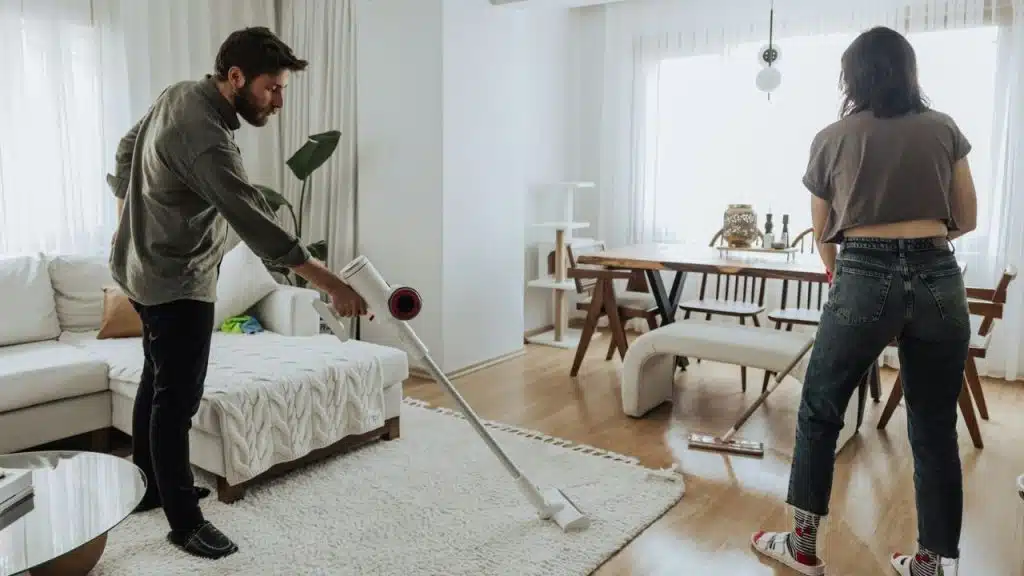
Life gets predictable, and excitement fades. Men often lose interest when every day feels the same, and the marriage becomes a checklist. Surprise dates, little gestures, and shared adventures slowly disappear. Without new energy, he might start seeking engagement elsewhere or mentally checking out. Keeping life fresh doesn’t need grand gestures but small, consistent effort.
Lack of Emotional Connection

Men need emotional closeness to feel connected. If conversations are surface-level or feelings are ignored, he may withdraw. Emotional distance doesn’t happen overnight but builds silently over months and years. When he feels unseen or misunderstood, his mind drifts, and engagement drops. Staying emotionally present is often more important than any material gift.
Constant Criticism

Frequent criticism makes anyone retreat. Men notice when every action is judged, or when nothing they do is appreciated. Over time, he may stop sharing thoughts or ideas to avoid conflict. A critical tone replaces warmth and diminishes interest. Encouragement and acknowledgment go much further than pointing out flaws.
Loss of Physical Intimacy

Sexual connection is tied closely to emotional connection for many men. When intimacy declines, it can affect his overall investment in the marriage. Physical closeness keeps energy, playfulness, and reassurance alive. Ignoring this need can make him feel distant or unwanted. Regular attention to intimacy signals care beyond daily responsibilities.
Financial Stress

Money problems weigh heavily on men in midlife. Disagreements over spending, saving, or lifestyle can cause frustration that seeps into the relationship. He may withdraw to avoid arguments or because he feels trapped. Financial tension doesn’t just stress the wallet; it stresses the bond. Clear communication and shared planning prevent resentment from taking hold.
Feeling Unappreciated

Men notice when their efforts are taken for granted. Doing the right things without acknowledgment builds quiet resentment. Feeling unrecognized can shift his focus away from contributing to the marriage. Simple gratitude or a small acknowledgment keeps him engaged and motivated. Appreciation often outweighs grand gestures in maintaining interest.
Different Life Priorities

Over the years, interests and goals can diverge. If your paths no longer align, he may feel disconnected or misunderstood. Differences in career focus, hobbies, or personal ambitions can create invisible walls. Without shared purpose, emotional investment declines naturally. Periodically realigning goals can prevent this drift.
Emotional Burnout
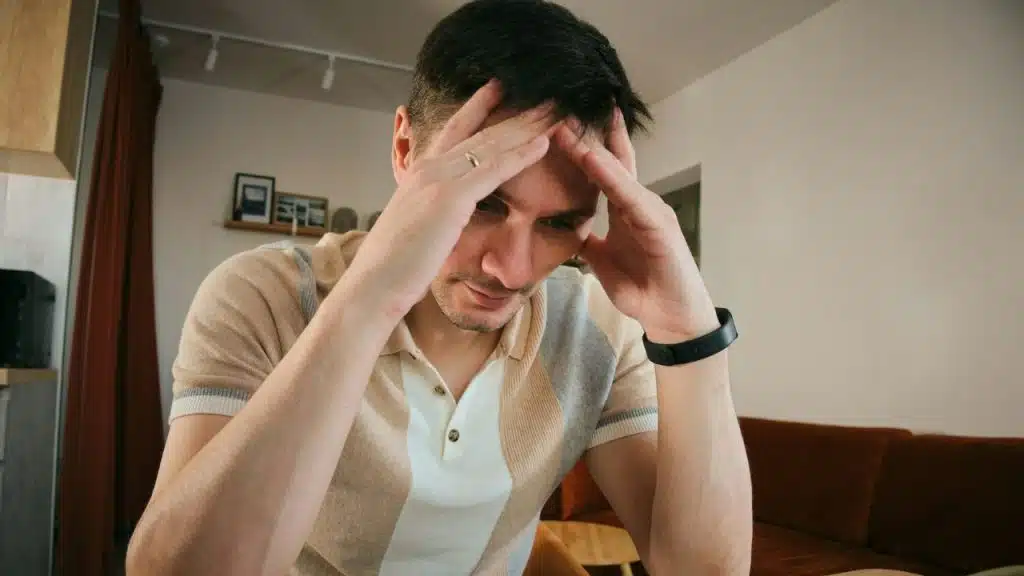
Carrying the emotional weight of the marriage alone drains anyone. If he feels like he must always manage feelings, conflicts, or moods, he may check out. Emotional labor should be shared. Allowing space for both partners to carry responsibility prevents disengagement. Balanced energy keeps men present and interested.
Feeling Controlled

Overly controlling behavior triggers resistance. Men value autonomy and may retreat when choices feel dictated or micromanaged. Control stifles trust and curiosity. Allowing freedom while maintaining boundaries strengthens connection. Healthy respect for individuality keeps men invested.
Unmet Needs for Respect

Respect is a core need for many men. When respect fades, so does interest. Disrespect can take many forms: dismissing opinions, belittling ideas, or public criticism. Upholding respect encourages openness, collaboration, and closeness. He stays engaged when he feels valued.
Unhealthy Communication Patterns

Passive-aggressiveness, stonewalling, or avoidance make connection impossible. Men often pull back when communication feels unsafe or draining. Direct, clear, and calm communication fosters intimacy. Breaking negative patterns early protects both partners from long-term disengagement.
Boredom in Relationship

Routine without challenge or excitement leads to mental check-out. Men crave growth and shared experiences. Without stimulation, attention drifts to hobbies, work, or external interests. Injecting new activities or learning together can reignite connection. Variety keeps curiosity and engagement alive.
External Distractions

Work, hobbies, or outside obligations compete with marriage. Men unintentionally shift focus when life pulls in multiple directions. Balancing priorities while reserving time for connection matters. Awareness of competing demands prevents emotional distance from forming.
Feeling Taken for Granted

Men may lose interest if their efforts feel automatic or expected. Feeling unseen makes contributions feel meaningless. Recognition and gratitude keep engagement steady. Small gestures of acknowledgment create large impacts over time.
Neglect of Shared Goals or Vision

Men invest in relationships that feel purposeful. When shared vision fades, enthusiasm diminishes. Aligning on goals, dreams, and plans maintains connection. Regular conversations about shared direction reinforce commitment.








Ask Me Anything