
You said something, and immediately, without thinking, you apologized. Even when it wasn’t really your fault. It’s like your brain jumps straight to “sorry” while your real feelings stay locked inside. You shrug it off, hoping it will smooth things over, but deep down, you feel unheard or misunderstood. Maybe you even wonder why you can’t just say what really hurts instead of always apologizing. This can mess with your dating life, make women misread your confidence, and leave your emotions bottled up.
Fear Of Conflict

You hate tension more than anything. Even a small disagreement makes your chest tighten. Apologizing instantly feels like the easiest escape hatch to calm things down. You want to avoid arguments at all costs, so your reflex is to smooth things over fast. The problem is, your real feelings don’t get a chance to breathe. Every time you swallow your hurt, you reinforce that apologizing is safer than expressing yourself.
Learned Behavior From Childhood

You probably grew up learning that “being nice” gets you approval. Saying sorry became your shortcut to acceptance without even thinking about it. Over time, it turned into autopilot whenever a conflict appears. Your brain associates expressing hurt with trouble or punishment. Apologizing is automatic because that’s how you survived emotionally as a kid. Those childhood habits carry straight into your dating life. You end up silencing your feelings instead of talking them out.
Pressure To Be The Strong One

You’ve internalized that men are supposed to be tough and stoic. Showing hurt feels like admitting weakness. Apologizing instead of expressing pain keeps up your “strong guy” image. You avoid looking vulnerable because society taught you it’s risky. Saying sorry is your way to navigate emotions without losing face. Your feelings stay buried, and relationships feel surface-level. Real intimacy can’t grow when you’re constantly masking hurt.
Desire To Keep Women Comfortable

You notice how women respond to tension and try to keep things easy. Apologizing instantly is your way of keeping them happy and maintaining a positive mood. You’re prioritizing their comfort over your own feelings. It works in the short term, but hides your authentic reactions. Eventually, it can make women sense a disconnect they can’t explain. You want harmony, but it comes at the price of emotional honesty. Expressing your hurt carefully can actually build more trust than a quick sorry.
Difficulty Identifying Your Emotions
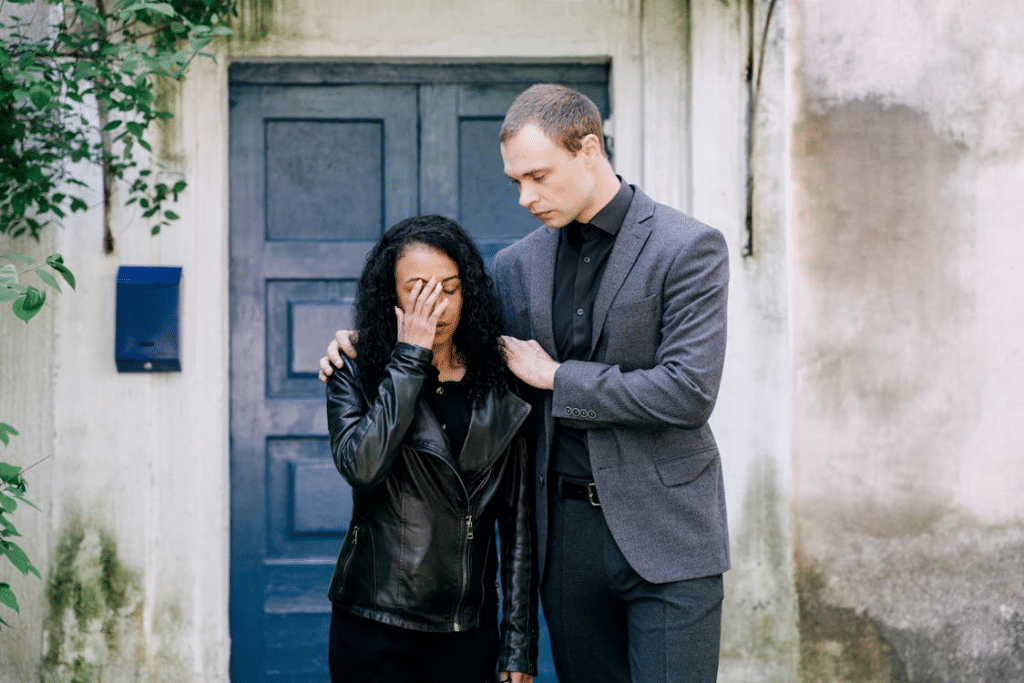
Sometimes you don’t even know you’re hurt. Your chest feels tight, or you’re irritated, but you can’t put it into words. Apologizing becomes easier than trying to unpack what’s going on inside. You’ve spent years bypassing feelings instead of naming them. That makes expressing real hurt feel awkward or overwhelming. Each automatic apology is a way to keep emotions at bay. The challenge is learning to pause and figure out what’s actually bothering you. Naming your feelings is the first step toward being fully understood.
Fear Of Rejection Or Abandonment
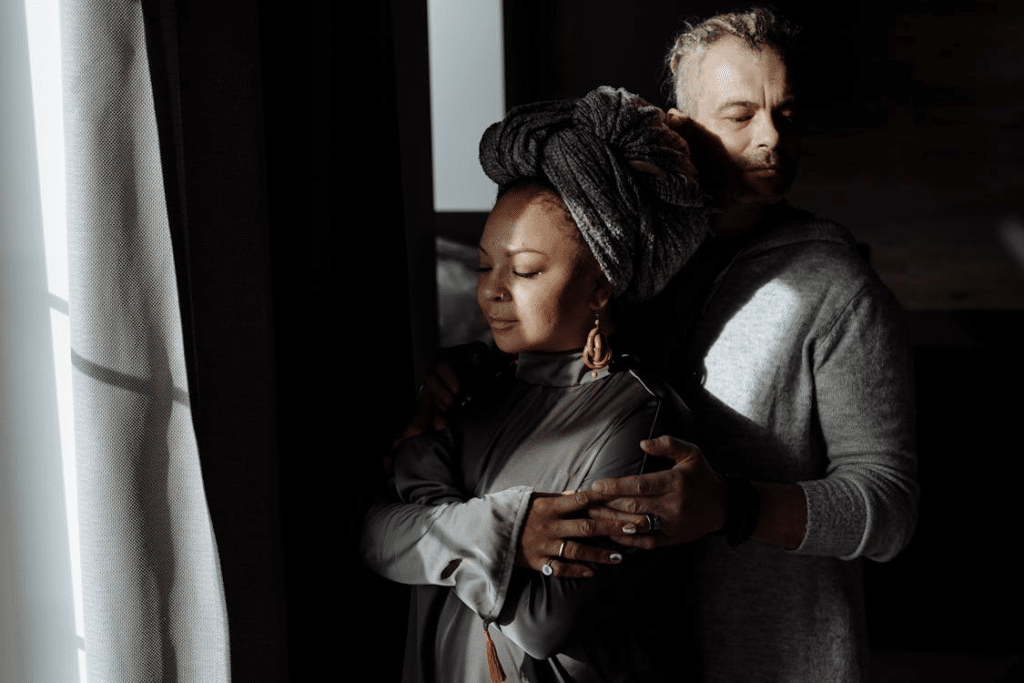
You worry that showing pain will push people away. Saying sorry feels safer because it preserves the connection. You tell yourself, “If I admit hurt, they might leave,” so you bury it instead. That fear drives you to prioritize harmony over honesty. Over time, apologizing becomes a reflex, not a choice. The irony? Bottling up hurt can actually create distance in relationships. Learning to express your pain carefully reduces anxiety and builds trust.
Habits Reinforced By Dating Dynamics

Dating teaches you quickly that conflict can feel high-stakes. Women may respond better to quick fixes than emotional explanations. Your brain picks up on that and learns: apologize first, talk later. Over time, it becomes automatic, and your feelings stay on mute. You want smooth interactions, but you trade real connection for short-term peace. That habit can make you feel misunderstood or frustrated. Recognizing the pattern is the first step to breaking it.
Low Emotional Vocabulary

You feel hurt but struggle to explain it without sounding overdramatic. Saying sorry is simpler than trying to articulate complex emotions. It’s like using a shortcut when you don’t have the words ready. Over time, this habit reinforces the idea that apologizing is easier than opening up. You want to express yourself without creating drama, so you default to the safe route. The key is building the language to name what you feel. Once you do, you stop apologizing just to cover discomfort.
Desire To Be Liked

You want women to enjoy your company and think positively about you. Apologizing instantly feels like proof you’re considerate. It’s a fast way to get approval without risking conflict. The downside is that you can come across as less confident or authentic. You may even hide your true opinions or hold back to keep the vibe light. Over time, people notice the pattern. Being authentic, even when it’s uncomfortable, earns more respect than constant apologies.
Avoidance Of Vulnerability

Expressing hurt feels raw and risky. You avoid that feeling by apologizing instead. It’s a shield that keeps your emotions under control. Saying sorry instantly avoids the messy parts of connection. You might think it protects you, but it also blocks intimacy. Vulnerability is hard, but it’s the only way to feel fully seen. Each quick apology is a reminder that hiding hurt comes at a cost.
Conflict With Male Social Conditioning

Men are taught to suppress emotions and stay “cool.” Showing hurt can feel like breaking a rule. Apologizing aligns with what society says is acceptable behavior. Expressing real pain can feel too sensitive or unmanly. You’ve internalized these messages, so emotional honesty feels unnatural. Over time, apologizing becomes your default because it’s socially “safe.” Breaking that conditioning requires conscious effort.
Impatience With Emotional Conversations

Talking about hurt takes time and feels messy. You want quick fixes, so you apologize instantly. Avoiding the slow, uncomfortable process keeps your world calm. You hate pauses or awkward explanations. Apologizing feels efficient and avoids prolonged tension. The problem is, this habit keeps emotions bottled up. Slowing down and talking honestly creates a deeper connection, even if it feels awkward at first.
Protecting Your Ego

Apologizing can be a defensive move to protect your ego. Admitting hurt feels like giving up control. Saying sorry gives the illusion of smoothness and avoids conflict. It protects you from judgment or criticism. But every time you mask your feelings, you reinforce emotional hiding. Your ego stays intact, but your relationships miss depth. Learning to express hurt without ego threats is key.
Habit From Past Relationship Trauma
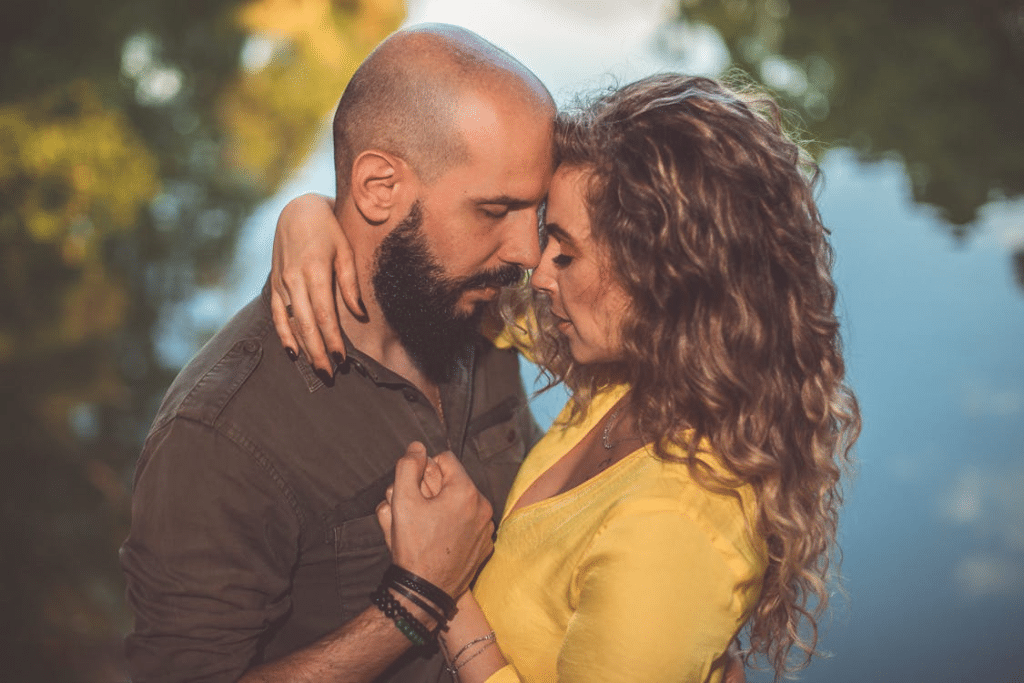
Previous relationships may have punished emotional honesty. Saying sorry became your survival tactic instead. You learned to put others first, even when it hurt. Over time, it became a default habit. Every new relationship reinforces this reflex if you’re not aware of it. Recognizing the pattern helps you stop repeating it. You can break the habit and show both empathy and authenticity.
Anxiety About Miscommunication

You worry that expressing hurt will be misunderstood. Apologizing feels simpler and safer. It reduces the chance of escalating tension. Your brain prefers a quick fix over digging into messy feelings. The risk of misinterpretation makes emotional honesty scary. But constant apologies don’t solve the problem. They hide it. Learning to communicate clearly builds trust without anxiety.
Desire To Maintain Peace At All Costs

Your brain prioritizes calm over authenticity. Apologizing instantly keeps the environment smooth. You avoid tension even when it costs emotional clarity. The habit can make relationships feel surface-level. Peace is nice, but over time, unspoken hurt builds resentment. Expressing hurt strategically actually strengthens trust and connection.








Ask Me Anything