
Jealousy has always existed, but it feels sharper now because modern relationships are more exposed, ambiguous, and comparison-heavy. Many people are not just competing with another person, they are competing with an entire lifestyle narrative online. Jealousy also hits harder when trust is thin and boundaries are unclear. It is not always about insecurity; sometimes it is the nervous system reacting to real risk signals. The problem is that most couples treat jealousy like a character flaw instead of a communication problem. When jealousy gets ignored, it often turns into control, distance, or quiet resentment. These reasons explain why it feels more intense now—and why it’s harder to “just get over it.”
Social Media Makes “Competition” Feel Constant

In the past, most competition was local and occasional. Now people see attractive strangers, flirty comments, and curated lives every day. Even harmless scrolling can trigger the brain’s comparison system. The mind starts asking, “Am I enough?” without anyone saying a word. Jealousy grows when attention feels publicly available to everyone else. The visibility makes small interactions feel bigger than they are. It is hard to feel secure when the relationship is always on display.
DMs Create Private Worlds Inside Public Platforms

A comment is visible, but a direct message is hidden and intimate. This private lane makes people suspicious even when nothing explicit is happening. The secrecy potential alone can trigger fear and hypervigilance. Many partners worry less about what is said and more about what is concealed. DMs also make emotional closeness easier to build quietly over time. Jealousy hits harder when the risk feels invisible and untrackable. Hidden lanes create loud anxiety.
Modern Dating Norms Normalized Ambiguity
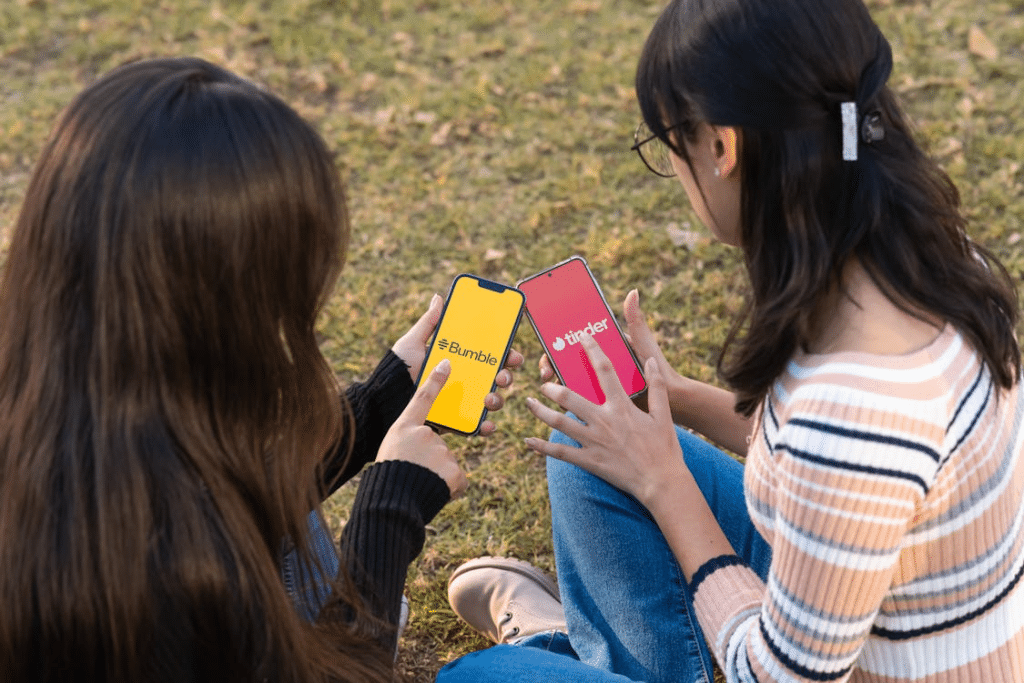
Many people now treat undefined relationships as standard. “Just talking” and “seeing where it goes” can last too long without clarity. Ambiguity makes people feel replaceable instead of chosen. When the label is unclear, jealousy becomes the brain’s attempt to protect attachment. Partners end up monitoring behaviour instead of trusting commitment. Jealousy feels stronger when security is never explicitly built. Clarity is the antidote most couples avoid.
People Keep Backup Options More Than They Admit

Some people maintain “friendly” connections that are actually insurance policies. They keep the door open without calling it disloyal. This creates an undercurrent of emotional bargaining in the relationship. Even if it is subtle, partners sense when they are being held “for now.” Jealousy spikes when commitment feels conditional. The fear is not only betrayal, it is replaceability. A relationship cannot feel safe when exit options are constantly warmed up.
Flirting Got Rebranded as “Just Being Friendly”
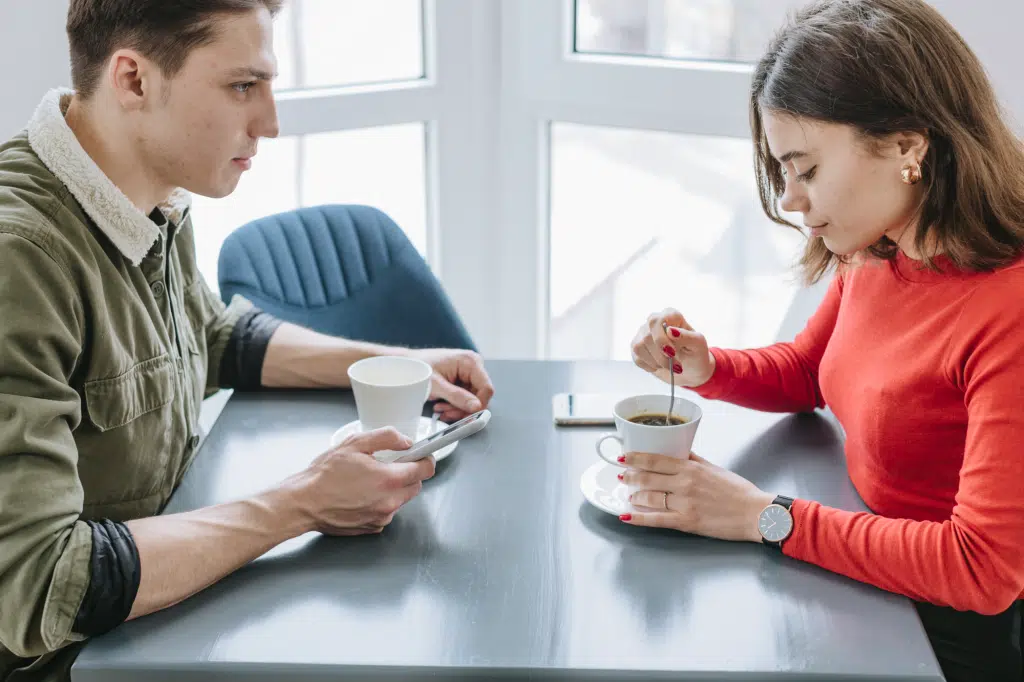
Many people blur the line between friendly and flirtatious to avoid accountability. They hide behind humour, emojis, or “that’s just my personality.” This makes jealousy worse because boundaries become debatable instead of firm. Partners then feel guilty for reacting, even when the behaviour is disrespectful. Jealousy hits harder when the other person refuses to name the line. If the line is always moving, trust cannot settle. Confusion is gasoline for jealousy.
Past Betrayals Made People Faster to Detect Patterns

Many adults have already been lied to, ghosted, or replaced once. That history changes the nervous system’s sensitivity. The brain starts scanning for familiar warning signs, even in new relationships. This can look like “overreacting,” but it is often learned pattern recognition. Jealousy becomes protective rather than dramatic. The issue is that old wounds can interpret neutral things as threats. When fear is layered onto new love, jealousy becomes louder.
Attention Is Now a Currency People Fight Over

Likes, compliments, reactions, and validation feel like micro-rewards. Some people chase them without thinking about relationship impact. When a partner gives attention outward, it can feel like emotional leakage. Jealousy rises when attention feels scarce at home but abundant elsewhere. This is not about controlling anyone, it is about feeling deprioritized. Attention signals value more than words do. Where attention goes, attachment follows.
Couples Neglect “Reassurance Maintenance”
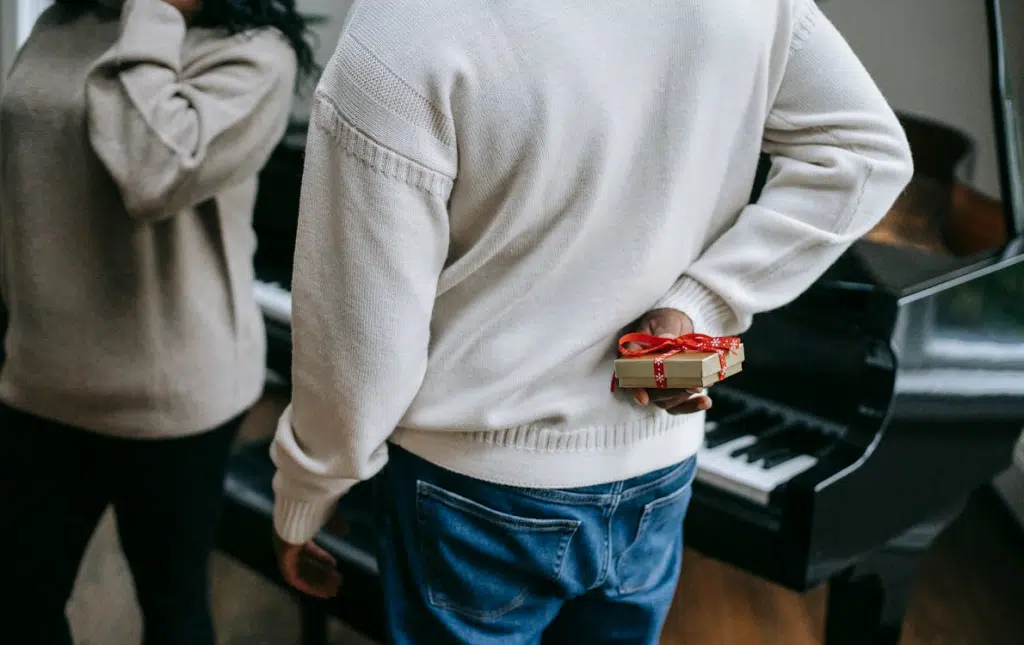
Many relationships rely on early-stage security and then stop reinforcing it. Check-ins, affection, and small reassurances fade as life gets busy. When reassurance disappears, the mind looks for proof of safety elsewhere. That proof often becomes monitoring, suspicion, or comparison. Jealousy hits harder when emotional deposits are low. People cannot withdraw trust when no trust has been built recently. Reassurance is not weakness; it is upkeep.
The Culture Rewards Being “Desired” More Than Being Loyal

Many people feel social pressure to remain attractive to everyone. Some treat outside admiration as proof they still “have it.” This can clash with relationship safety because it invites boundary testing. Jealousy grows when loyalty feels less celebrated than attention. A partner may feel like commitment is being used as a base while validation is collected elsewhere. The relationship becomes a home base, not a priority. Jealousy often rises when loyalty is treated as boring.
People Underestimate Emotional Cheating

Many assume betrayal only counts when there is physical intimacy. But emotional closeness can damage trust just as deeply. Daily texting, private jokes, and secret support create a bond that competes with the relationship. Jealousy hits harder when the threat is emotional, because it feels like replacement. Partners fear losing the “best part” of the person to someone else. The betrayal is not always an act, it is a shift in loyalty. Emotional boundaries matter even when nothing physical happens.
Friend Groups and Workplaces Are More Mixed and More Intimate

Modern life often blends social, work, and online spaces. People spend long hours together, share stress, and build closeness fast. That closeness can become emotional intimacy without anyone planning it. Partners then feel like an outsider to a connection they cannot see. Jealousy rises when time and inside jokes belong to someone else. It is hard to compete with proximity and shared daily experiences. Closeness forms where life happens.
Many People Want Independence Without Relationship Boundaries

Independence is healthy, but some use it to avoid accountability. They resist boundaries by calling them controlling. This creates a relationship where anything can be defended, and nothing is clearly protected. Jealousy becomes intense because the partner cannot tell what is safe and what is risky. Boundaries are not cages, they are guardrails. Without guardrails, people crash into suspicion. Jealousy grows when “freedom” replaces mutual respect.
Some Partners Use Jealousy as Proof of Love

A toxic pattern is demanding jealousy as validation. If a person is not jealous, they are accused of not caring. This trains people to perform insecurity to keep the relationship stable. It also makes real jealousy worse because it gets reinforced instead of resolved. The relationship becomes a cycle of testing and reassurance seeking. Jealousy hits harder when it becomes part of the relationship’s identity. Love should feel safe, not like a constant exam.
People Share Too Much Online, Then Call It “Nothing”

Some people post suggestive selfies, flirty captions, or attention-seeking stories while claiming it is harmless. The partner then looks “insecure” for reacting. But public thirst for validation changes how commitment feels. Jealousy rises when a partner invites interest and then denies the impact. It is not only the post, it is the intention behind it. If the goal is attention, the relationship feels less protected. Public signals create private doubt.
“High Standards” Can Turn Into Hypervigilance

Having standards is good, but some people turn them into constant surveillance. They look for micro-signs of disloyalty and interpret everything as evidence. This often comes from fear, not wisdom. The result is a relationship that feels tense even when nothing is happening. Jealousy hits harder when the mind becomes addicted to scanning. Scanning creates more scanning because it rewards certainty. Peace requires tolerating some uncertainty.
People Are Worse at Repairing After Boundary Crossings

Small boundary slips happen in many relationships. What matters is repair: acknowledgment, reassurance, and behaviour change. Many couples avoid repair because they fear conflict or feel embarrassed. That avoidance leaves emotional injuries open. Jealousy then becomes chronic because the wound never closes. A partner might forgive, but the nervous system remembers. Repair is what turns a mistake into a lesson instead of a pattern.
Personal Identity Is More Tied to Being Chosen

In a world of constant comparison, many people attach self-worth to being selected. They do not just want love, they want proof they are “winning.” When a partner shows interest elsewhere, it feels like a threat to identity, not just the relationship. Jealousy becomes intense because it attacks status and self-esteem. This is why small things can feel huge. The fear is not only losing a partner, it is losing value. Secure identity reduces jealousy more than rules do.
Commitment Timelines Are Less Clear Than Before

Many couples delay big decisions and keep relationships in a long trial period. Without milestones, people wonder if they are being evaluated indefinitely. Jealousy grows when the relationship feels provisional. A partner becomes sensitive to any sign that someone else could be chosen instead. This is especially intense when words and actions do not match. Progress is a form of reassurance. When nothing moves forward, jealousy fills the gap.
Jealousy Hits Harder Now Because Safety Is Harder to Build

Jealousy feels brutal today because modern relationships have more exposure, more ambiguity, and more silent competition. The solution is not pretending jealousy is “crazy,” and it is not controlling the partner into compliance. The real solution is building clarity, boundaries, reassurance, and reliable repair. Jealousy often reduces when people feel chosen consistently, not occasionally. If jealousy is frequent, it is usually pointing to a missing agreement or a missing sense of safety. Couples who face it directly protect the relationship instead of policing each other. In a world designed to trigger insecurity, protecting trust has to be intentional.








Ask Me Anything