
Let’s be honest for a second. You probably didn’t think he’d actually leave. But he did, and it caught you off guard like, “How could he do that?” Well… a guy usually holds on until he hits that point where he drops the rope and steps away because he feels drained straight through.
If you’ve been wondering what pushed him that far, buckle up. We’re going through the things that often push a man to his breaking point and walk away for good.
1. When He Doesn’t Feel Comfortable Speaking Up
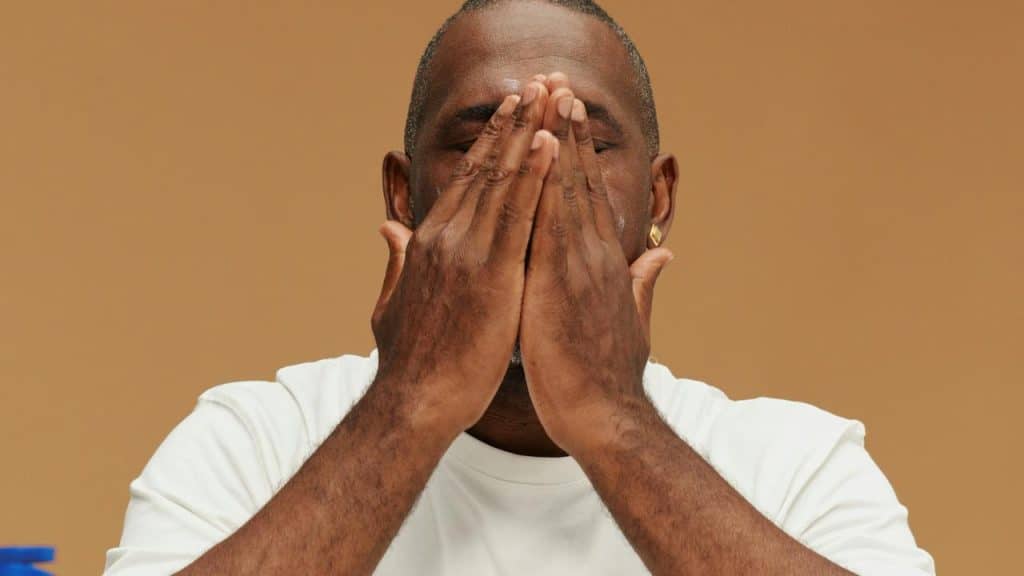
When a man senses that every time he opens his mouth, he risks starting a complaint or triggering disappointment, he eventually shuts down. He thinks, “Why bother talking when everything I say turns into trouble?” That thought eats away at him until he feels more like an obstacle in your day than someone who belongs beside you. (And no guy signs up for that role.)
He tries to hang in at first, hoping he misunderstood how it sounded or the comments. But after the same pattern plays out, he gets tired of feeling like the bad guy inside his own life. When he starts seeing himself through your frustrated reactions, he eventually walks because he no longer recognizes the man he thought he could be with you.
2. When Every Conversation Feels Like a Trap Door

Nobody enjoys talking when simple questions turn into cross-examinations. He may bring up something small, like traffic or a long day or a weird moment at work, and suddenly the ground drops beneath him. One wrong phrase sends him falling into another argument he never saw coming. It makes him tense every time he speaks.
After enough of those trap-door moments, he stops talking altogether. He sits there thinking through every sentence before he says it, terrified something harmless flips into something hostile. Eventually he chooses space between you because anything feels better than walking through verbal minefields.
3. When He Stops Feeling Welcome In His Own Home

A home should be the place where he exhales, but when he steps through the door and senses tension hit him like a cold wind, he feels out of place. When he sits on the couch, and you don’t look up, or he greets you and gets a short answer, he feels pushed to the edges of his own life. (He pretends it doesn’t hit him… but it does.)
Over time, that feeling starts to sting more than any argument. A man can handle conflict, but he struggles when the space meant to hold him feels like it pushes him away. After too many nights where he feels unwelcome, he finally leaves because walking out hurts less than staying in a place where he feels unwanted.
4. When He Gets Blamed for Every Problem

When something goes wrong, and the finger points straight at him every single time, he feels misunderstood down to the core. He may trip up sometimes, everyone does, but if he becomes the automatic explanation for every bad moment, he eventually feels drained. “Again? Seriously?” runs through his head more than he admits.
At first, he tries to explain his side, but explanations turn into arguments and arguments turn into more finger-pointing. Eventually, he stops trying and starts pulling back. He walks out because he got tired of feeling like the person you blame instead of the person you lean on.
5. When He Walks In, and the Atmosphere Turns Cold

A man notices when his presence turns the room colder. He walks in, says hello, and you barely glance up. He asks how your day went, and the answer feels sharp. He sits down, and you shift away. That change hits him harder than you think. He thinks, “Did I mess up again? What did I miss this time?”
He tries to warm things up with small jokes, small compliments, small touches, but everything hits a wall. After a while, he feels foolish for trying. He eventually decides he can’t keep entering a space that freezes him the second he arrives.
6. When He Feels Blamed for Things He Never Said or Did

Getting blamed for real mistakes hurts, sure, but getting blamed for things he never did hits different. When you throw words at him like, “You probably thought this,” or “You planned to do that,” he feels invisible, like the version of him in your head matters more than the man standing right in front of you.
He tries to defend himself, but each attempt gets twisted into something new. Later on, he gives up trying to correct a version of himself he doesn’t recognize. Leaving feels easier than fighting to prove he didn’t cause pain you already decided he caused.
7. When He Spends His Days Trying To Predict the Next Blow-Up

A man can only handle so many mood swings before his nerves start to fry. When he never knows what version of the day he’s walking into, he starts bracing himself constantly. He goes to work thinking about home and comes home thinking about work because both feel stressful in different ways.
After enough unpredictable explosions, he stops relaxing altogether. His body stays tense even during quiet moments, and he loses sleep trying to figure out how to avoid the next conflict. Once he realizes no strategy helps, he leaves because the stress wears him down to the bone.
8. When He Feels Like His Effort Vanishes the Second You’re Upset

He could do ten things right, but if one thing sets you off, those ten things disappear instantly. When that pattern repeats, he feels defeated. He thinks, “Why do anything if the good stuff disappears the moment she gets angry?”
He keeps trying for a while, trying to help, trying to please, trying to lighten the day, but the moment tension hits, all of that fades from your memory. After enough of that, he stops trying because the effort that only matters on the good days feels useless on the bad ones.
9. When He Starts To Brace Himself Before He Opens the Door

He stands outside the door for a second longer than normal, telling himself, “Alright… here we go.” That pause means everything. He doesn’t step inside, excited to see you. He steps inside, preparing for the endless screams and constant criticism.
He may not admit that fear out loud, but it shows in the way he moves more slowly, talks more softly, or stays in another room. Once that stress becomes routine, he eventually steps out permanently because no person wants to walk into dread every single evening.
10. When He Feels Punished Instead of Understood

When you shut down, pull away, or throw short remarks at him for days on end, he views it as punishment. He doesn’t know how to fix something when you close him out without warning. Those cold stretches feel like an emotional timeout, and he can only handle so many of those before he checks out.
He starts feeling like he’s paying for crimes he never got a chance to explain. After enough silent treatments, harsh replies, or heads turned away, he decides he can’t stay somewhere he feels punished for simply being human.
11. When Every Fix He Tries Gets Thrown Back at Him

He brings solutions because he wants to help, but when every attempt leads to another complaint or another argument, he feels useless. He thinks, “Nothing I do hits the mark. Nothing helps.” That frustration turns into hopelessness.
Over time, he stops offering solutions. When he reaches the point where offering help feels dangerous, he pulls away. And once he pulls away far enough, he usually stays gone.
12. When He Can’t Share Anything Without Being Doubted

When he opens up, and you question his honesty instead of listening, he feels hurt in a place he doesn’t talk about. He may try to explain the truth again, slower this time, but when you still doubt him, he feels defeated.
Doubt cuts deep because it tells him you don’t believe him at face value. After enough disbelief, he decides he can’t keep speaking into a wall of suspicion. He walks away because staying means living under constant interrogation.
13. When He Feels Like He’s “On Call” for Every Mood

He wants to be supportive, but he can’t be your personal emotional fire department every hour of the day. When every mood lands on his shoulders, and he’s expected to manage it, fix it, soothe it, or absorb it, he gets drained fast. He needs space to breathe, too.
When he realizes he can’t keep up with the demand placed on him, he steps out before he collapses under the pressure.
14. When He Can’t Share His Thoughts With You Anymore

When the thought of expressing an opinion makes him tense, he knows the future looks bleak. If he can’t talk about his day, his concerns, or his needs without fallout, he stops seeing a life that feels livable.
He tries rewriting sentences in his head, watering everything down, or keeping conversations shallow. But that kind of life drains a man fast. Once he sees a future where he stays quiet forever, he walks toward a life where he can speak freely.
15. When He Finally Realizes Peace Comes From Walking Out

He holds on for longer than he admits. Most men do. He gives chances, offers apologies, makes changes, and hopes tomorrow looks better. But one day, something flips. It happens the moment he realizes peace sits outside the door instead of inside.
When that realization hits, he leaves because staying costs too much. He doesn’t storm out, and he doesn’t celebrate the exit. He walks away exhausted, lowered, and tired of fighting battles he never wanted in the first place.








Ask Me Anything