
Divorce isn’t just expensive—it’s soul-draining, confusing, and unfair in ways most men never see coming. The truth is, when the dust settles, husbands often walk away carrying the heavier load, not just in money but in reputation, emotional health, and fatherhood. Society tells men to “man up,” but what that really means is “suffer quietly.” This piece isn’t about playing victim—it’s about calling out a system that still expects men to pay for everything and feel nothing. Let’s talk about the side of divorce nobody wants to admit: the one where you lose more than half and still get blamed for it.
The Financial Deck Is Stacked
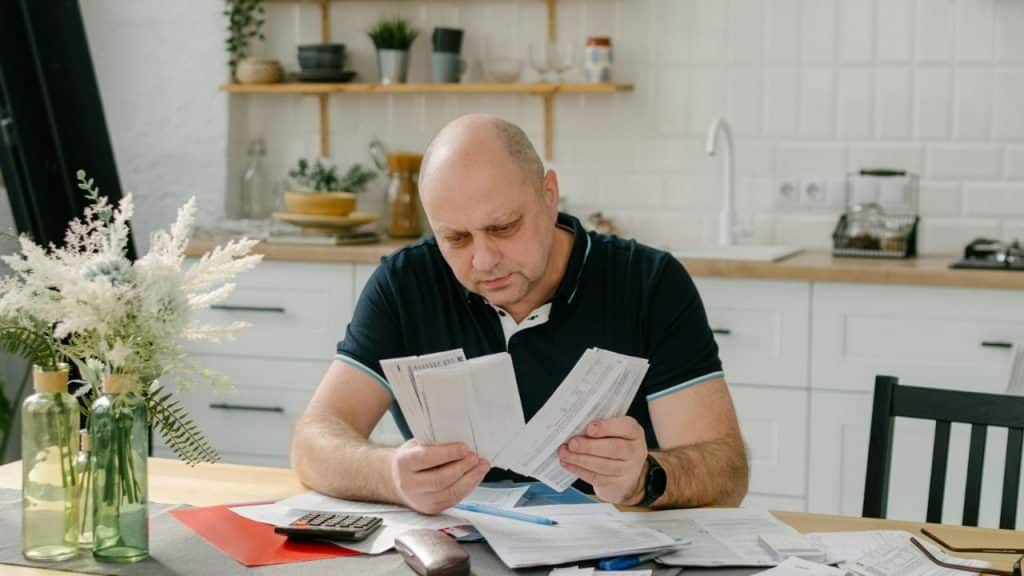
Even when both partners earn, courts often expect the husband to pay up. From alimony to splitting assets, men usually end up with less in their pockets and more in monthly obligations. It’s not bitterness—it’s math. Divorce laws were built when men were the sole earners, and those assumptions haven’t caught up with reality.
Custody Isn’t an Even Fight

Fathers know the heartbreak of walking into court and realizing the game’s rigged. Even good dads are fighting uphill battles just to see their kids on weekends. The bias may be subtle, but it’s there—and it cuts deep.
Emotional Pain Gets Dismissed
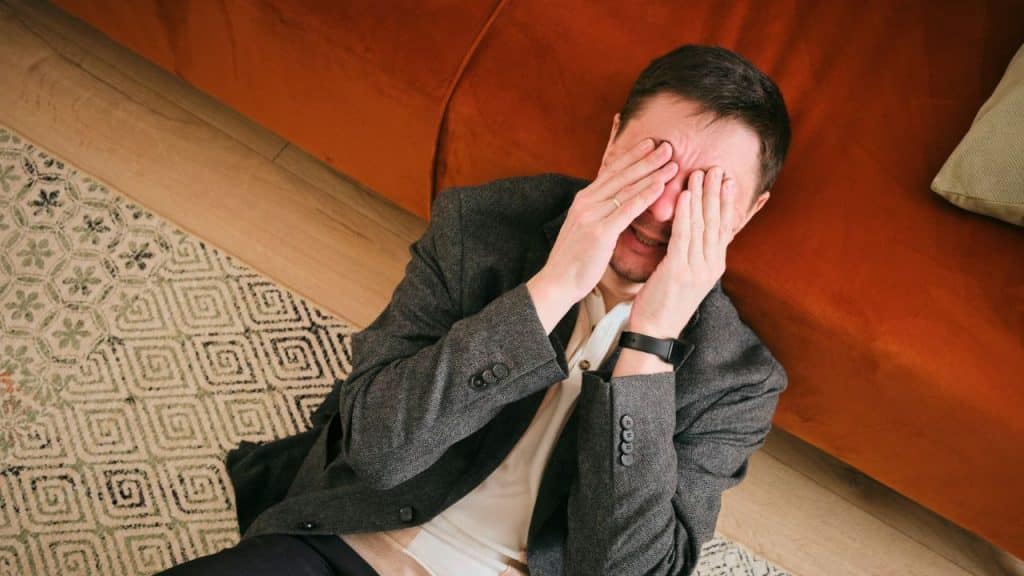
When women cry, people listen. When men break down, people get uncomfortable. Society still treats male pain as weakness, which means thousands of men silently fight depression and loneliness after divorce.
Social Circles Shrink Overnight

You’ll quickly find out who your real friends are. Many men say friends take sides or disappear completely once the papers are signed. Losing your marriage is one thing; losing your entire support network is another.
Child Support Outpaces Reality

Child support isn’t always fair or flexible. Even when fathers are hands-on parents, payments are often based on outdated formulas that don’t reflect shared custody or changing income. The result? Many men struggle to stay financially stable while still being called “deadbeats.”
Losing the Home Cuts Deep
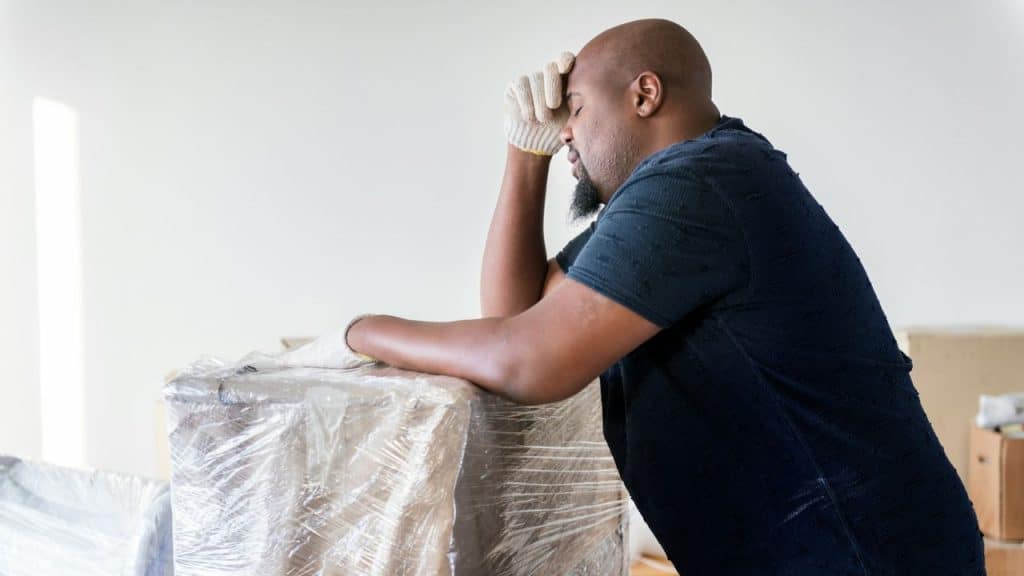
That house wasn’t just property—it was safety, pride, and history. Men often lose their homes in divorce, and with it, their sense of belonging. Starting over from scratch feels less like freedom and more like punishment.
The “Weekend Dad” Label Hurts

Divorce often redefines fatherhood in the worst way possible. Men go from being full-time dads to part-time visitors. That emotional distance builds over time, leaving many fathers feeling like outsiders in their own children’s lives.
Work Becomes a Distraction

When everything else collapses, work feels like the one thing you can still control. But overworking to avoid emotional pain only burns you out faster. Some men chase success so hard post-divorce that they forget to rebuild their lives beyond it.
Dating Again Isn’t the Fun Part

Dating after divorce sounds exciting until it’s not. Between trust issues, financial scars, and emotional fatigue, most men find themselves cautious, guarded, and second-guessing every connection. It’s not fear—it’s self-preservation.
Sympathy Is Rare

Society treats divorced men as if they deserved it. There’s sympathy for women who “had to start over,” but not much for men who lost everything. That double standard keeps countless men silent about their pain.
Mental Health Takes a Beating
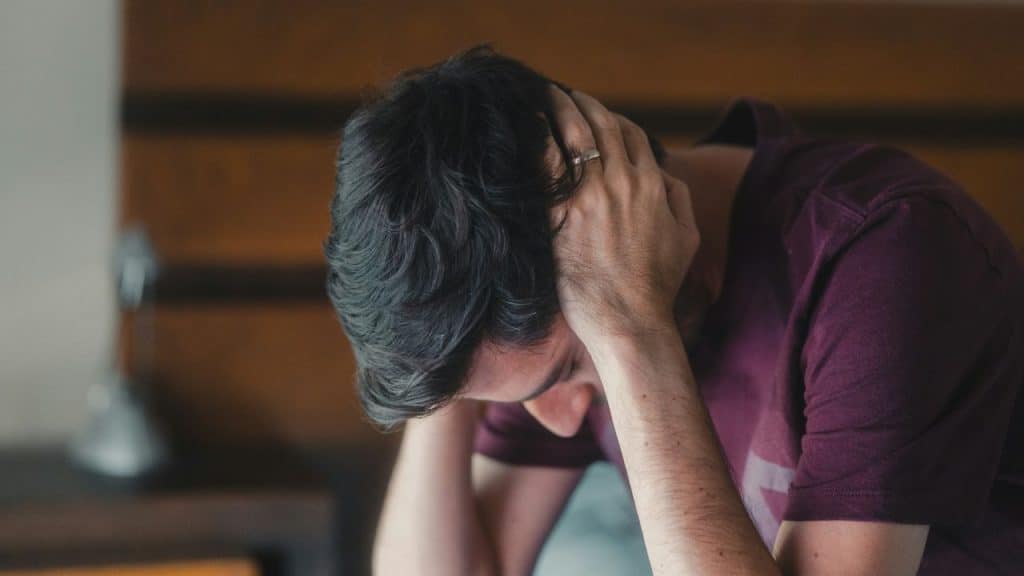
Divorced men are statistically more prone to depression and suicide than divorced women. It’s not because they’re weak—it’s because they’re isolated, financially strained, and often too proud or ashamed to seek help.
The Law Rewards Strategy, Not Fairness

Family court often favors those who play it strategically, not honestly. Men who stay transparent and cooperative sometimes end up losing more than those who manipulate the system. It’s a harsh truth that punishes integrity.
The “Happy Ex-Wife” Narrative Stings

Social media loves showing women “glowing up” after divorce. Men rarely get that grace. Even when they move on, they’re judged as heartless or shallow, while women are celebrated for “reclaiming their lives.”
Fathers’ Rights Still Get Mocked

Speak up about fathers’ rights, and you’ll be labeled bitter or anti-woman. But asking for fairness in custody or support isn’t about gender—it’s about balance. Men just want to show up for their kids without being treated like villains.
Healing Takes Longer Than Anyone Admits

Men often don’t process pain until years later. The silence, the pride, the fear of judgment—it all delays real healing. Divorce doesn’t just end a marriage; it rewires your identity. And rebuilding that takes time, patience, and brutal honesty with yourself.








Ask Me Anything