
Divorce does not always feel easier because people stop caring. Often, it feels easier because staying begins to feel like endless effort with no emotional payoff. Couples can reach a point where every conversation turns into conflict, and every attempt at repair feels temporary. When hope drops, even small tasks—like communicating or being kind—feel heavy. This is not a defence of giving up, but an explanation of why many people emotionally detach before they leave. Understanding these reasons can help couples intervene earlier, or separate with more clarity and less cruelty.
The Relationship Starts Feeling Like Constant Work With No Reward
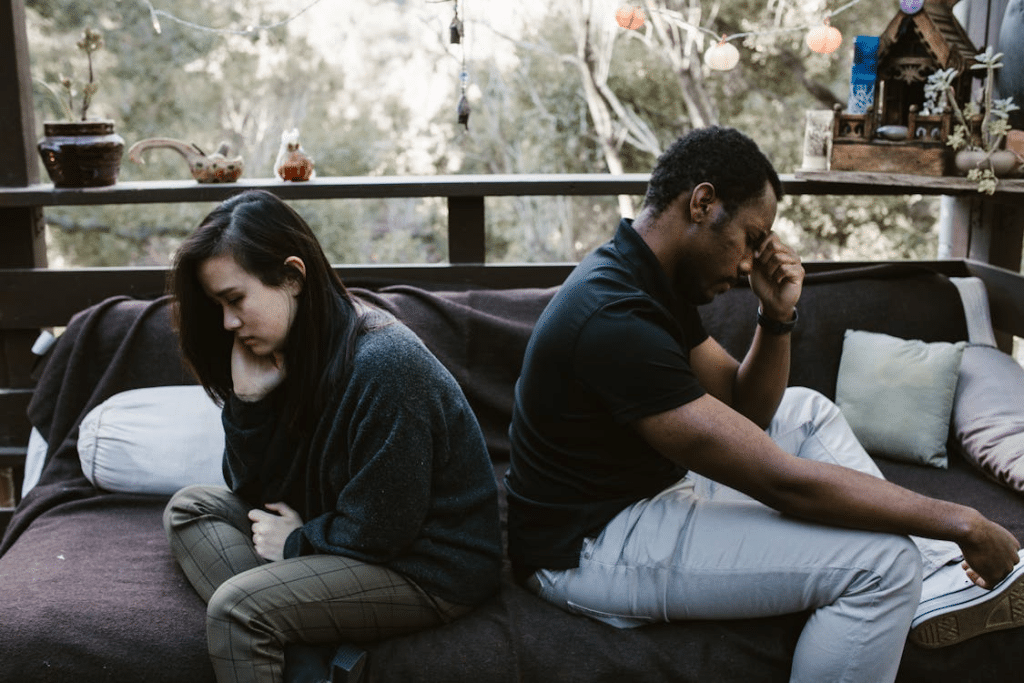
Some couples feel like they are always “working on it,” but nothing improves. Therapy, talks, and promises repeat without real change. When effort does not create progress, the brain stops believing effort matters. This turns hope into exhaustion. Over time, people stop trying not because they are lazy, but because they feel defeated. Divorce then looks like relief, not failure. Relief becomes attractive when the relationship feels like a treadmill.
Resentment Builds Until Love Feels Unsafe

Resentment is not just anger; it is stored disappointment. It grows when needs are ignored, boundaries are crossed, and repairs never happen. Once resentment becomes chronic, even neutral moments feel tense. Small mistakes get interpreted as proof that nothing will change. Partners stop assuming good intent, which makes closeness hard. Love cannot feel safe when contempt is present. Divorce often feels easier because it ends daily emotional friction.
Conflict Becomes a Personality Trait, Not a Moment

Healthy couples argue about issues. Unhealthy couples start arguing as an identity. The tone becomes sharp, defensive, and humiliating. Even small topics become battles because the relationship is already charged. People begin to dread conversations because they expect escalation. When conflict becomes predictable, peace becomes more valuable than closeness. Divorce can feel easier than living in constant tension. The nervous system chooses silence over stress.
Emotional Needs Stop Getting Met for Too Long
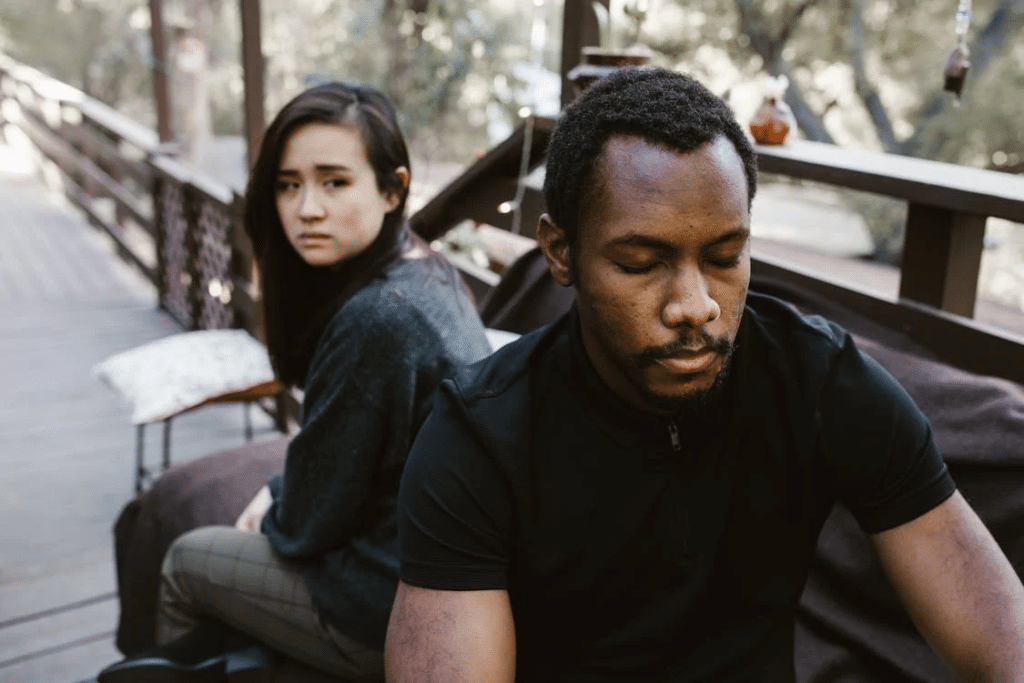
People can tolerate dry seasons, but not permanent deprivation. When affection, attention, or emotional support disappear, loneliness grows inside the marriage. A person can be surrounded by family and still feel emotionally abandoned. Over time, the relationship feels like co-living, not love. This is when “trying” starts to feel humiliating, because it is one-sided. Divorce can feel easier because it ends the daily reminder of being unseen. Loneliness often hurts more when someone is still “there.”
Trust Gets Damaged and Never Fully Repaired

Trust can be damaged by cheating, lying, financial secrecy, or repeated broken promises. Sometimes the betrayal is dramatic; other times it is slow erosion. The key problem is when repair does not happen in a complete way. Without repair, the relationship stays emotionally unstable. People become hypervigilant, suspicious, or numb. That state is exhausting to live in long-term. Divorce can feel easier because it ends the constant mental surveillance. Peace looks better than chronic doubt.
One Partner Becomes the “Adult,” the Other Becomes the “Burden”

When one partner carries most responsibility, the relationship stops feeling equal. This can include money, parenting, household management, or emotional labour. The overloaded partner begins to feel trapped and unsupported. The other partner may feel criticised and helpless, which creates more dysfunction. This dynamic kills attraction because it resembles parenting, not partnership. Divorce can feel easier because it ends the caretaker role. People do not want a spouse they must manage.
The Marriage Becomes a Place of Low Self-Worth
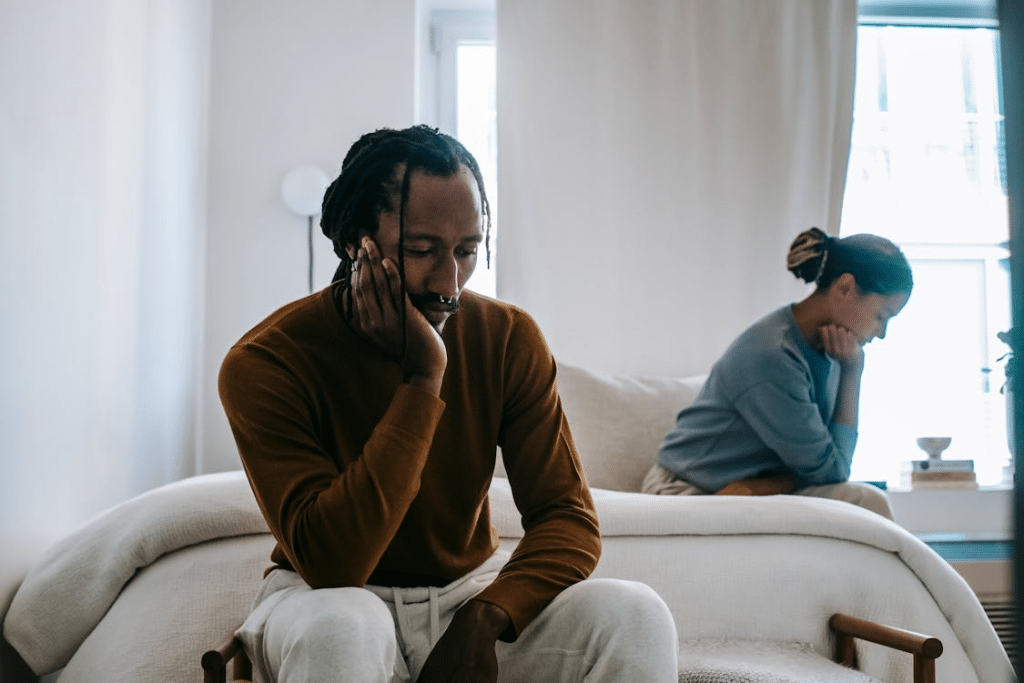
Some marriages slowly convince people that they are not enough. Constant criticism, sarcasm, dismissal, or indifference can shrink confidence. Even if there is no direct abuse, emotional neglect can erode self-image. People start doubting their value and questioning reality. Staying then feels like agreeing with the negative version of themselves. Divorce can feel easier because it creates space to breathe again. Many people leave to recover their identity, not to chase excitement.
The Future Feels Like More of the Same

A major reason divorce feels easier is when the future looks identical to the present. If the last five years were lonely, tense, or stagnant, the next five years feel predictable. Without a believable path to improvement, effort feels irrational. People stop asking, “Can this get better?” and start asking, “How long can this continue?” When the answer feels dark, leaving becomes logical. Divorce then feels like choosing a different future. Hope is what makes staying make sense.
The Cost of Staying Starts Feeling Higher Than the Cost of Leaving
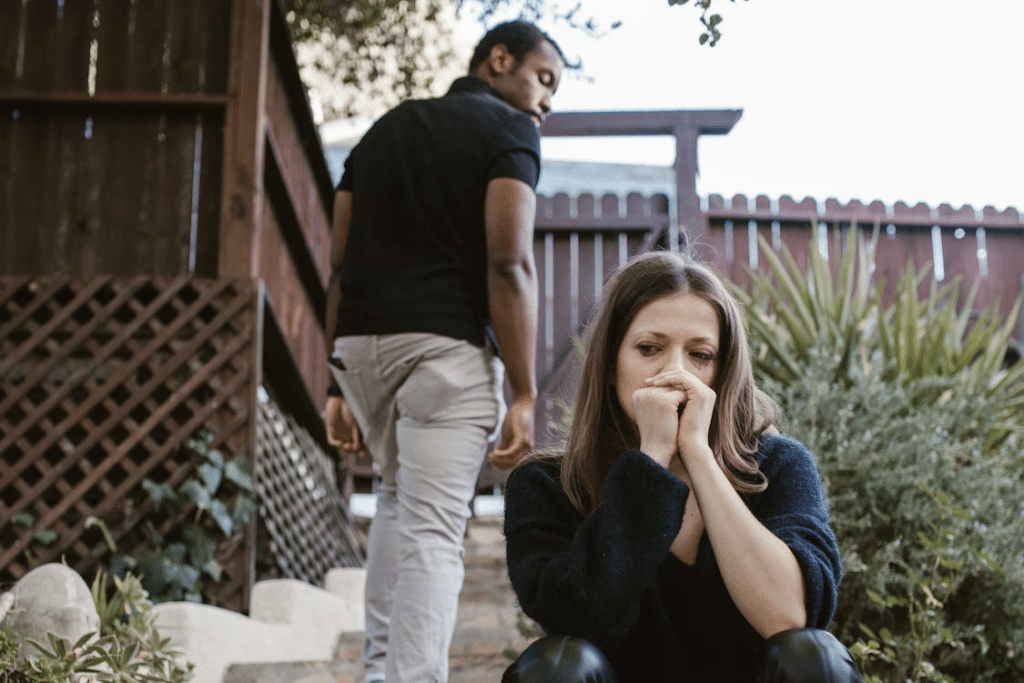
Leaving has real costs—money, change, heartbreak, family disruption, and fear. But staying also has costs: stress, resentment, emotional numbness, and lost time. When staying becomes more painful than separating, divorce starts looking easier. This is often when emotional detachment has already happened. People begin to value peace and stability over the appearance of staying together. At that point, trying can feel like self-betrayal. Divorce becomes the option that feels most protective.
Why “Easier” Does Not Mean “Easy”
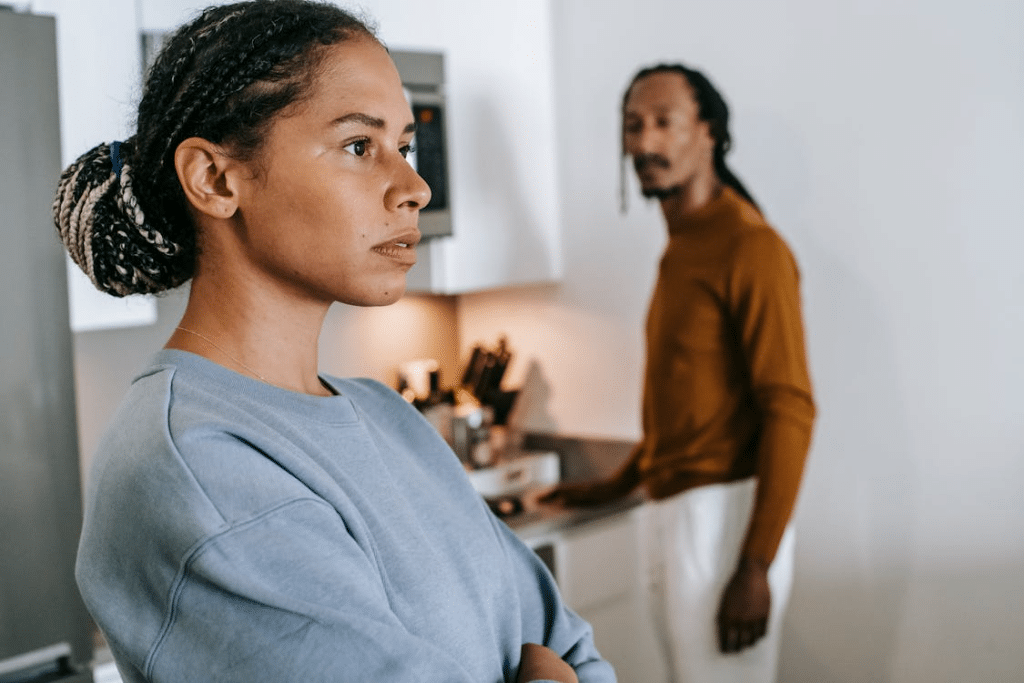
Divorce can look easier compared to daily suffering, but it is rarely painless. It often includes grief, guilt, financial strain, and identity shock. The “easy” feeling usually comes from ending a chronic stress cycle, not from enjoying the outcome. Many people feel relief and sadness at the same time. That emotional mix can confuse outsiders. It also explains why some people seem calm after deciding to leave. The hardest part is often the years before the decision, not the paperwork after.
The “Point of No Return” Moment Couples Miss

Many couples do not fail in one dramatic event. They fail when repeated hurts go unaddressed long enough that repair feels pointless. This is often when empathy disappears and contempt becomes normal. Once someone stops believing their partner cares, motivation collapses. The relationship then becomes about survival, not love. Couples often miss this moment because life is busy and problems feel manageable. But emotional drift becomes harder to reverse the longer it lasts.
When Staying Becomes Trying to Change Someone Who Won’t Change

A painful truth is that a relationship cannot be fixed by one person’s effort. If one partner refuses accountability, change, or consistent respect, the other person will eventually break. Trying then becomes a form of self-abandonment. People begin to feel like they are begging for basic decency. That usually turns into numbness or anger. Divorce can feel easier because it ends the waiting game. A partner cannot be carried into adulthood by love alone.
How Fear Keeps Couples Stuck Longer Than Love

Some people stay because of kids, finances, religion, or fear of loneliness. These reasons can be understandable, but they can also delay necessary decisions. Fear keeps the relationship frozen, not healed. Over time, staying out of fear can create bitterness that affects parenting and mental health. When fear finally becomes unbearable, divorce happens fast. People often confuse fear-based staying with commitment. Real commitment includes repair, not just endurance.
The One Habit That Makes Staying Feel Possible Again

When a marriage is strained, one habit often helps: consistent repair after conflict. Repair includes acknowledging impact, taking responsibility, and making a specific behavioural change. It rebuilds safety faster than long lectures or dramatic gestures. Most couples do not need perfect communication; they need reliable repair. When repair becomes normal, hope returns. Hope is what makes staying feel rational again. Without hope, divorce feels easier by default.
A Practical “Before Divorce” Conversation That Brings Clarity

A useful conversation is not “Do you still love me?” but “Are you willing to change with me?” That question targets effort, accountability, and direction. It also reveals whether both people are still invested. Clear agreements about behaviour, boundaries, and timelines can reduce emotional chaos. Even if the marriage ends, clarity reduces cruelty. Many couples avoid this talk because it feels scary. But avoiding it often leads to slow emotional death instead.
What “Trying” Should Actually Look Like

Trying should not mean repeating the same arguments with new words. It should mean measurable behavioural change. That can include therapy follow-through, boundaries with family, improved communication routines, and shared responsibilities. It also includes stopping disrespect, not just apologising for it. Trying is real when it is observable over time. When change is visible, motivation returns. When change is only promised, exhaustion grows.
When Divorce Is the Healthiest Option

In some cases, divorce is not an escape but a boundary. If there is ongoing abuse, addiction without accountability, repeated betrayal, or consistent disrespect, staying can be harmful. Relationships require mutual care and safety. If those conditions do not exist, trying can become self-damage. Leaving can protect mental health and model healthier boundaries for children. This is not about perfection, it is about basic safety. Sometimes the healthiest choice is separation.
If It’s Not Over Yet, What Helps Most

If both partners still care, the biggest lever is rebuilding emotional safety. That includes reducing contempt, increasing respect, and creating reliable repair. It also includes making one another feel chosen through attention and initiative. Small consistent habits often change the climate faster than big speeches. Couples improve when they stop keeping score and start building structure. It also helps to treat stress as the enemy, not the partner. A marriage can recover if both people stop treating change like a threat.
Divorce Feels Easier When Hope Dies—Not When Love Was Never There

Divorce often feels easier than trying when the relationship has become a constant stress cycle. Exhaustion, resentment, damaged trust, and lack of repair make staying feel like slow emotional harm. Many people do not leave because they want freedom; they leave because they want peace. The earlier couples address these patterns, the more options they have. Even if divorce happens, understanding the reasons reduces bitterness and blame. A relationship is hardest to save when both people stop believing it can be saved.








Ask Me Anything