
Talk to enough men in their late 30s or 40s and a pattern shows up fast. Solid careers. Decent shape. Divorced or single again. And completely frustrated with dating. It’s not that men suddenly forgot how to talk to women. It’s that the entire dating environment has shifted. Apps dominate. Expectations are different. Attention is scattered. And the rules aren’t clear anymore.
For performance-driven guys who are used to solving problems, this one feels strange. You can optimize your business. You can optimize your health. But dating? It feels like pushing on a wall that doesn’t move. Here’s what’s actually going on.
The Apps Changed the Playing Field

Dating used to happen through proximity. Work, friends, social events. Now it happens through algorithms.
Apps turned dating into a marketplace. Profiles are judged in seconds. Photos matter more than personality early on. And attention is unevenly distributed. A small percentage of men receive the majority of likes, while average profiles struggle to get noticed. For men 35–55, this shift is especially jarring. If you didn’t grow up swiping, the whole system can feel shallow and transactional. It’s not personal, but it often feels that way.
Attention Is Concentrated at the Top

Online dating data consistently shows that a minority of highly attractive or high-status men get most of the attention. That leaves many normal, successful men competing for limited visibility.
This creates a strange dynamic. Even accomplished professionals can feel invisible on apps. Not because they lack value, but because digital dating rewards instant visual impact. In real life, charisma and competence show over time. Online, you get a few seconds and a filtered photo beside you.
Endless Options Create Indecision

Modern dating offers endless choice. On paper, that sounds great. In practice, it creates hesitation.
When someone feels they can always swipe for something slightly better, commitment slows down. Conversations fade quickly. First dates don’t lead anywhere. People move on before anything builds. For men looking for something serious, this constant churn can feel exhausting. It’s hard to build momentum when everyone is half-committed.
Divorce Changed the Dating Pool
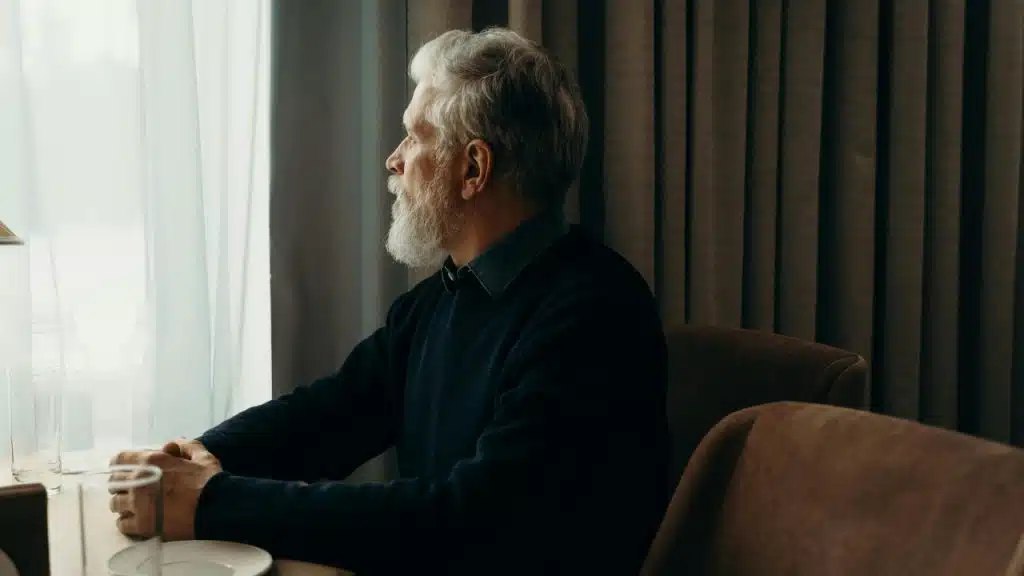
A large portion of singles over 35 are divorced. That adds complexity. There are kids involved. Busy custody schedules. Emotional baggage. Financial considerations. None of that is wrong, but it does change the dynamic.
Men re-entering the dating world after divorce often expect maturity and clarity. Instead, they find a mix of people still healing, still exploring, or unsure of what they want.
Social Skills Are Rusty Across the Board

Technology didn’t just change dating. It changed communication. Fewer people are comfortable with direct, in-person interaction. Conversations can stall. Texting replaces real connection. Ghosting is common because it’s easy.
Men who value straightforward communication often find this frustrating. Clear signals have been replaced by vague interest and disappearing acts.
Expectations Are Higher—and Less Defined
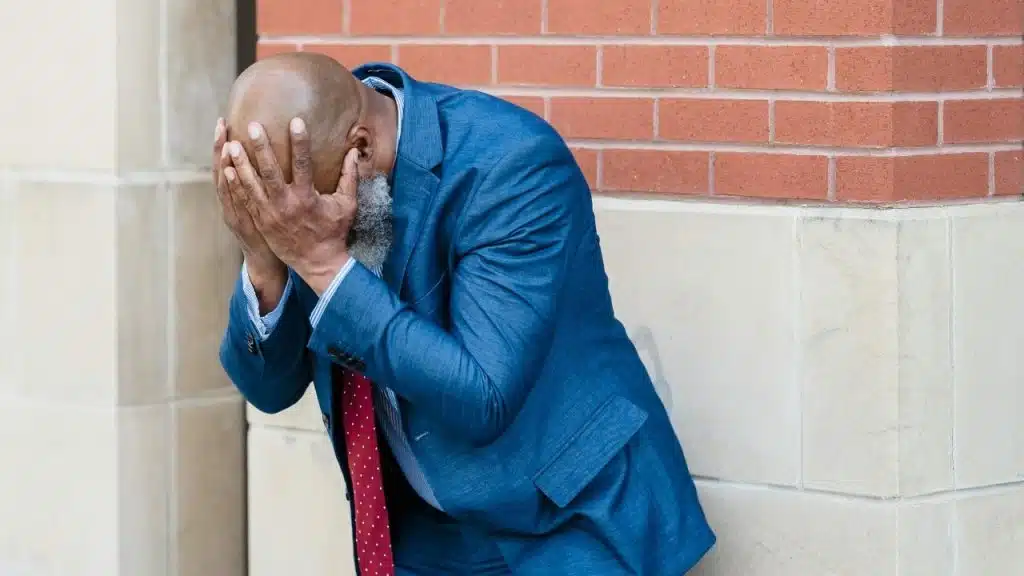
Many women in the 35–55 range are financially independent and emotionally self-sufficient. That’s a positive shift. But it also raises the bar.
Men aren’t just competing on attraction anymore. They’re measured on lifestyle, ambition, emotional intelligence, stability, and long-term potential. Sometimes all at once. At the same time, expectations aren’t always clearly communicated. So men are left guessing which standards actually matter.
Career Demands Shrink the Dating Window

By midlife, work is intense. Careers peak. Businesses grow. Leadership roles demand attention. Dating requires time and mental space. When your calendar is packed, spontaneous connection becomes rare. And when you do make time, the pressure feels higher because it’s limited.
It’s hard to build momentum when both people are juggling deadlines, kids, and early morning meetings.
Financial Caution After Divorce

Divorce often reshapes a man’s financial perspective. Alimony, child support, and asset division—these experiences change how risk is viewed.
Some men become more guarded about remarriage. Others hesitate to fully integrate finances again. That caution can slow emotional investment. It’s not bitterness. It’s pattern recognition.
Fitness and Appearance Standards Escalated
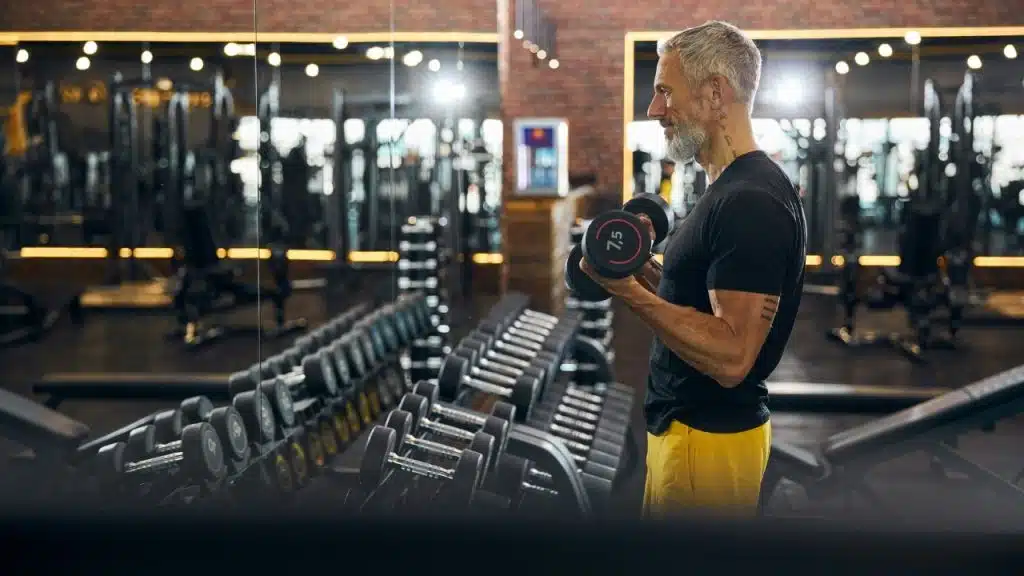
Social media didn’t just affect influencers. It affected everyone’s perception of what’s normal.
Filtered photos, gym culture, and curated lifestyles raise visual expectations. Men in their 40s competing in that environment can feel pressure to look 25 again. Staying in shape is smart. But dating shouldn’t feel like a physique competition.
Emotional Guardedness Is Common

By midlife, almost everyone has been hurt. Long-term relationships ended. Trust was broken. Promises didn’t hold.
That history creates caution on both sides. People open up slower. They test more. They protect themselves. For men who are ready to move forward, this guardedness can make progress feel slow and uncertain.
Casual Dating Is More Normalized

The line between casual and serious has blurred. Many people prefer companionship without long-term commitment.
That’s not necessarily wrong. But it creates confusion for men seeking stability. A relationship might feel exclusive, only to later be labeled as “just seeing where it goes.” Clarity is harder to find than it used to be.
Male Loneliness Is Rising

Surveys and social research consistently show that men report higher levels of loneliness than in previous decades. Fewer close friendships. Less community involvement. More isolation.
Dating then becomes the primary outlet for connection. That raises the emotional stakes. Rejection hits harder when there aren’t strong social buffers in place. It’s not just about romance. It’s about connection overall.
Confidence Takes More Hits

Repeated ghosting, low response rates, and short-lived conversations chip away at confidence over time.
Even high-performing men aren’t immune. Success in business doesn’t automatically translate into dating success in a swipe-based system. After enough false starts, frustration builds. Some men withdraw. Others overcorrect. Neither path feels great.
The Rules Are No Longer Clear
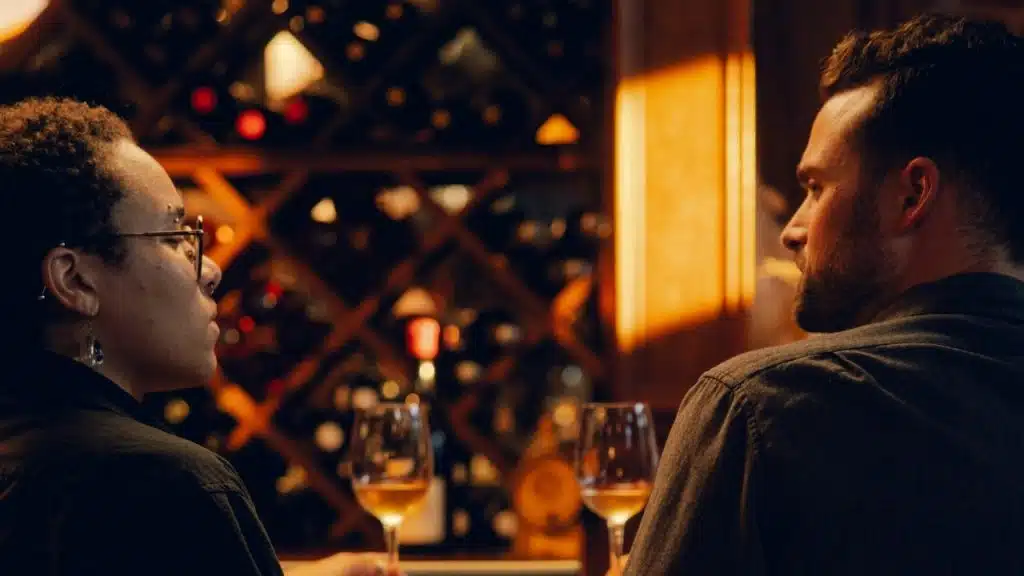
In past decades, dating scripts were more predictable. Who calls first. When to define the relationship. What commitment looks like.
Today, norms vary widely. Some people expect traditional roles. Others reject them entirely. Many are somewhere in between. Without clear expectations, misunderstandings are common. And that uncertainty makes the whole process feel unstable.








Ask Me Anything