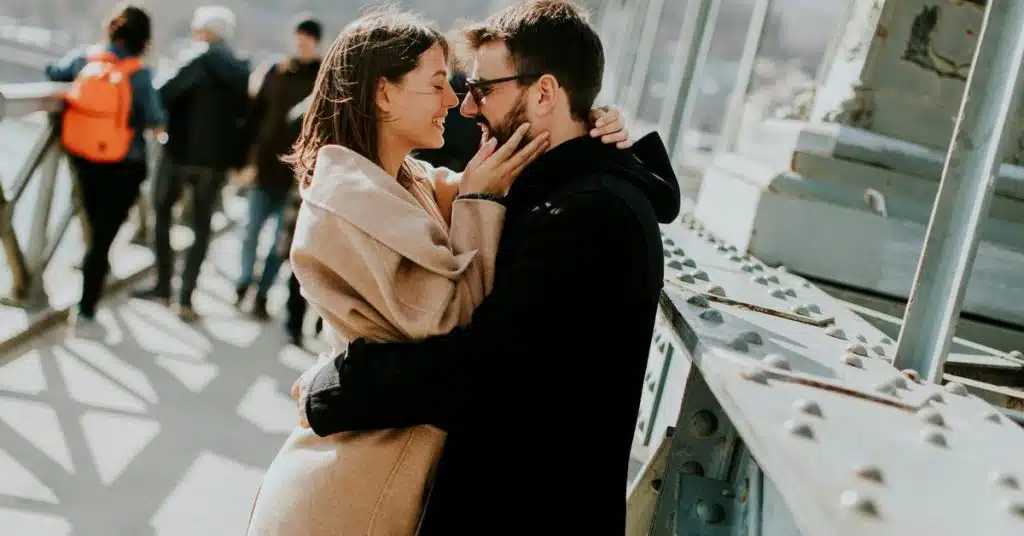
Remember when people used to meet someone’s parents before they’d even kissed? When a guy would show up at your door with flowers and an actual plan for the evening? Yeah, that world feels like it belongs in a black-and-white movie now. Somewhere between flip phones and Instagram stories, the whole dating game got rewritten, and nobody sent out a memo.
These days, “hanging out” has replaced proper dates, and nobody’s quite sure when they became exclusive (or if they even are). The formal, intentional process of courting, with all its rules and expectations, has been swapped out for something looser, more spontaneous, and way less defined. But how did we get here? Let’s break down why casual dating has basically taken over.
1. We’ve Got Way Too Many Options Now
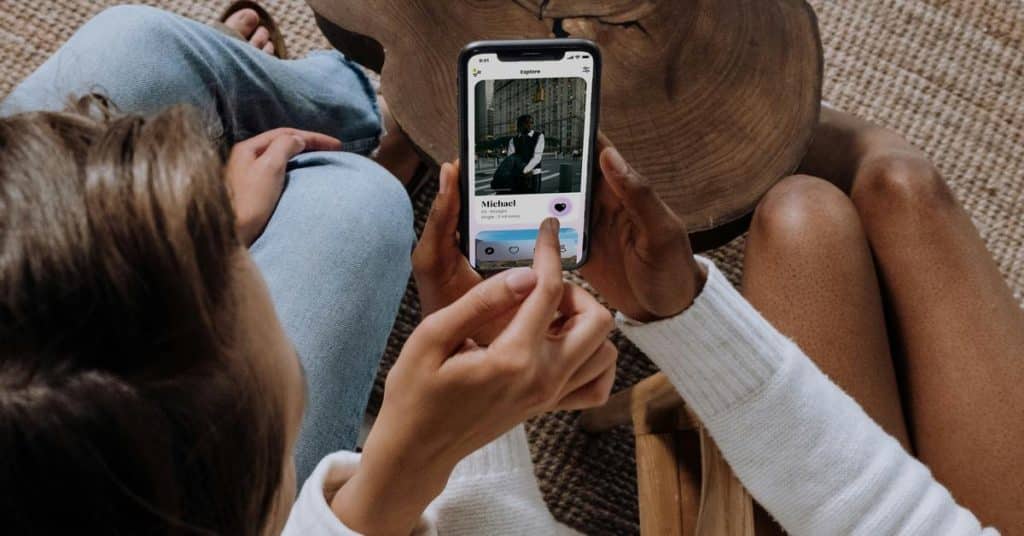
Dating apps put thousands of potential matches at your fingertips. You can literally swipe through fifty people while waiting for your coffee. That abundance makes it harder to focus on one person because, let’s be real, there’s always someone else who might be better waiting three profiles away.
When you know there’s always another option, committing to the whole courting process feels like putting all your eggs in one basket. It’s about the paradox of choice, making every single decision feel way more complicated than it needs to be.
2. Nobody Wants to Look “Too Interested”

There’s this unspoken rule now: whoever cares less wins. Show too much interest, and you’re “clingy” or “desperate.” The deliberate pursuit that defined courting now reads as coming on too strong. People play it cool to the point of seeming barely interested at all.
This whole game of emotional chicken means that both people end up tiptoeing around what they actually want. Instead of one person clearly pursuing another, everyone’s trying to match each other’s level of apparent indifference. The result? A lot of “what are we?” conversations that go nowhere.
3. The Pressure’s Off (And That’s Kind of the Point)

Courting came with expectations. Like, a lot of them. You were supposed to act a certain way, say certain things, and hit certain milestones. Casual dating throws all that out the window, and honestly? Most people find that relieving.
There’s no script to follow anymore, no timeline you’re supposed to stick to. You can take things at whatever pace feels right without worrying that you’re “doing it wrong.” Sure, that freedom comes with its own confusion, but at least nobody’s judging you for not following some outdated rulebook.
4. We’re All Scared of Looking Stupid

Put yourself out there the way courting requires, and you risk public rejection. In our screenshot-everything culture, that rejection could become a story your friends (or worse, the internet) laugh about for years.
Keeping things casual protects you from that. If you never define what you’re doing, you can never really get rejected, right? (Wrong, but that’s how it feels.) The emotional safety of “we’re just hanging out” beats the potential embarrassment of getting turned down. Courting required courage. Casual dating lets you hide behind ambiguity.
5. Hook-Up Culture Changed the Timeline

Let’s not dance around this. Physical stuff happens way earlier now than it did in the courting days. Back then, that kind of intimacy came after commitment, after you’d established what you were to each other. Now? It might happen on date one.
This flipped timeline changes everything. Why go through the whole courting process when you’ve already been physically involved for weeks? When you scramble that order, the whole structure falls apart. People end up in this weird space where they’re physically close but emotionally undefined.
6. Traditional Gender Roles Got Messy

Courting had pretty clear roles: men pursued, women chose. Now? Those rules feel outdated to some people and essential to others, and good luck figuring out which camp your date falls into.
Rather than navigate this minefield, casual dating lets everyone figure it out as they go. Less structure means fewer chances to accidentally offend someone’s deeply held beliefs about gender and dating.
7. We’re All Too Busy (Or We Think We Are)
Courting takes time. Real dates, meaningful conversations, meeting each other’s friends and family. Everyone’s calendar looks like a game of Tetris these days, packed with obligations, side hustles, and social commitments.
Casual dating fits into busy schedules better. “Want to grab a drink?” takes less planning than a proper date. You can see someone without rearranging your entire week. The problem? This convenience comes at the cost of actual depth.
8. Fear of Missing Out Is Real

What if you commit to someone through proper courting, and then three months later, you meet someone better? FOMO keeps people in casual mode longer than they probably should be. Why lock yourself into something serious when you haven’t fully explored what else is available?
Now you can see your ex looking happy with someone new, your friends at parties you weren’t invited to, and couples who seem way more compatible than you and your person. That constant comparison makes commitment feel risky in a way it didn’t used to.
9. Nobody Knows How to Handle Rejection Anymore
In the courting model, rejection happened upfront. Someone asked, someone answered, and that was that. These days, rejection comes in slow, torturous forms: being “ghosted,” getting “breadcrumbed,” or slowly realizing the person you’re seeing is also seeing three other people.
The casual approach makes rejection easier to dish out but way more confusing to receive. Courting required people to be direct, even when it hurt. Casual dating lets everyone avoid uncomfortable conversations by fading away.
10. Commitment Feels Like Giving Something Up

To previous generations, commitment meant gaining something: a partner, a future, stability. Now it often feels like a loss. You’re giving up other options, giving up your independence, giving up the possibility of something better.
Casual dating lets you keep all your options open indefinitely. You can maintain your separate life without having to compromise or coordinate. That freedom feels valuable, maybe more valuable than what you’d gain from actually committing.
11. Social Media Ruined The Whole Thing
Part of courting’s appeal was the discovery process. You’d learn about someone gradually, through actual conversations and shared experiences. Now you can stalk someone’s entire online presence before you even meet them.
That digital deep-dive kills some of the organic getting-to-know-you part that made courting meaningful. The mystery and anticipation that made those early courting stages exciting get replaced by a false sense that you already know this person.
12. “Defining the Relationship” Became a Huge Deal
Remember when becoming boyfriend/girlfriend was what happened after you’d been on a few dates? Now it requires an entire conversation (the dreaded DTR talk) that people avoid like the plague. It’s become this high-stakes, anxiety-inducing moment instead of a natural progression.
Casual dating sidesteps this entirely. If you never define what you’re doing, you never have to have that scary conversation. The ambiguity is frustrating, but at least it’s not terrifying.
13. Divorce Rates Scared Everyone
Your parents might be divorced. Your friends’ parents definitely are. Everyone’s seen relationships fall apart, and not prettily. That collective trauma made the younger generations way more cautious about commitment.
Casual dating feels safer because it’s lower stakes. If things don’t work out, you weren’t really “together” anyway. The pain of a breakup feels proportional to how defined the relationship was, so people stay in undefined territory longer to protect themselves from potential hurt.
14. Therapy Culture Changed What We Want

Everyone’s in therapy now (or should be), and that’s generally a good thing. But it’s also changed relationship expectations. People want partners who’ve “done the work,” who have “healthy communication.” Those are all valid desires, but they’ve made dating feel like a job interview.
This has made casual dating more appealing because it lets you test-drive someone’s psychological health without committing. You can see how they handle conflict, how self-aware they are, all without the pressure of being “official.”
15. Independence Became the Ultimate Goal

Somewhere along the way, needing another person became a weakness. Self-sufficiency, independence, having your own thing going. That’s what we’re all supposed to aim for now. Courting, with its implied interdependence and eventual merging of lives, runs counter to that whole ethos.
Casual dating respects that independence better. You can see someone without integrating them into your life. The trade-off? You also keep your hearts somewhat separate, which kind of defeats the whole point of dating someone.
16. We Forgot How to Be Vulnerable on Purpose
Courting required intentional vulnerability from day one. You had to risk rejection by asking someone out properly. You had to be clear about your interest. That kind of direct, honest pursuit takes guts, and maybe we’ve collectively lost some of that courage.
Casual dating lets you be vulnerable accidentally instead. You catch feelings you didn’t mean to, and you get hurt by someone you weren’t supposed to care about that much. It’s vulnerability without intention, which is somehow both easier and way more painful. The protection casual dating offers is mostly an illusion, but it’s an illusion we’ve all bought into because the alternative feels too exposing to attempt.








Ask Me Anything