
The transition to an empty nest marks one of the biggest shifts in married life. With children grown and out of the house, couples face a new reality: the routines, roles, and responsibilities that once defined daily life suddenly change. For some, this stage exposes hidden cracks in the relationship; for others, it opens the door to newfound closeness. The difference often lies in how couples choose to approach the change. Here are 17 reasons why some couples drift apart when the kids leave, and how others use this season to grow closer.
Losing Shared Purpose vs. Creating New Dreams Together

When raising children, many couples center their lives around parenting. Once kids leave, the shared purpose that kept them aligned may fade. This can leave partners feeling disconnected and unsure of what binds them together. Couples who thrive in this stage redefine their purpose by creating new goals, whether it’s travel, business ventures, or personal passions. Reinventing purpose keeps love vibrant.
Letting Silence Grow vs. Choosing Conversation Daily

Some couples realize they’ve stopped talking beyond family logistics. When the children leave, the silence becomes more obvious. This lack of communication can breed distance. Couples who grow closer use this time to revive conversations, sharing thoughts, dreams, and reflections beyond parenting. Words reconnect where silence divides.
Drifting Into Routine vs. Discovering New Adventures

Without kids in the home, some couples fall into dull routines that make life feel stagnant. This can dampen excitement and create feelings of emptiness. Others see the change as an opportunity to explore new adventures together. Whether it’s learning a hobby, traveling, or volunteering, shared experiences bring fresh energy into the marriage.
Overlooking Intimacy vs. Reigniting Connection

Parenting often leaves little time for intimacy, and some couples forget how to reconnect once the children are gone. Neglecting closeness can make relationships feel more like partnerships than marriages. Couples who grow stronger use this time to rediscover physical and emotional intimacy. With fewer distractions, passion has room to return.
Holding Onto Old Roles vs. Redefining Partnership

In many households, parents fall into specific roles over decades. Once children leave, those roles may feel outdated or restrictive. Some partners struggle to adjust, which leads to tension. Couples who thrive learn to redefine their roles, creating balance that fits their new season of life. Adapting keeps the partnership fresh and fair.
Letting Resentment Surface vs. Choosing Forgiveness

For some, the absence of children uncovers long-standing resentments that were hidden under busy schedules. These old wounds can resurface, straining the relationship. Couples who grow closer use this time to forgive and let go of past grievances. Forgiveness clears space for renewal instead of regret.
Clinging to Children vs. Embracing Each Other

Some parents channel all their attention toward their children, even after they leave home. This can leave the marriage neglected. Couples who thrive redirect that energy toward one another, focusing on strengthening their bond. When the spotlight shifts from children to each other, love flourishes.
Ignoring Health vs. Investing in Wellness Together

Midlife often brings health changes, and some couples cope by withdrawing or ignoring wellness. This can create emotional and physical distance. Others choose to face health challenges together, supporting exercise, diet, and preventive care. Caring for well-being as a team builds closeness and shared resilience.
Financial Tension vs. Shared Planning

With kids out of the house, finances often change, whether due to tuition bills, retirement planning, or lifestyle adjustments. Couples who don’t align financially may argue or drift apart. Those who grow closer treat finances as a joint mission, planning openly and responsibly. Shared financial goals unite instead of divide.
Living in the Past vs. Creating New Memories

Some couples get stuck reminiscing about the parenting years, longing for what was. While nostalgia is natural, living in the past can prevent growth. Couples who thrive shift focus toward making new memories. Building new traditions ensures the relationship continues to evolve instead of stall.
Avoiding Conflict vs. Tackling It Head-On

Without children around, unresolved conflicts may become impossible to ignore. Couples who avoid addressing them risk growing apart. Stronger couples use this season to tackle issues head-on, with honesty and respect. Facing conflict directly allows healing and strengthens trust.
Seeking Fulfillment Outside vs. Nurturing the Marriage

Some partners fill the void left by children with work, social activities, or personal hobbies, sometimes to the point of neglecting the marriage. While independence is healthy, imbalance can create emotional distance. Couples who grow closer integrate personal fulfillment with nurturing the marriage, keeping both strong.
Withdrawing Emotionally vs. Offering Support
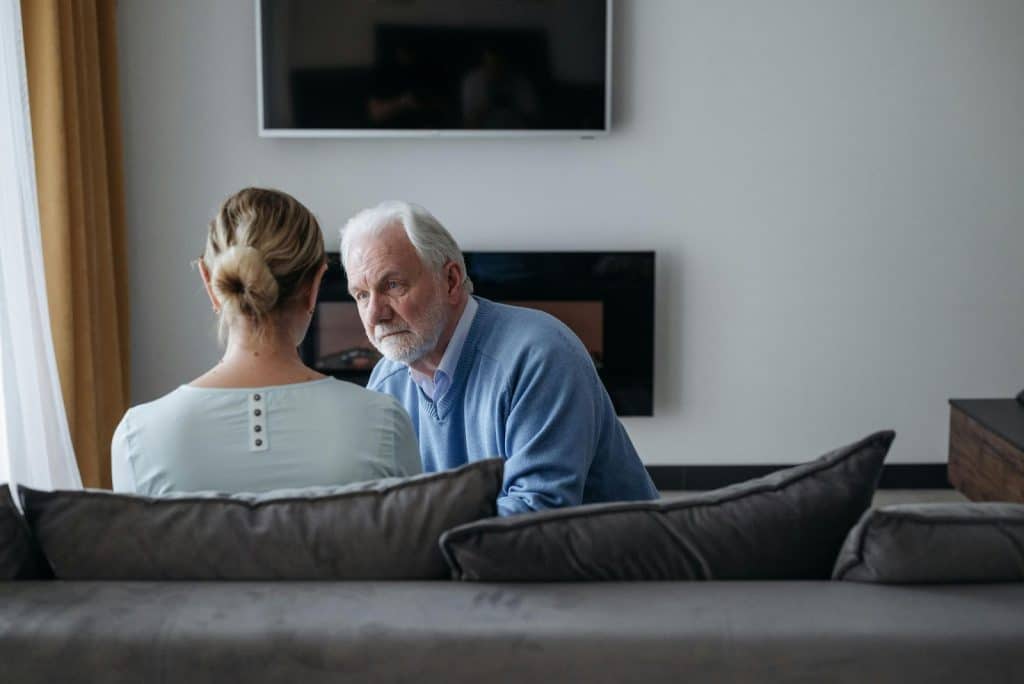
Transitions often stir emotions, including sadness or anxiety. When one partner withdraws emotionally, the other may feel abandoned. Couples who grow closer acknowledge these feelings and offer support. Sharing vulnerability creates intimacy rather than distance.
Overcontrolling Children vs. Respecting Independence
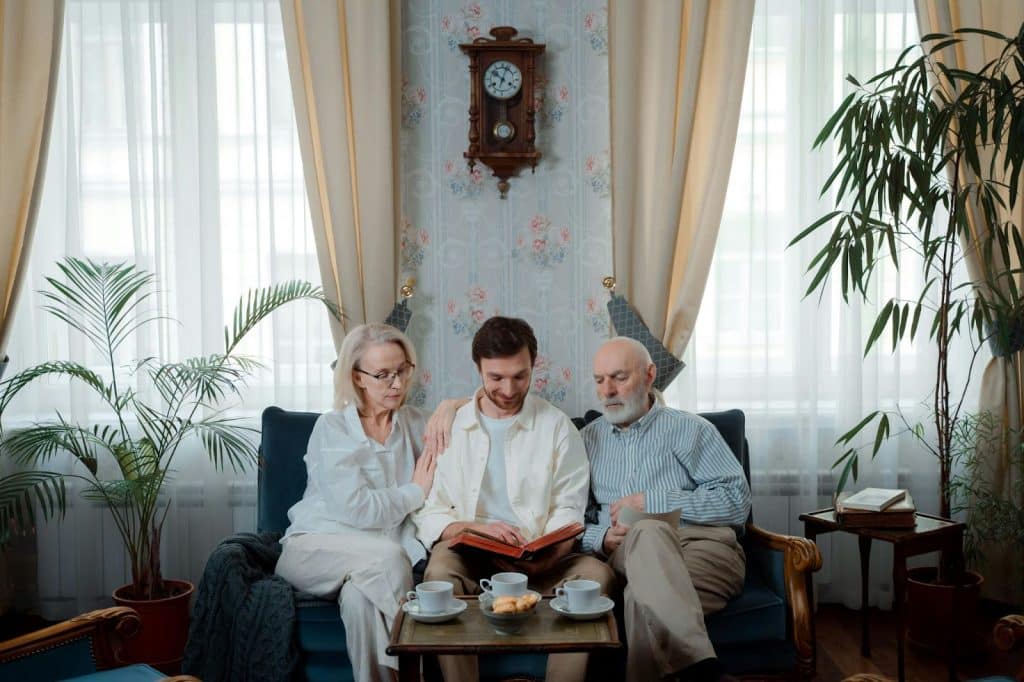
Some couples struggle to let go, trying to control their children even after they’ve left home. This often leads to conflict within the marriage as one partner pushes back. Couples who thrive respect their children’s independence while focusing on their own relationship. Letting go strengthens both marriage and family bonds.
Losing Identity vs. Rediscovering Individual Passions

Parents sometimes lose sight of themselves while raising kids. After children leave, this loss of identity can cause strain. Couples who thrive encourage each other to rediscover personal passions and grow as individuals. A stronger sense of self enriches the marriage.
Treating Marriage as Finished vs. Seeing It as a New Chapter

Some couples see the empty nest as the beginning of decline. This mindset creates distance and resignation. Stronger couples view it as the start of a new chapter, with opportunities for growth, travel, and deeper connection. Perspective shapes whether the marriage weakens or thrives.
Neglecting Friendship vs. Rebuilding Companionship

Parenting often shifts focus away from friendship, leaving couples as co-managers rather than companions. Without kids at home, this gap becomes obvious. Couples who grow closer invest in rebuilding friendship through laughter, shared hobbies, and companionship. Friendship is the foundation that makes love last.
Conclusion

The empty nest stage can either weaken or strengthen a marriage. Some couples fall apart by clinging to the past, ignoring conflict, or losing sight of their connection. Others grow closer by rediscovering intimacy, creating new dreams, and supporting each other through change. Ultimately, this season isn’t an ending but an opportunity, a chance to redefine love, deepen friendship, and start a new chapter together.








Ask Me Anything