
You probably want a solid relationship, not endless dating apps and small talk. Still, something about commitment makes you hesitate, and it is not because you are emotionally broken or afraid of effort. It feels risky in ways no one warned you about, and the risks seem very real when you look around. Friends, coworkers, and even family stories add weight to that hesitation. This is not about dodging responsibility. It is about understanding why commitment anxiety in men has become a rational response, not a character flaw.
Commitment Can Redefine Your Identity

Long-term relationships often reshape how you are seen by others. You become part of a unit, not just yourself. That shift can feel unsettling. Your decisions, priorities, and even personality may be interpreted through the relationship lens. Why men avoid commitment sometimes ties back to this identity compression. You do not want to disappear inside a role. Commitment feels risky when it threatens individuality rather than strengthening it.
Career And Relationship Timelines Don’t Align

You may feel pressure to commit while still building financial stability. Career growth often peaks later, but relationship expectations push earlier. This mismatch creates stress. Marriage concerns for men today often center on timing, not desire. You want to show up strong, not stretched thin. Committing before you feel grounded can feel reckless. Yet waiting too long brings judgment. That tension leaves many men stuck between ambition and connection, unsure which cost hurts more.
Commitment Now Comes With Public Judgment

Relationship problems used to stay private. Now they can become social content, group chat material, or public narrative. You worry about being portrayed as the villain during conflict or separation. Reputation matters, especially for professionals and entrepreneurs. Why commitment feels risky for men today includes this fear of public framing. Once a story is shared, you lose control over how it is told. That lack of privacy raises the stakes of every argument and mistake. Commitment begins to feel like living under a spotlight.
The Rules Around Marriage Feel Unclear

Marriage used to come with a clearer script, even if it was flawed. Today, expectations feel vague and constantly shifting. You are told to commit fully, yet the definition of commitment keeps changing depending on who you ask. That uncertainty creates fear of commitment, which men rarely talk about openly. What are you actually agreeing to long-term? What happens if the rules change again? Without clear boundaries, commitment can feel like signing a contract with blank pages. That lack of clarity makes hesitation feel practical, not selfish.
Loss Of Personal Freedom Feels Permanent

Commitment often sounds like trading freedom for stability. You worry about losing control over your schedule, hobbies, and quiet time. Small things matter more than people admit. Morning routines, gym time, solo weekends, and mental space all feel at risk. For men who value independence, this fear runs deep. You wonder if compromise slowly becomes surrender. When commitment feels like a permanent shift with no reset button, your instincts tell you to be cautious. That reaction does not mean you avoid connection. It means you value autonomy and fear losing it for good.
Emotional Expectations Are Higher Than Ever

Modern relationships ask a lot emotionally. You are expected to communicate clearly, stay emotionally available, and self-reflect constantly. That level of openness can feel exhausting if you were never taught how to do it well. Emotional commitment fears men experience often come from pressure, not avoidance. You worry about saying the wrong thing or missing emotional cues. There is also fear of being judged for how you process stress. When commitment feels like a full-time emotional role with no off switch, hesitation makes sense.
Men Feel Replaceable

Dating apps quietly change how commitment feels. Endless options create the sense that loyalty is optional and attention is temporary. You can invest time and effort, then watch someone move on with a swipe. That makes commitment feel fragile. Why men avoid commitment today often comes back to this question of security. If you feel easily replaced, trust becomes harder. You hesitate to go all in when the environment encourages quick exits. Commitment starts to feel less like building something and more like gambling on timing.
Fear Of Choosing Wrong And Paying Forever

One wrong choice can follow you for years. That thought sits heavily. Financial obligations, legal ties, and emotional fallout do not fade quickly. Commitment anxiety in men often comes from this long shadow effect. You know that love alone does not protect you from consequences. You ask yourself if you can honestly know someone well enough to make a permanent call. The fear is not about perfection. It is about the irreversible cost. That weight makes slowing down feel wise rather than cold.
Commitment Can Stall Personal Growth

You may worry that commitment locks you into a version of yourself that is still evolving. Men in their 40s and 50s often feel they are finally hitting their stride personally and professionally. Growth feels fragile at this stage. You ask yourself whether a long-term relationship will support that progress or quietly slow it down. When commitment feels like settling into fixed roles, hesitation follows. The fear is not about avoiding partnership. It is about protecting the momentum you worked hard to regain.
Emotional Safety Feels Uncertain

Vulnerability is encouraged, but many men have learned it can backfire. Things shared in trust sometimes resurface during conflict or breakups. That creates fear around emotional exposure. Commitment and divorce fears men carry often trace back to this experience. You ask yourself if opening up today could be used against you later. Without emotional safety, closeness feels risky. You want partnership, not emotional ammunition. Until safety feels mutual and consistent, caution feels reasonable.
Role Expectations Are Confusing

You are expected to provide support emotionally, stay ambitious, and adapt constantly. The role is broad and often undefined. You wonder where your needs fit, if at all. This confusion feeds commitment fears for men over 40, especially. You do not want to fail at expectations that no one clearly explained. Without boundaries, effort turns into pressure. Commitment starts to feel like an endless performance rather than a shared life. That uncertainty pushes many men to hesitate rather than overpromise.
Past Relationship Damage Lingers
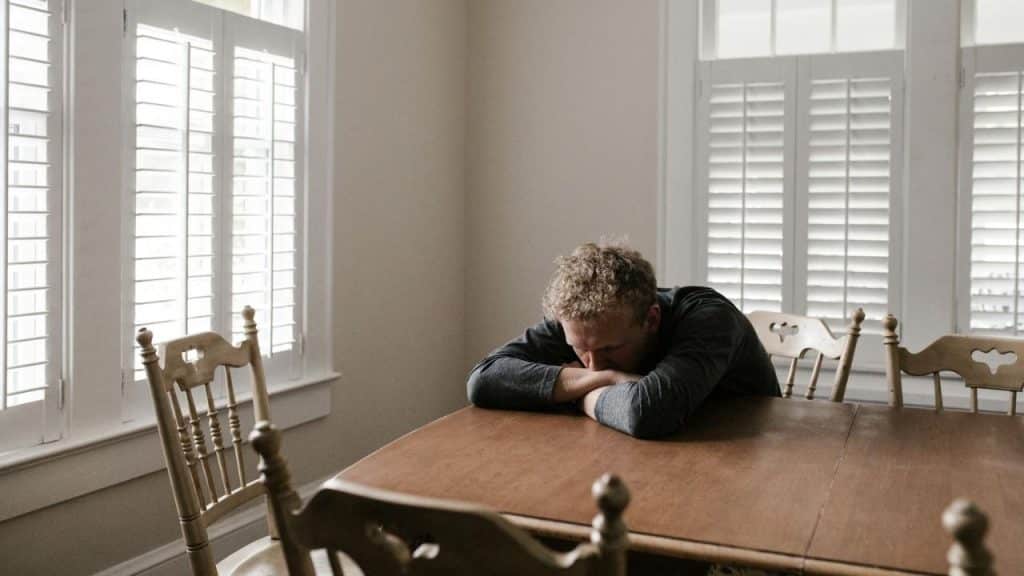
Old wounds do not disappear just because time passes. Betrayal, divorce, or long-term conflict leave marks. You may trust again, but you do not forget. Why men avoid commitment often connects to lessons learned the hard way. You remember how slowly things fell apart. That memory makes you cautious, not closed. Healing takes time, and rushing commitment before you feel steady can reopen old damage. Hesitation here is often self-protection, not avoidance.
Commitment Feels Like An All-Or-Nothing Bet

Modern commitment often lacks flexibility. You are either fully in or completely out. That binary structure feels risky. Life changes, people change, and needs evolve. Yet the structure rarely allows room to adjust without penalty. Commitment issues men face grow when exit costs feel extreme. You want a partnership that adapts, not traps. Without that sense of flexibility, commitment can feel like a gamble with limited options once you step inside.
Support During Crisis Feels Unpredictable

You may wonder how support will look when things truly get hard. Illness, financial strain, or burnout test relationships in ways dating never does. You have seen men left to manage crises largely on their own. That memory sticks. Why men avoid commitment sometimes comes down to this question of reliability. You want to know someone will stand with you when it costs them comfort. Without that confidence, commitment feels like a gamble.
Financial Independence Feels Harder To Reclaim

Once finances are intertwined, separating them can be complex and draining. Even amicable separations carry costs and stress. You may fear losing the clean independence you worked hard to achieve. Why commitment feels risky for men often circles back to this point. You are not afraid to share. You are wary of how hard it is to untangle later. That awareness naturally slows commitment decisions.








Ask Me Anything