
Most Americans aren’t dating as much as they’d like. That’s not speculation. Surveys show a clear gap between interest and action. People want connection, companionship, and shared experiences, but something keeps getting in the way.
For men in their late 30s, 40s, and 50s, dating doesn’t fail because of one dramatic reason. It stalls because of small, practical issues that stack up over time. Some feel personal. Most aren’t. Let’s break down the real-world frictions that quietly reduce how often people go on dates. No big theories. No advice sermon. Just the stuff that actually slows things down.
The cost of dating adds friction

Dating costs more than it used to, and not just because of inflation. Even casual plans come with pressure to spend, tip, travel, and keep things comfortable. When money feels tighter, dating becomes a decision instead of an impulse. Over time, that hesitation turns into fewer invitations and fewer yeses.
Work drains social energy
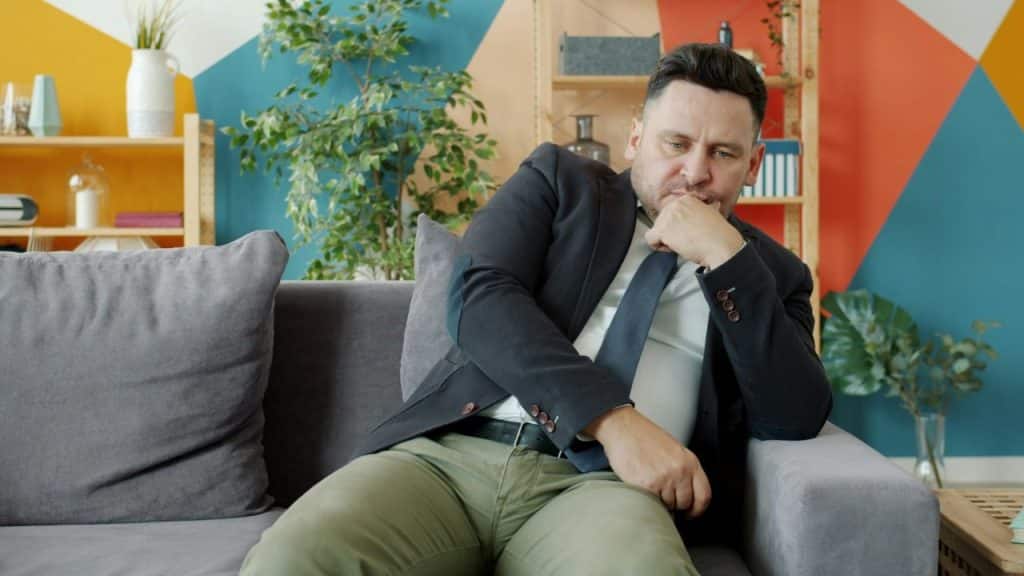
Work doesn’t end when the laptop closes. Stress, emails, and mental fatigue follow people home. Dating requires attention, patience, and presence, which aren’t always left in the tank after a long day. Skipping plans feels easier than showing up half-engaged.
Dating apps feel like work

Apps promise efficiency but often deliver repetition. Swiping, messaging, waiting, and restarting gets old fast. After enough dead ends, many people disengage without formally quitting. The app stays installed. The effort fades.
Time feels more valuable now
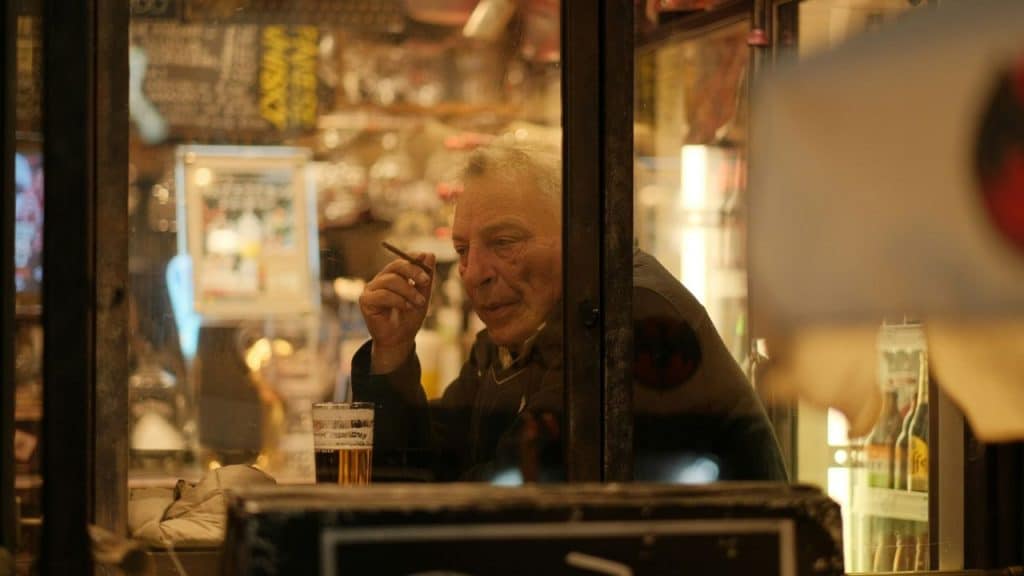
As people get older, they protect their time more carefully. A bad date no longer feels harmless. It feels like time that could’ve gone elsewhere. That mindset raises the bar for saying yes, which naturally reduces how often dates happen.
Rejection carries more weight

Rejection doesn’t disappear with age. It just lands differently. Many men take it more personally than they did years ago, especially after long relationships or marriage. Avoiding that discomfort becomes a quiet reason to stay home.
Social rules feel less clear
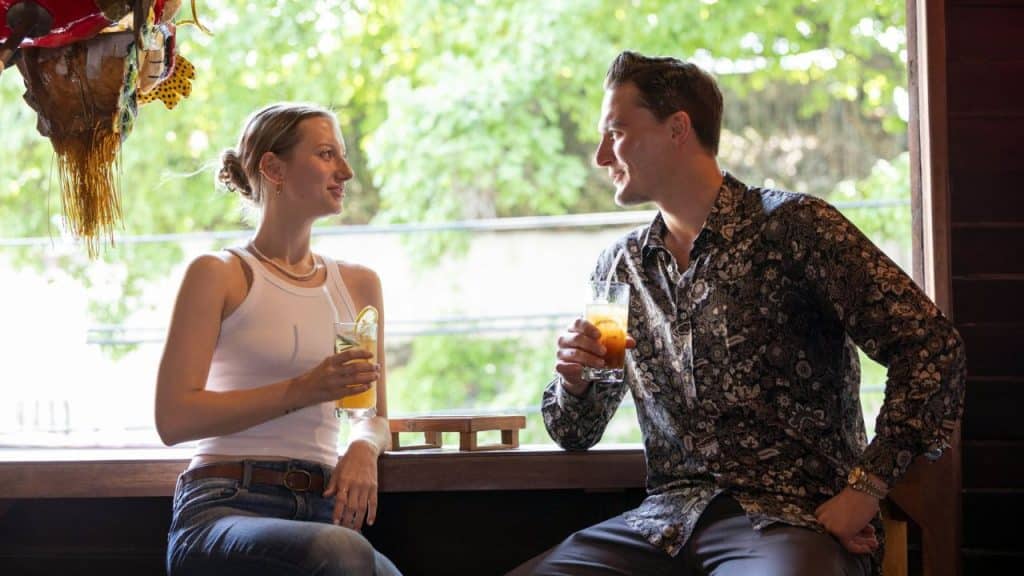
Dating used to follow a looser script. Today, expectations feel less obvious. What’s confident. What’s awkward. What’s too much. That uncertainty causes hesitation, especially for people who don’t want to misstep. When unsure, many opt out.
Being single isn’t miserable
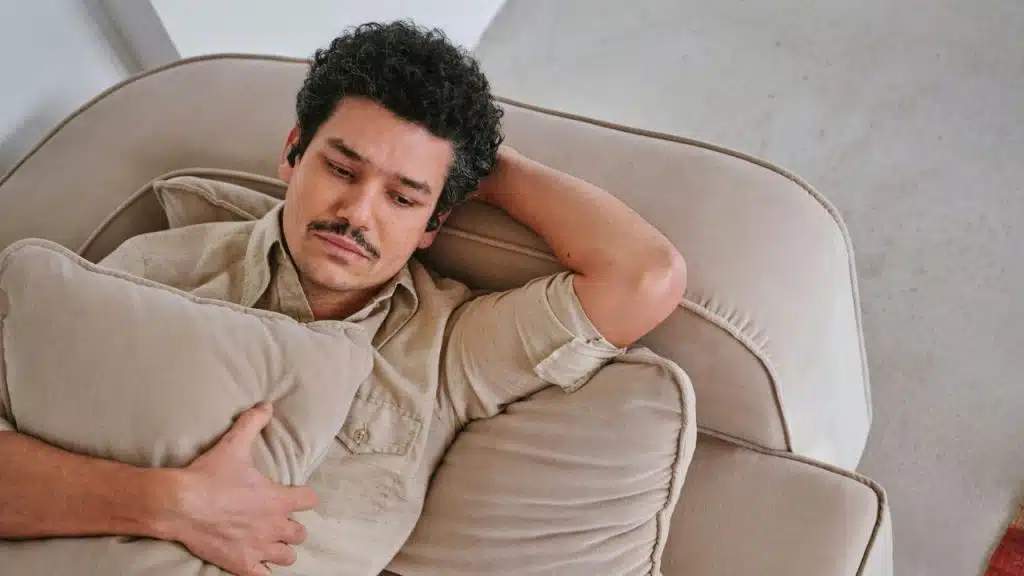
For a lot of adults, single life is comfortable. Routines work. Homes are peaceful. Schedules are predictable. Dating competes with that stability, and unless motivation is strong, comfort often wins.
Energy levels change
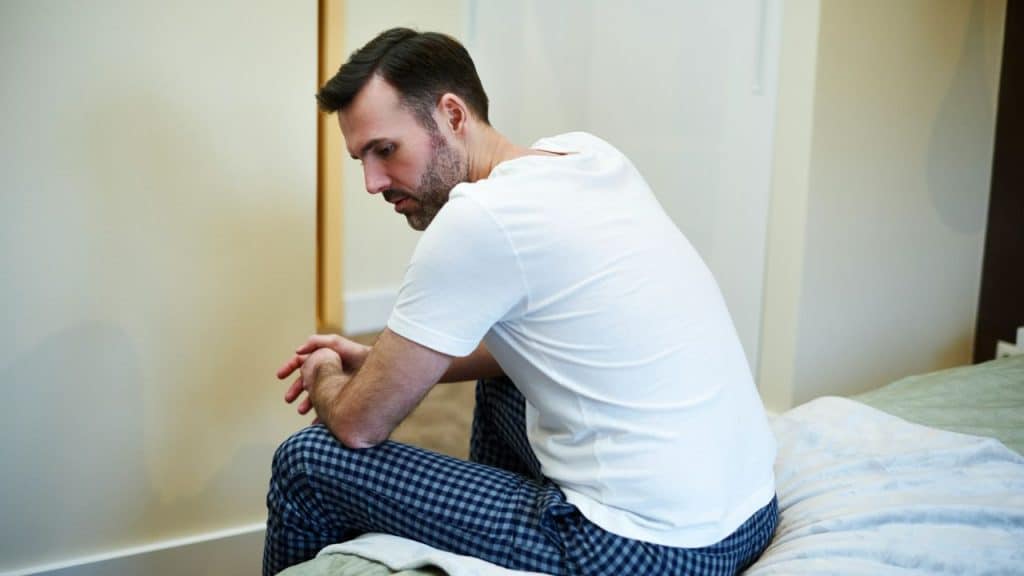
Health issues, injuries, or just lower energy affect social choices. Dating takes effort before, during, and after the plan. When energy is limited, people conserve it. Dating often lands low on the list.
Past relationships slow momentum
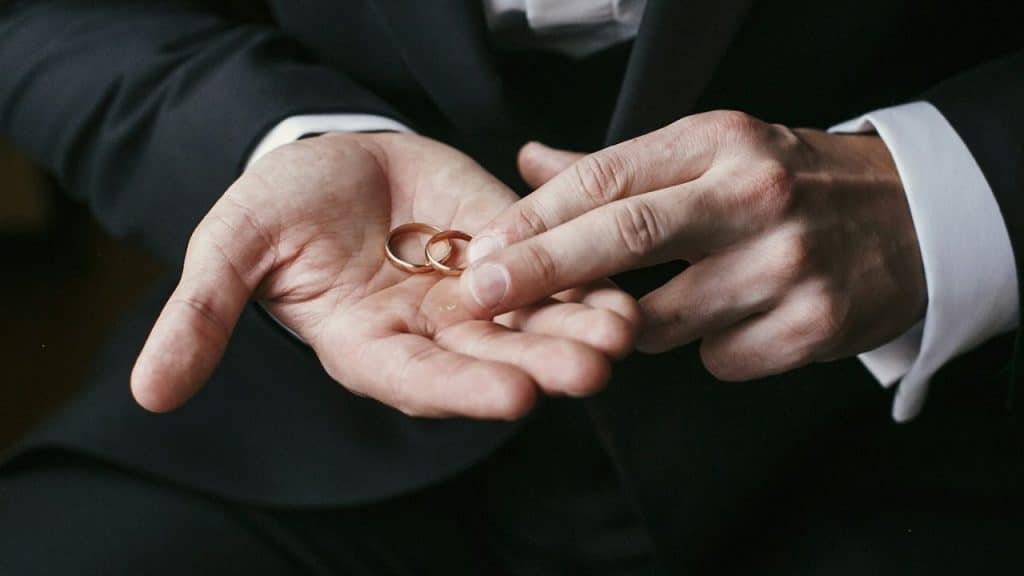
Divorce or long-term breakups leave residue. Even when someone wants to date, part of them stays cautious. That caution shows up as delays, second-guessing, or not following through. It’s not drama. It’s self-protection.
Fewer natural places to meet people
Remote work and smaller social circles reduce organic interactions. Fewer casual conversations lead to fewer spontaneous connections. Dating becomes something you have to plan instead of something that just happens. Planning adds friction.
Dating feels more competitive
Apps and social media create the sense that everyone has better options. Even confident people feel this pressure. When dating feels like a constant comparison, motivation drops. Some stop before they really start.
Strong dealbreakers shrink options

Clear standards help, but rigid ones narrow the field fast. Lifestyle differences, values, and long-term expectations remove potential matches early. The result isn’t better dates. It’s fewer dates.
Bad experiences linger

Negative dates stick in memory longer than decent ones. Awkward moments, disrespect, or wasted effort shape expectations going forward. After enough of those, people assume the next date won’t be worth it.
Scheduling feels like work
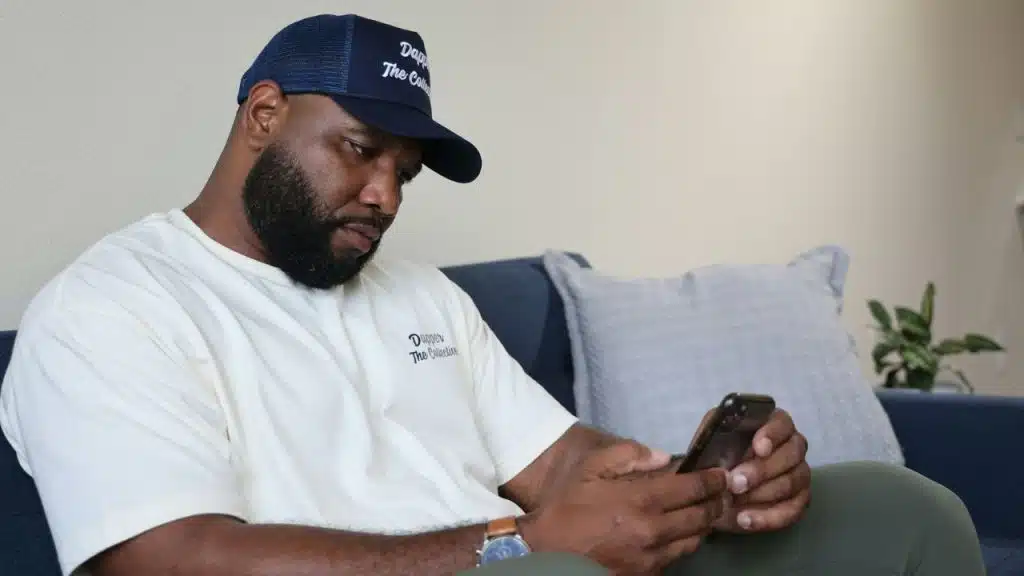
Aligning calendars gets harder with age. Kids, work travel, and personal commitments complicate even simple plans. The effort required to schedule a date sometimes outweighs the excitement of the date itself.
The bar keeps rising

Many people aren’t avoiding dating. They’re avoiding dating that doesn’t feel worth the effort. Expectations rise quietly over time. When nothing meets that threshold, nothing happens.








Ask Me Anything