
Watching an ex move on can hit like a second breakup. It brings up ego, grief, regret, and the fear of being replaced. Many people want a simple answer, men or women, but the truth is more complicated. The person who struggles most is often the one who feels less prepared for the ending. It can also be the person who stayed emotionally attached longer, even if they acted fine publicly. Social media makes this harder because moving on becomes visible and performative. Support systems, self-esteem, and the reason for the breakup matter more than gender alone. These insights explain why some people suffer intensely while others seem to recover faster.
The Real Deciders: Why Gender Alone Doesn’t Solve It

Men and women can both struggle deeply, but for different reasons and in different styles. Some people process pain outwardly and quickly. Others hide pain and process it slowly. The one who struggles most is often the one who lost the “relationship narrative.” If someone expected reconciliation, the ex moving on feels like betrayal. If someone initiated the breakup, seeing the ex happy can still sting. What matters is attachment strength, unfinished business, and whether closure existed. The context decides the intensity. These insights highlight the biggest context factors.
The One Who Didn’t Choose the Breakup Often Struggles More

Being left creates a different kind of pain than choosing to leave. It often triggers rejection sensitivity and self-doubt. Watching the ex move on confirms the fear of being replaceable. That confirmation can feel humiliating, even if the breakup was necessary. The person who was left may also hold on to hope longer. Hope makes the ex’s new relationship feel like a shock. Even if healing began, this can reopen the wound. Control matters in heartbreak. Losing control often increases suffering.
The One Who Thought “They’ll Come Back” Takes It Harder

Many people keep a quiet fantasy that the breakup is temporary. They interpret distance as a phase and wait for a change of heart. When the ex moves on, the fantasy collapses. That collapse can cause intense grief and anger. It also creates shame because the person feels foolish for believing. This is why denial can feel comforting early but expensive later. Reality arrives whether someone is ready or not. The ex’s new relationship becomes proof the chapter is closed. Closure can be brutal when it is forced. Forced closure often hurts more.
The One With Less Social Support Usually Struggles Longer

Support systems matter more than people admit. A person with friends, family, and community often processes faster. A person who feels isolated can attach more strongly to the ex as their main emotional anchor. When that anchor moves on, the loneliness becomes louder. This is why some people spiral after seeing an ex with someone new. It is not only jealousy; it is isolation being exposed. Social support also reduces obsession by filling time and attention. Without support, the mind loops. Loops keep the ex psychologically present. Psychological presence delays healing.
The Gender Pattern: Men Often Struggle Later, Not Earlier

Many men appear to move on quickly because they stay busy and avoid processing. Work, distractions, and dating can create a temporary sense of control. The pain often arrives later, when distractions stop working. Watching an ex move on can trigger delayed grief because it forces reality. It also hits pride because being replaced feels like a status loss. Some men struggle privately and do not talk about it. This can make it seem like they are fine. But delayed grief is real. The struggle is just quieter.
The Gender Pattern: Women Often Process Earlier, but Hurt Deeply

Many women process heartbreak more openly early on. They talk, cry, analyze, and seek clarity. That can look like suffering more, even if healing is happening faster. Watching an ex move on can still hurt deeply because it can feel like the relationship story mattered less to him. It can also trigger betrayal feelings, especially if the ex moved on quickly. Some women internalize it as “not enough,” which increases pain. Others process it as a lesson and detach more cleanly. The outward emotion is not always a sign of being stuck. It can be a sign of active healing.
The Ego Factor: The Person Who Feels “Replaced” Struggles More

Being replaced is not only emotional; it is identity-threatening. People question their value and uniqueness. They replay comparison thoughts: looks, success, personality, and lifestyle. This comparison loop creates obsession. Obsession keeps the ex emotionally central. The ex’s happiness can feel like a personal insult, even when it is not. Many people struggle not because they want the ex back, but because they want dignity back. Dignity loss is painful. Regaining dignity often requires boundaries and self-respect. Without those, the struggle stays intense.
Social Media Makes It Worse for Almost Everyone

Social media turns private healing into public theater. Seeing photos, captions, and new partners creates constant triggers. People can also misread curated content as real happiness. This increases comparison and regret. Even the act of checking becomes a self-harm habit. It keeps the nervous system in alert mode. Many people struggle more because they keep reopening the wound. The ex does not need to reach out; the feed does it daily. Blocking or muting is not a weakness. It is mental health protection. Distance is often required for healing.
The “Fast Mover” Often Isn’t the Happier One

Moving on quickly can be genuine, or it can be avoidance. Some people jump into relationships to numb pain. That can make them look fine, but still emotionally messy inside. The ex watching this may assume the relationship never mattered. That assumption increases pain. But speed does not always equal emotional closure. Some fast movers crash later. Some slow movers heal deeply and permanently. Comparing timelines creates more suffering. Healing is not a race. It is emotional restructuring.
The Person With Unfinished Guilt or Regret Struggles More

Regret creates a unique kind of pain. If someone knows they contributed to the breakup, the ex moving on can feel like punishment. The mind keeps replaying “what if” scenarios. This creates rumination and self-blame. Self-blame keeps the ex idealized. Idealization makes moving on harder. Regret is also complicated because it can mix love with shame. Shame makes people hide, and hiding reduces support. Reduced support increases obsession. This is how regret becomes a trap. The lesson is to process regret into growth, not into self-destruction.
The One Who Lost Status Struggles More
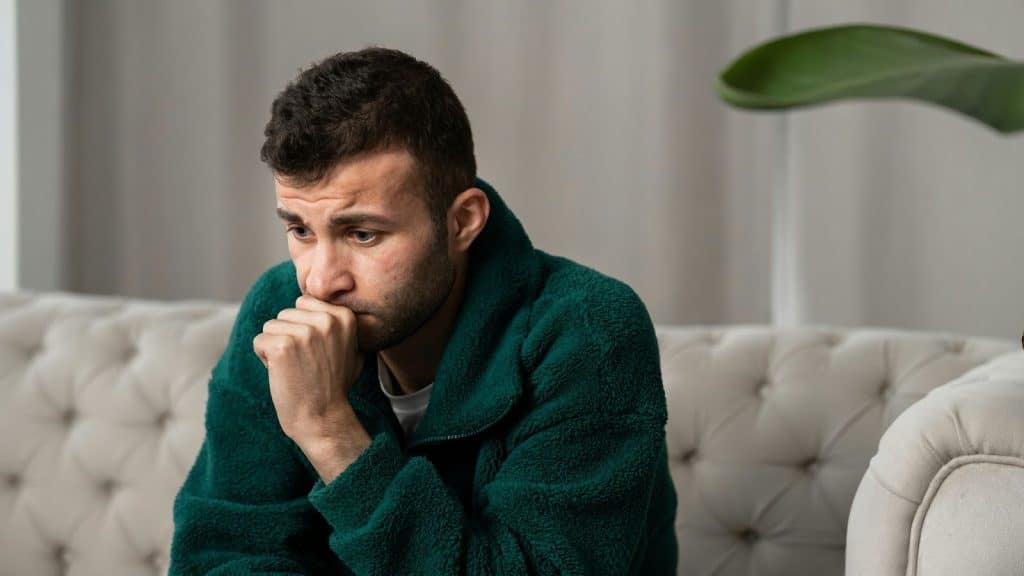
Some breakups carry a social status hit. This can involve mutual friends, family perception, or public embarrassment. Watching an ex move on can amplify that feeling: “They look better without me.” Status pain often makes people act petty or obsessive. It can also trigger competitive behavior: gym revenge, posting, dating to prove something. The pain is not only relational; it is social identity pain. Social identity pain can be intense. It is also often misunderstood as jealousy. But it is really a fear of being publicly minimized. Healing requires rebuilding identity privately.
The Attachment Style Factor Is Bigger Than Gender

Anxious attachment often struggles more with being replaced. Avoidant attachment may struggle later when loneliness arrives. Secure attachment tends to recover more steadily. This is not destiny, but it shapes patterns. People with anxious tendencies may monitor the ex and replay details constantly. People with avoidant tendencies may suppress emotions until they burst. Knowing attachment style helps explain the timeline. It also helps explain why one person seems “fine” and then collapses months later. The inner pattern matters more than the outer behavior. That is why gender alone cannot answer the question.
The “Soft Launch” vs “Hard Launch” Changes the Pain

How the ex moves on matters. If the ex keeps it private, the pain is lower. If the ex posts constantly, the pain is higher. If the ex introduces the new partner quickly, it feels harsher. It can trigger thoughts like “it meant nothing.” The speed and visibility of the ex’s new relationship changes the emotional impact. Some people struggle more because they feel disrespected by the public display. Others struggle more because they feel erased. Respect after a breakup still matters. The absence of respect can intensify pain.
Co-Parenting and Shared Ties Keep the Wound Open

People with kids, shared friends, or shared workplaces struggle differently. They cannot fully disappear from each other’s lives. That keeps triggers active. Watching an ex move on is not a one-time event; it becomes ongoing exposure. Exposure can slow healing if boundaries are weak. It can also create jealousy and resentment that interferes with parenting or peace. This is where structured boundaries matter most. Communication should stay practical and minimal when possible. Emotional discussions often reopen wounds. Shared ties require extra discipline.
The Person Who Loved the Identity of the Relationship Struggles More

Some people miss the person. Others miss the role: spouse, partner, chosen one. When the ex moves on, the role loss becomes undeniable. That can feel like identity collapse. Identity collapse creates panic and obsession. The person may not even want the ex back, but they want the identity back. They want to be chosen again. This is why self-worth work matters after a breakup. A new identity must be built that is not dependent on relationship status. When identity becomes stable, the ex’s life matters less. Without identity stability, the ex remains central.
The Last Truth: The One Who Keeps Looking Suffers the Most

Constant checking keeps pain alive. Watching stories, stalking pages, and asking mutual friends are all forms of emotional self-harm. They create fresh triggers daily. The brain cannot heal while it is being fed reminders constantly. Many people think they are seeking closure. But they are usually feeding obsession. Real closure comes from boundaries and acceptance, not updates. Acceptance is uncomfortable at first, but it calms the nervous system. Boundaries create space for new life. Without space, the ex stays in the mind. The person who keeps looking often struggles the longest.
The Hardest Part Is Losing the Story, Not Just the Person

Watching an ex move on hurts most when it forces reality. It collapses hope, triggers comparison, and challenges dignity. Men and women can both struggle, but the biggest deciders are agency, attachment, support, and visibility. The person who was left, isolated, or still hoping often struggles more. The person who keeps checking often stays stuck longer. Healing speeds up when boundaries are strong and identity is rebuilt. The best question is not “who struggles more.” The better question is “what keeps someone stuck and what sets them free.” When that is answered honestly, moving on becomes possible. And the ex moving on stops feeling like a verdict.








Ask Me Anything