
After betrayal, people often ask who moves on faster, the man or the woman. But “moving on” can mean at least three different things: emotional acceptance, trust recovery, and dating again. One person may look fine on the outside while still carrying deep pain privately. Another may cry openly but recover faster because they process actively. Gender can shape how pain is expressed, but it does not decide who heals “first.” The bigger factors are the type of betrayal, the relationship history, and the support system. Some people detach quickly because they are already exhausted. Others stay stuck because trust was their entire foundation. These realities explain why the timeline is rarely simple.
Reality Check: The Person Who Detached Earlier Often Looks Faster Later

Betrayal is sometimes the final straw in a relationship that already had cracks. If someone was emotionally lonely for months, betrayal may simply confirm what they suspected. That person can appear to move on quickly because much of the grief happened earlier. Meanwhile, the other partner may feel blindsided and struggle longer. This is why “fast recovery” is not always strength; sometimes it is delayed grief finally ending. The timeline also changes based on whether the betrayed partner stays or leaves. Staying requires ongoing triggers and repair work. Leaving can allow cleaner distance. Neither path is easy, just different.
Men and Women Often “Move On” in Different Ways

Men may appear to move on by acting normal, staying busy, or avoiding emotional conversation. Women may appear to move on by processing emotionally, talking, and making clear decisions. These are not fixed rules, but common coping differences. One looks calmer; the other looks more emotional. Calmness does not always mean healing. Emotion does not always mean stuck. People heal through the methods they know. The visible behavior is not the full story. Moving on should be measured by stability over time, not by facial expression today.
Dating Again Is Not Proof of Healing

Some people date quickly to distract from pain or rebuild self-worth. Others avoid dating because they do not trust themselves or others yet. Dating speed can be influenced by opportunity, personality, and social pressure. It is also influenced by who has more emotional support in daily life. A person with a strong social circle may not rush to date. A person feeling isolated may date sooner to fill a gap. Quick dating can be healthy if it is honest and grounded. It can also be avoidance dressed as confidence. The outside timeline can lie. Healing is internal.
The Gender Illusion: Why One Side Can Look “Fine” First

In many cultures, men are rewarded for being stoic. Women are often allowed more emotional expression. That social conditioning creates an illusion: he seems over it, she seems stuck. In reality, both may be suffering in different ways. A man may shut down and carry betrayal as anger, distrust, or numbness. A woman may process openly and still function well. Expression is not the same as recovery. Recovery includes restored self-esteem, emotional regulation, and clear boundaries. The person who looks composed can still be wounded. The person who talks a lot can still be healing effectively.
Betrayal Often Hits Men as Ego + Safety

For many men, betrayal can feel like humiliation and a loss of status. They may ruminate on comparisons, feeling replaceable, or not being enough. This can create anger or obsessive thinking, even if sadness is hidden. Some men cope by trying to “win” after betrayal through appearance, work, or dating. That can look like moving on quickly. But the internal story may still be unresolved. Ego wounds often take longer than people admit. True healing shows up when comparison stops controlling behavior. It also shows up when trust in future relationships becomes possible.
Betrayal Often Hits Women as Trust + Reality Shock

For many women, betrayal can feel like reality collapsing. The relationship story, safety, and shared future can suddenly feel false. This often triggers a need to analyze details and make sense of what happened. That analysis can look like rumination, but it can also be meaning-making. Women may also grieve the loss of emotional safety deeply, even if they detach faster later. If betrayal involves deception over time, the shock can last longer. Trust injuries often require more than time; they require new standards and boundaries. When trust breaks, “moving on” includes rebuilding identity. That process is heavy.
The Real Predictors: What Actually Decides Speed

Healing speed is often determined by context, not gender. Prior relationship quality matters. Repeated betrayal hurts differently than a one-time incident. The betrayed person’s attachment style matters too. Support systems and therapy access can change everything. Financial dependence can slow the ability to leave and move on. Co-parenting can keep contact and triggers active. The betrayer’s response also matters: accountability reduces confusion; denial prolongs pain. When the story is clear, healing tends to speed up. When the story is messy, healing often slows.
Who Leaves First Often Looks Like They Healed First

The person who initiates separation often appears to recover sooner. Having agency reduces helplessness. The person who is left can feel rejected and powerless, which prolongs grief. This is true across genders. Being the one who chooses can create faster closure. Being the one who is chosen against can create deeper self-doubt. That self-doubt slows healing. It can also create obsessive questions that have no satisfying answers. Agency does not remove pain, but it reduces confusion. Confusion is one of the biggest healing delays.
Staying Together Makes “Moving On” Slower for Both

Rebuilding after betrayal is possible, but it is rarely fast. Staying means living with reminders, triggers, and ongoing trust repair. The betrayed partner may feel fine one day and devastated the next. The betrayer may feel guilt, shame, and pressure, which can cause defensiveness. Both partners often underestimate how long rebuilding takes. This is why “moving on” is a misleading phrase in reconciliation. A better phrase is “rebuilding safety.” Rebuilding safety requires consistency over time. It also requires transparency and empathy. Short-term improvement does not equal full recovery.
The Betrayer Can Move On Fast, But That Is a Red Flag

Sometimes the betrayer seems emotionally fine quickly. That can happen if they were already detached or if they minimize the impact. Quick emotional recovery in the betrayer can signal low empathy. It can also signal denial or avoidance. If the betrayer pressures the betrayed partner to “get over it,” that often damages repair. Healthy remorse includes patience and accountability. The betrayer’s job is to rebuild safety, not demand speed. If speed is demanded, it often means discomfort is being avoided. Avoidance is not repaired. Repair requires staying present in the discomfort.
Some People “Move On” by Shutting Down Emotionally

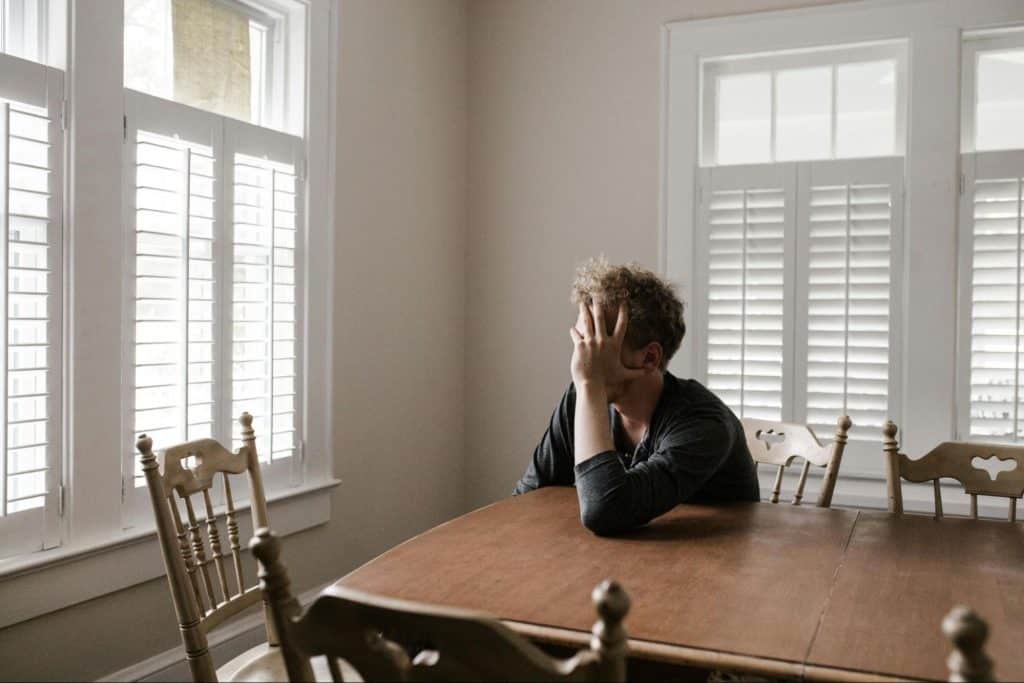
Emotional shutdown can look like healing. The person stops crying, stops talking about it, and seems stable. But shutdown often means feelings were packed away, not processed. This can show up later as distrust, numbness, or sudden triggers. Shutdown also affects future relationships. A shut-down person may avoid intimacy or test partners constantly. That can create new problems long after the betrayal. True moving on includes emotional flexibility, not emotional freezing. It includes being able to trust again, even cautiously. When feelings are processed, they do not need to explode later. Processing is slower upfront but healthier long-term.
Forgiveness and Moving On Are Not the Same
Some people forgive quickly for peace, faith, or family stability. Others never forgive but still move forward. Forgiveness can happen without trust. Trust can rebuild without full forgiveness at first. Moving on includes accepting reality and choosing a path. That path might be reconciliation or separation. A person can forgive and still leave. A person can stay and still struggle. Forgiveness is a personal process; it is not a relationship reset button. Confusing forgiveness with healing creates pressure. Pressure usually slows real recovery.
The Quiet One Isn’t Always the “Strong” One

Silence after betrayal is often misread as strength. Some people go quiet because they are numb or ashamed. Others go quiet because they have already decided to leave. Silence can also hide deep depression or anxiety. On the other hand, the person who talks openly can look “messy,” but may actually be processing in a healthy way. Strength after betrayal is not about looking composed. It is about making clear decisions, setting boundaries, and taking care of mental health. It is also about refusing to normalize disrespect. Quiet can be strength, but it can also be avoidance. The difference shows over time.
Tips: How to Tell If Healing Is Real

Look for reduced obsession and increased emotional regulation. Notice whether triggers recover faster over time instead of staying constant. Watch whether self-esteem improves rather than collapsing. Notice whether boundaries become clearer and easier to enforce. Look for stable routines: sleep, work, friendships, and health habits. Healing also shows up as less desire to “prove” anything. It shows up as calm clarity about what will and will not be tolerated. Real healing makes people less reactive, not more. It makes choices cleaner.
Tips: What Helps Men and Women Recover Faster

Consistency and support matter more than willpower. Honest processing with a trusted person or therapist reduces rumination. Physical routines like exercise and sleep stabilize the nervous system. No-contact or limited contact helps when separation is chosen, especially early. If reconciliation is chosen, transparency and accountability must be consistent, not occasional. Avoid alcohol-fueled coping that delays emotion and increases impulsivity. Build a support system that is not only romantic attention. Learn the lessons without becoming bitter. Healing is faster when reality is accepted and self-respect is protected.
Tips: How to Avoid Comparing Healing Timelines

Stop using outward behavior as proof of inner recovery. One person may look calm while feeling broken. One person may cry while rebuilding strength daily. Avoid turning healing into a competition. The goal is emotional stability and safety, not “winning the breakup.” If the relationship continues, both partners need patience and structure. If the relationship ends, both partners need boundaries and support. Comparing timelines usually increases shame and prolongs pain. Healing is not linear. It is a process of rebuilding identity and trust.
Conclusion: Who Moves On Faster Depends on Detachment, Support, and Clarity

After betrayal, men and women can both appear to move on quickly or slowly. Gender influences expression, but it rarely decides the timeline. The person who detached earlier often looks faster later, and the person who is blindsided often struggles longer. Dating again is not the same as healing, and silence is not the same as strength. Real moving on includes emotional regulation, restored self-respect, and clear boundaries. Reconciliation slows the timeline because triggers remain present, while separation can speed clarity through distance. The healthiest question is not “who moved on faster.” The healthiest question is “what creates real recovery and future safety.” When that is prioritized, healing becomes less confusing and more honest.








Ask Me Anything