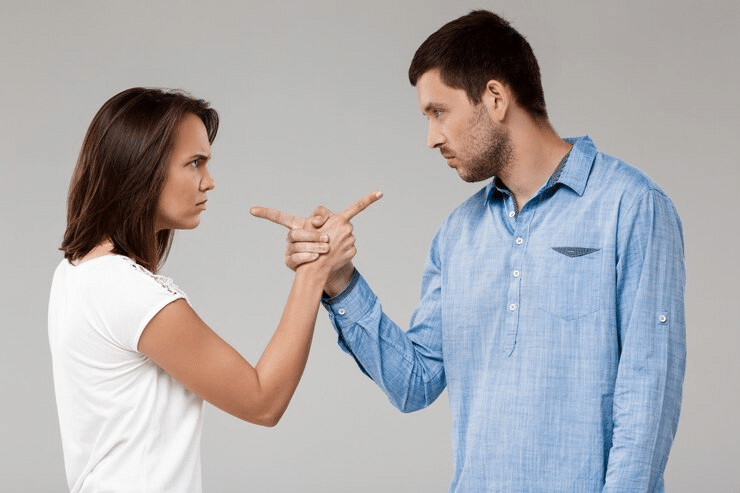
Love can look equally intense on the outside while feeling very different on the inside. Some people love through commitment and responsibility, while others love through emotional presence and constant reassurance. Hurt does not always come from loving “more,” but from loving in a way that creates more exposure. This list breaks down 18 differences in how men and women often love and how that can shape who feels the impact when things go wrong. These are patterns, not rules, and every couple can flip the script. Still, the patterns explain why two people can share a relationship and walk away with completely different bruises.
How Love Gets Shown (and Misread)

Some men tend to show love through providing, fixing problems, and staying consistent. Some women tend to show love through emotional support, attention, and maintaining closeness. Trouble starts when each person expects love to be expressed the way they express it. One partner may feel unappreciated, while the other feels unseen, even if both are trying. The mismatch can lead to silent resentment rather than open conversations. Hurt builds faster when effort is real but never recognized as effort.
Men often love through duty; women often love through connection

A man may believe love is proven by staying loyal, working hard, and showing up reliably. A woman may believe love is proven by emotional intimacy, frequent communication, and feeling chosen daily. When the relationship cracks, the dutiful lover feels like everything given was ignored. The connection-driven lover feels like everything felt was dismissed. Both feel betrayed, but for different reasons. The pain can be sharper when the person’s “love language” is treated like it was never love at all.
Men may protect feelings by going quiet; women may process by talking
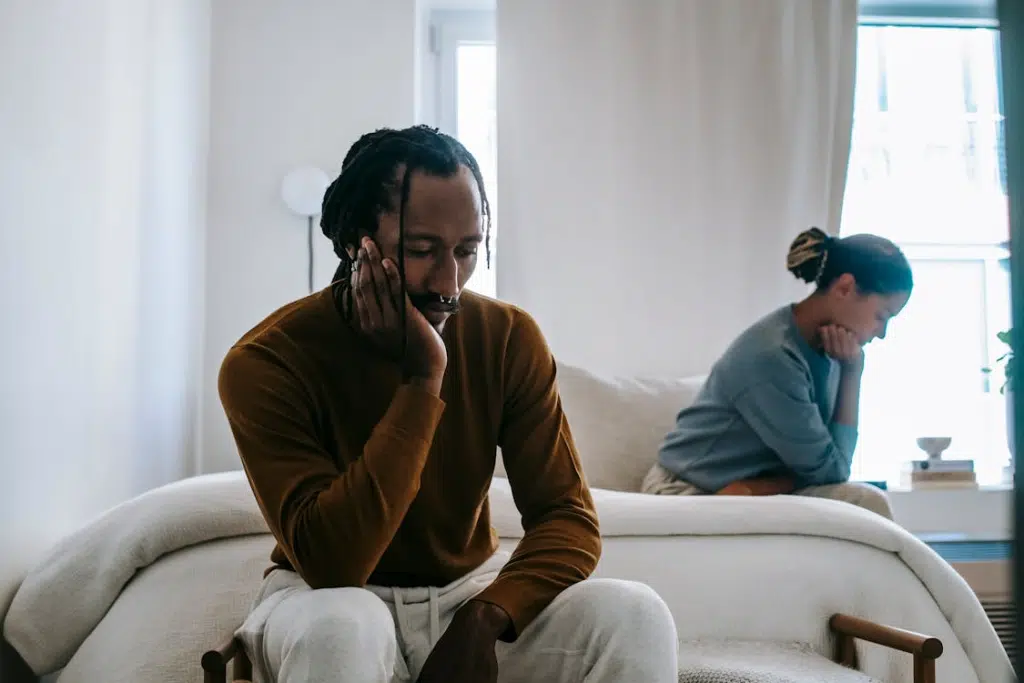
Some men retreat into silence to avoid saying the wrong thing or showing vulnerability. Some women talk more when anxious because clarity feels like safety. The silence can be interpreted as indifference, even when it is self-protection. The talking can be interpreted as pressure, even when it is an attempt to repair. Misinterpretation turns conflict into emotional isolation. Hurt increases when the coping style itself becomes the argument.
Men may show love through “solving”; women may want “sitting with”

A man might hear a problem and immediately try to fix it with actions and solutions. A woman might want validation first, then solutions later, if at all. When solutions arrive too quickly, feelings can seem minimized. When validation arrives without action, effort can seem absent. Both styles are legitimate, but they collide badly during stress. Hurt becomes more likely when one partner feels used as a therapist and the other feels denied emotional support.
What Each Side Often Stakes on Love

People get hurt more when love becomes tied to identity. For some, love is linked to worth, attractiveness, and being chosen. For others, love is linked to pride, competence, and being respected. When love fails, it can feel like proof of personal failure, not just relationship failure. That is why two people can experience the same breakup and suffer differently. The deeper the stake, the sharper the fall.
Women may internalize loss as “not enough”; men may internalize loss as “not respected”
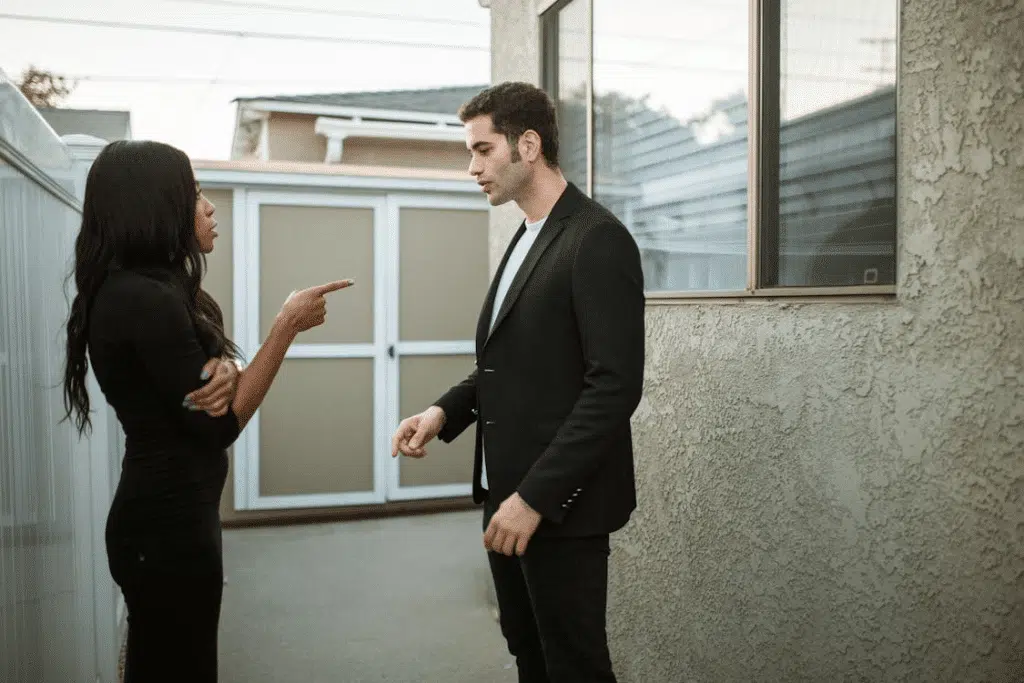
A woman may interpret rejection as a statement about desirability or value. A man may interpret rejection as a statement about status, competence, or being replaceable. Both interpretations create spirals that are hard to stop. One side might chase reassurance, while the other side might shut down to preserve pride. Hurt grows when the breakup becomes a personal verdict. The recovery is harder when identity is tied to the outcome.
Men may risk pride; women may risk emotional safety
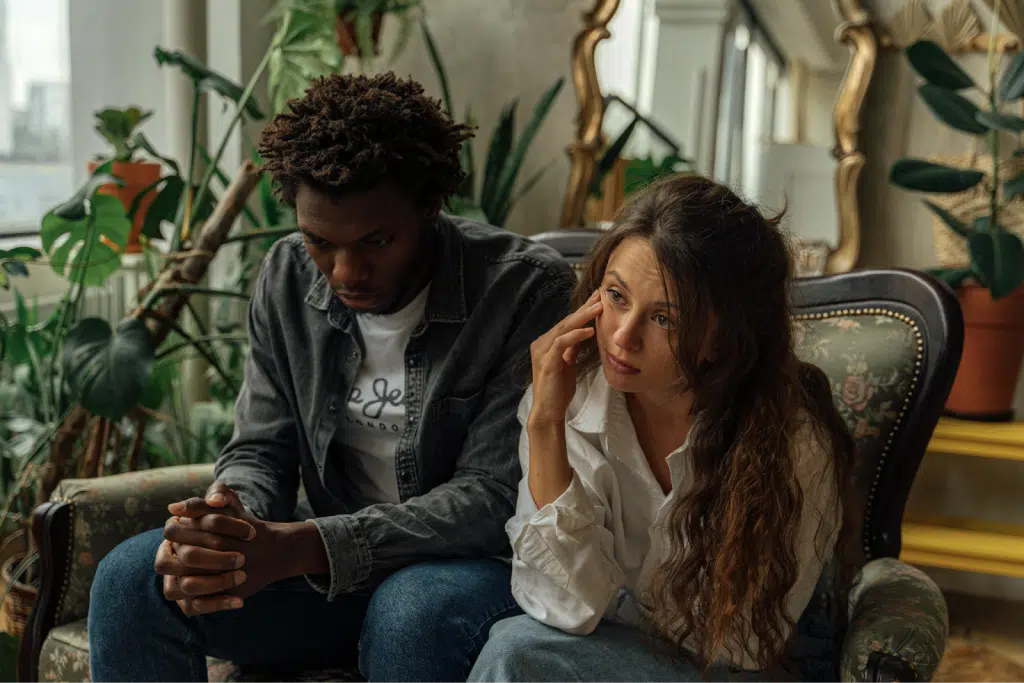
Some men hesitate to love openly because it can feel like handing someone a weapon against their pride. Some women hesitate because it can feel like handing someone the keys to emotional security. When things go wrong, pride wounds can look like anger or indifference. Emotional safety wounds can look like anxiety or grief. Outsiders misread these reactions and pick a “winner” and “loser.” In reality, both are forms of deep hurt with different masks.
Men may fear being replaced; women may fear being abandoned
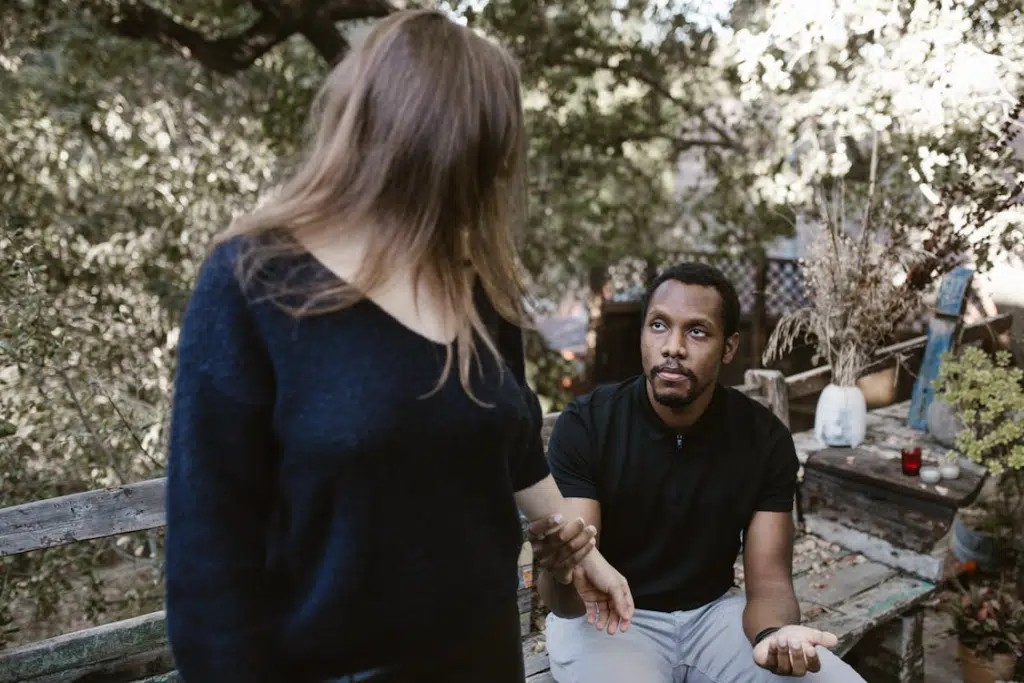
Replacement fear often hits men when they believe their value is performance-based. Abandonment fear often hits women when they believe their value is closeness-based. Both fears can create controlling behaviors that push love away. One side may demand loyalty signals; the other may demand constant reassurance. The relationship becomes a test rather than a bond. Hurt becomes inevitable when love turns into a constant audit.
Men may attach love to legacy; women may attach love to emotional history

Some men fall hard when they see a relationship as part of a life plan and long-term legacy. Some women fall hard when the emotional story and shared memories become central to identity. A breakup then feels like losing a future or losing a self. The pain can be extreme on either side depending on what was invested. This is why “who hurts more” is rarely about gender alone. It is about what love represented.
Conflict Styles That Create Unequal Damage

Conflict is often where “loving harder” gets mistaken for “hurting more.” People who chase repair can look desperate, while people who avoid conflict can look cold. But both patterns usually come from fear. The chaser fears losing connection, while the avoider fears losing control or being judged. The more a person fears, the more they react. Hurt spikes when the conflict style makes the other person feel unsafe.
Women may seek resolution sooner; men may need time before they can talk
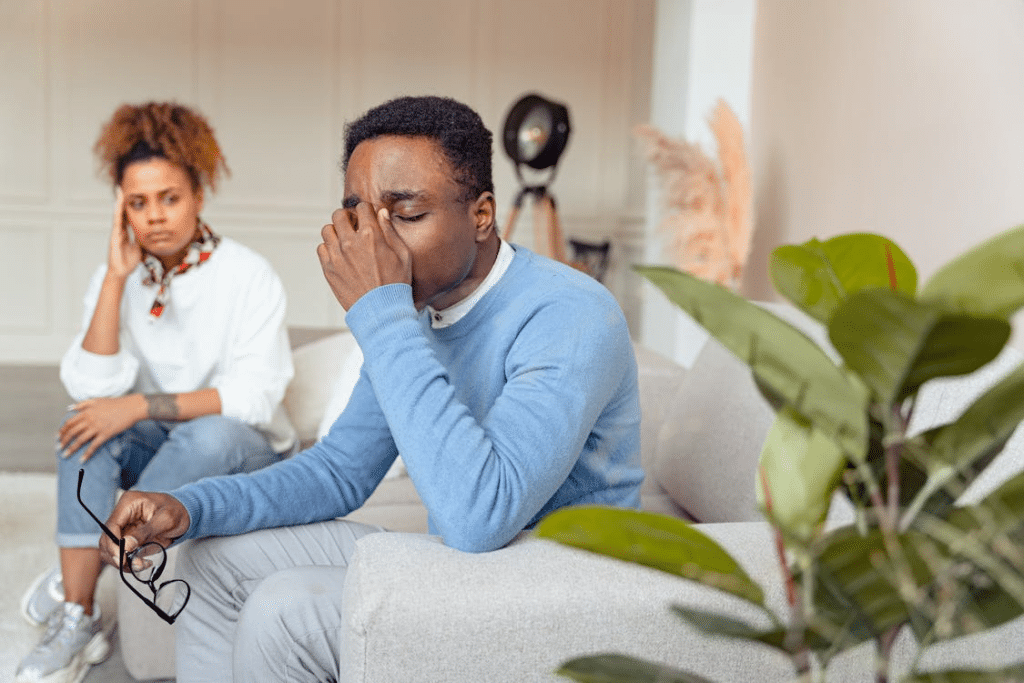
Some women feel calmer once there is a plan, a conversation, or a clear outcome. Some men feel calmer once emotions settle enough to speak without feeling trapped. When these timelines clash, one partner feels neglected and the other feels pressured. The relationship starts to feel like a constant emergency. The person pushing for resolution feels alone, and the person asking for time feels attacked. Hurt grows when timing becomes interpreted as lack of love.
Men may shut down under criticism; women may escalate under distance

Criticism can land like disrespect and trigger withdrawal. Distance can land like rejection and trigger escalation. The cycle becomes predictable: one pulls away, the other pushes harder, and both feel justified. Love turns into a power struggle instead of teamwork. Hurt becomes repetitive because the same fight keeps happening with new details. The relationship does not end from one argument, but from the same argument replayed a hundred times.
Men may express hurt as irritability; women may express hurt as sadness
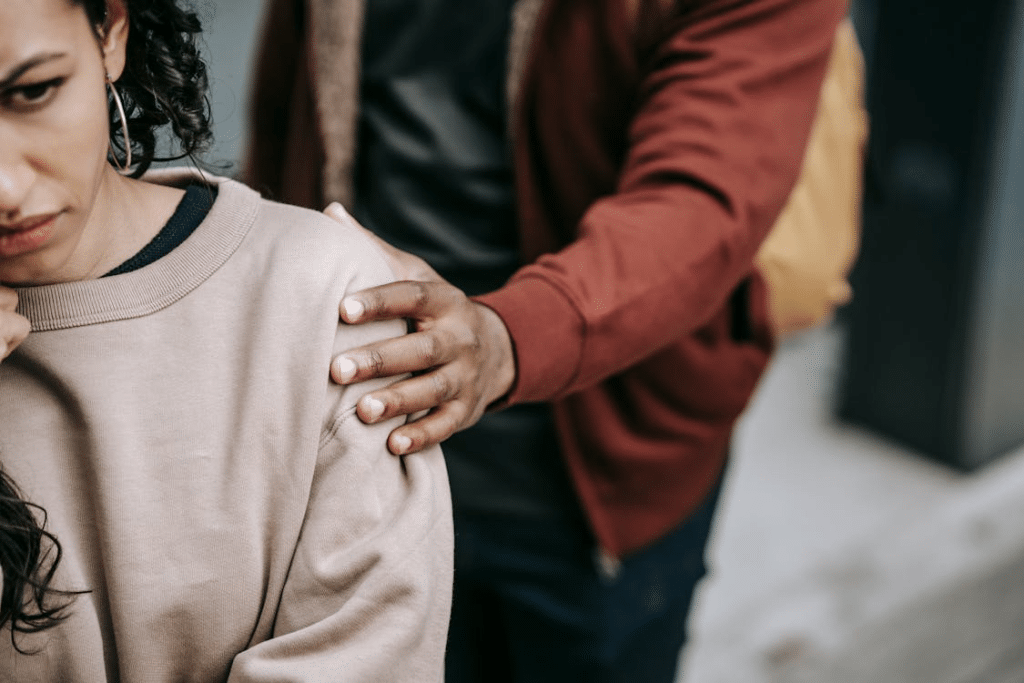
Some men feel safer showing anger than showing heartbreak. Some women feel safer showing sadness than showing rage. This difference can cause massive misunderstanding during conflict. The angry presentation gets labeled as “not caring,” and the sad presentation gets labeled as “overreacting.” Both labels are damaging and unfair. Hurt becomes deeper when emotions are mocked instead of understood.
Women may ask questions for closeness; men may hear questions as interrogation

A woman might ask detailed questions because curiosity feels like intimacy. A man might hear those questions as accusation or a demand for perfect answers. The intent gets lost, and defensiveness takes over. Once defensiveness enters, honesty becomes harder. The conversation turns into who is “right” instead of what is “true.” Hurt builds when love starts to feel like a courtroom.
Breakups, Betrayal, and the Aftermath

The aftermath is where differences show up most clearly. Some people grieve loudly; others grieve privately. Some people seek support; others try to rebuild quietly. Neither approach proves love was deeper or shallower. What matters is how the person processes loss and what they believed the relationship guaranteed. Hurt becomes heavier when the ending threatens stability, identity, or future trust.
Men may suffer quietly to save face; women may suffer openly to process
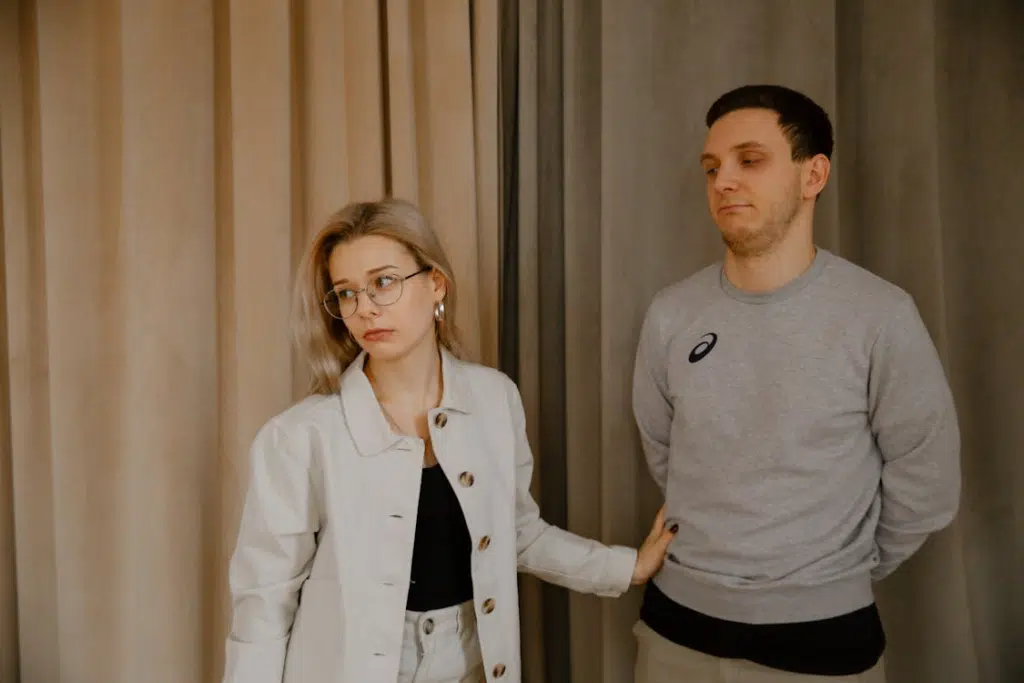
Some men keep pain hidden because showing it can feel humiliating. Some women share pain because naming it helps the mind make sense of it. Quiet suffering can look like “moving on fast” when it is actually suppression. Open suffering can look like “being stuck” when it is actually healing. Both can be true forms of deep love and deep hurt. Hurt becomes worse when the outside world rewards the wrong signal and ignores the real wound.
Women may replay emotional details; men may replay respect-related moments

A woman might replay tone, words, and the moment she felt emotionally abandoned. A man might replay the moment he felt dismissed, replaced, or made small. The replay keeps the nervous system on high alert. It also shapes what future partners must pay for. One side becomes guarded emotionally, and the other becomes guarded in pride. Hurt becomes longer-lasting when memory becomes a courtroom replay instead of a lesson.
Five more ways hurt can land differently

Some people seem fine on the outside because they stay busy and social, while others look visibly shaken because they talk it out or withdraw, and neither reaction proves who loved more—it only shows how each person protects themselves after a loss; men may feel especially hurt when love felt transactional or when they believe they failed a role they were trying to live up to, while women may feel especially hurt when love felt conditional or when they feel a bond they built their emotional world around was taken away; men often regret what was left unsaid, women often regret what was said too much, and both forms of regret can keep the mind replaying moments instead of healing.
The Real Answer Isn’t “Him or Her”

Who loves harder and who gets hurt more depends less on gender and more on what love represents to that person. Some people attach love to identity, safety, pride, or future plans, and those attachments decide the size of the wound. Men and women can both love deeply, and both can suffer intensely, just in different languages. The healthiest takeaway is not to “win” the debate, but to notice mismatched needs before resentment becomes damage. When love is expressed clearly and received accurately, both sides suffer less. When love is assumed and misread, both sides pay more than they expected.







Ask Me Anything