
A relationship with constant fighting is exhausting, but a relationship with zero conflict is not always healthy. Sometimes “we don’t argue anymore” means the couple learned to communicate better. Other times, it means someone stopped trying. When a partner stops arguing, it can signal resignation, emotional shutdown, or quiet detachment. The relationship may look calmer on the surface, but colder underneath. That’s why this stage can be dangerous: it feels like improvement while the bond is actually weakening. People often realize it too late, when affection is gone and the partner feels emotionally distant. These 16 situations show what it can look like when arguing stops for the wrong reasons, and why it’s usually a warning sign.
The Quiet Quit Stage: When One Partner Stops Believing Change Is Possible

Arguing is often a sign that someone still cares and still hopes the relationship can improve. When hope dies, arguing often dies too. The partner stops bringing issues up because it feels pointless. They may still do their responsibilities, but emotionally they begin stepping back. This stage can feel confusing because the home becomes quieter. But the quiet is not peace, it is resignation. Resignation changes tone, warmth, and effort. It also reduces intimacy because vulnerability feels useless. These situations often show the quiet quiet stage.
They Stop Bringing Up the Same Issue Because It Never Changes

At first, the issue gets raised repeatedly because it matters. Over time, the person stops mentioning it because the outcome never improves. They start expecting disappointment and adjust their expectations downward. That adjustment can look like maturity, but it often hides hurt. When expectations drop, effort usually drops too. The relationship becomes less demanding, but also less connected. Eventually, the partner stops needing you emotionally. Not needing you can feel calm, but it’s often a sign of detachment. Arguing stops because hope stops.
They Say “It’s Fine” With a Flat Tone and No Follow-Up

A calm “it’s fine” can sometimes be genuine. But a flat “it’s fine” often means emotional shutdown. The person does not want to explain because explaining has not worked before. They may also be tired of repeating themselves. The lack of follow-up is the key sign. Real peace includes warmth and connection afterward. Shutdown peace includes distance and coldness. When someone stops explaining, they stop inviting you into their inner world. That reduces intimacy. Intimacy fades when inner worlds become private. The argument ends, but the relationship ends slowly too.
They Stop Asking for Help and Just Do Everything Alone

This is one of the clearest warning signs. When someone stops asking, it often means they stopped expecting support. They would rather carry the load alone than risk frustration. Over time, this creates emotional independence. Emotional independence can turn into emotional exit. Many partners think, “Great, no more complaints.” But it’s not great if the partner is quietly building a life that doesn’t require you. That is not peace. That is separation. Arguing stops because teamwork stopped.
They Stop Correcting You in Public and Let You Embarrass Yourself

In connected relationships, partners protect each other. They quietly signal, support, or help maintain dignity. When that stops, it can mean emotional loyalty is weakening. The partner might stop defending or protecting because it no longer feels worth the effort. This can feel subtle, but it matters. It signals detachment and loss of pride in the relationship. Pride is a bonding force. When pride fades, distance grows. They may not argue about it anymore because they stopped investing. The silence is not kindness; it is withdrawal.
The Avoidance Calm: When Peace Exists Only Because Issues Are Being Buried

Some couples stop arguing because they avoid anything that could create conflict. They walk around sensitive topics and pretend everything is fine. This creates a low-conflict home, but also a low-honesty relationship. Low honesty leads to low intimacy. Intimacy needs truth. When truth becomes dangerous, people become careful instead of close. Careful relationships feel tense even when quiet. Partners start living parallel lives to avoid friction. That parallel living reduces warmth and attraction. Eventually, someone feels lonely enough to leave. These situations show avoidance calmly.
Every Conversation Stays Surface-Level to Avoid Tension

When people stop going deeper, it’s often because deep talk triggers conflict. So they stick to safe topics: kids, chores, work, and logistics. This prevents arguing, but it also prevents closeness. Over time, the couple becomes more like roommates. Roommates can be polite and calm, but they are not emotionally intimate. The relationship loses playfulness and curiosity. That loss affects attraction and loyalty. A partner might feel like they are living with a stranger. The lack of arguments is not improvement, it is avoidance. Avoidance slowly kills connection.
They Stop Sharing Opinions and Just Nod Along

This often looks like cooperation, but it’s sometimes emotional surrender. They nod because disagreement feels exhausting. They may believe their opinion won’t matter anyway. Over time, they stop showing their full personality. That reduces the relationship’s emotional richness. It also reduces respect because one partner becomes passive. Passive partners often feel less attractive over time. Not because they are “weak,” but because the relationship loses real engagement. Engagement is what keeps love alive. If someone stops engaging, the bond becomes thin. Thin bonds break under stress.
You Notice More Quiet Resentment Than Loud Arguments

Resentment can be loud or silent. Silent resentment is particularly dangerous because it hides behind calm behavior. The partner may be polite but colder. They may comply but without warmth. They may stop laughing, flirting, or being affectionate. That’s resentment showing up as distance. The lack of arguing is not because things are good. It’s because the partner is tired of fighting. That tiredness often becomes emotional numbness. Numbness is the opposite of desire. When resentment becomes quiet, the relationship becomes fragile.
Problems Get “Solved” By Avoiding Each Other

Some couples reduce conflict by separating emotionally and physically. They spend more time in different rooms or separate activities. They talk less to avoid irritation. This reduces arguments but increases loneliness. Loneliness inside a relationship is a breakup driver. Over time, partners stop reaching for each other. They stop checking in. They stop trying to repair it. They begin living separate lives while still technically together. This stage often feels calm but empty. Empty relationships can last for years, but they rarely feel happy. The lack of arguments is hiding the deeper issue: no connection.
The Emotional Detachment Stage: When the Relationship Stops Feeling Worth Fighting For

At some point, a partner may stop arguing because they stopped caring enough to push. This is the most painful reason, but also one of the most common. Fighting is effort. It takes emotional energy and hope. When hope is gone, effort becomes wasteful. The partner chooses emotional safety by lowering expectations. That makes the relationship quieter. But it also makes it colder. These situations show emotional detachment signs that often appear before a breakup, even if nobody says it out loud.
They Start Making Plans Without You

This can be subtle: separate trips, separate goals, separate financial planning, separate future thinking. It signals that “we” is becoming “me.” When a partner stops seeing the future as shared, the relationship is weakening. They may not argue because they are no longer negotiating a shared life. Negotiation is effort. No negotiation means no shared vision. Shared vision is one of the strongest relationship glues. Without it, the relationship becomes temporary in feeling, even if it continues on paper. Planning alone is often emotional exit behavior. It usually comes after long disappointment.
They Stop Feeling Hurt, They Just Feel Numb

Anger and hurt still mean emotions are active. Numbness often means emotions have shut down. A numb partner may not cry, yell, or argue anymore. They may simply become indifferent. Indifference is dangerous because it removes motivation to repair. Many people misunderstand numbness as maturity. But maturity still includes care. Numbness is often a defense against pain. When numbness becomes normal, affection usually drops. Intimacy becomes awkward. The relationship becomes emotionally empty. If numbness is present, the lack of arguments is not a win.
They Become Polite, But Not Warm

Politeness can hide distance. The partner might say the right things, do responsibilities, and avoid conflict. But warmth is missing. Warmth includes affection, playfulness, and genuine interest. When warmth disappears, the relationship becomes formal. Formal relationships feel emotionally cold. Many couples stay in this stage because it looks stable. But it feels lonely. Loneliness often turns into emotional exit or outside validation seeking. If politeness replaces warmth, something needs attention. The absence of arguments is not proof of health.
They Start Agreeing Too Fast, Like They Want the Conversation to End

Quick agreement can signal fear or fatigue. The partner agrees to escape the conversation, not because they truly accept the outcome. This prevents real solutions because the issue is never addressed. The partner’s real thoughts stay hidden. Hidden thoughts become resentment. Resentment becomes distance. Distance becomes a breakup. Quick agreement is often a shutdown strategy. It also trains the other partner to stop asking questions. Then both people avoid reality. Avoided reality does not disappear; it accumulates. This is why “easy agreement” can be a warning sign.
They Stop Saying What They Need
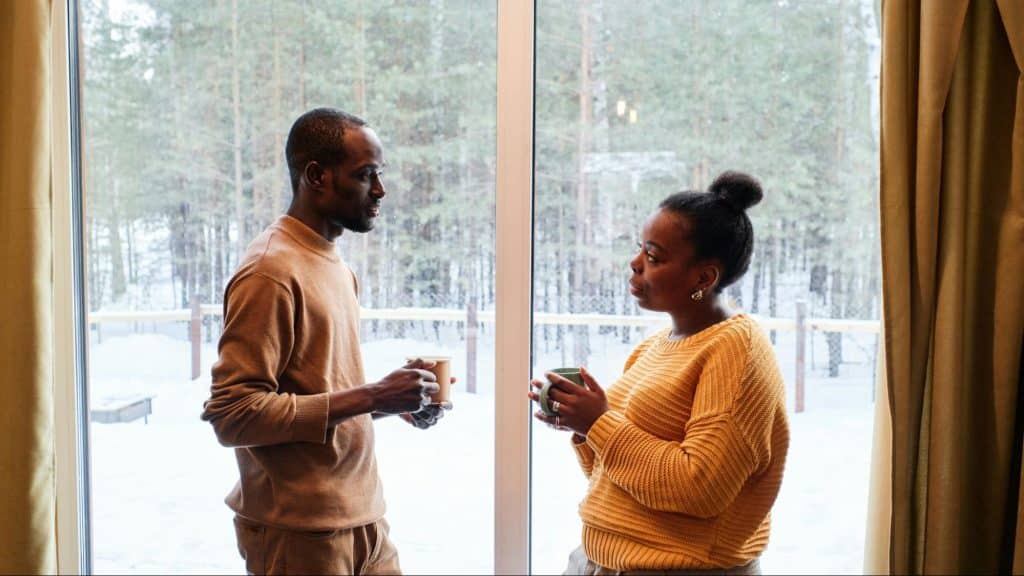
Needs are the bridge to intimacy. When someone stops expressing needs, they stop being vulnerable. That often happens when needs were dismissed in the past. The partner learns to rely on themselves emotionally. Emotional self-reliance can be healthy, but total self-reliance inside a relationship creates loneliness. When needs are hidden, resentment grows because needs remain unmet. The relationship becomes less honest. Less honesty means less closeness. Less closeness means less desire. If needs are disappearing, the relationship is in trouble. The lack of arguments is a symptom, not a success.
They Don’t Miss You the Same Way

Missing a partner is not required daily, but it often signals attachment. When someone stops missing you, it can mean emotional detachment. They may travel or spend time apart and feel relief instead of longing. Relief is sometimes a warning sign if it indicates the relationship feels draining. Over time, the partner becomes comfortable without you. Comfort without you can become preference without you. Preference without you is a breakup path. Many people notice this too late. They think the quiet means stability. But the quiet might mean detachment.
Tips: How to Tell Healthy Calm From Resignation Calm

Healthy calm includes warmth, affection, and honest conversations. Resignation calm includes distance, flat tone, and reduced effort. Healthy calm still repairs after conflict. Resignation calmly avoids repair and avoids depth. Healthy calm includes shared planning and shared humor. Resignation calmly includes parallel lives and low curiosity. Healthy calm makes you feel closer. Resignation calmly makes you feel lonelier. Look at the emotional temperature, not just the volume. If the house is quiet but cold, it’s not peaceful.
Tips: What to Do If Arguing Has Stopped in a Bad Way

Start by naming the pattern gently without accusing. Ask direct questions about what has changed emotionally. Create a safer conflict environment by lowering defensiveness and keeping tone respectful. Bring back repair habits: closure after arguments, accountability, and reassurance. Rebuild connection with small rituals: daily check-ins, shared walks, or phone-free time. Share responsibility more fairly to reduce burnout and resentment. Avoid panic efforts that last one week. Make changes consistent and visible. Resignation reverses only when hope is rebuilt through proof.
When Arguing Stops, the Real Question Is Why

Not arguing can mean a couple learned how to communicate better. But it can also mean a partner stopped believing things will change. The difference is warmth and effort. Healthy calm feels connected. Resignation calm feels distant. If the relationship is quieter but colder, it needs attention now, not later. The earlier the pattern is addressed, the easier it is to rebuild. Honest conversation, better repair, and shared responsibility often restore hope. Hope is what brings effort back. Effort is what brings warmth back. And warmth is what keeps love alive long-term.








Ask Me Anything