
Silence is never empty in a relationship. Sometimes it’s peace, sometimes it’s distance, and sometimes it’s the truth you’ve both been avoiding. The quiet between two people can carry affection, confusion, or finality, depending on the emotion beneath it. While words explain, silence reveals. It shows whether a relationship still breathes or has simply stopped making noise.
The Silence of Shared Comfort

There’s a kind of silence that feels full, not empty, when two people can sit side by side and feel perfectly understood. No need for conversation, no pressure to perform; the quiet itself becomes companionship. This is the sound of connection that doesn’t rely on words to exist. When peace replaces performance, love has matured. Silence like this doesn’t separate, it unites.
The Pause Before “I Love You”

That stillness before the words are spoken carries more truth than the phrase itself. It’s the space where fear, hope, and vulnerability coexist. The pause shows the weight of what’s about to be said, the moment when both hearts acknowledge change. In love, timing matters as much as expression. Silence here isn’t hesitation; it’s reverence.
The Quiet After Laughter

When laughter fades and stillness follows, it reveals the comfort that only closeness can create. There’s no awkwardness, no need to fill the gap, just calm satisfaction in being near. This silence is soft and affectionate, the sound of mutual ease. It’s a reminder that joy doesn’t end when words do. It lingers in the quiet like warmth after sunlight.
The Stillness of Understanding

Some moments need no explanation, a glance, a sigh, or a touch can say everything. When two people understand each other without speaking, silence becomes sacred. It’s communication without language, trust without demand. This kind of quiet is rare and often unspoken because it feels complete. It’s love’s simplest, most honest dialect.
The Silence That Follows a Fight

After heated words, silence can feel like fog, thick, heavy, impossible to breathe through. It’s not always peace; sometimes it’s exhaustion wearing a calm disguise. Each person waits for the other to bridge the gap, unsure if speaking will heal or reopen wounds. Silence after conflict often says: “I’m still here, but I don’t know how to start again.” What matters isn’t the quiet itself, but how long it lasts.
The Silence of Withheld Apologies

This is the quiet between pride and regret. Both hearts feel the tension, but neither wants to bend first. Apologies remain trapped behind stubbornness, and silence becomes the battleground where love quietly loses ground. It’s not anger that hurts most, it’s the absence of humility. Words could fix it, but silence keeps winning.
The Growing Silence of Disinterest

It starts subtly, shorter replies, slower responses, less laughter. The space once filled with conversation now stretches into long, empty pauses. This isn’t comfort; it’s disconnected. Silence becomes a shield against confrontation, a quiet confession that effort is fading. It’s not what’s said that hurts, it’s what isn’t.
The Silence That Replaces Curiosity

When questions disappear, so does care. The desire to know, understand, and engage fades into polite detachment. Conversations turn functional, about chores, schedules, or obligations. She feels it most when stories go untold because interest no longer lives there. Silence becomes the proof that love has stopped wandering.
The Silence of Emotional Withdrawal

When someone stops sharing their thoughts, it’s rarely because they’ve run out of them. Silence becomes a way to protect feelings they no longer want exposed. It’s a retreat that looks peaceful but feels cold. Communication fades not because there’s nothing left to say, but because there’s no longer a desire to be understood. Silence here isn’t calm, it’s caution.
The Silence That Follows “I’m Fine”

Few phrases hide as much pain as those two words. The quiet that follows them hums with everything left unsaid. “I’m fine” often means, “I don’t feel safe enough to tell you what’s wrong.” The silence that follows is a request for presence, not pressure. When someone says nothing after saying they’re fine, that’s when they need to be heard most.
The Silence Before a Difficult Truth

There’s a pause before honesty, a breath that carries both fear and relief. In that space, everything feels fragile, the truth, the bond, the future. Silence before confession isn’t avoidance; it’s acknowledgment of what’s about to change. Words can alter everything; silence delays the inevitable. But in that pause lives the courage to be real.
The Silence After the Truth Comes Out

After difficult words are spoken, silence becomes sacred again, not out of avoidance, but acceptance. It’s the body processing what the mind already knows. No sentence can soften a truth once it’s released. Sometimes, the absence of speech is the only respectful response. In that quiet, understanding finally begins.
The Silence of Growing Apart

Two people can share a home, a bed, and a life, yet live miles apart emotionally. Conversations turn into logistics, affection turns into routine. It’s not hostility, it’s emptiness. The quiet stretches between them like distance measured in sighs. This silence isn’t peaceful; it’s proof of two hearts beating out of sync.
The Silence That Feels Like Waiting

One partner hopes, the other hesitates. Silence becomes the space between effort and detachment, where one still reaches out and the other no longer responds. It’s a limbo filled with questions that never find answers. Waiting becomes communication in itself. Hope begins to fade not with words, but with their absence.
The Silence That Demands Attention

Sometimes silence isn’t passive, it’s purposeful. It’s the way someone says, “I’m hurt,” without saying a word. The withdrawal is intentional, an emotional protest for recognition. This kind of quiet isn’t absence; it’s expression. When love feels unheard, silence becomes the loudest plea for change.
The Silence of Reflection
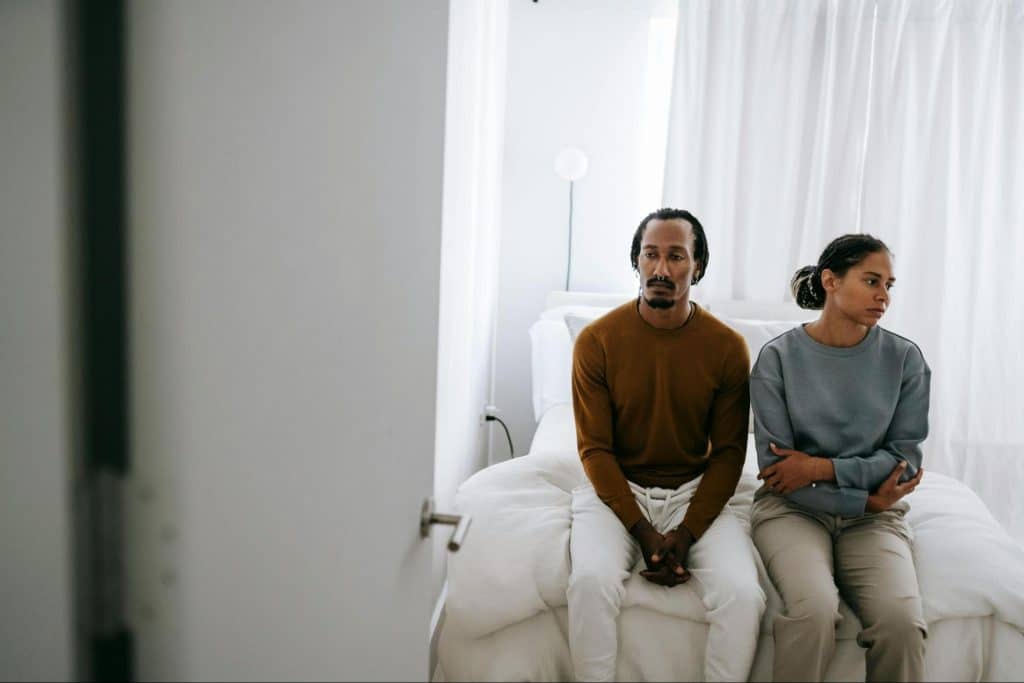
Not all quiet is loss. Some silences carry healing, the pause that allows understanding to grow. Reflection replaces reaction. In this space, both people start seeing patterns instead of assigning blame. Silence becomes the bridge between awareness and maturity. It’s the sound of growth beginning quietly.
The Silence That Brings Peace

Eventually, silence stops hurting. It no longer represents avoidance or tension but understanding. There’s nothing left to fix, no words left to force, only calm acceptance of what is. Some silences mean goodbye, others mean healing. The difference lies in whether you feel emptiness or peace when it arrives.
When Quiet Speaks the Truth

Not every truth is meant to be spoken. Some truths live in pauses, in the space between one heart and another. In relationships, silence is both a language and a mirror, revealing what connection hides and what distance confirms. It can be gentle or cruel, comforting or cold. The lesson is not to fear silence, but to listen to it. What you hear there often tells you everything.








Ask Me Anything