
Closeness is often seen as a sign of a strong relationship, but there is a point where it can start to feel overwhelming instead of supportive. When a relationship becomes too dependent, the balance between connection and individuality begins to shift. What once felt comforting can slowly turn into pressure. Instead of choosing to be together, it may start to feel like a need rather than a want. This change is not always obvious at first. It builds gradually through habits, expectations, and emotional reliance. The relationship may still feel close, but something starts to feel off. The following slides explore how this shift happens and what it changes.
It Starts With Constant Reliance

Dependence often begins in subtle ways, usually through emotional reliance that feels natural at first. One or both people may start turning to the relationship for reassurance, validation, or stability more frequently. This does not feel like a problem in the beginning. It can even feel like closeness is growing. However, as reliance increases, it starts to replace personal independence. Instead of managing emotions individually, everything begins to run through the relationship. This creates a pattern where one person’s emotional state depends heavily on the other. That shift is where dependence starts forming.
Personal Space Starts to Shrink

As dependence grows, personal space often becomes less comfortable. Time apart may start to feel unfamiliar or even unsettling. What was once normal, like spending time alone or focusing on individual interests, can begin to feel like distance. This changes how space is experienced. Instead of being healthy, it may feel like something is wrong. The relationship becomes the primary source of comfort. This reduces individuality over time. Space starts to feel like a problem instead of a necessity.
Independence Begins to Fade
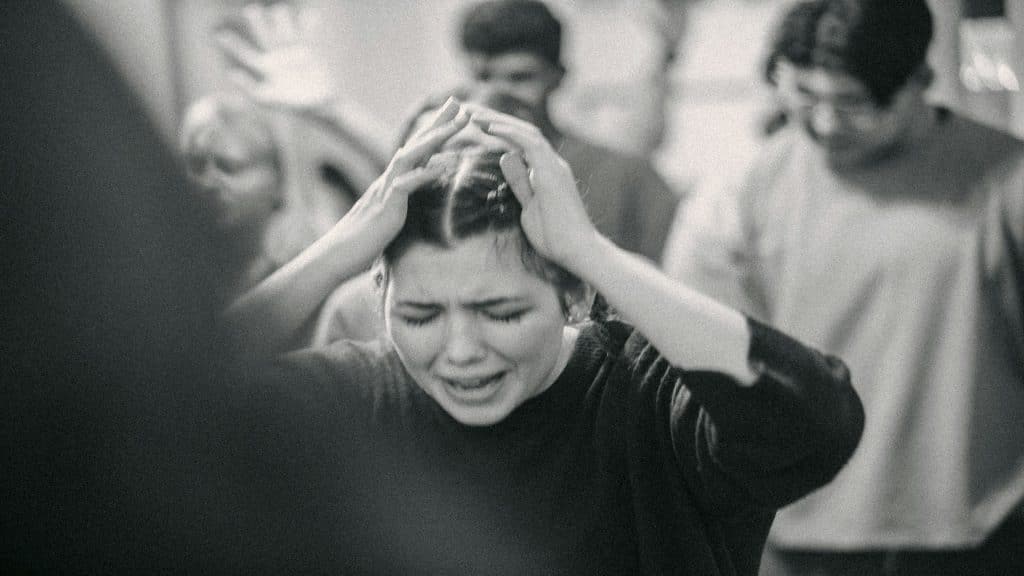
With increased dependence, independence can slowly fade without being noticed. Decisions, emotions, and daily routines may start revolving around the relationship. This creates a dynamic where personal identity becomes less defined. Instead of two individuals, the relationship begins to function as a single unit. While this may feel connected, it can also feel limiting. Personal growth may slow down. The ability to function independently becomes weaker. This shift changes how both people experience themselves.
Emotional Pressure Starts Building

When one person becomes a primary source of emotional support, pressure naturally increases. There can be an unspoken expectation to always be available, understanding, and responsive. This responsibility can feel heavy over time. Even if it is not openly discussed, it is still felt. The relationship begins to carry more emotional weight than it was meant to. This creates tension beneath the surface. Pressure replaces ease. That change affects the overall dynamic.
Reassurance Becomes Constant

In dependent dynamics, reassurance can become a frequent need rather than an occasional one. Questions about feelings, commitment, or stability may come up more often. This is not always intentional. It comes from underlying insecurity or reliance. Over time, the need for reassurance can feel repetitive. It may start to replace natural trust. The relationship becomes centered around maintaining emotional security. This changes how connection is experienced.
Small Issues Feel Bigger Than They Are

When dependence is high, small issues can feel amplified. Minor misunderstandings may carry more emotional weight than they normally would. This happens because the relationship holds so much importance. Any disruption feels significant. This creates a more reactive dynamic. Situations that would usually pass quickly may linger. Emotional responses become stronger. This adds strain to the relationship.
Boundaries Become Less Clear

Healthy boundaries often become blurred in dependent relationships. It may become unclear where one person ends and the other begins. Personal needs can be overlooked in favor of maintaining the connection. This creates confusion about what is acceptable. Without boundaries, everything feels shared and immediate. This can lead to imbalance. Clear separation between individuals becomes harder to maintain. That lack of clarity affects stability.
Decision-Making Becomes Shared by Default

In a dependent dynamic, decisions may start to feel like they always need to be shared. Even small choices may involve both people. This can reduce personal autonomy. It creates a habit of constant consultation. While this may feel collaborative, it can also feel restrictive. Individual preference becomes less expressed. Over time, this changes how independence is experienced. Decision-making becomes less personal.
The Relationship Starts Feeling Like a Responsibility

As dependence increases, the relationship can start to feel like a responsibility instead of a choice. There may be a sense of needing to maintain stability at all times. This creates pressure to meet expectations. The natural flow of the relationship becomes more controlled. Instead of enjoying connection, there is a focus on maintaining it. This shift can feel subtle but significant. It changes the emotional tone.
Emotional Highs and Lows Become Stronger

Dependent relationships often experience more intense emotional fluctuations. When things feel good, they feel very good. When things feel uncertain, they feel overwhelming. This creates a cycle of highs and lows. Emotional balance becomes harder to maintain. The relationship becomes the main source of emotional experience. This intensity can be draining over time. It affects stability.
Time Apart Feels Uncomfortable

Spending time apart may start to feel uncomfortable or unnatural. Instead of being neutral, it can create unease or overthinking. This reflects how much the relationship has become a central focus. Being alone may feel like something is missing. This changes how independence is experienced. Time apart becomes something to manage rather than enjoy. This reinforces dependence.
Individual Growth Slows Down

When everything revolves around the relationship, personal growth can slow down. There may be less focus on individual goals, interests, or development. The relationship becomes the primary area of attention. This creates imbalance over time. Growth requires space and independence. Without it, progress can feel limited. This affects both individuals. It changes long-term potential.
Conflict Feels Harder to Handle

Conflict can feel more intense in dependent relationships. Disagreements may feel threatening rather than manageable. This is because the relationship carries so much emotional weight. Addressing issues can feel risky. Avoidance may become more common. This prevents resolution. Conflict becomes something to fear rather than work through. This weakens stability.
One Person May Feel Overwhelmed

In some cases, one person may begin to feel overwhelmed by the level of dependence. The expectation to provide constant support can feel exhausting. This may not be expressed immediately. Instead, it builds gradually. The relationship starts to feel unbalanced. One gives more than they can sustain. This creates emotional strain. That imbalance affects connection.
The Other May Feel Insecure

At the same time, the person relying more on the relationship may feel increased insecurity. The need for reassurance grows. Small changes in behavior may feel significant. This creates a cycle of dependence and uncertainty. The more reassurance is needed, the less stable things feel. This reinforces the dynamic. It becomes harder to break.
The Dynamic Becomes Imbalanced

Over time, the relationship may start to feel uneven. One person may take on more emotional responsibility than the other. This creates a shift in roles. The balance between giving and receiving changes. This affects how both people experience the relationship. Imbalance creates tension. It reduces mutual ease.
It Can Lead to Emotional Exhaustion

Constant emotional reliance can become exhausting for both people. Maintaining the connection requires ongoing effort. This can reduce energy over time. The relationship starts to feel draining instead of supportive. Emotional exhaustion builds gradually. It affects how the connection feels. This can lead to withdrawal.
Awareness Becomes the First Step to Change

Recognizing the pattern is an important step. Awareness allows the dynamic to be understood more clearly. Without it, the cycle continues unnoticed. Once identified, changes can begin. This creates an opportunity for balance. Awareness shifts perspective. It helps break automatic patterns.
Reintroducing Balance Changes the Dynamic

Restoring balance involves bringing back individuality and space. This does not reduce connection. It strengthens it. Personal independence supports a healthier dynamic. It allows the relationship to feel less pressured. Balance creates stability. It makes connection feel more natural again.
Connection Works Best With Both Closeness and Independence

In the end, a healthy relationship includes both closeness and independence. One does not replace the other. When both are present, the connection feels balanced. The relationship becomes a choice rather than a need. This creates a stronger and more sustainable dynamic.








Ask Me Anything