
A man’s silence is often assumed to mean apathy, disinterest, or withdrawal. But in many cases, it’s not about shutting someone out, it’s about trying to process emotions in private. For men raised to internalize rather than verbalize, silence can feel safer than risking a misstep. This misunderstanding creates emotional distance, not because of a lack of care, but because of a lack of expression. The intent behind the quiet is rarely what it appears to be on the surface.
When He Didn’t Text Back Right Away

A delayed reply is easy to misinterpret as ignoring or avoidance. In reality, some men take longer to respond because they want to be thoughtful or because they’re overwhelmed and unsure of how to engage. For many, texting isn’t a natural emotional outlet, it’s a task. Silence here isn’t about disinterest; it’s often about uncertainty or mental fatigue. Not every pause is a push away.
When He Shut Down After an Argument

When tension rises, some men go quiet, not to punish, but to protect. Arguments can trigger deep-seated discomfort, especially for those taught to avoid confrontation. Silence after a fight often masks emotional flooding or fear of escalation. It’s not indifference, it’s often fear of making things worse. What looks like coldness may be internal chaos.
When He Needed Time Alone

Taking space doesn’t mean losing interest. For some men, alone time is how they self-regulate and decompress. But without explanation, that retreat can seem like emotional detachment. In truth, it’s often an attempt to return stronger, calmer, and more available. Silence in solitude isn’t abandonment, it’s recovery.
When He Was Focused on Work or Stress

Men under pressure often go into “fix-it” mode. Focused silence isn’t meant to exclude others, it’s how they handle challenges. But that tunnel vision can seem like an emotional absence. Partners might feel pushed out when in reality, they’re just not being pulled into that mental space. It’s not a lack of love, it’s a different way of coping.
When He Didn’t Know How to Comfort Her

Sometimes silence comes from feeling unequipped. When someone they care about is hurting, some men freeze, worried that words might make it worse. Their stillness is often fear of failure, not lack of concern. What reads as emotional distance is often silent support wrapped in uncertainty.
When He Felt Misunderstood
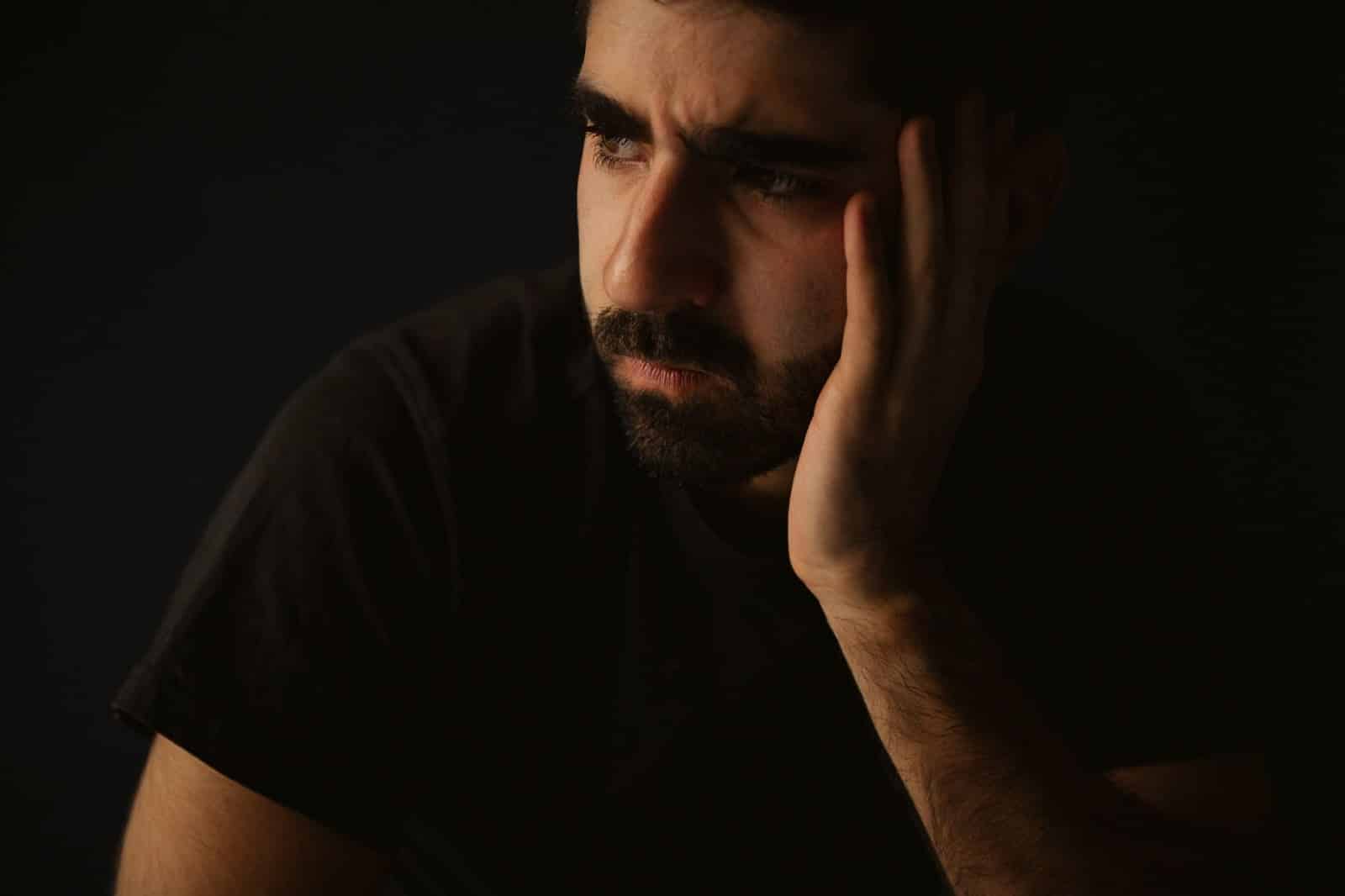
Repeatedly feeling unheard can lead men to withdraw rather than repeat themselves. If every attempt to explain is met with conflict, silence can feel like the only option left. It’s not a passive-aggressive choice, it’s emotional exhaustion. Silence becomes a shield against feeling dismissed.
When He Was Battling His Own Emotions

Men aren’t always taught how to name or manage their emotions. When grief, sadness, or anxiety show up, silence often follows. It’s not a lack of trust, it’s a lack of tools. The internal storm doesn’t come with subtitles, so partners are left guessing at what’s really going on behind the quiet.
When He Felt Guilty but Couldn’t Admit It

Guilt often silences men more than anger does. When they’ve done something they regret, some men don’t rush to apologize, they freeze. This quiet is self-directed shame, not a disregard for others’ feelings. But without explanation, that silence reads as detachment or lack of remorse.
When He Was Trying Not to Say the Wrong Thing

Fear of saying something that will be used against them later can lead men to default to silence. It’s not that they have nothing to say, it’s that they’re measuring every word for potential fallout. This guardedness may be rooted in past relationships or deeper communication fears. Silence, in this case, is caution, not carelessness.
When Silence Is Self-Protection, Not Distance

Many men have been conditioned to stay silent to avoid appearing weak. That silence isn’t always about the other person, it’s about old armor they haven’t figured out how to shed. They’re not pulling away, they’re trying to stay emotionally safe. The walls aren’t rejection; they’re a habit.
When Emotional Needs Go Unnamed

Sometimes men don’t speak up because they don’t even know what they need emotionally. If they’ve never been encouraged to explore their feelings, silence becomes the default. They’re not being dismissive, they’re disconnected from their own emotional vocabulary. Silence here is confusion, not neglect.
When Words Felt Too Heavy

There are moments when words feel too small or too dangerous to carry what’s really being felt. In these times, men may retreat, not to hide but because they can’t yet translate their experience into speech. The fear of being misunderstood or judged keeps them quiet. It’s not emotional absence, it’s emotional overload.
When His Love Looked Different Than Expected

Men express love in different ways, acts of service, presence, protection. If those gestures aren’t recognized or appreciated, silence may follow. It’s not that they stop caring, it’s that they feel unseen. Silence becomes the placeholder for the affection they don’t know how to rephrase.
When Listening Would Have Been the Answer

In many of these moments, what men needed wasn’t to defend their silence, but to be gently invited out of it. Understanding, not assumption, opens the door to honest conversation. When silence is met with curiosity instead of judgment, connection deepens. Not every quiet moment is a rejection. Sometimes, it’s just waiting to be heard.








Ask Me Anything