
Kissing, real kissing, not the perfunctory peck goodbye, is often the first casualty in long-term marriages. It happens so gradually that most couples can’t pinpoint when passionate kisses became extinct, replaced by quick lip touches that carry no heat or intention. This loss serves as a canary in the coal mine for broader intimacy erosion. When kissing stops, it signals that physical connection has shifted from spontaneous desire to obligatory maintenance. The disappearance of this one act reveals a cascade of intimacy gaps that have quietly widened over years. These sixteen gaps explain not just why kissing stopped, but how an entire dimension of physical connection slowly faded. Understanding these gaps is the first step toward recognizing what’s been lost and whether it’s worth reclaiming.
Kissing Became Transactional, A Means to an End

At some point, kissing stopped being valuable for its own sake and became merely foreplay. The shift from enjoying the act itself to viewing it only as a step toward sex changes everything. Partners who only experience kissing as a prelude to intercourse start avoiding it to avoid unwanted expectations. This transactional approach kills the pleasure of kissing as an intimate connection independent of where it leads. The spontaneous, lingering kiss in the kitchen or on the couch disappears entirely. What remains are mechanical kisses that serve a function rather than express genuine desire or affection.
Morning Breath Became More Important Than Morning Connection
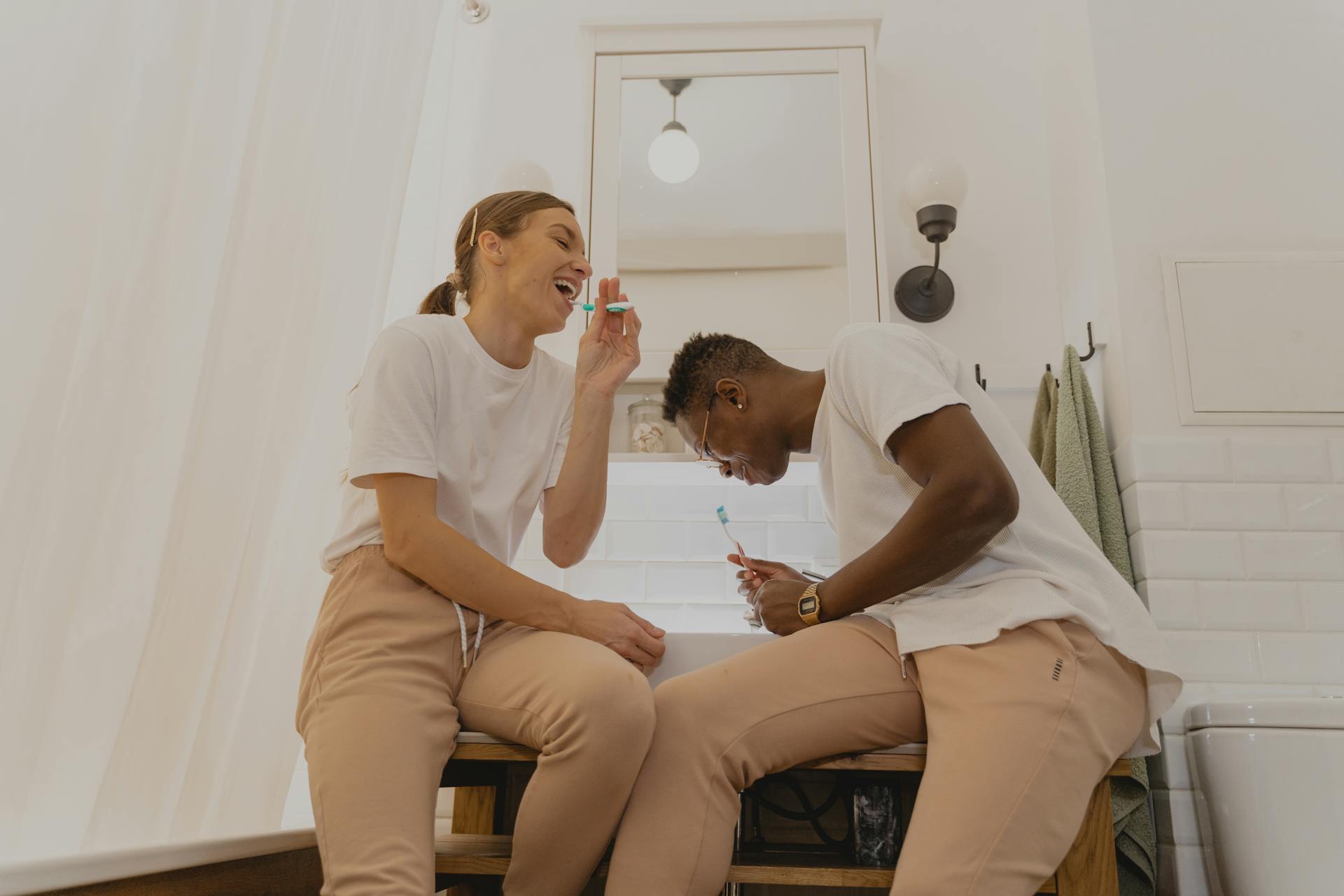
Somewhere along the way, concerns about fresh breath and perfect presentation overtook the desire for authentic morning affection. The self-consciousness about natural body states, morning breath, unbrushed teeth, bedhead, created barriers to spontaneous intimacy. Couples who once kissed first thing upon waking now wait until after showers, tooth brushing, and coffee. This delay doesn’t seem significant, but it transforms intimate spontaneity into calculated performance. The message sent is that being presentable matters more than being close. Physical perfection requirements kill the raw, authentic intimacy that characterized early relationship phases.
You Started Turning Your Head When She Leaned In

The subtle head turn that redirects a kiss from lips to cheek speaks volumes without words. This avoidance behavior signals discomfort with deeper physical or emotional connection. Sometimes the turn happens unconsciously, but its cumulative effect is conscious rejection noticed by the other person. The rejected partner eventually stops initiating kisses to avoid repeated rebuffs. Neither person addresses this pattern directly, so it becomes normalized as “just how we are now.” The absence of real kisses transforms into an unspoken agreement that neither party wanted but both accepted.
Pecks Replaced Passion Without Anyone Noticing

The evolution from long, lingering kisses to quick pecks happens so incrementally that years pass before anyone realizes. These brief lip touches fulfill the technical requirement of kissing while delivering none of the emotional or physical connection. Pecks serve as relationship punctuation marks, goodbye, hello, goodnight, but carry no actual intimacy. The efficiency of pecks fits busy schedules but starves the relationship of meaningful physical connection. By the time someone notices that real kissing disappeared, the habit of pecking has become so entrenched that returning to passionate kissing feels awkward. The muscle memory of genuine intimacy has atrophied from disuse.
Smartphones Filled the Space Where Physical Touch Used to Live

The moments that once invited spontaneous affection, sitting on the couch, lying in bed before sleep, waiting for dinner, now get filled with screen time. Scrolling through phones provides a convenient barrier against physical connection without having to explicitly reject it. The device becomes a socially acceptable way to avoid intimacy that would have seemed rude through any other means. Partners sitting side by side but absorbed in separate digital worlds never create opportunities for spontaneous kissing or touching. The immediate gratification of digital engagement outcompetes the slower, more vulnerable rewards of physical intimacy. Technology didn’t cause the intimacy gap, but it certainly made avoiding it easier.
Talking About Logistics Replaced Talking About Anything That Matters

Conversations that once included flirtation, desire, and emotional depth narrowed to schedules, bills, and household management. This practical communication serves necessary functions but creates no pathway to physical intimacy. The shift from lovers to logistics coordinators leaves no space for the kind of connection that leads to spontaneous kissing. Without conversations that generate emotional warmth, physical warmth has no foundation to build from. Couples become efficient household management teams while their romantic and physical connection withers. The bedroom becomes just another room where logistics are discussed rather than a space reserved for intimacy.
Exhaustion Became the Default State and the Default Excuse

Chronic tiredness from work, parenting, and life demands creates a convenient barrier to physical intimacy. While the exhaustion is real, it also serves as an acceptable reason to avoid connection without addressing deeper issues. “I’m too tired” becomes the go-to response that both partners use and accept without question. The problem is that exhaustion becomes self-perpetuating, lack of physical connection increases emotional distance, which increases stress, which increases exhaustion. Breaking this cycle requires choosing intimacy even when tired, but most couples don’t realize they’re in the cycle. Exhaustion that starts as circumstantial becomes habitual avoidance wearing a more respectable mask.
Resentment Built a Wall That Physical Touch Couldn’t Penetrate
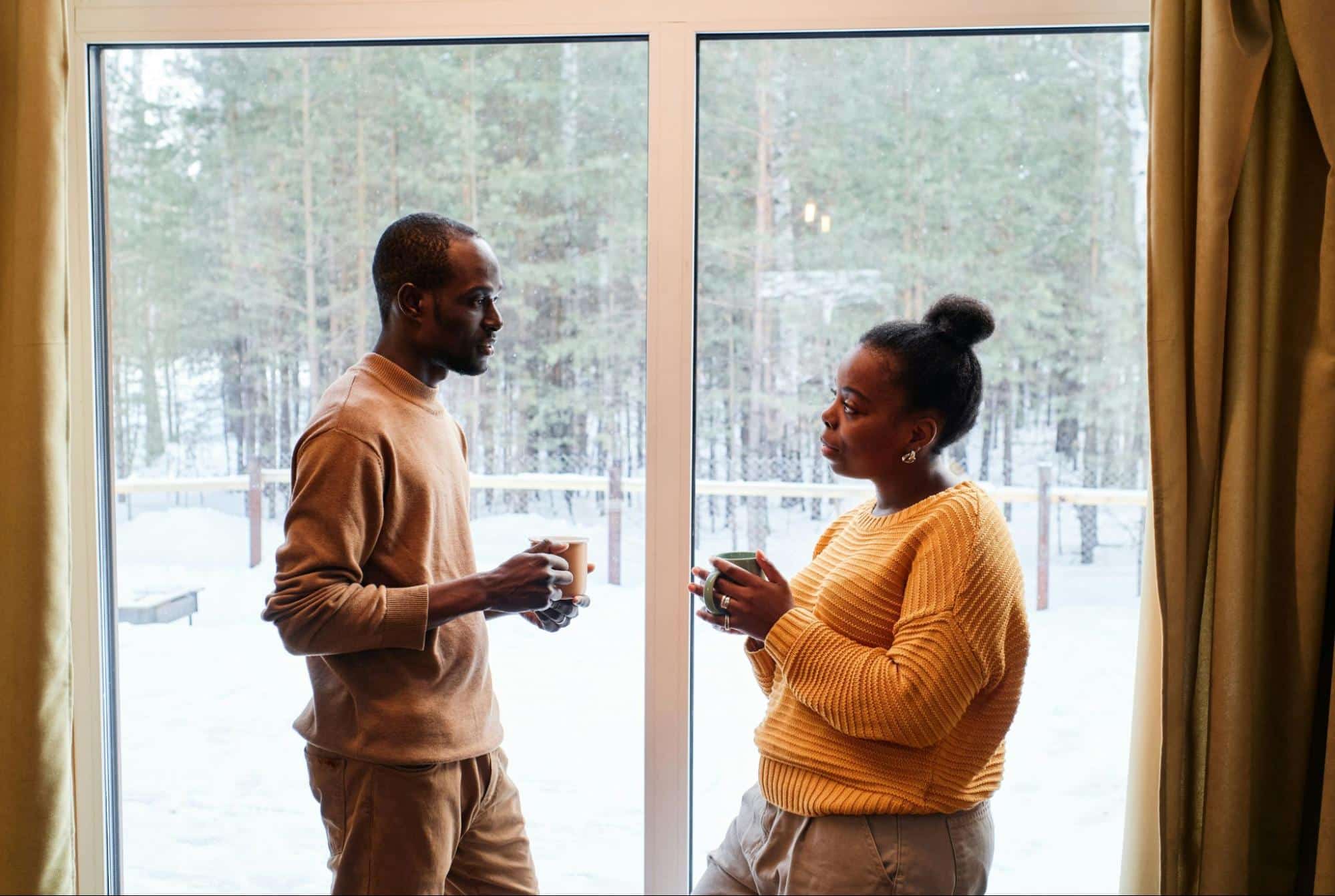
Unresolved conflicts, accumulated grievances, and ongoing frustrations create invisible but powerful barriers to physical intimacy. It’s difficult to feel desire for someone you’re angry at or hurt by. The body’s resistance to physical closeness with someone who caused emotional pain is natural and protective. Without addressing the underlying resentments, attempts at physical reconnection feel forced and inauthentic. Some couples try to maintain physical intimacy despite emotional disconnect, but this typically fails or feels hollow. The resentment must be addressed before physical intimacy can genuinely return, but many couples try to solve it backwards.
Vulnerability Feels Dangerous After Years of Emotional Distance

Initiating a real kiss after months or years of pecks requires courage because it risks rejection and exposes desire. The emotional safety necessary for that vulnerability has eroded through years of increasing distance. Partners who once felt secure being physically forward with each other now feel awkward making any intimate gesture. The fear of rejection or awkward response keeps both people in the safety of minimal contact. Neither wants to be the first to try reconnecting because failure would confirm the relationship’s decline. This mutual hesitancy creates a stalemate where both people want more connection but neither will risk initiating it.
You’re Not Sure She Still Finds You Attractive

Weight gain, aging, or simply time’s passage can create deep insecurity about physical desirability. The absence of spontaneous physical affection gets interpreted as confirmation of suspected unattractiveness. Without explicit reassurance, which rarely comes in long-term relationships, these insecurities grow. The assumption that a partner no longer finds one attractive becomes self-fulfilling by preventing the very behaviors that might disprove it. Men particularly struggle with this as traditional masculinity discourages expressing these vulnerabilities. The uncertainty around desirability creates paralysis around physical initiation, further widening the intimacy gap.
Rejection Hurt Too Many Times, So You Stopped Trying

After repeated experiences of physical advances being declined or met with disinterest, most people eventually stop initiating. This protective withdrawal prevents further hurt but also guarantees continued disconnection. The rejecting partner often doesn’t realize how completely their responses shut down future attempts. What feels like occasional turndowns to one person accumulates as a pattern of rejection to the other. Eventually, the person who stopped trying may not even consciously remember why, they just know attempting intimacy feels unsafe. The relationship reaches a state where both people feel unwanted, even though both might actually be open to reconnection.
Physical Intimacy Requires Emotional Intimacy You No Longer Have

The foundation of emotional connection, knowing each other’s inner worlds, sharing vulnerabilities, feeling seen and understood, has eroded to the point where physical intimacy feels disconnected from any deeper bond. Kissing someone who feels like a stranger, despite decades together, is uncomfortable and hollow. Without emotional intimacy, physical acts feel mechanical or even transactional. The desire for physical connection without emotional foundation doesn’t match how healthy intimacy actually works. Rebuilding requires simultaneously working on emotional reconnection and physical reintroduction, which is challenging to coordinate. Many couples struggle because they try to solve physical intimacy problems without addressing the emotional disconnection beneath them.
You Sleep on Opposite Sides of the Bed With a Canyon Between You

The physical space maintained during sleep reflects the emotional and physical distance in waking life. Couples who once fell asleep intertwined now maintain careful separation throughout the night. This distance isn’t usually discussed or consciously chosen, it just gradually expanded. The lack of casual nighttime touch, a hand on a back, legs intertwined, unconscious closeness, removes opportunities for connection that don’t require conscious initiation. Morning intimacy becomes impossible when partners wake up on literal opposite edges of the mattress. The bed, which should be an intimate space, becomes just a piece of furniture both people happen to use.
You Can’t Remember the Last Time You Held Hands

Hand-holding seems trivial compared to more significant intimacy, but its absence signals the death of casual, non-sexual affection. This simple form of connection costs nothing and requires minimal effort, yet many couples completely stop doing it. The decision not to hold hands walking together isn’t usually conscious, hands just stop seeking each other out. Without this basic physical tether, couples can spend hours together feeling completely disconnected. The absence of hand-holding often indicates that all spontaneous touch has disappeared from the relationship. When even the simplest affection feels unnatural, deeper physical intimacy becomes nearly impossible.
Bodies Changed and Nobody Talked About How It Affected Desire

Aging bodies, weight fluctuations, declining energy, physical limitations, change how people experience and express physical desire. Most couples never explicitly discuss how these changes affect their physical relationship. The silence around bodily changes creates shame, insecurity, and misunderstanding. What might be a natural adjustment to different physical realities becomes laden with unspoken judgment and hurt. One partner might reduce physical initiation due to body insecurity while the other interprets this as loss of attraction. Without honest conversation about aging bodies and evolving desire, couples make incorrect assumptions that further widen the intimacy gap.
You Only Touch During the Two Minutes Before Falling Asleep

Physical connection gets compressed into the briefest possible window, the moments before unconsciousness. This minimization reflects treating intimacy as an obligation to be dispensed with quickly. The rushed, perfunctory nature of this contact provides none of the actual connection that sustaining intimacy requires. Both partners might be going through the motions of bedtime affection without any genuine feeling behind it. This time compression also ensures intimacy never deepens since two distracted minutes can’t create meaningful connection. The relationship operates under the fiction that intimacy is being maintained when really it’s just being mimed.
Playfulness Died and Everything Became Serious

The ability to be silly, spontaneous, and playful with each other often disappears under the weight of adult responsibilities. Physical intimacy thrives on playfulness, unexpected kisses, playful grabbing, lighthearted physical teasing, but all of this requires a lightness many marriages lose. When every interaction carries the weight of household stress, parenting coordination, or unresolved tension, playful intimacy has no space to exist. The loss of humor and lightness in physical connection makes it feel like work rather than pleasure. Rebuilding intimacy requires recovering the ability to not take everything so seriously, which is harder than it sounds. Without playfulness, physical connection becomes another task on an already overwhelming list.
Start With Non-Sexual Touch and Don’t Expect It to Lead Anywhere

Rebuilding physical connection requires removing the pressure and expectations that killed spontaneous affection in the first place. Start with simple, brief touches throughout the day, a hand on the shoulder passing in the kitchen, a brief hug that lasts three full breaths, holding hands during a TV show. The crucial element is ensuring these touches genuinely don’t lead to or request anything more. This allows both people to relax into physical closeness without the anxiety of where it might be heading. Over time, as this casual touch becomes comfortable again, the foundation for deeper physical intimacy naturally rebuilds. The key is patience and genuine respect for boundaries while consistently offering safe, pressure-free physical connection.
Have the Awkward Conversation About What Physical Intimacy You Actually Want

Most couples never explicitly discuss what they want physically beyond assumptions based on past patterns. Sit down outside the bedroom and actually talk about what kinds of touch, affection, and intimacy each person desires. Discuss what feels good, what creates pressure, what would help reconnection happen more naturally. This conversation will be uncomfortable, but the discomfort is temporary while the continued silence guarantees ongoing disconnection. To be specific, “I miss when we used to kiss for more than one second” is more useful than “I wish we were closer.” The honesty in this conversation often reveals that both people want similar things but neither was initiating out of fear or uncertainty.
Intimacy Doesn’t Just Die, It Gets Starved

The sixteen intimacy gaps described here rarely develop from malice or lack of love, they emerge from inattention, assumption, and the gradual prioritization of everything else. Kissing stops not because people decide to stop but because nothing actively maintains it against life’s competing demands. The good news is that what was built once can be rebuilt, but it requires deliberate effort rather than hoping spontaneity returns on its own. Intimacy in long-term relationships doesn’t survive on autopilot; it requires conscious cultivation and protection against everything that threatens it. The couples who maintain or reclaim physical connection are those who decide it matters enough to prioritize above the convenient excuses. The question isn’t whether intimacy can return, it’s whether both people are willing to do the vulnerable, awkward, consistent work of making space for it again.








Ask Me Anything