
Career ambition and financial responsibility can be powerful motivators. Many men feel a strong sense of duty to succeed professionally and provide stability for themselves and their families. However, when work pressure becomes intense, it can begin to influence personal relationships in subtle but meaningful ways. Long hours, constant deadlines, and mental fatigue can affect communication, emotional presence, and daily connection with a partner. Often, the intention behind working hard is to support the relationship, yet the side effects of stress and limited time can create distance. Partners may interpret these changes differently, sometimes leading to misunderstandings or frustration. Career pressure does not automatically damage relationships, but it can reshape how partners interact with each other. The following slides explore how increasing career demands can influence men’s relationships and why balancing work and connection requires awareness and effort.
Long Work Hours Reduce Shared Time
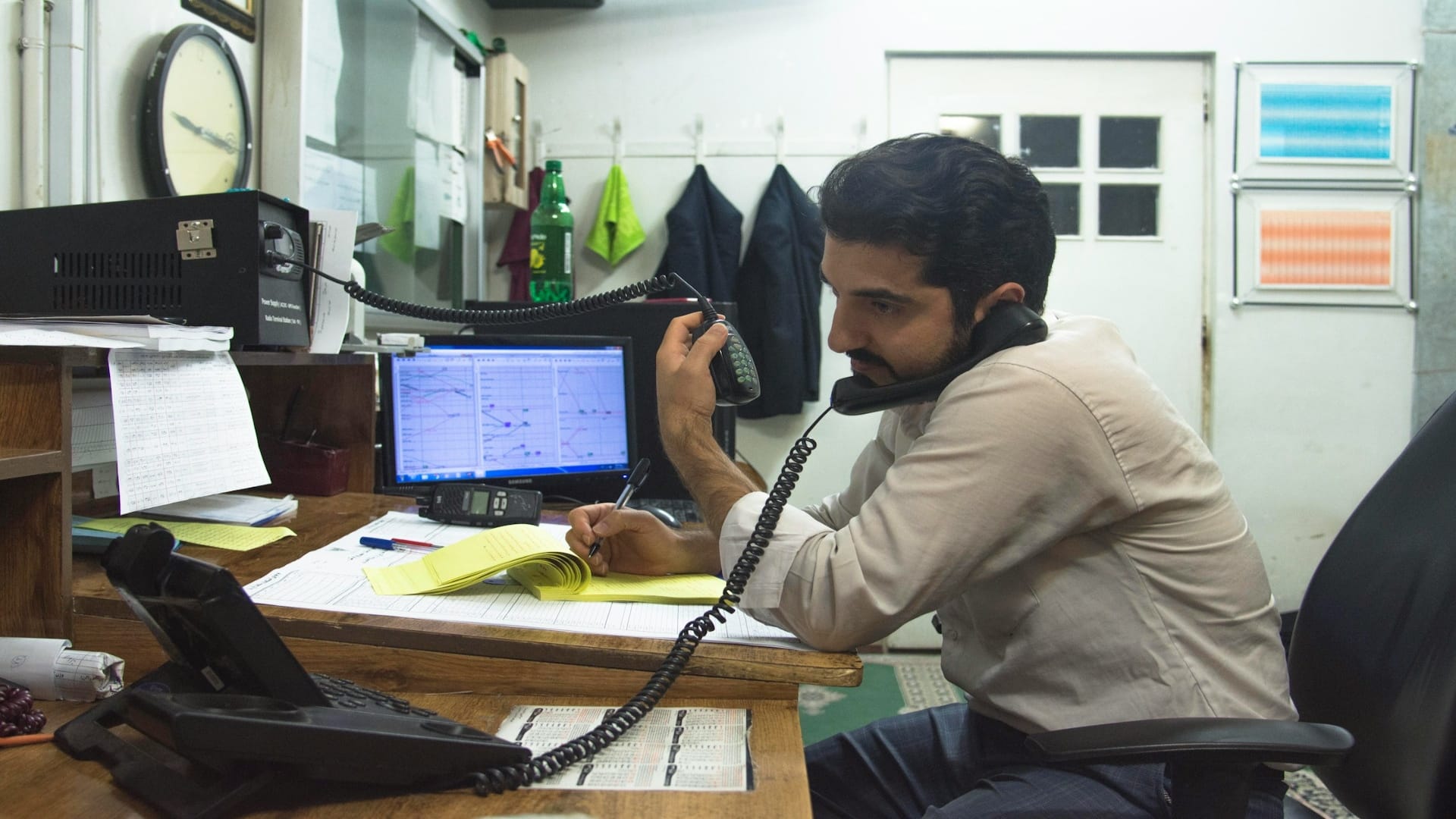
One of the most visible effects of career pressure is the reduction of shared time. Long work hours, overtime, and demanding schedules can limit opportunities for meaningful interaction between partners. When evenings are spent catching up on work or recovering from exhaustion, quality time may become less frequent. Over time, this reduced interaction can weaken daily connection. Even strong relationships rely on regular moments of conversation and shared experiences. When work consistently takes priority, partners may begin to feel emotionally distant.
Mental Fatigue Can Affect Communication

Career pressure often creates mental exhaustion. After a demanding day, it can become difficult to engage in thoughtful conversation or active listening. Many men may still care deeply about their relationship but struggle to find the mental energy for emotional discussions. Partners may interpret this fatigue as disinterest or withdrawal. In reality, it is often the result of cognitive overload. Mental exhaustion can unintentionally affect how communication unfolds at home.
Stress Can Change Emotional Availability

Emotional availability is an important part of maintaining closeness in relationships. Career stress can sometimes reduce a person’s capacity to respond emotionally in the moment. When a man is preoccupied with deadlines or financial concerns, he may appear distracted or distant. This shift can create confusion for partners who are seeking emotional connection. Stress can temporarily redirect focus away from relational interaction. Without awareness, this change may gradually influence the relationship dynamic.
Work Becomes a Constant Topic

When career demands increase, conversations at home may begin to revolve heavily around work. Challenges, deadlines, and professional concerns can dominate daily discussions. While sharing experiences is normal, excessive focus on work can reduce space for other topics. Relationships benefit from variety in conversation, including personal interests, shared goals, and emotional experiences. When work becomes the central topic, other aspects of connection may receive less attention.
Partners May Interpret Distance Differently

When career pressure increases, emotional distance may appear unintentionally. However, partners may interpret this distance differently. One partner may see the situation as temporary stress, while the other may perceive it as reduced interest in the relationship. Misinterpretations can lead to frustration or unnecessary conflict. Often, the underlying issue is not lack of care but competing responsibilities. Clear communication can help prevent misunderstandings.
Responsibility Can Increase Internal Pressure

Many men feel internal pressure to succeed professionally and maintain financial stability. This responsibility may not always be openly discussed but can strongly influence behavior. Career performance may feel directly connected to identity, self-worth, or long-term security. As a result, work stress can become deeply personal. Internal pressure can increase focus on professional goals while unintentionally reducing attention to relationship needs.
Emotional Conversations May Be Postponed

When work stress dominates mental space, emotional conversations may be delayed or avoided. Important discussions about feelings or concerns might feel overwhelming after a long workday. Many men may choose to postpone these conversations until they feel more mentally prepared. However, postponement can sometimes lead partners to feel ignored or dismissed. Timing often becomes a challenge when balancing work responsibilities and relationship communication.
Fatigue Can Reduce Patience

Career pressure can contribute to physical and mental fatigue. When someone is exhausted, patience and emotional regulation may decrease. Minor disagreements may escalate more quickly under these conditions. Partners may notice a shorter tolerance for frustration during stressful periods. Fatigue can affect tone of voice, responsiveness, and emotional sensitivity. These changes are often temporary but can still influence relationship dynamics.
Financial Goals Can Dominate Priorities

Career ambition is often connected to financial goals. Saving for housing, family planning, or long-term security can motivate intense focus on work. While these goals benefit the relationship in the long run, they can temporarily overshadow emotional connection. When financial priorities dominate daily attention, partners may feel that emotional needs are secondary. Balancing long-term planning with present connection becomes important.
Quality Time Requires More Intention

When schedules become demanding, quality time rarely happens automatically. It often requires intentional planning. Couples facing career pressure may need to actively create moments for connection. Simple activities such as shared meals or short conversations can maintain emotional closeness. Without deliberate effort, work schedules can gradually crowd out opportunities for interaction.
Technology Extends the Workday

Modern technology has blurred the boundary between work and personal life. Emails, messages, and online meetings allow work responsibilities to continue long after office hours. Many men feel obligated to stay connected to professional communication. This constant accessibility can reduce opportunities to mentally disengage from work. When work remains present through technology, emotional presence at home may decrease.
Stress May Be Expressed Indirectly

Career stress does not always appear through direct discussion. Some men process pressure internally rather than verbalizing concerns. As a result, stress may show up through mood changes, silence, or increased irritability. Partners may notice these behavioral shifts without fully understanding their cause. Recognizing that these reactions may reflect work pressure can help partners respond with greater empathy.
Support From a Partner Becomes Important

During periods of intense career pressure, support from a partner can play a meaningful role. Encouragement, patience, and understanding often help reduce stress. When partners approach work challenges as a shared experience rather than an individual burden, relationships may feel stronger. Support does not eliminate pressure, but it can make difficult periods easier to navigate.
Work Success Can Also Benefit the Relationship

Career progress can also strengthen relationships in positive ways. Professional achievement may increase confidence and provide financial stability. These benefits can support long-term plans such as housing, travel, or family goals. While career pressure can create challenges, it may also contribute to shared aspirations. Recognizing both sides of career ambition can help couples maintain perspective.
Balance Requires Awareness

Balancing work and relationships rarely happens automatically. Awareness of how career pressure influences behavior can help individuals adjust priorities. Recognizing when work stress is affecting communication or emotional presence is often the first step toward improvement. Awareness allows individuals to take small actions that protect relationship stability.
Communication Helps Prevent Misunderstandings

Open communication is one of the most effective ways to navigate career pressure in relationships. Discussing schedules, expectations, and emotional needs can prevent confusion. When partners understand the reasons behind stress or limited availability, they are less likely to interpret it as rejection. Honest conversation helps maintain trust during demanding periods.
Boundaries Between Work and Home Matter

Creating boundaries between professional and personal life can help protect relationships. Simple actions such as turning off work notifications or setting specific work hours can create clearer separation. Boundaries allow individuals to mentally shift focus from career responsibilities to personal connection. Over time, these habits can improve balance.
Small Efforts Maintain Connection

Even during stressful periods, small gestures can maintain emotional closeness. Brief conversations, expressions of appreciation, or shared moments of relaxation can reinforce connection. These small efforts remind partners that the relationship remains important despite external pressures. Consistency often matters more than dramatic gestures.
Long-Term Success Requires Balance

Career ambition and personal relationships do not need to compete with each other. When balanced carefully, professional goals and emotional connection can coexist. Many couples navigate demanding careers successfully by maintaining communication, empathy, and shared priorities. Recognizing the influence of career pressure helps partners adapt together. With awareness and effort, both work and relationships can continue to grow without sacrificing one for the other.








Ask Me Anything