
Even in long-term marriages, emotional distance can creep in quietly. Sometimes, it’s subtle–little shifts in behavior that might seem harmless at first–but they can signal a bigger problem. The key is noticing patterns early before resentment or disconnection becomes irreversible.
This isn’t about accusing anyone or playing detective; it’s about understanding human behavior and protecting your emotional investment. If you recognize more than a few of these signs in your relationship, it’s time to pause, reflect, and communicate.
She Stops Sharing Her Day With You

When she used to tell you about her work, friends, or small victories and suddenly goes silent, it’s a red flag. Emotional intimacy thrives on sharing daily experiences, not just big events. If she no longer opens up or seems to “check out” mid-conversation, it’s a signal that she’s withdrawing mentally and emotionally. To address this, ask open-ended questions and show genuine curiosity about her life–but notice if she consistently shuts down or brushes you off.
She Avoids Physical Intimacy

Sex isn’t the only measure of closeness, but avoiding physical touch often reflects deeper detachment. Hugging, kissing, or simple hand-holding might feel forced or infrequent. If she’s pulling away physically, it can indicate that the emotional connection is fraying. Instead of pressuring her, create moments of comfort and affection that aren’t sexual–small gestures like a gentle touch on the arm or sitting close while watching TV can help gauge her willingness to reconnect.
She’s Constantly on Her Phone

When attention is diverted to a screen more than the relationship, it’s a sign she may be mentally elsewhere. Excessive texting, scrolling, or secrecy around her phone use can indicate she’s invested emotionally in someone or something outside the marriage. Start by observing patterns without jumping to conclusions–then encourage shared activities that require focus on each other, like cooking together or taking walks, to rebuild attention and connection.
She Criticizes You More Than Usual

Constructive feedback strengthens a relationship, but persistent criticism often masks emotional withdrawal. If her remarks feel sharp, personal, or constant, it can signal resentment or indifference. Instead of responding defensively, try understanding the underlying frustration. Ask calmly what’s bothering her, and express your desire to work as a team, but recognize if the criticism is no longer about problems and more about emotional distance.
She Spends More Time Away From Home

Work, hobbies, or social outings are normal, but when she suddenly prioritizes being elsewhere over home life, it may indicate disengagement. This behavior often reflects an emotional escape rather than genuine interest. Instead of confronting immediately, suggest shared experiences that feel enjoyable, like a date night or hobby you can do together, and notice if she engages willingly or remains distant.
She Stops Making Future Plans With You

Whether it’s vacations, events, or even small weekend plans, her reluctance to discuss or commit indicates she’s mentally withdrawing. Emotional investment is tied to shared visions of the future, and if she’s checked out, she may avoid planning ahead. Gently bring up plans and gauge her enthusiasm; her reactions can tell you whether she’s truly invested in the partnership or emotionally checked out.
She Shows Little Appreciation

Gratitude fuels emotional closeness, and when it disappears, so does a part of the connection. If she rarely acknowledges your efforts, compliments you, or expresses thanks, it’s a sign she’s detached. Try initiating small acts of appreciation yourself to reset the dynamic, but notice if it’s reciprocated or met with indifference–this is often an early warning of emotional disengagement.
She Stops Listening Actively

When someone checks out emotionally, conversations feel one-sided. If she nods without engagement, interrupts frequently, or seems distracted, it shows a lack of interest in connecting. Rebuild communication by choosing important topics and creating uninterrupted time together, but also recognize if she’s consistently disengaged, which signals emotional withdrawal.
She Becomes Secretive

Withholding information about her day, finances, or interactions isn’t just privacy–it can signal a deliberate emotional distance. Subtle secrecy can escalate, creating a divide that’s hard to bridge. Pay attention to repeated patterns, and approach conversations with curiosity rather than accusation. Encourage honesty while setting boundaries about transparency in the relationship.
She Stops Compromising

Relationships require give-and-take, and when she refuses to negotiate on simple decisions, it may indicate apathy or withdrawal. This could appear as stubbornness over trivial matters or an unwillingness to meet halfway on major life decisions. Address conflicts calmly, emphasize collaboration over control, and observe whether she engages or remains rigid, which reflects emotional detachment.
She Disengages in Conflicts

Healthy arguments are part of intimacy, but when she shuts down or refuses to discuss problems, it signals emotional check-out. Avoid labeling her behavior negatively; instead, express your desire for mutual understanding. Suggest taking breaks when emotions are high, then revisit issues calmly, and notice if she participates willingly or continues to disengage.
She Expresses Dissatisfaction Often

Frequent complaints about life, marriage, or routine often indicate deeper disengagement. If it’s more than typical venting and lacks follow-through for solutions, it reflects emotional withdrawal. Approach these moments as opportunities to collaborate on change, but recognize when complaints are a way to distance herself rather than solve issues.
She Stops Celebrating Milestones

Anniversaries, birthdays, or small victories become less important when emotional investment declines. She may act indifferent or skip celebrations entirely, signaling detachment. You can try creating new traditions to reignite connection, but notice whether she participates genuinely or reluctantly, which reflects her emotional state.
She Avoids Shared Responsibilities

Housework, finances, and parenting require teamwork. If she gradually withdraws from shared duties, it’s often an early warning of disengagement. Discuss responsibilities openly and consider splitting tasks differently, but notice if she continues avoiding participation without discussion–it’s a clear sign of emotional distance.
She Seeks Emotional Support Elsewhere

Turning to friends, family, or even coworkers for emotional validation outside the marriage can indicate unmet needs at home. While external support is normal, a pattern of consistently seeking connection elsewhere suggests she’s checked out. Pay attention to her emotional priorities and gently encourage joint problem-solving or couple-centered counseling.
She Becomes Indifferent to Your Feelings

When she stops caring about your emotions, struggles, or successes, it’s a sign she’s mentally detached. Emotional attunement is key for a lasting connection, and indifference signals serious withdrawal. Try to share feelings openly and see if she engages–persistent indifference is a red flag that requires honest conversations.
She Communicates Only When Necessary
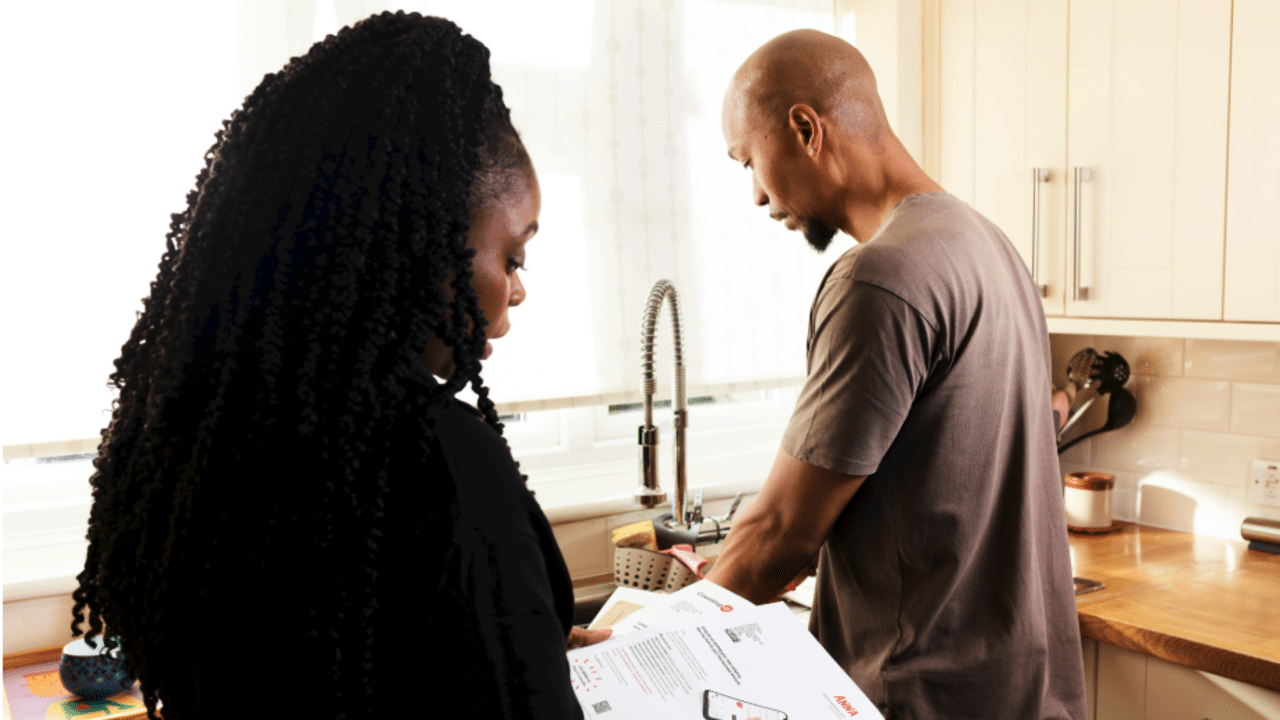
If her contact is limited to logistics, errands, or necessary coordination, the emotional connection has likely eroded. Conversations feel transactional rather than intimate. Rebuild connection by initiating meaningful discussions and shared activities, but notice if she continues keeping communication strictly functional–this is often the final stage of emotional check-out.








Ask Me Anything