
Valentine’s Day does not need to be dramatic to be meaningful. Most disappointment happens when plans are vague, expectations are unspoken, and everything is left to the last minute. Preparation is not about being perfect; it is about being intentional. Couples who talk early usually avoid the silent “test” dynamic. Singles also benefit from planning because the day can trigger unnecessary pressure or comparison. A simple checklist can remove stress and make the day feel lighter. These tips help men and women prepare in a way that keeps the focus on connection. The goal is a good experience, not a perfect performance.
Set the Ground Rules Early

Many Valentine problems are not romantic problems. They are communication problems. Setting ground rules early makes everything easier. This includes budget, time, and what counts as “a good day.” When couples avoid the conversation, assumptions take over. Assumptions usually produce disappointment. A short discussion prevents a long argument. These tips create clarity before the day arrives.
Decide What Valentine’s Day Actually Means This Year

Valentine’s Day can mean romance, simplicity, rest, or even “skip it.” The key is agreeing on meaning. If one partner sees it as a major event and the other sees it as optional, conflict is likely. A quick conversation defines what the day represents in the relationship. Meaning can change depending on life season, stress, or finances. Defining it prevents surprise and disappointment. It also removes the pressure to follow social media scripts. Agreement is more romantic than guessing.
Confirm the Budget Without Making It Awkward

Money stress is one of the biggest Valentine killers. A simple budget conversation protects both partners. It prevents one person from overspending out of fear, and the other from feeling pressured. Budget does not determine romance; intention does. Many people prefer thoughtfulness over cost, but cost still matters practically. A clear number removes guessing and guilt. The day becomes easier when money is not the hidden issue. Budget clarity also prevents resentment.
Choose the “Main Thing” So Expectations Are Clear

Some couples fight because there are multiple unspoken expectations. One person expects a date, a gift, flowers, and a surprise. The other thought dinner was enough. Choosing one “main thing” prevents mismatch. The main thing could be a date, a gift, quality time, or a simple shared moment. When the main thing is agreed on, the rest becomes optional bonuses. This keeps the day from turning into a checklist. It also reduces pressure to be perfect. Clarity is a strong romance tool.
Make a Plan Early Enough to Avoid Panic Energy

Last-minute planning creates rushed choices and low-quality experiences. Restaurants get booked, deliveries get delayed, and crowds get worse. A basic plan done early avoids all of that. Early planning also signals priority. It shows the relationship matters enough to schedule time. Even a simple plan works if it is intentional. Waiting too long often leads to disappointment, not because effort is missing, but because options are limited. Planning early removes unnecessary stress. It makes the day feel smoother.
Prepare Emotionally, Not Just Logistically

Valentine’s Day can trigger insecurities and old disappointments. Preparing emotionally means noticing that and not letting it run the day. If resentment has been building, it will likely show up on Valentine’s Day. If the relationship has been stressed, the day may magnify it. Emotional preparation means choosing a calm mindset and avoiding “test” behavior. It also means avoiding the urge to punish a partner through silence. When emotions are acknowledged early, the day feels less loaded. Emotional prep prevents small issues from becoming big fights.
Clarify Whether Gifts Matter, and What Kind

Gift expectations vary widely. Some people want a meaningful note more than an expensive item. Others value a physical gift as a symbol of effort. Clarifying this prevents misunderstandings. It also prevents generic panic gifts that feel impersonal. A “gift style” conversation can be simple: sentimental, practical, experience-based, or no gifts. Clear categories help partners choose thoughtfully. This is not about control; it is about alignment. Alignment makes gifts feel loving instead of stressful.
Decide if the Day Is Public or Private

Some people enjoy posting and public celebration. Others find it uncomfortable or unnecessary. This difference can create conflict if it is not discussed. A private partner may feel pressured, and a public partner may feel unseen. Neither preference is automatically wrong. The goal is agreement, not winning. Couples can compromise by making the celebration private but intentional. Or they can agree on a simple post without making it the main event. Defining this early prevents unnecessary tension.
Prepare for Crowds and Timing

Valentine’s Day crowds can kill the mood fast. Long waits and rushed service can turn a date into stress. A smart move is choosing an earlier time or a different day. Many couples celebrate on the weekend before or after. Timing flexibility reduces pressure and improves experience quality. It also allows better choices with less chaos. Planning around crowds is not unromantic; it is practical. Practical planning often creates better romance. Calm timing makes the day feel smoother.
Prepare One Small Personal Touch

The fastest way to make Valentine’s Day feel meaningful is personalization. This does not require money. It can be a note, a playlist, a small inside joke, or a detail that proves attention. Personal touches communicate “I know you.” They also reduce the performative vibe. One strong personal detail beats five generic gestures. It makes the day memorable without being dramatic. The goal is sincerity, not spectacle. Personal touches create emotional impact.
Prepare for Different Energy Levels
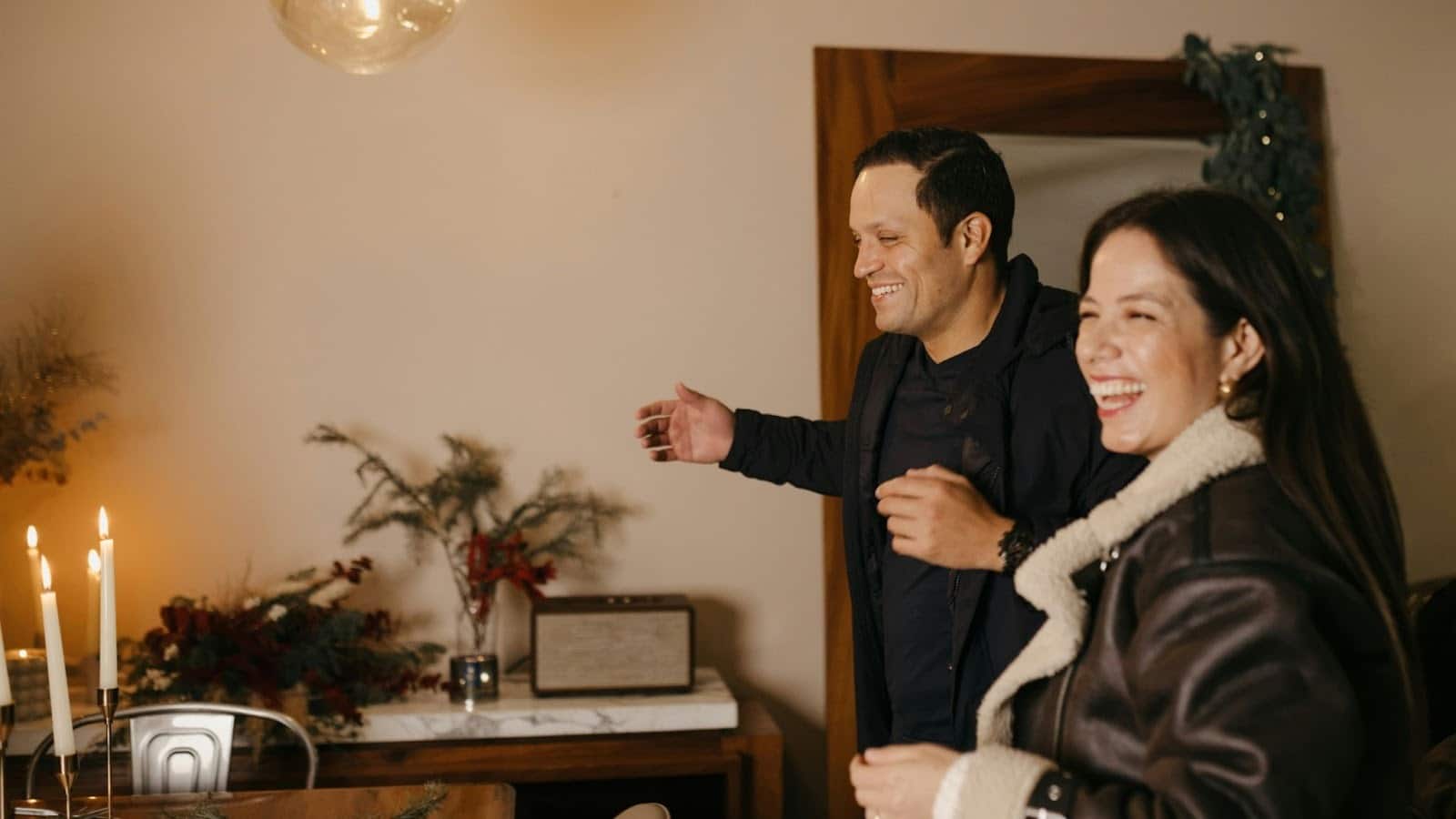
Not everyone has the same social or romantic energy. Some people feel excited; others feel tired or stressed. Planning should account for that. A date that feels fun for one person might feel exhausting for the other. Good preparation includes choosing a plan that fits both energy levels. It also means leaving room for rest or flexibility. A good Valentine’s Day should not feel like a marathon. Comfort often improves connection. Matching energy is part of thoughtfulness.
Prepare a Simple Recovery Plan if Something Goes Wrong

Even good plans can fail. Weather changes, reservations get cancelled, or someone gets sick. A backup plan prevents disappointment from turning into conflict. It can be as simple as “home dessert and a movie” if the outing fails. Backup plans also reduce anxiety because the day is not all-or-nothing. Romance is not fragile when flexibility exists. A recovery plan shows maturity and care. It keeps the mood stable. Prepared couples adapt better.
Prepare the Conversation if the Relationship Has Tension

Valentine’s Day is not the best day for a major confrontation. But ignoring tension can make the day feel fake. Preparation means deciding how to handle it. Some couples agree to keep the day light and schedule a deeper conversation later. Others prefer a brief check-in before the date so things feel honest. Either approach works if it is agreed on. The worst approach is pretending everything is fine while resentment simmers. Planning the conversation prevents emotional explosions. Timing matters.
Prepare Singles for the Pressure and Comparison Trap

Valentine’s Day can create unnecessary comparison. Preparation means choosing what the day will represent personally. It can be self-care, friendship, or simply a normal day. Social media can distort reality and make people feel behind. That is not a useful measurement. Preparing also means having a plan for the evening so the day does not feel empty. A dinner with friends or a personal project can help. The goal is not to “prove” anything. The goal is keeping mental health steady.
Prepare How to Handle Different Love Languages

Partners often show love differently. One may value words, while the other values time or acts of service. Preparation means choosing a plan that includes both styles. For example, pair quality time with a simple note. Or pair a small gift with a shared experience. This reduces the risk of “I tried and it still wasn’t enough.” Love lands better when it matches what the partner receives as love. It also reduces misinterpretation. A balanced plan feels more complete.
Prepare the Timing for Intimacy Without Making It Transactional

Some couples expect intimacy on Valentine’s Day, while others feel pressured by that expectation. Preparing means clarifying comfort levels and keeping consent central. Intimacy should feel wanted, not owed. Pressure kills desire quickly. A better goal is creating closeness throughout the day, not saving everything for one moment. Warmth, attention, and reduced stress make intimacy more likely naturally. Talking about expectations prevents awkwardness. Consent and comfort are the real romance. The day should feel safe.
Prepare Appreciation That Goes Beyond Valentine’s Day

A strong Valentine’s Day feels better when appreciation is not limited to one day. Preparation can include a small plan for the week after. It might be a follow-up date, a kind message, or a shared habit. This prevents the emotional crash of “one day effort” followed by neglect. Relationships stay healthy through consistency. A week-long mindset lowers pressure on the holiday. It also makes love feel more stable. Romance works best when it is repeated, not rare. Preparing beyond the day keeps connection alive.
Valentine’s Day Gets Easier When Clarity Comes First

The best Valentine’s Days usually come from preparation, not luck. Clarity about budget, expectations, timing, and effort removes most of the drama. Personal touches matter more than expensive plans. A simple agreement about what the day means prevents silent tests and disappointment. Emotional preparation also helps couples stay kind when stress is high. Backup plans and flexible timing protect the mood. Singles benefit from preparation too by avoiding comparison traps. The goal is not perfection; it is intention. When both people prepare together, Valentine’s Day becomes lighter, warmer, and actually enjoyable.








Ask Me Anything