
Romantic relationships often begin with exploration and uncertainty. Over time, repeated interactions shape trust, emotional familiarity, and shared experience. The shift from dating to long term commitment rarely happens in a single moment. Instead, it tends to develop through small patterns of reliability, emotional safety, and practical alignment. Subtle changes in language, planning, and future orientation may signal deeper investment. Couples may sense increased seriousness before men consciously identify the transition themselves. The following slides explore emotional, practical, and relational factors that often influence how men move from casual dating toward lasting commitment.
Why Emotional Stability Matters in a Relationship

Emotional steadiness plays a powerful role in building trust between two people. When reactions are calm and predictable, the relationship begins to feel secure rather than uncertain. A stable emotional environment reduces doubt and helps both partners relax into the connection. Many men associate this sense of calm with long-term potential because it signals safety. Consistent behavior makes the relationship feel dependable instead of dramatic. That steady rhythm often becomes the quiet foundation of commitment.
When Shared Values Start to Stand Out

As dating becomes more serious, conversations naturally go deeper. Topics such as family goals, finances, lifestyle choices, and personal beliefs begin to surface. When two people discover that they approach life in similar ways, compatibility feels more realistic. Shared values reduce the need for constant compromise on major decisions. Alignment creates confidence that the relationship can last beyond attraction. This clarity often strengthens commitment in a meaningful way.
Losing Interest in Other Options

As emotional connection grows stronger, curiosity about other dating possibilities often fades. Attention becomes more focused on one partner instead of exploring alternatives. Familiarity begins to feel comforting rather than limiting. The desire for exclusivity develops naturally instead of feeling forced. This shift reflects growing attachment and emotional investment. When focus narrows willingly, it signals readiness for something deeper.
Feeling Safe Enough to Open Up

Lasting relationships require emotional honesty. When trust develops, conversations become more personal and meaningful. Men may begin sharing fears, dreams, and struggles that were once kept private. This openness shows that the relationship feels safe and stable. Vulnerability deepens connection because it allows both partners to feel truly known. Emotional transparency often marks a turning point toward long-term commitment.
Becoming Part of Everyday Life

Serious relationships move beyond special dates and planned outings. Partners begin sharing ordinary routines such as errands, quiet evenings, or daily responsibilities. Comfort grows in simple, familiar moments. Spending time together no longer needs to be exciting to feel meaningful. Being included in everyday life shows integration rather than temporary interest. That steady presence reflects growing seriousness
Talking About the Future Together

Language can reveal deeper intentions before formal decisions are made. References to holidays, career moves, or long-term plans start including both partners. The future is discussed as something shared rather than separate. This subtle shift shows growing confidence in the relationship. Thinking ahead as a unit reflects stability and emotional security. Future-focused conversations often signal commitment is forming.
Standing Together During Stress

Difficult moments test the strength of any relationship. When partners support one another during work pressure, family issues, or personal setbacks, trust increases. Reliability during challenges creates emotional reassurance. Handling stress as a team builds confidence in long-term partnership. Shared resilience strengthens emotional bonds. Support during hard times often matters more than grand romantic gestures.
Feeling Emotionally Safe Enough

Emotional safety allows a relationship to deepen naturally. When feelings are heard without judgment, defensiveness fades. Being understood reduces anxiety and tension. Many men link emotional comfort with long-term potential because it feels steady and secure. The absence of constant emotional turbulence builds confidence. Safety creates space for deeper commitment.
When Daily Life Actually Works Together
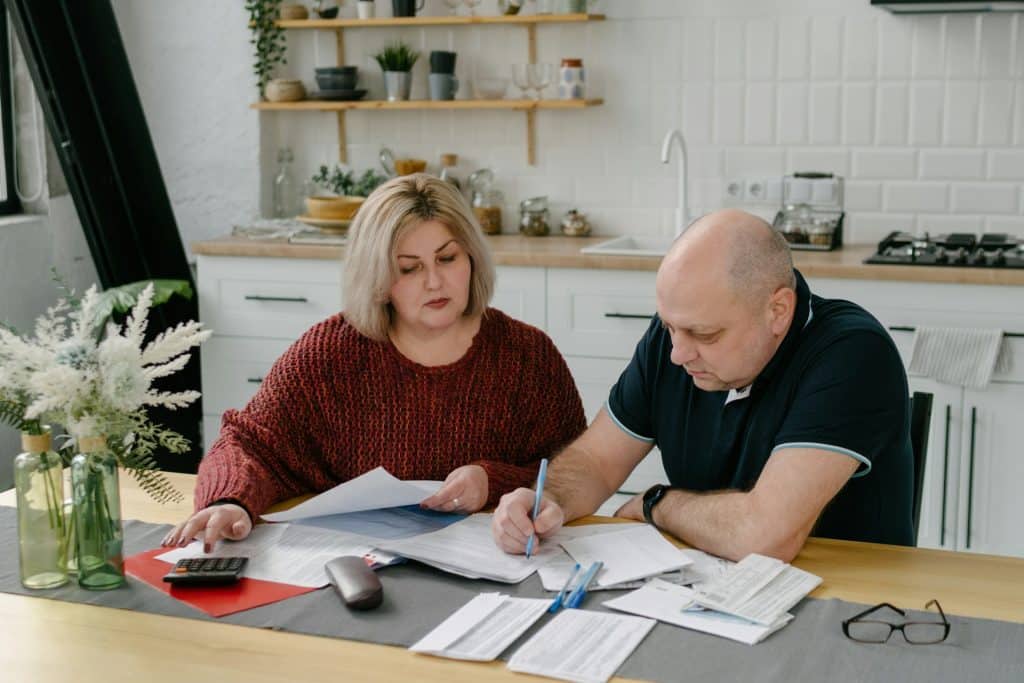
Attraction may spark a relationship, but real life determines whether it can last. Practical areas such as financial habits, career direction, and lifestyle preferences begin to carry more weight. When daily routines and responsibilities align smoothly, the relationship feels realistic rather than idealistic. Differences may still exist, yet they feel manageable instead of overwhelming. Compatibility in everyday life creates a sense of stability. That stability often strengthens the desire for long-term commitment.
Handling Disagreements in a Healthy Way

Conflict is normal, but how it is handled makes the difference. As a relationship matures, arguments may become calmer and more solution-focused. Productive conversations replace emotional reactions. Lower intensity disagreements create emotional stability. Respect during conflict builds confidence in the relationship’s future. Healthy resolution patterns often increase readiness for commitment.
Becoming Part of Each Other’s Social World

Introducing a partner to friends and family signals growing seriousness. Social circles begin to overlap, creating shared experiences. Acceptance from important people can strengthen confidence in the relationship. Spending time in each other’s communities deepens integration. Shared networks create a sense of belonging. Inclusion often reflects long-term intention.
Caring Deeply About Each Other’s Well-Being

Commitment deepens when concern shifts beyond personal happiness. Decisions begin to consider how they affect both partners. Genuine care for a partner’s physical and emotional health becomes more visible. Supporting growth and stability becomes a priority. Emotional responsibility increases as attachment strengthens. Care signals meaningful investment.
Showing Up Consistently

Dependability builds trust more effectively than grand promises. Consistent communication and follow-through create predictability. Reliability reduces anxiety and strengthens emotional security. Many men view steady behavior as a sign of long-term suitability. Stability becomes more valuable than excitement. Consistency reinforces serious intention
Starting to Think as “We” Instead of “I”

Self-perception often shifts as commitment grows. Decisions begin to reflect partnership rather than individual preference alone. Language naturally changes from “I” to “we.” Priorities adjust to include shared goals. This identity shift feels subtle but meaningful. Thinking as a team strengthens the foundation for long-term commitment.
Growing Into Emotional Maturity

Readiness for commitment is often tied to emotional maturity rather than age alone. As personal growth develops, reactions become more measured and less impulsive. Difficult conversations are handled with greater patience and understanding. Emotional regulation improves, allowing disagreements to remain respectful instead of reactive. Self-awareness increases accountability and reduces blame. This steady growth creates a stronger foundation for a lasting partnership.
Recognizing True Long-Term Compatibility

Long-term potential becomes clearer through everyday interactions. Compatibility is revealed not only in shared interests but also in communication patterns and problem-solving styles. When challenges are addressed calmly and constructively, confidence in the relationship grows. Differences may still exist, yet they feel workable rather than threatening. Shared direction in major life areas strengthens stability. Recognizing this balance often deepens commitment naturally.
Feeling More Secure About Commitment

Hesitation about long-term responsibility can ease as personal stability improves. Greater clarity in career, finances, or life direction often reduces fear of the unknown. Commitment begins to feel less like a risk and more like a thoughtful choice. Emotional confidence replaces earlier uncertainty. Stability in one’s own life supports stability in partnership. This internal security makes deeper commitment feel more achievable.
Seeing Consistency in All Situations

True character becomes visible across different environments and circumstances. Behavior during stress, travel, social gatherings, or unexpected changes reveals reliability. When actions remain steady in varied situations, trust strengthens. Emotional reactions that stay balanced across contexts reduce doubt about long-term stability. Consistency builds confidence that the relationship can handle real-world pressures. Dependable behavior reinforces serious intention.
Noticing the Relationship Becoming More Serious

A shift toward deeper commitment is often sensed before it is formally discussed. Subtle changes in tone, planning, and emotional presence become noticeable. Future conversations grow more detailed and intentional. Small actions begin to reflect long-term thinking. Repeated patterns of seriousness make the transition clearer. Recognition of this shift helps both partners understand the direction of the relationship.
How Commitment Builds Gradually

Long-term commitment rarely begins with a single dramatic moment. It develops through repeated experiences of trust, respect, and shared growth. Small dependable actions accumulate and strengthen emotional security. Confidence grows as stability is proven again and again. The decision to commit often feels steady rather than sudden. Lasting partnership forms through consistent effort and mutual understanding.








Ask Me Anything