
Body language communicates more honestly than words because physical expressions are harder to control and fake. Someone can say “I respect you” while their face, posture, and gestures scream contempt. Research identifies contempt, expressed through specific facial expressions, body positioning, and physical gestures, as the most toxic communication pattern in relationships. Unlike anger which is a hot emotion, contempt is cold, it positions the other person as beneath you, unworthy of respect, deserving of mockery. These physical expressions of contempt, even without accompanying words, damage relationships profoundly because they communicate fundamental lack of respect. These sixteen non-verbal contempt signs reveal when body language betrays actual feelings regardless of what words say.
Eye Rolling During or After She Speaks

Eyes rolling upward or to the side when she’s talking or after she finishes demonstrates visual contempt. This gesture communicates that what she’s saying is stupid, obvious, or not worth taking seriously. Eye rolling is one of the strongest contempt markers identified in relationship research. If this gesture happens regularly during conversations, fundamental disrespect is being physically expressed. The eye roll dismisses her words more effectively than any verbal disagreement. Partners notice and are deeply hurt by eye rolling even when nothing verbal is said.
Sneering or Curling Lip in Disgust

Unilateral lip curl, one side of mouth raising in sneer, is a universal expression of contempt and disgust. This facial expression communicates that she or what she’s saying disgusts you. The sneer appears during conversations, when she makes requests, or when discussing her perspectives. If this expression is a regular response to her, contempt is operating at visceral level. The sneer is an involuntary expression of feeling superior and disgusted. This facial expression alone can destroy feelings of safety and respect.
Smirking or Suppressing Laughter at Her Expense

Barely suppressed smiles or smirk when she’s expressing serious feelings or concerns demonstrates mockery. This expression communicates that her feelings are amusing rather than legitimate. The smirk appears particularly when she’s upset, worried, or trying to communicate something important. If her vulnerable moments generate visible amusement, contempt prevents taking her seriously. The suppressed laughter or smirk is devastating because it mocks pain or concern. Partners feel profoundly disrespected when emotions become entertainment.
Making Exaggerated Facial Expressions of Disbelief or Mock Shock

Theatrical facial responses, exaggerated surprise, disbelief, or shock, when she speaks ridicule her through mockery. These expressions treat what she’s saying as absurd or ridiculous without a verbal statement. The exaggerated faces communicate “I can’t believe you just said something that stupid.” If regular conversations generate dramatic facial displays of incredulity, verbal content is being mocked non-verbally. The exaggeration makes mockery visible while maintaining plausible deniability. Ridicule through facial expression is still ridiculous.
Turning Body Away or Positioning Self at Angle

Physical body orientation away from her during conversations, turning torso, angling shoulders away, positioning to face different directions, demonstrates disengagement and disrespect. This positioning communicates unwillingness to engage fully or that conversation isn’t worth full attention. If the body consistently angles away during discussions, physical withdrawal expresses disinterest. The positioning makes her work to get attention while body language screams disengagement. Engaged conversations involve facing a partner; a turned-away body shows contempt through positioning.
Taking Up Excessive Physical Space to Assert Dominance

Sprawling posture, legs spread wide, arms taking excessive space demonstrates physical dominance and disregard for shared space. This space-claiming asserts physical superiority and forces her into a smaller physical footprint. If body positioning consistently claims maximum space while she’s physically compressed, dominance is being asserted. Space-taking is territorial behavior establishing hierarchy through physical presence. Considerate partners share space; contemptuous ones claim it all.
Creating Physical Distance or Pulling Away When She Approaches

Moving away, backing up, or creating distance when she comes near demonstrates physical rejection. This withdrawal communicates that proximity to her is unpleasant or unwanted. If approach consistently generates retreat, body language expresses desire for distance. The physical pulling away is rejection visible to both partners. Bodies that want closeness move toward; bodies expressing contempt move away.
Blocking Postures With Arms Crossed or Barriers Created

Crossed arms, positioning objects between you, or creating physical barriers during conversations demonstrates defensive rejection. This blocking communicates unwillingness to be open or receptive. If conversations regularly happen across physical barriers, folded arms, tables, doorways, openness is being prevented. The blocking posture is a protective stance against her rather than vulnerable openness. Bodies expressing respect are open; bodies expressing contempt are blocked.
Dismissive Hand Waves or Brushing Away Gestures
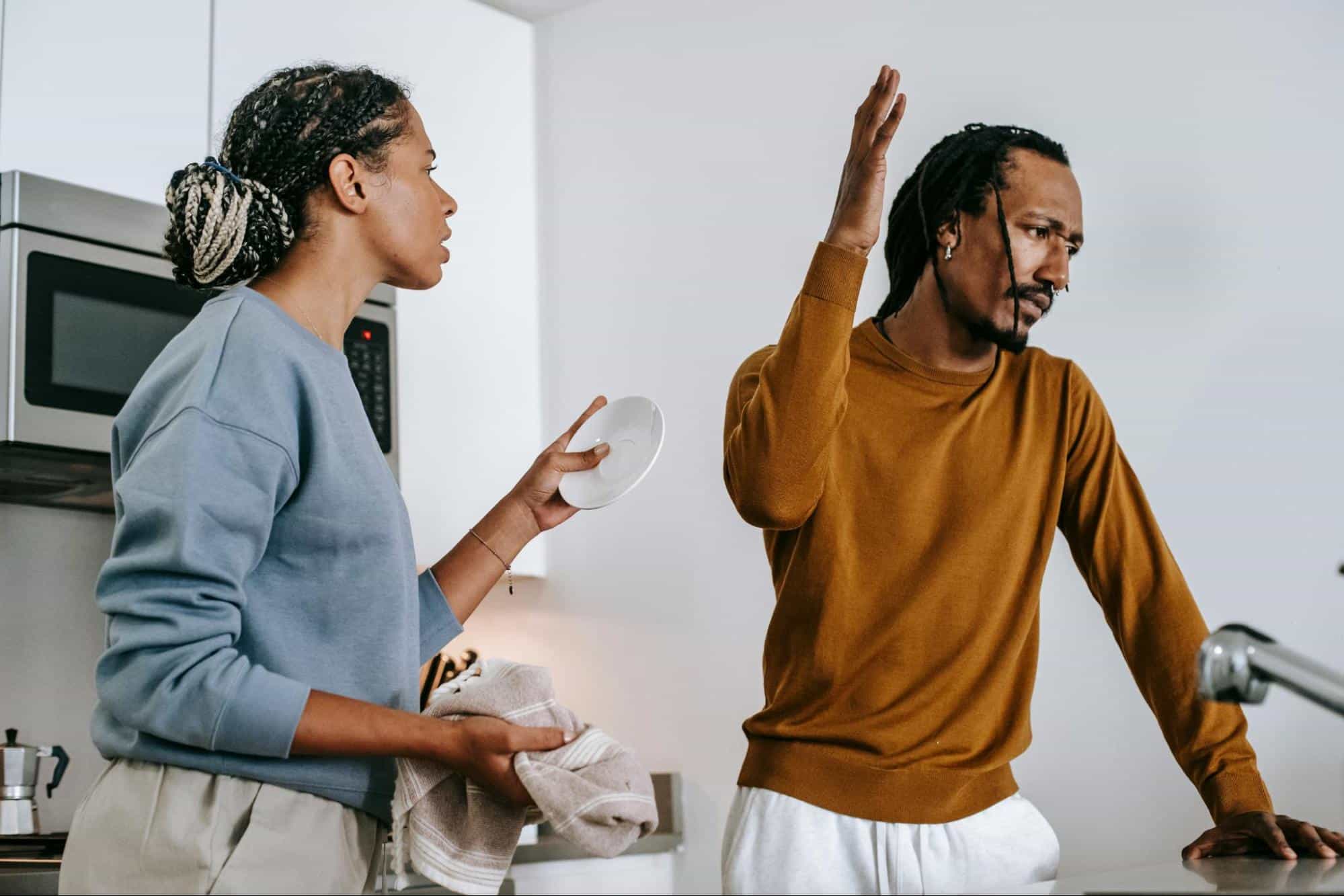
Hand gestures that wave away, brush off, or physically dismiss what she’s saying communicate that words aren’t worth consideration. These gestures physically represent pushing her words away. If hand waves accompany or follow her statements, physical dismissal is happening. The gesture is particularly contemptuous because it treats words as physical nuisances requiring removal. Dismissive gestures reduce speech to irritating interference. Bodies enacting rejection through gestures communicate more than words saying “I disagree.”
Aggressive or Hostile Pointing and Jabbing Motions

Finger pointing, jabbing motions toward her, or aggressive hand gestures create a threatening physical environment. These gestures establish dominance through implied physical aggression. If discussions involve pointing at her chest or jabbing fingers in her direction, physical intimidation is operating. The aggressive gestures create an atmosphere where physical threat underlies disagreement. Respectful disagreement doesn’t require threatening physical gestures. Pointing and jabbing communicate contempt through implied aggression.
Checking Phone or Looking at Watch Repeatedly During Conversations

Repeated phone checking, watch glancing, or attention to devices during conversations communicates that she’s less important than what’s on screen. These gestures physically demonstrate priority hierarchy. If conversations consistently involve device attention, body language shows actual interest level. The repeated checking is a physical statement that something else matters more. Gestures showing attention elsewhere communicate contempt for the person speaking. Bodies giving full attention show respect; bodies constantly checking devices show contempt.
Looking Past Her or Through Her Rather Than at Her

Eyes that look past, through, or around her rather than at her communicate her obstacle rather than person. This looking-through treats her as invisible or transparent. If gaze consistently focuses beyond her rather than on her, presence is being denied. The looking-through is particularly painful because it suggests invisibility. Seeing someone requires looking at them; contempt involves looking through them.
Staring With Hard, Cold Expression
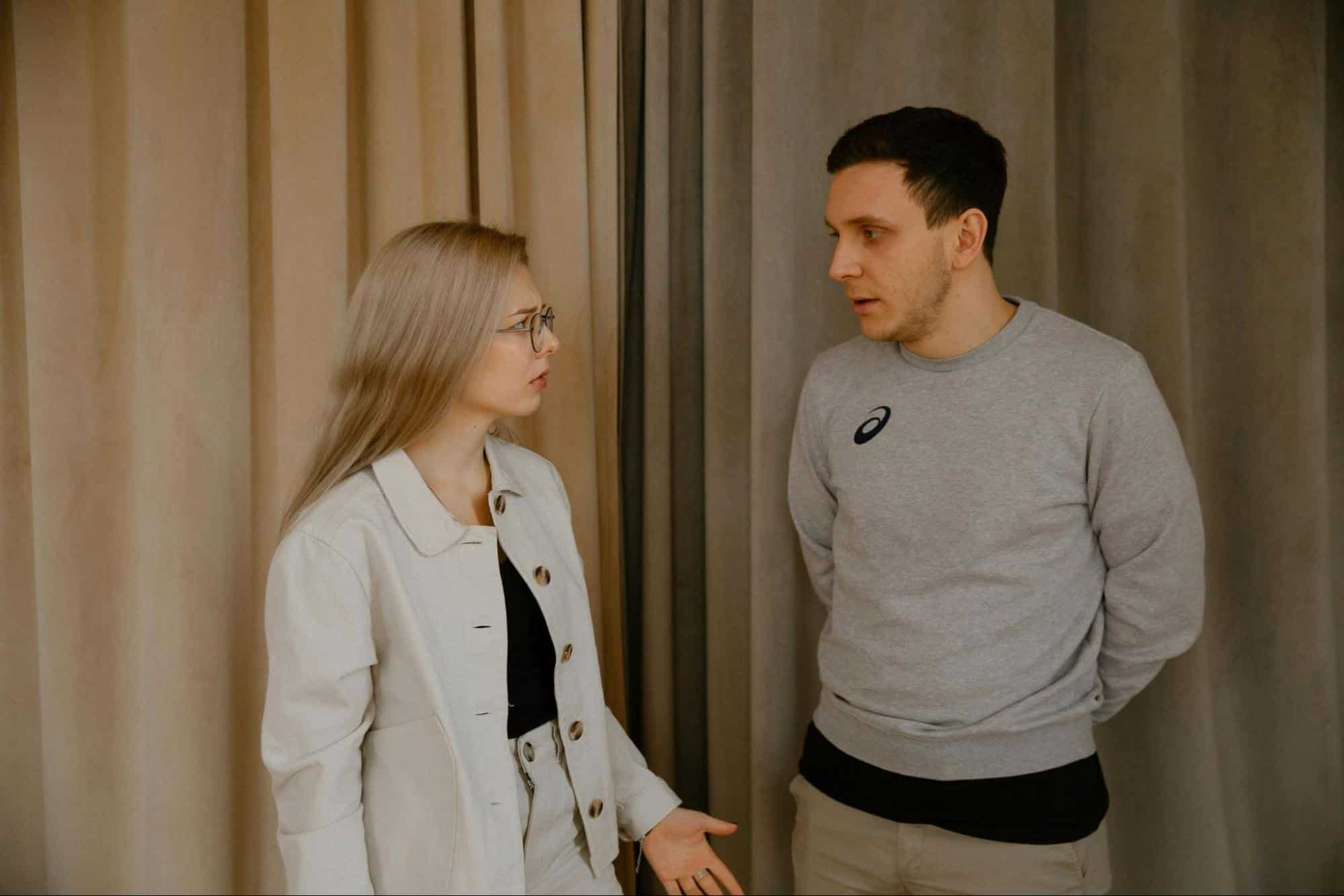
Prolonged stares with cold, hard facial expressions create a hostile atmosphere through visual intimidation. This staring isn’t a connection, it’s aggression expressed through eyes. If eye contact involves cold glaring rather than warm engagement, hostility is being communicated. The hard stare establishes dominance or expresses anger through visual intensity. Loving eye contact is soft; contemptuous eye contact is weaponized staring.
Eyes That Glaze Over or Show Complete Disinterest

Vacant, unfocused eyes during conversations demonstrate mental absence and disinterest. This glazed expression shows that listening isn’t happening despite physical presence. If eyes regularly show nobody-home quality during discussions, mental checkout is visible. The glazed eyes communicate that words aren’t registering or mattering. Present bodies with absent eyes show contempt through visible disengagement.
Recoiling From or Flinching at Her Touch

Physical withdrawal, flinching, or visible recoil when she touches demonstrates rejection through body response. This reaction communicates that her touch is unpleasant or unwanted. If affectionate touch generates visible physical withdrawal, rejection is an involuntary body response. The recoiling is particularly painful because physical rejection is viscerally felt. Bodies that want touch move toward; bodies rejecting touch pull away visibly.
Rough or Aggressive Physical Contact

Physical touch that’s unnecessarily rough, aggressive, or lacks gentleness demonstrates hostility through handling. This roughness communicates lack of care about causing discomfort. If physical interactions involve grabbing, rough handling, or aggressive touch, hostility is expressed physically. The aggressive contact is especially concerning because it borders on or crosses into physical intimidation. Respectful touch is gentle; contemptuous touch is rough. Physical aggression is never acceptable.
See What She Sees

Most people are unaware of their own body language patterns and facial expressions. Set up a phone or camera to record during ordinary conversation, not serious discussion but regular daily interaction. Watch the footage specifically observing facial expressions, body positioning, and gestures. Notice eye rolls, sneers, dismissive gestures, or contemptuous expressions you didn’t realize you were making. The visual feedback is often shocking, seeing yourself through your partner’s eyes reveals expressions and gestures you’d deny making. Ask a trusted friend or therapist to watch footage and identify contempt markers. The awareness from seeing yourself is the first step toward change. Body language is partly unconscious; making it conscious allows control.
Rewire Body Language Through Conscious Practice

Once contempt patterns are identified, practice opposite behaviors deliberately until they become natural. If eye rolling is a pattern, practice keeping eyes still and focused when she speaks. If the body turns away, deliberately face her fully during conversations. If arms cross defensively, practice open posture with hands visible and body positioned toward her. The conscious practice feels awkward initially but gradually becomes natural. Set reminders to check body language during interactions, am I facing her? Are my arms open? Is my face showing respect? Practice in mirror: have conversation while watching facial expressions ensuring no sneering, eye rolling, or contemptuous looks appear. The deliberate practice retrains automatic responses.
Your Body Can’t Lie About Contempt

These sixteen non-verbal contempt signs reveal that body language communicates disrespect more honestly and powerfully than words. Someone can claim respect while face, posture, and gestures betray contempt. Research consistently identifies contempt, particularly expressed through facial expressions like eye rolling, sneering, and mockery, as the strongest predictor of relationship failure. Physical expressions of contempt damage relationships as profoundly as verbal abuse because they communicate fundamental lack of respect at visceral level partners feel even when they can’t articulate. If multiple signs resonate, body language is betraying contemptuous feelings regardless of what words say. The correction requires addressing underlying contempt feelings themselves, body language is symptom not cause. However, conscious control of contemptuous physical expressions while working on underlying feelings prevents continued damage. Partners deserve respect communicated through both words and body language. Bodies expressing contempt destroy relationships regardless of whether the mouth says “I love you.”








Ask Me Anything