
Everyone knows the usual advice. Eat less, move more, stay consistent. But when you talk to the people who really walk the walk, like dietitians, trainers, and wellness experts, they rely on a few underrated habits that make trimming down feel less like a punishment and more like a lifestyle shift.
If you’ve been grinding away at the gym or counting calories and feel stuck, these 15 lesser-known strategies might be just what your routine needs.
1. Eat before you shop so your cart doesn’t sabotage you

They also keep a list and stick to it, but the pre-shopping snack really takes the edge off. Otherwise, you end up with things in your cart you barely even remember grabbing because shelves are designed to catch you off guard..
2. Put your fork down between bites

It sounds almost childish, but nutritionists swear by this. Slowing down your eating gives your body the 20 minutes or so it needs to send those fullness signals. When you keep your fork in hand, it’s all too easy to shovel food like you’re trying to beat a timer.
Setting your fork down after each bite, even just for a few seconds, creates space to breathe, sip some water, and actually taste what you’re eating. Sure, it feels strange at first, but it’s one of those habits that eventually becomes second nature.
3. Swap big plates for smaller ones

Here’s where psychology meets the dinner table. Large plates trick your eyes and mind into thinking you’re eating less than you are. The result? Bigger portions, higher calories, and a lingering sense of dissatisfaction because your plate still looks half-empty.
Experts simply reach for smaller plates and bowls. It’s a subtle cue that helps with portion control without any extra mental gymnastics. You’ll still feel like you’ve had a full plate, and that bit of visual satisfaction goes a long way toward helping you push away from the table feeling good.
4. Sneak in more standing time during the day

Most people think workouts are the only way to burn calories, but experts know the little movements throughout the day add up. Standing burns more calories than sitting, and it signals your body to stay more alert.
They find excuses to stand up, whether it’s waiting outside the café, working at their desk, or even when watching TV. Try it out and it’ll make a difference in your calorie-counting routine.
5. Start meals with a broth-based soup or salad

It feels a bit old-fashioned, like something your grandmother would suggest, but starting with a light soup or a crisp salad actually works. Filling up on high-volume, low-calorie food at the beginning of a meal curbs overeating when the entrée hits the table.
Beyond that, it slows you down and sets a calmer pace for the whole meal. Even something as simple as a handful of greens with vinaigrette or a hot cup of vegetable broth does the trick.
6. Keep tempting snacks out of sight or out of the house
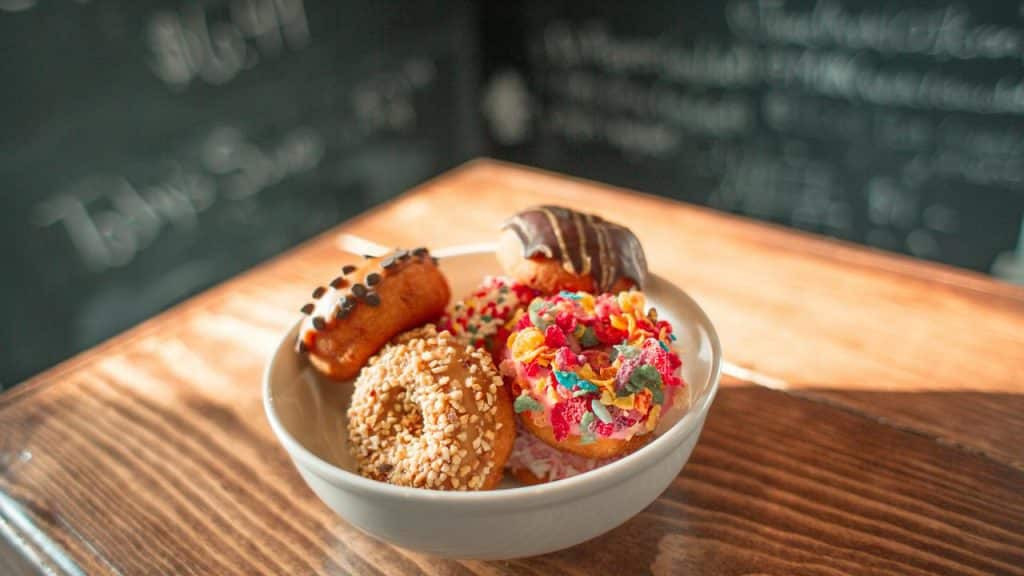
Out of sight, out of mind actually has some merit here. Even seasoned dietitians know willpower is limited when salty chips or sugary cookies are staring you down every time you open the pantry.
Some keep their “sometimes” snacks on the highest shelf or in an opaque container. Others don’t buy them at all. It’s not about banning favorite foods but creating just enough friction that reaching for them takes a bit more thought.
7. Drink water first thing in the morning and before meals

Experts often talk about how thirst can masquerade as hunger. A glass of water when you wake up and before meals can set the tone for the day and keep you from overindulging.
Hydration supports metabolism and digestion, and it just feels good. One dietitian even recommends leaving a glass of water on the nightstand so it’s the first thing you reach for in the morning, which is easier than waiting for coffee to brew.
8. Weigh yourself regularly, but don’t obsess
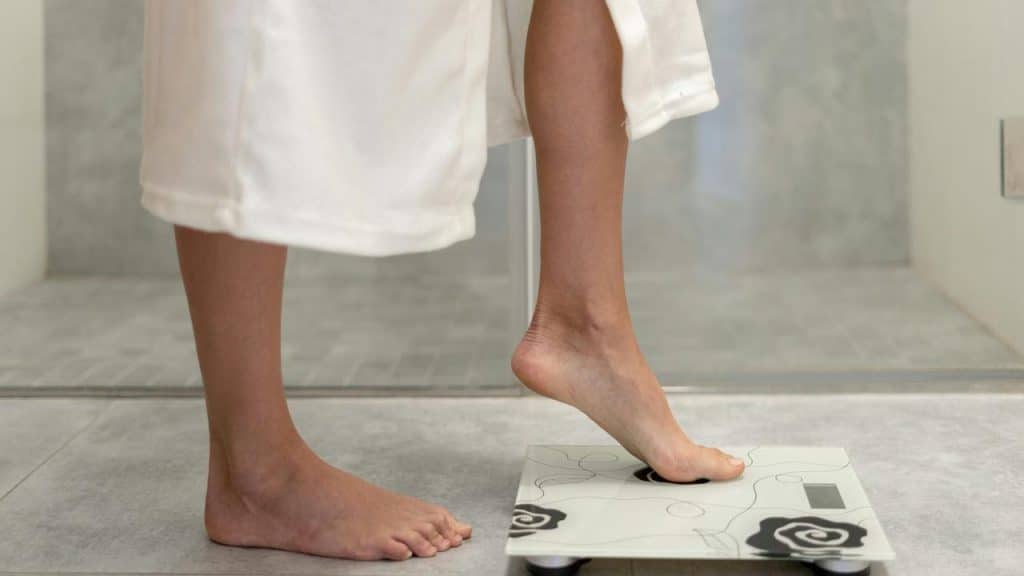
Here’s a habit that tends to divide people, but experts see it as a reality check rather than a judgment. Weekly weigh-ins help track trends without the anxiety of daily fluctuations.
They treat the scale as just information and nothing more. Some even pair it with measurements or photos to get a more complete picture of progress.
9. Cook more meals at home, even simple ones
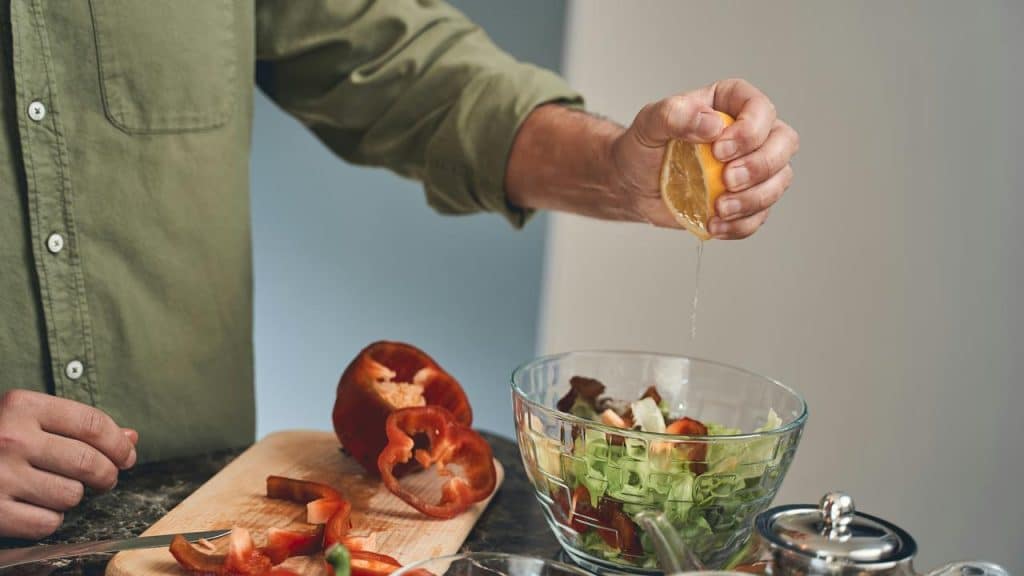
One of the oldest tricks in the book, but still underused. Experts know restaurant meals often come with hidden oils, sugars, and giant portions. Even the healthiest-sounding option can pack more calories than expected.
At home, even if it’s just scrambled eggs and toast, you’re in charge. Keep a few quick, no-brainer recipes in your back pocket for those busy nights. The control and confidence that comes from cooking for yourself is a game-changer.
10. Sleep more, seriously

People often treat sleep as optional, but experts see it as foundational. A lack of sleep messes with hunger hormones, cranks up cravings, and drains your motivation to move.
Getting enough rest sets you up for better choices all day long. Many professionals treat their bedtime like an important appointment, creating a routine that winds down the day and helps them actually fall asleep on time.
11. Have go-to meals for busy nights
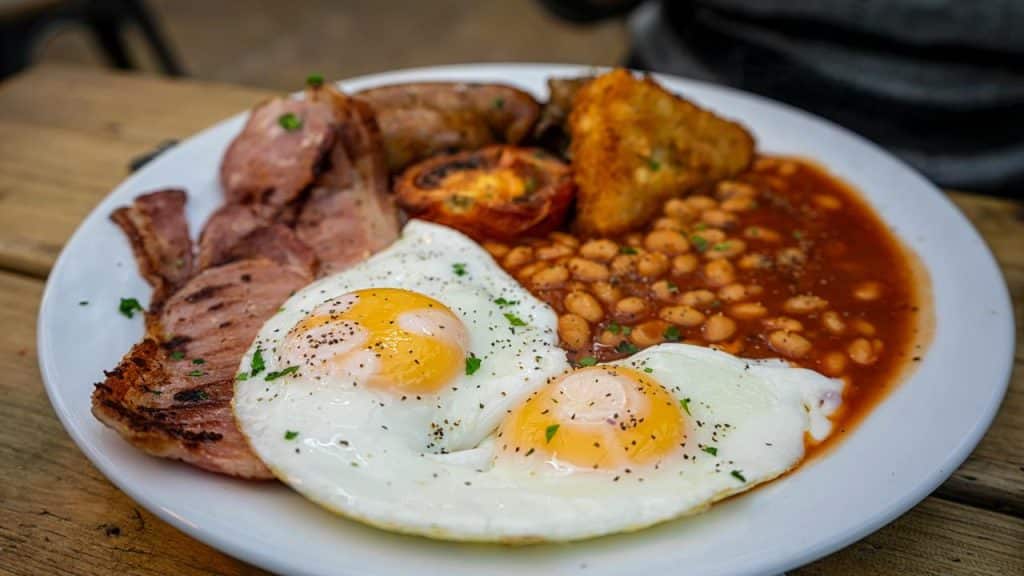
Even the most disciplined people get slammed with work, family, or traffic. That’s when a go-to meal, something you can whip up without thinking, saves the day.
Experts keep their pantries stocked with staples for fast dinners (think canned beans, frozen veggies, eggs) so they’re less tempted to call for delivery. Knowing what you’re going to eat before the chaos hits removes one more excuse.
12. Keep a food journal, even casually
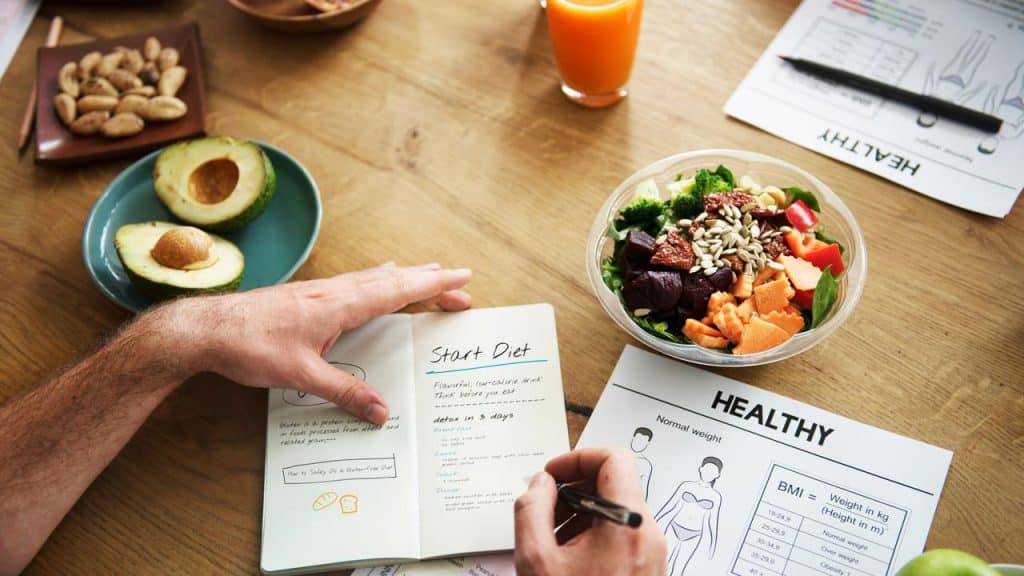
Experts use this simple trick to stay aware of what’s really going in their mouths. Even a sticky note or smartphone memo does the job. You might notice patterns you’d otherwise miss, like how late-night snacks sneak in when you’re stressed or how lunches tend to be rushed.
Take note of the foods that you eat. You’ll be surprised how many snacks you sneak in throughout the day.
13. Take the scenic route when walking

Walking often gets dismissed as “just” walking, but experts lean on it because it’s sustainable and enjoyable. They build it into their routines by parking farther away, taking stairs, or wandering through their neighborhood after dinner.
Adding a little scenery, like a park, lake, or tree-lined street, can make those walks feel more like a break and less like a chore.
14. Cut alcohol or at least swap for lighter drinks

Alcohol has a sneaky way of derailing progress. Empty calories, lowered inhibitions, and worse sleep all add up. Experts often recommend cutting back, especially during times when goals are tighter.
For social events, some switch to lighter options or alternate with water. That way, they still enjoy the moment without feeling sluggish or regretful the next morning.
15. Make your environment work for you
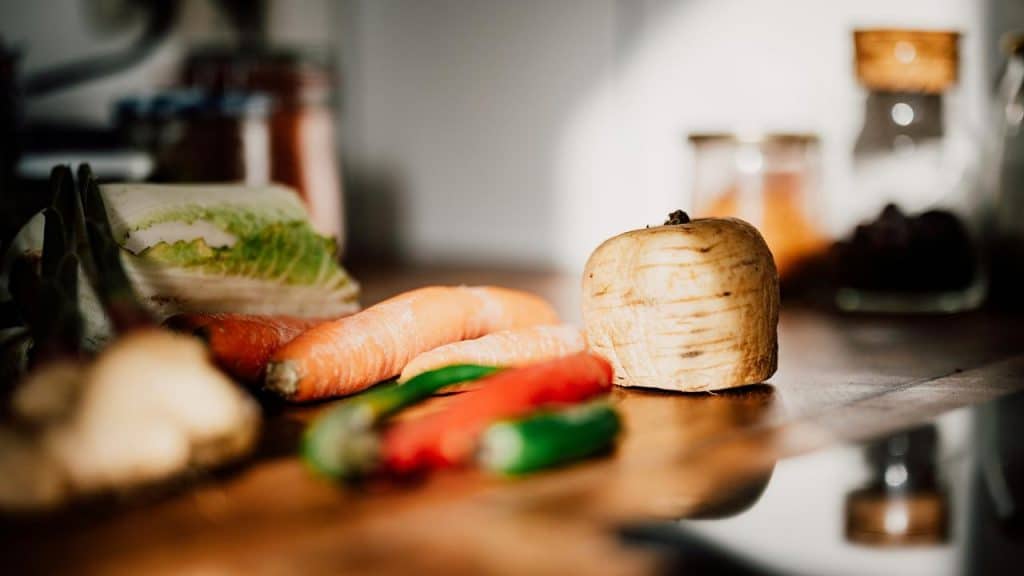
Experts don’t rely solely on willpower because they know it will fail them. They design their spaces to make healthy choices the default. That could mean keeping fruit on the counter, prepping veggies in advance, or storing water bottles where they’re easy to grab.
Even rearranging your fridge so healthier options are at eye level helps greatly.








Ask Me Anything