
Relationships are a game of balance. You give, you receive, and somewhere in the middle is respect and admiration. But sometimes, without even realizing it, you start losing your value in your partner’s eyes. It’s not about grand betrayals or huge mistakes. Often, it’s the small daily habits that chip away at attraction and respect. Maybe it’s how you react in conflicts, how you show up emotionally, or even how you take care of yourself. Recognizing these patterns is the first step to staying someone your partner truly values.
Constantly Seeking Validation
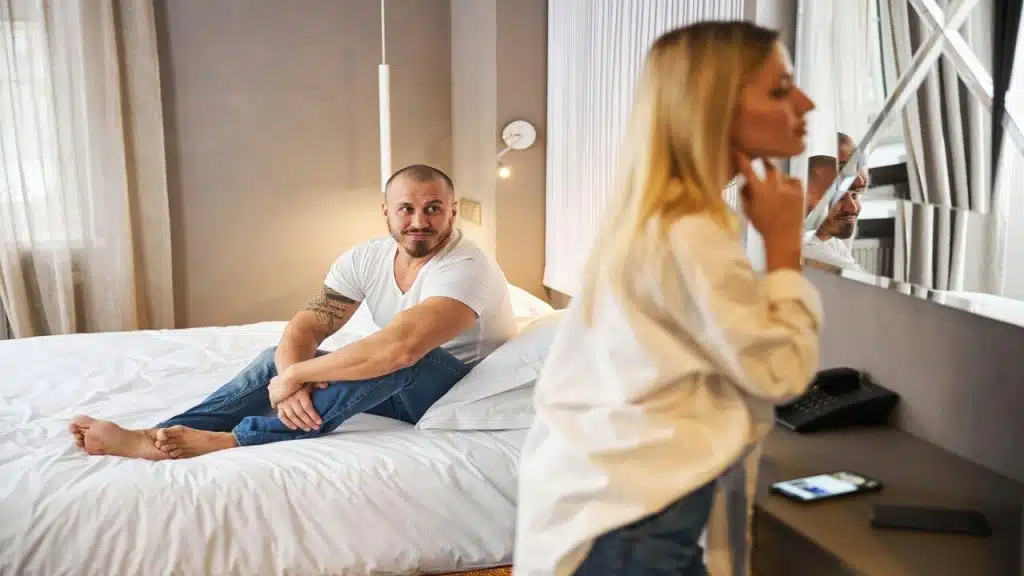
If you’re always fishing for approval or reassurance, it can make you appear insecure. Your partner wants someone confident and grounded, not someone who needs a pat on the back to feel okay. Confidence doesn’t mean being arrogant; it means trusting yourself and your decisions. When you rely on constant validation, it shifts the balance in the relationship. It can also create pressure, making your partner feel like they always have to lift you up. Stand on your own two feet and celebrate your wins yourself. This doesn’t just keep your value high, it makes you more attractive and independent.
Ignoring Personal Growth

When you stop growing as a person, your energy becomes stagnant. Partners are drawn to people who are evolving, learning, and chasing goals. If you neglect your ambitions or hobbies, it signals complacency. This doesn’t mean you need to have a packed schedule. It’s about showing that you care about yourself and your future. A partner who sees you growing feels inspired and proud to be with you. Don’t let comfort turn into stagnation. Keep leveling up, even in small ways, to stay someone worth admiring.
Being Overly Available

Always dropping everything whenever your partner calls can hurt your value. It might seem sweet, but it can make you predictable and taken for granted. Independence is attractive, and having your own life builds mystery. Your partner should want to spend time with you, not expect it automatically. Set boundaries and maintain your hobbies, friendships, and personal time. Being less available doesn’t mean you care less; it shows you have a life worth sharing.
Neglecting Self-Care

How you treat yourself speaks volumes about how much you respect yourself. Neglecting health, appearance, or hygiene can slowly erode your partner’s admiration. Self-care is not vanity; it’s a reflection of discipline and self-worth. When you put effort into yourself, your partner notices and mirrors that energy. It also fuels confidence, making you feel and look better. Skipping this is a subtle way of losing value without even realizing it. Make yourself someone you’re proud to be around.
Playing Games or Being Dishonest

Manipulating situations or lying might give short-term gains, but it destroys long-term trust. Honesty and transparency are cornerstones of value. Partners respect those who communicate openly, even when it’s uncomfortable. Playing games signals insecurity and a lack of maturity. It can also make your partner question everything you say. Value grows when trust grows. Be straightforward, and you automatically maintain respect.
Complaining Constantly

Negativity is contagious, and constant complaining drags down the relationship vibe. When you focus on what’s wrong instead of solutions, you appear weak or ungrateful. A partner wants someone who uplifts, not drags them into constant frustration. That doesn’t mean hiding problems, but your attitude toward them matters. Approach challenges with calm and optimism. A positive mindset keeps your energy attractive.
Letting Boundaries Slip

Failing to set or maintain personal boundaries signals low self-respect. Your partner might start taking liberties, expecting you to always accommodate. Boundaries aren’t selfish; they show you value your time and energy. They also teach your partner how to treat you. Without them, respect diminishes quietly over time. Keep clear limits on what’s acceptable for you. Boundaries preserve your dignity and value in every relationship.
Over-Accommodating

Saying yes to everything to please your partner might feel loving, but it lowers your value. Over-accommodation can make you seem desperate or submissive. Relationships thrive when both people compromise, not when one person bends constantly. Stand firm when necessary and share your opinions. Being assertive is attractive and keeps your partner engaged. They should earn your attention, not assume it. Balance kindness with self-respect.
Avoiding Conflict

Running from disagreements might keep the peace temporarily, but it chips away at your credibility. Partners value someone who can handle tough conversations calmly. Avoiding conflict can make you appear passive or weak. Address issues openly and respectfully, even when uncomfortable. This shows maturity and earns long-term respect. Silent resentment slowly erodes your influence in the relationship. Speak up and protect your emotional space.
Over-Sharing Personal Weaknesses

Being vulnerable is powerful, but oversharing constantly can feel burdensome. Sharing struggles is okay, but unloading nonstop makes you seem unstable. Balance vulnerability with confidence and strength. Show your partner that you can handle challenges without depending entirely on them. Emotional independence increases your value. Keep some space for mystery and personal resilience. This makes the moments you share more meaningful.
Taking Your Partner for Granted

Complacency kills admiration. Ignoring the little things your partner does can make them feel unappreciated. Gratitude and recognition go a long way in maintaining attraction. Celebrate their efforts, and reciprocate kindness. When you start assuming their love is guaranteed, value declines. Relationships require active attention, not passive expectation. Appreciation keeps respect alive.
Losing Passion

Losing interest in intimacy or shared experiences can make your partner feel disconnected. Passion is not just physical; it’s energy, excitement, and curiosity about each other. When you stop trying, the relationship can feel like routine. Keep exploring, flirting, and investing in moments together. Passion signals that you care and are still engaged. Without it, your presence feels ordinary. Stay dynamic to maintain emotional and physical attraction.
Being Overly Critical

Constant criticism wears down admiration quickly. Your partner wants encouragement, not judgment. Focus on positive reinforcement and constructive feedback instead of picking apart flaws. Being overly critical makes you seem controlling or unhappy. Celebrate victories and laugh off mistakes. Respect grows when your energy uplifts rather than diminishes. Tone matters as much as words.
Holding Grudges

Carrying resentment erodes trust and respect over time. Forgiveness doesn’t mean forgetting; it means choosing growth over bitterness. Partners value someone who can move forward and focus on solutions. Holding grudges keeps negativity alive and creates emotional distance. Let go of past slights and communicate openly. Your ability to forgive shows strength and emotional maturity.
Being Emotionally Unavailable

Shutting down emotionally signals detachment. Your partner wants to feel your presence, care, and understanding. Emotional availability strengthens intimacy and keeps respect high. Bottling up feelings makes you appear cold or disconnected. Sharing thoughts and emotions appropriately deepens trust. Show empathy and listen actively. Being present emotionally keeps your value strong and your connection real.
Losing Your Sense of Humor

Life can get heavy, but losing the ability to laugh with your partner diminishes connection. Humor keeps things light and makes you enjoyable to be around. Partners love someone who can handle stress with a smile. If you take everything too seriously, interactions become tense and predictable. Laugh, joke, and enjoy playful moments. A sense of humor is an underrated but powerful way to stay valued and attractive.








Ask Me Anything