
Relationship sabotage is rarely intentional. It often starts as self-protection, pride, fear, or frustration that never gets expressed clearly. A person can want love and still act in ways that slowly push it away. Sometimes it comes from past hurt, sometimes from insecurity, and sometimes from simply not knowing how to ask for needs directly. The hardest part is that sabotage often looks like “normal behavior” at the moment. But repeated patterns quietly change trust, warmth, and respect. This list breaks down behaviors that can damage connection over time. The goal is awareness and repair, not blame.
The Quiet Control Patterns: When Safety Turns Into Management

Some people cope with anxiety by trying to control outcomes. In relationships, control can look like “being responsible,” “being careful,” or “not letting things slide.” But management is not the same as intimacy. When control becomes the main strategy, love starts feeling like supervision. Supervision creates resentment, and resentment kills softness. Control also blocks honest teamwork because one person becomes the authority. Healthy relationships feel like partnership, not micromanagement. These signs often show up in small daily interactions first.
She Tests Instead of Asking Directly

Instead of clearly stating what is needed, she sets up a situation to see if he “figures it out.” The goal is reassurance, but the method creates confusion. Tests often turn into disappointment because people do not read minds consistently. When disappointment builds, she feels unloved and he feels set up to fail. This creates emotional distance even when there is real effort present. Direct requests feel vulnerable, but they prevent unnecessary conflict. Testing turns love into a guessing game. Over time, the guessing game becomes exhausting.
She Uses Hints and Hopes They Land
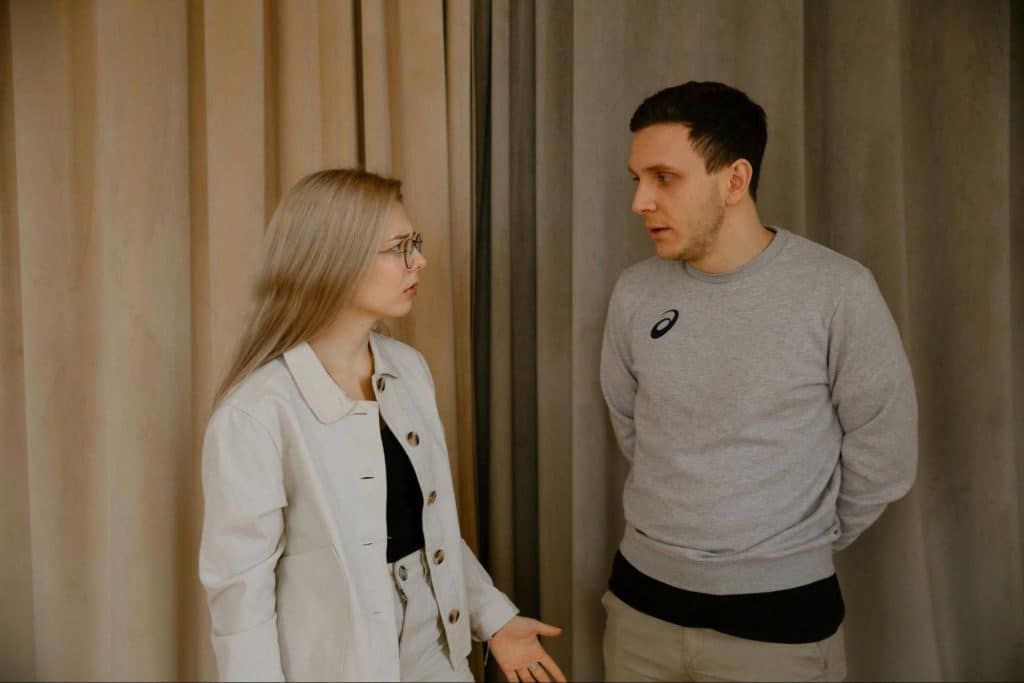
Hinting feels safer than saying something plainly. But hints are often interpreted as moodiness or passive criticism. When the hint does not land, she may feel ignored. Then the emotional story becomes, “He doesn’t care,” even when he simply missed the message. Hints also create a moving target because the “right answer” is never stated. This teaches both partners to communicate indirectly. Indirect communication breeds misunderstanding and resentment. Clarity is not controlling; it is respectful. Love strengthens when needs are spoken clearly.
She Keeps Score Instead of Talking About Needs

Scorekeeping turns the relationship into a competition. She tracks who did more, who sacrificed more, and who “deserves” more. This often happens when needs are not being met and resentment is building. But scorekeeping rarely fixes the need. It usually creates defensiveness and counter-scorekeeping. Soon, the relationship becomes a ledger instead of a bond. A ledger makes affection feel transactional. Transactional affection feels hollow. Needs should be addressed directly, not collected like evidence.
She Corrects His Effort More Than She Appreciates It

Correction has a place, but constant correction kills motivation. When effort is met with “you did it wrong” or “that’s not what was meant,” he may stop trying. Over time, she feels unsupported while he feels unvalued. This creates a cycle where she becomes more controlling and he becomes more passive. The relationship then turns into a parent-child dynamic. That dynamic destroys attraction and teamwork. Appreciation does not mean ignoring problems. It means acknowledging effort while improving the process. People grow faster when they feel valued.
She Treats Emotional Reassurance Like a Requirement, Not a Gift

Everyone needs reassurance sometimes, especially during stressful seasons. But when reassurance becomes constant, it can turn into an emotional job for the partner. If the partner cannot be reassured, she may interpret it as proof of low love. This creates pressure and performance. Pressure can make him shut down or become emotionally guarded. Emotional safety cannot be built on repeated proof demands. Safety grows through consistency, communication, and self-trust. Reassurance should support connection, not replace it. When reassurance becomes a requirement, insecurity often runs the relationship.
The Emotional Distance Moves: When Connection Gets Replaced

Some sabotage patterns do not look dramatic. They look like silence, disengagement, and emotional withdrawal. A person can still show up physically while emotionally checking out. Sometimes the withdrawal is punishment, and sometimes it is self-protection. Either way, emotional absence changes the relationship climate quickly. It makes the other person feel unwanted and unsafe. Emotional distance also blocks repair because there is no real conversation happening. These patterns can become normalized until the relationship feels lonely.
She Withholds Warmth to “Teach a Lesson”

Withholding affection can feel like a way to regain control. It is often used when she feels hurt, ignored, or disrespected. But punishment does not create closeness; it creates fear and resentment. The partner may comply temporarily, but emotional trust erodes. Over time, he may stop reaching out because warmth feels conditional. Conditional warmth is destabilizing. It makes the relationship feel unsafe even on good days. Repair should be collaborative, not disciplinary. Love cannot thrive under emotional penalties.
She Stops Sharing Her Inner Life

When a person stops sharing, the relationship loses intimacy. She may keep thoughts private because she expects misunderstanding or conflict. But silence becomes a wall, and walls create distance. The partner senses something is off but cannot address what is hidden. This creates frustration on both sides. She feels unseen and he feels locked out. Over time, emotional connection gets replaced by logistics. Logistics cannot substitute for intimacy. A relationship needs openness to stay alive.
She Assumes Bad Intent Without Checking

When stress rises, some people interpret everything negatively. A forgotten text becomes disrespectful. A delayed reply becomes avoidance. A mistake becomes proof of selfishness. This mindset creates constant emotional tension. The partner begins to feel judged and misunderstood. Misunderstood partners stop being open. When openness drops, connection drops. Assuming bad intent also makes conflict harsher than necessary. Checking intent calmly is a form of respect. Respect protects long-term love.
She Brings Up Old Issues During New Conflicts

Old wounds often resurface when someone feels unsafe. But stacking old issues into every argument makes repair feel impossible. The partner stops focusing on the current problem and starts defending their entire character. This escalates conflict and prevents resolution. It also teaches both people that nothing is ever truly forgiven. When forgiveness is not real, trust cannot grow. The relationship becomes a cycle of repeated pain. Pain creates more defensiveness, and defensiveness creates more pain. Keeping conflict focused is an act of love, not avoidance.
The Insecurity Loop: When Fear Runs the Relationship

Insecurity does not always look like jealousy. It can look like suspicion, overthinking, or constant scanning for rejection. When insecurity leads, love becomes fragile. The relationship starts feeling like a trial. One person is always proving, and the other is always evaluating. That dynamic makes both people tired. Tired couples stop being affectionate and playful. Without play, the relationship feels heavy. These signs often show up as subtle behaviors that seem “reasonable” but slowly erode trust.
She Checks for Threats More Than She Builds Connection

Instead of focusing on building closeness, she focuses on avoiding betrayal. She watches who he follows, who he texts, or how he reacts to others. Even if she does not confront him, the vigilance changes her tone. The tone becomes suspicious rather than warm. Suspicion invites defensiveness. Defensiveness then “confirms” her fear. This creates a loop where trust is never allowed to grow. Trust is built through boundaries and communication, not surveillance. When vigilance replaces connection, intimacy dries up. The relationship becomes stressful instead of safe.
She Compares Him to Other Men in Her Head

Comparison often starts internally before it’s spoken. She might compare effort, ambition, appearance, or emotional maturity. Comparison makes the current partner look worse even when he is not objectively failing. It also reduces gratitude and increases criticism. Over time, she becomes harder to please because the standard is not realistic. When comparison becomes constant, respect erodes. Respect erosion affects attraction and kindness. If comparison is shared out loud, it becomes humiliating. Humiliation kills closeness. A relationship grows when each partner is seen as a real person, not an alternative ranking.
She Expects Him to Read Her Mood Without Context

Some women expect emotional awareness to mean mind reading. If she is upset and he does not immediately respond perfectly, she labels him as careless. But people can miss cues, especially if they are stressed or distracted. Expecting perfect mood-reading creates constant disappointment. Disappointment often turns into coldness. Coldness then reduces emotional safety. When safety drops, communication drops further. Clear emotional context helps partners show up better. Saying “today was hard, and support would help” is not weakness. It is effective teamwork.
She Builds a Story and Treats It as Fact

When insecurity is strong, the mind writes narratives quickly. She may assume he is losing interest, hiding something, or not valuing her. Then she reacts to the story instead of checking the truth. This can lead to accusations, sarcasm, or emotional withdrawal. The partner then reacts defensively, which fuels the story. This is one of the fastest paths to relationship sabotage. Relationships cannot survive constant mind-reading and storytelling. Facts create clarity; stories create chaos. Checking reality is a relationship skill. It prevents unnecessary damage.
The Avoidance Habits: When Problems Never Get Solved

Some sabotage is passive. It looks like avoidance, delay, and staying “fine” on the surface. Avoidance can feel mature, but it often hides fear of conflict. When issues are never addressed, resentment quietly grows. Resentment changes tone and respect even without arguments. Eventually, the relationship becomes cold and tense. At that point, small issues feel enormous. Avoidance creates future explosions. Healthy couples address issues early, not perfectly.
She Avoids Hard Conversations and Calls It “Keeping Peace”

Avoiding conflict can seem kind at the moment. But the cost is that the real issue never gets solved. She may smile, agree, or act fine while feeling resentful inside. Resentment leaks through tone, distance, and lack of affection. The partner may sense something is wrong but cannot fix what is hidden. Hidden problems become chronic. Chronic problems become emotional issues. Peace without honesty is not peace. It is delayed. Delay often becomes regret.
She Waits for a Breaking Point Instead of Addressing Patterns

Some women tolerate issues for a long time, then suddenly “snap.” The partner feels blindsided because the frustration was hidden. This creates confusion and defensiveness. It also reduces the chance of repair because everything comes out at once. Breaking points feel powerful, but they are usually messy. Healthy change comes from early feedback and consistent boundaries. Waiting for a breaking point often turns small issues into relationship-threatening ones. It also creates a narrative that “nothing ever changes,” even when change was never requested clearly. Timing matters. Early honesty protects love.
She Uses Friends as the Main Place to Process, Not the Relationship

Friends are important, but outsourcing relationship processing can backfire. If friends hear only the worst moments, they build a negative view of the partner. Meanwhile, the partner does not get a fair chance to understand and repair. Over time, the relationship becomes a place of silence, while outsiders become the emotional home. This creates distance and misunderstanding. It can also create loyalty splits in the relationship. Healthy couples can involve trusted support, but they still communicate directly. Repair needs to happen between partners, not around them. A marriage cannot be improved through third-party venting alone.
Awareness Is the Difference Between a Pattern and a Future Regret

Relationship sabotage often starts as fear, pride, or self-protection. But repeated patterns still create real damage over time. These behaviors can make a partner feel evaluated, controlled, or emotionally unsafe. The good news is that many of these habits can be changed once they are recognized. Real change comes from direct communication, realistic expectations, and consistent repair. It also comes from learning to tolerate discomfort without punishing the relationship. Accountability does not mean self-hate. It means choosing better patterns on purpose. A healthy relationship is not built on perfection. It is built on honesty, effort, and emotional safety. When those are protected, sabotage loses its grip.








Ask Me Anything