
In today’s fast-paced world, nurturing strong family bonds is essential for emotional well-being and resilience. Engaging in meaningful activities together fosters trust, communication, and a sense of belonging among family members. This guide presents 16 effective strategies to enhance family connections, promoting unity and lasting memories. Implementing even a few of these ideas can create a more connected, supportive home environment for all members.
Prioritize Family Meals

Sharing meals provides an opportunity for open communication and connection. Regular family dinners encourage discussions about daily experiences, fostering understanding and empathy. This simple ritual can strengthen relationships and create a supportive atmosphere at home. Mealtime offers a chance to check in with each other and build deeper bonds through consistent interaction.
Establish Family Traditions
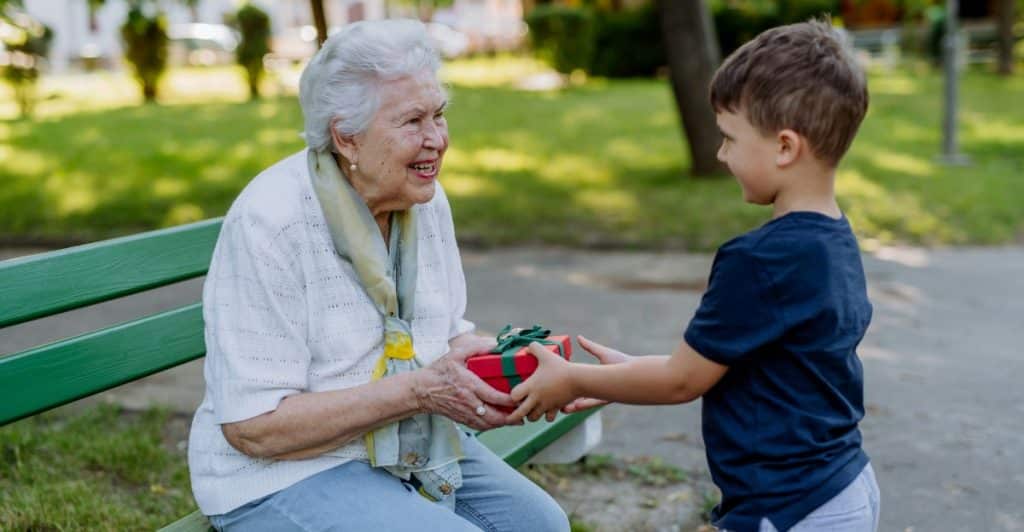
Creating and maintaining family traditions, such as weekly game nights or annual vacations, builds a sense of identity and continuity. These rituals offer predictable and comforting experiences that family members can look forward to, enhancing cohesion. Traditions also provide a shared history and set the stage for future memories. They serve as anchors during life’s changes, offering stability and connection.
Engage in Shared Hobbies

Participating in activities that interest multiple family members, like gardening, painting, or cooking, promotes teamwork and shared enjoyment. These experiences allow family members to learn new skills together and appreciate each other’s talents. Engaging in hobbies also helps reduce stress and increases time spent interacting. It encourages cooperation and opens up opportunities for fun and laughter.
Volunteer Together

Contributing to community service as a family instills values of empathy and social responsibility. Working together on charitable projects can deepen bonds and provide a shared sense of purpose. It exposes family members to diverse experiences and reinforces the importance of giving back. Volunteering fosters unity and encourages discussions about societal issues and values.
Schedule Regular Family Meetings

Holding consistent family meetings creates a platform for discussing concerns, planning events, and celebrating achievements. These gatherings promote transparency and collective decision-making. Family meetings ensure that everyone feels heard and valued. They also help manage conflicts constructively and set shared goals for the household.
Limit Screen Time

Setting boundaries on device usage ensures that family members are present and engaged with one another. Designating tech-free times, such as during meals or before bedtime, fosters meaningful interactions. It encourages face-to-face conversations and reduces distractions. This habit can also improve sleep quality and create a calmer home environment.
Encourage Open Communication

Creating an environment where everyone feels comfortable expressing thoughts and feelings is vital. Active listening and validating each other’s perspectives promote emotional safety and connection. Open communication builds trust and helps resolve misunderstandings quickly. Encouraging dialogue teaches valuable social skills and enhances emotional intelligence.
Plan Outdoor Activities

Spending time outdoors as a family, whether hiking, biking, or having picnics, encourages physical health and shared experiences. These activities offer a break from routine and an opportunity to bond in a natural setting. Outdoor adventures can reduce stress and provide joyful memories. They also promote teamwork and an appreciation for nature.
Celebrate Achievements Together

Acknowledging and celebrating each other’s accomplishments, big or small, reinforces support and pride within the family. This recognition boosts self-esteem and motivates continued personal growth. Celebrations can be as simple as a high-five or a special treat. Taking time to honor achievements shows that each member’s efforts are valued.
Practice Gratitude
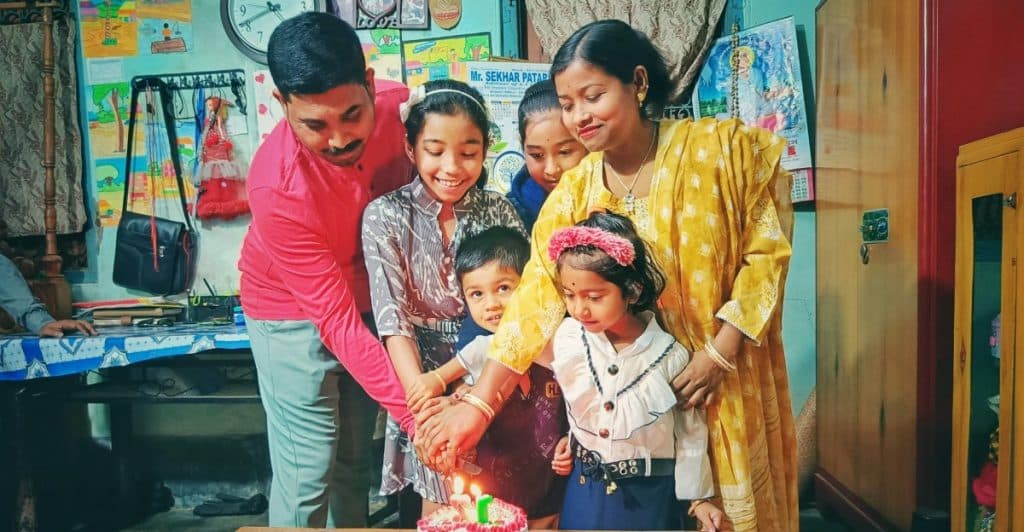
Encouraging family members to express gratitude regularly can shift focus to positive aspects of life. Sharing what each person is thankful for fosters appreciation and strengthens emotional bonds. It helps cultivate a mindset of abundance rather than scarcity. Practicing gratitude also reduces stress and promotes emotional resilience.
Create a Family Mission Statement

Developing a collective mission statement outlines shared values and goals. This guiding document can align family actions and decisions, promoting unity and purpose. It serves as a reminder of the family’s core beliefs during challenging times. Writing it together ensures that everyone has a voice and a stake in the family’s direction.
Support Individual Interests

Taking interest in each family member’s hobbies and passions demonstrates respect and encouragement. Attending events or discussing interests shows investment in each other’s personal growth. This support builds confidence and fosters deeper mutual respect. Recognizing individuality strengthens the family as a whole.
Cook and Eat Together

Preparing meals as a team encourages collaboration and provides an opportunity to teach life skills. It fosters creativity and responsibility in a shared setting. Cooking together can turn into a fun, educational experience. Sharing the fruits of collective effort is both satisfying and bonding.
Practice Active Listening

Giving full attention when someone is speaking shows respect and fosters trust. Reflecting back what is heard ensures understanding and validates the speaker’s feelings. This technique enhances communication and reduces conflicts. It models compassion and attentiveness for younger family members.
Engage in Creative Projects
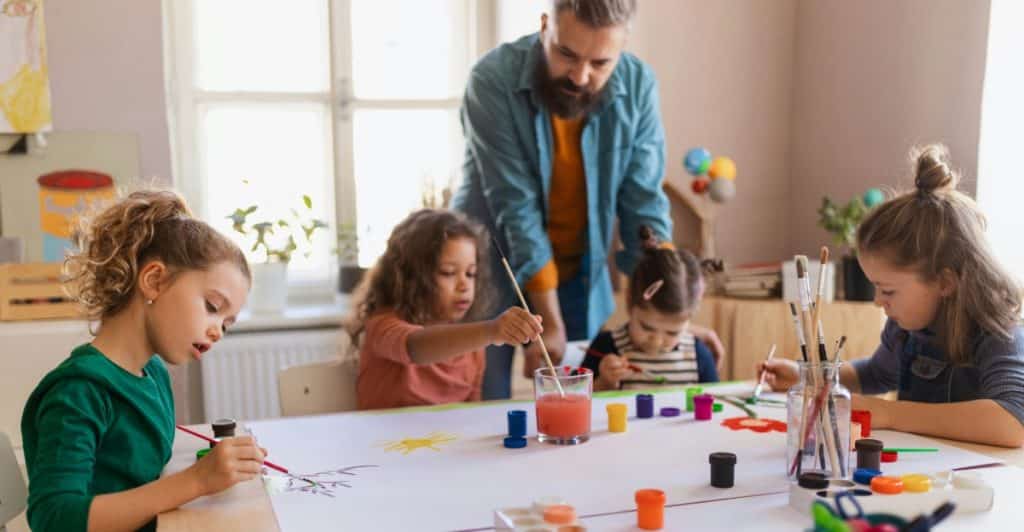
Collaborating on creative endeavors, such as building a family scrapbook or making art, allows for self-expression and shared accomplishment. These activities can become cherished memories that highlight the family’s unique identity. Creative projects promote collaboration and spark joy. They can also help reduce stress and boost problem-solving skills.
Reflect on Family History

Discussing family heritage and stories connects members to their roots and each other. Understanding shared history can instill pride and a sense of belonging. These conversations bridge generational gaps and preserve cultural traditions. They help children appreciate the experiences and sacrifices of their ancestors.








Ask Me Anything