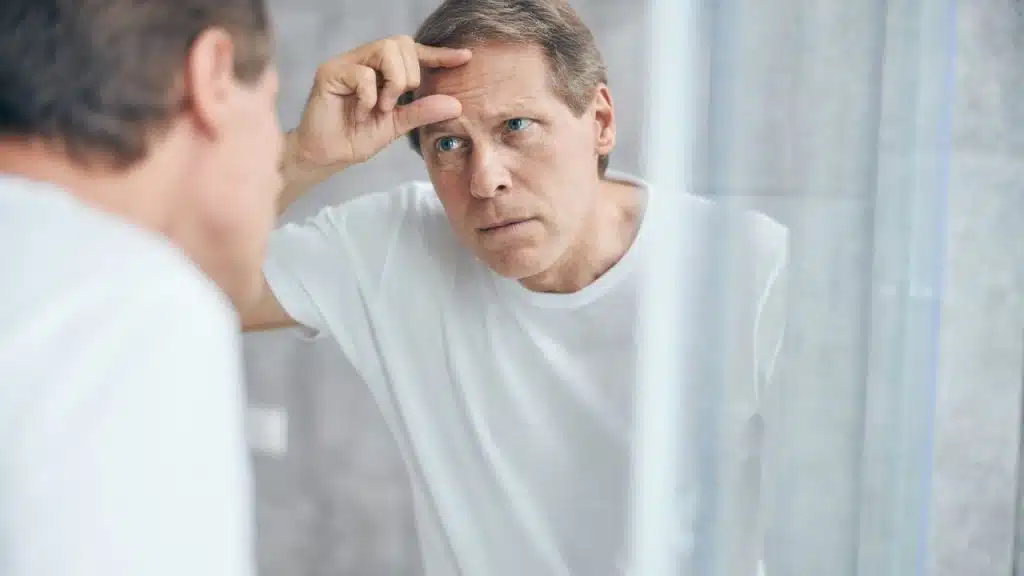
At some point after 40, attractiveness stops being about raw looks and starts becoming about signals. How you take care of yourself, how you show up socially, and how you manage your life begin to matter more than genetics ever did. The problem is that many men don’t notice when small habits start stacking up against them. Nothing dramatic happens overnight, but the overall effect is real. This isn’t about shaming or chasing youth. It’s about noticing patterns that quietly work against you and deciding whether they still make sense.
Letting basic grooming slide
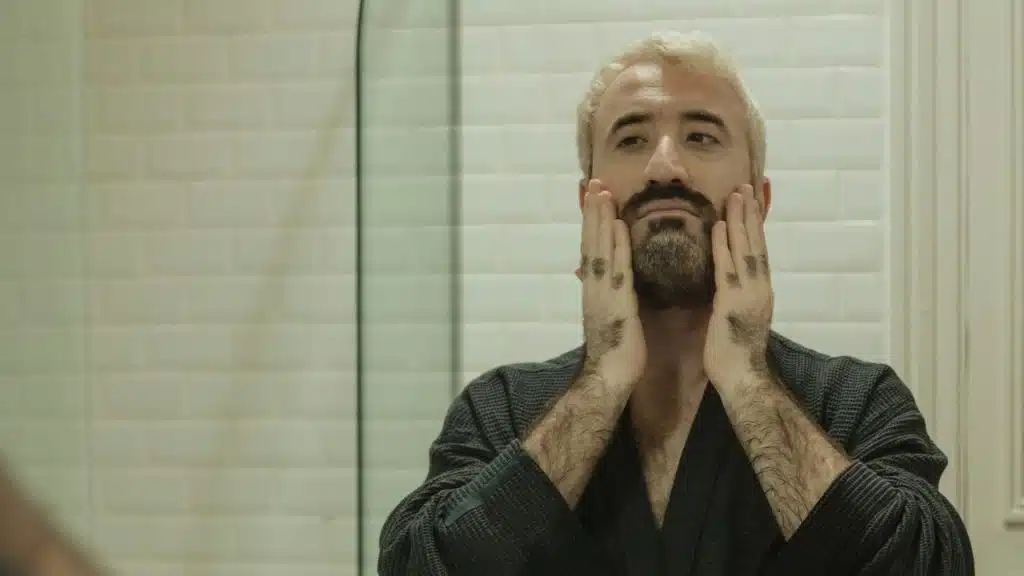
Skipping haircuts, ignoring beard maintenance, or forgetting the basics sends a message whether you intend it or not. It doesn’t say relaxed or confident. It usually reads as checked out. Grooming doesn’t need to be fancy, but it does need to be intentional. When it disappears entirely, people notice before you do.
Treating hygiene as optional

Bad breath, body odor, or worn-out clothes are issues that don’t improve with age. Men sometimes assume familiarity earns them a pass, but it doesn’t. These are small things that have an outsized impact on how you’re perceived. Nobody wants to be the guy people subtly step away from in conversation.
Dressing like comfort is the only goal

Comfort matters, but comfort-only dressing tends to look careless. Old graphic tees, stretched-out jeans, and shoes past their prime quietly age you fast. Style after 40 is less about trends and more about fit and effort. The bar isn’t high, but you do have to clear it.
Ignoring physical fitness entirely

You don’t need a six-pack, but complete neglect shows up in posture, movement, and energy. Fitness affects how you occupy space, not just how you look in a mirror. When men give up on movement altogether, it often reads as giving up in general. The body keeps score whether you want it to or not.
Slouching through life

Poor posture makes you look tired even when you aren’t. It also signals low energy and low confidence without saying a word. Over time, it becomes your default stance, and reversing it feels harder than it is. Standing upright costs nothing and changes more than most men realize.
Living a mostly sedentary life

Long hours sitting, minimal movement, and constant screens take a visible toll. Energy drops, stiffness increases, and motivation quietly fades. You don’t need extreme routines, but no movement at all catches up quickly. The body responds well to being used, even later in life.
Treating sleep like a luxury

Poor sleep shows up on your face, in your mood, and in how sharp you sound. Men often treat exhaustion as normal after 40, but it’s still noticeable. Chronic fatigue dulls everything from conversation to decision-making. Nobody looks or feels their best running on fumes.
Overdoing alcohol or junk food

Indulgence becomes less forgiving with age. What once passed unnoticed starts showing up fast in weight, skin, and energy levels. Heavy habits don’t stay hidden forever. At some point, they become part of how you’re perceived.
Never addressing mental strain
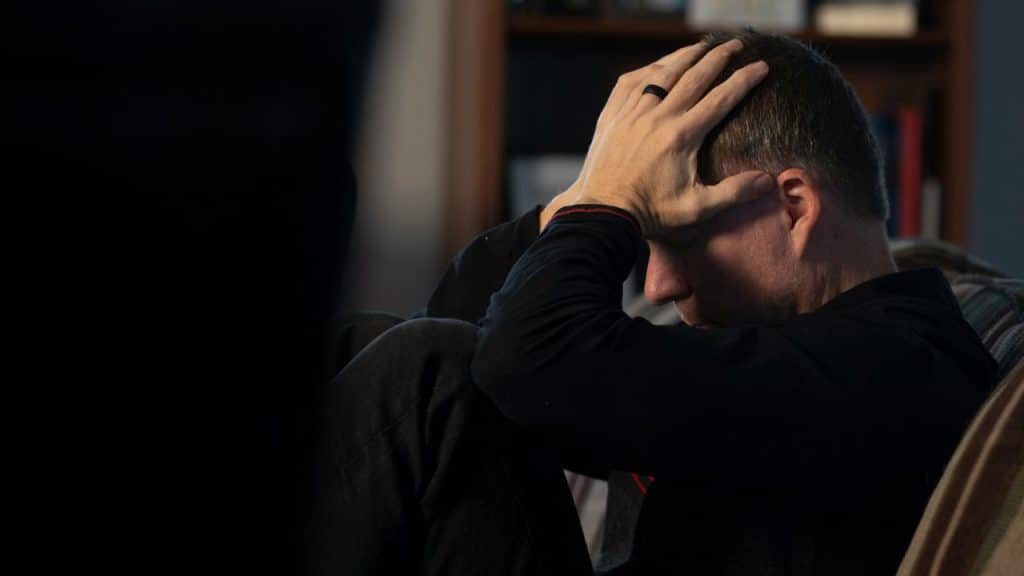
Unmanaged stress leaks into tone, patience, and presence. Men often push through without realizing how tense they’ve become. Over time, that edge becomes their personality. Calm, grounded men tend to be more attractive for a reason.
Making kids the only personality trait

Being a father matters, but when it’s the only thing you talk about, it flattens your identity. People want to know who you are beyond your responsibilities. Balance shows maturity. Overloading conversations with kid talk does not.
Constant low-level complaining

Regular complaining drains the room even when it’s subtle. It doesn’t make you relatable; it makes you heavy to be around. Everyone has frustrations, but not everyone leads with them. Optimism isn’t required, but awareness helps.
Holding onto immature habits

Some behaviors stop being charming after a certain point. Excessive partying, reckless spending, or avoiding responsibility reads differently later in life. Growth is attractive because it shows self-respect. Stagnation does the opposite.
Chasing youth instead of stability

Trying too hard to look or act younger often backfires. It usually highlights insecurity rather than vitality. Confidence comes from owning where you are, not pretending you’re somewhere else. Age handled well tends to look better than youth forced poorly.
Overcompensating in conversation

Talking too much, bragging, or constantly correcting others is often rooted in insecurity. It makes interactions feel tense rather than relaxed. Calm confidence leaves space for others. That space matters more than most men think.
Letting confidence erode quietly
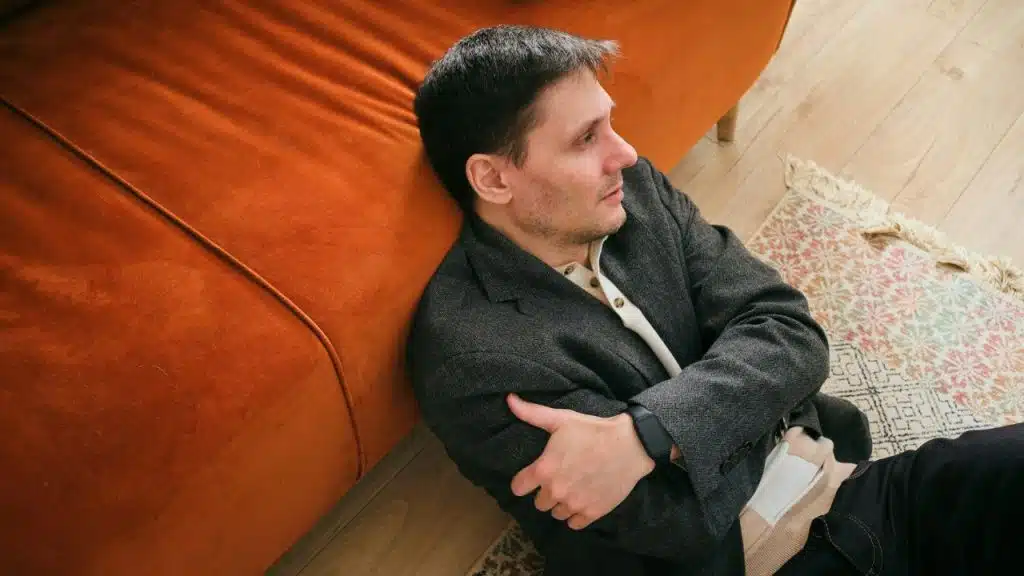
Confidence can fade without dramatic events. Missed goals, routine stress, and self-neglect slowly chip away at it. When men stop trusting themselves, it shows in small behaviors. Regaining it usually starts with keeping small promises again.
Communicating poorly

Being vague, passive, or overly blunt creates friction. Clear communication doesn’t mean over-sharing or dominating conversations. It means people know where you stand without confusion. That clarity is attractive in every setting.
Not listening

Listening is a skill that gets more valuable with age. Men who interrupt or tune out signal disinterest even when they don’t mean to. People notice who pays attention and who doesn’t. Attention is still currency.
Putting in less effort than expected

Assuming age, experience, or stability should carry you is a quiet mistake. Relationships, friendships, and dating still respond to effort. Consistency matters more than grand gestures. Effort doesn’t have an expiration date.
Repeating old relationship patterns

Old habits from past relationships don’t magically improve on their own. Defensiveness, avoidance, or criticism tend to harden with age. Self-awareness breaks cycles; denial reinforces them. Patterns don’t disappear just because time passes.








Ask Me Anything