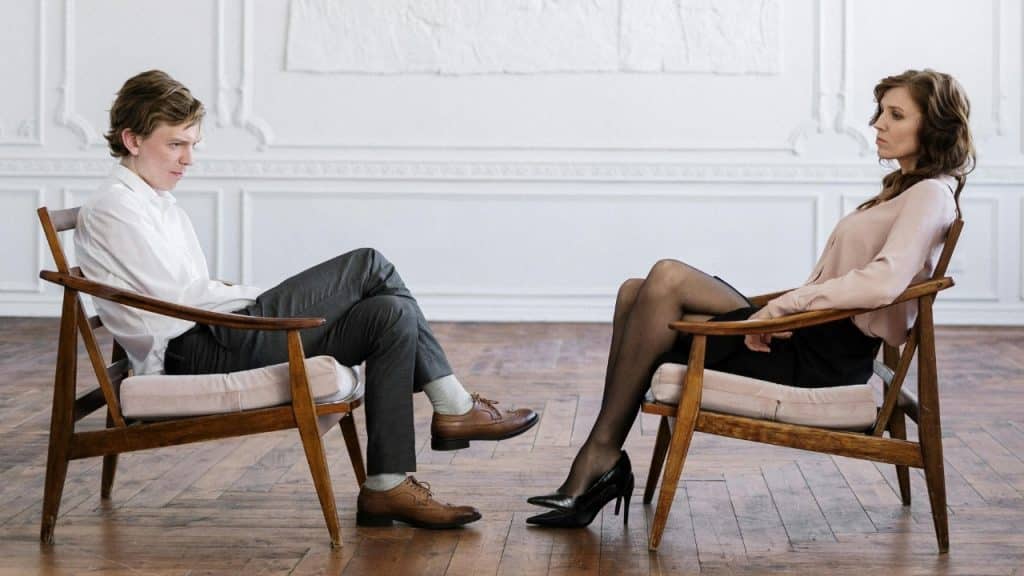
Respect in marriage rarely disappears overnight. It usually fades in small moments that stack up over time. Most men don’t wake up trying to lose their wife’s respect, but certain patterns make it happen anyway. These habits often look harmless on the surface. In reality, they quietly shift the dynamic at home.
If respect feels thinner than it used to, it’s often less about one big mistake and more about repeated signals.
Avoiding Hard Conversations

When tension shows up, dodging it can feel smart. It keeps the peace in the moment and avoids a blow-up. But repeated avoidance sends a different message. It suggests you’re unwilling to face problems directly.
Over time, that can look like emotional weakness rather than calm leadership. A wife may stop bringing up real concerns because she expects deflection or shutdown. Silence becomes the norm, and respect slowly erodes in that space.
Not Following Through

Small broken promises matter. Saying you’ll handle something and then forgetting it doesn’t seem dramatic. But consistency is tied closely to trust.
When follow-through becomes unpredictable, it signals unreliability. A partner begins to compensate by taking control or lowering expectations. Neither reaction builds respect.
Letting Yourself Go Completely

Life gets busy. Careers, kids, and stress take priority. But completely abandoning self-care sends a subtle message about standards.
This isn’t about having abs. It’s about effort. When discipline disappears in obvious areas like health or appearance, it can suggest a broader lack of drive. Attraction and respect are connected more than most people admit.
Deferring Every Decision

Collaboration is healthy. Constant deferral is not. If every choice ends with “whatever you want,” it shifts the balance.
Eventually, it feels less like flexibility and more like passivity. Decision-making ability signals confidence. Without it, a wife may feel like she’s married to someone who avoids responsibility rather than shares it.
Seeking Validation Instead of Giving Stability

There’s nothing wrong with wanting appreciation. But constantly fishing for reassurance flips the dynamic.
If you rely on your wife to stabilize your mood or confidence, she may start feeling more like your emotional manager than your partner. Stability tends to earn respect. Dependency chips away at it.
Publicly Undermining Yourself

Self-deprecating humor can be funny once in a while. Used too often, it reshapes perception.
Jokes about being incompetent, clueless, or “the dumb husband” might get a laugh. Repeating that image reinforces it. People often begin to treat you the way you describe yourself.
Overreacting to Small Criticism
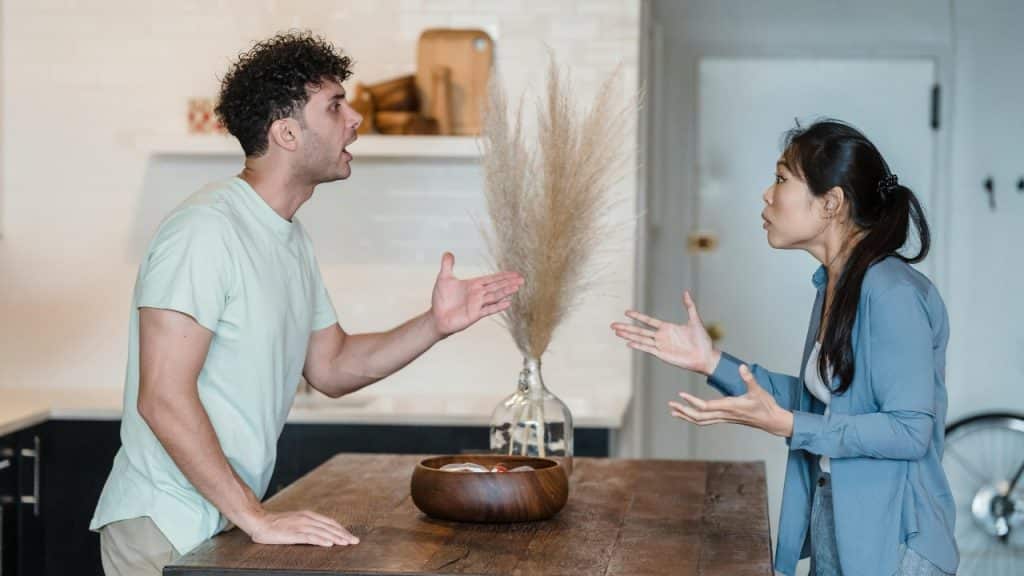
No one loves being criticized. But sharp reactions to mild feedback can signal fragility.
If every suggestion turns into defensiveness, it makes growth difficult. Respect tends to increase when someone can handle input without spiraling. Emotional steadiness matters more than perfection.
Failing to Set Boundaries

Boundaries aren’t about control. They’re about clarity. Without them, resentment builds quietly.
If you allow extended family, friends, or even work demands to override your marriage constantly, it signals misplaced priorities. Strong boundaries often reflect self-respect, and self-respect influences how others respond to you.
Complaining Without Taking Action
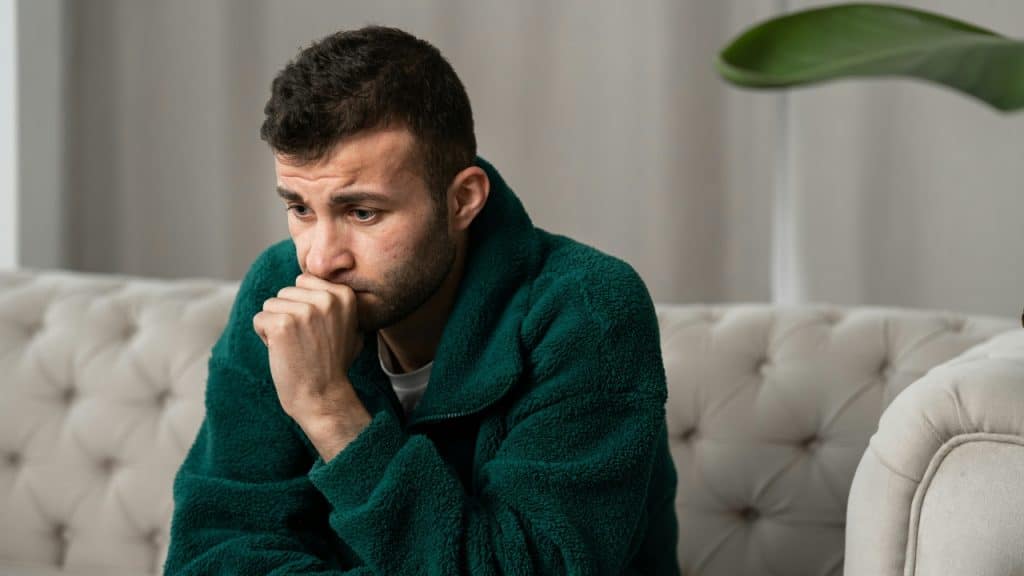
Venting can be healthy. Living in complaint mode is different.
When problems are discussed repeatedly without effort to solve them, it creates stagnation. Action earns respect. Chronic complaining tends to drain it.
Avoiding Leadership at Home

Leadership doesn’t mean dominance. It means engagement.
If household direction, planning, and problem-solving always fall on one person, imbalance forms. Over time, a wife may feel more like a project manager than a partner. Shared direction builds respect. Absence of direction weakens it.
Being Financially Passive

Money stress affects most marriages. Even when both partners work, financial awareness matters.
Ignoring budgets, avoiding planning, or leaving everything to your spouse signals detachment. Competence in practical areas contributes heavily to long-term respect. Financial awareness is part of that equation.
Making Big Decisions Without Alignment

On the flip side, acting unilaterally can also erode trust. Surprise career moves or major purchases without discussion create instability.
Respect grows in environments where input is valued. Consistent collaboration communicates maturity. Acting independently on major issues often communicates the opposite.
Prioritizing Comfort Over Growth

It’s easy to fall into maintenance mode. Work, relax, repeat.
But when growth stops completely, stagnation becomes visible. Whether it’s career ambition, personal development, or physical health, effort signals forward movement. Comfort alone rarely inspires long-term respect.
Speaking Disrespectfully in Conflict

Tone matters more than most people think. Sarcasm, dismissive comments, or subtle insults leave residue.
Even if arguments are infrequent, how they’re handled shapes perception. Respect rarely survives ongoing contempt. Communication style is often more damaging than the disagreement itself.
Acting Like the Marriage Is Guaranteed

When effort fades because the relationship feels secure, dynamics shift.
Taking your spouse for granted often shows up in small ways. Reduced attention, less appreciation, and lower engagement slowly change how you’re viewed. Respect thrives on intentional behavior, not assumptions.








Ask Me Anything