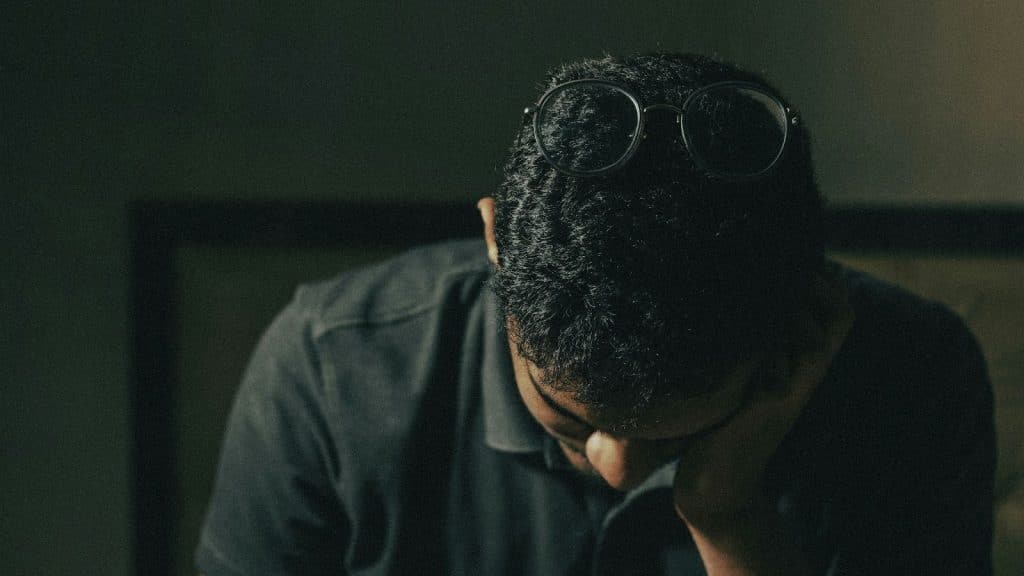
Not all apologies sound the same. Many men, due to how they’re raised or how they’ve learned to cope, often express regret through actions rather than direct language. It’s not always about avoiding accountability; sometimes, it’s just not in their vocabulary to say it outright. But if you know what to look for, you’ll see the effort. This list explores 14 ways men often say sorry without actually saying the word.
Fixing the Problem Without a Speech

He might not give you a heartfelt speech, but suddenly the issue is resolved. The thing that was broken is now fixed. The behavior you pointed out is different the next day. That’s often his way of saying, “You were right, and I heard you.” It’s not performative, it’s his quiet version of repair.
Offering to Help More

If he starts pitching in without being asked, it might be his way of trying to rebalance things. Maybe he knows he dropped the ball, and this is how he’s showing he wants to carry more of the load now. He won’t say, “Let me make it up to you,” but his actions will speak for him. Effort often replaces words.
Physical Touch After Distance

Sometimes the apology comes as a quiet arm around your shoulder or a kiss on the forehead. He may not know how to express what he’s feeling, but the touch says it all. It’s his way of reconnecting. That physical gesture becomes the bridge between tension and tenderness.
Acts of Service

Doing something thoughtful, like grabbing your favorite snack, cooking dinner, or handling your errands, can be a peace offering. He might not say anything, but the gesture says, “I want things to feel okay again.” These actions often hold more sincerity than a forced apology.
Giving You Space (Even If It’s Hard for Him)

Backing off without being asked can be his way of showing respect for your feelings. It might look like silence or withdrawal, but sometimes that’s intentional. He’s trying to give you room to breathe and sort through your thoughts. It’s a form of emotional awareness, not distance.
Making You Laugh Again

Humour can be a soft landing after tension. If he’s trying to bring back the lightness, it could be his way of saying, “I hate that we’re off.” Making you laugh isn’t about dismissing the issue, it’s about easing the discomfort. For some men, laughter is an olive branch.
Admitting Fault Indirectly

You might hear, “I could’ve handled that better,” or “That came out wrong.” It’s not a direct “I’m sorry,” but it’s a step toward it. Acknowledging their part, even in subtle ways, can be a big deal. The phrasing might be different, but the intention is there.
Changing the Subject… Then Circling Back

Sometimes, he’ll drop the topic mid-conversation and then bring it up later once emotions have cooled. It’s not avoidance, it’s strategy. He wants to talk when he can actually be present and engaged. That return to the topic is his version of responsibility.
Being Extra Attentive

He remembers what you said last week, compliments your small wins, and asks about your day more than usual. That sudden attentiveness? It’s him trying to reestablish closeness. He may not say he messed up, but he’s trying to rebuild trust brick by brick.
Overcompensating with Generosity

A surprise gift, a nice dinner, or an unexpected gesture might follow a disagreement. It’s not about material things, it’s about trying to shift the energy. The gift isn’t random; it’s a stand-in for the words he doesn’t know how to say.
Protecting Your Peace More Consciously

You notice he’s more careful with his tone or more mindful of your boundaries. That shift is intentional. He’s doing the inner work, just quietly. This adjustment is his way of showing that your emotions matter to him.
Sharing Something Vulnerable

He might open up about something unrelated but emotionally significant. It’s his way of saying, “I trust you again.” Vulnerability is a form of emotional apology. It’s not an explanation, but it’s often the first sign of reconciliation.
Asking How You Feel (And Actually Listening)

If he circles back with a question like, “How are you feeling about earlier?”, he’s doing more than checking in. He’s showing he’s ready to hear you without defense. That kind of presence is rare, and it often means he’s taken your hurt seriously.
When Silence Isn’t the Absence of Sorry

Some men apologize by simply being there, sitting beside you, not filling the silence with excuses. That quiet companionship can be louder than words. Not every man says “sorry,” but many find other ways to mean it.








Ask Me Anything