
Some relationships appear healthy from the outside. The man is polite, responsible, and does the “right” things on paper. But the partner still feels alone, because presence is missing. Performance can look like effort while avoiding emotional engagement. This is not always intentional or cruel. Sometimes it is fear, burnout, emotional immaturity, or a learned script of what a “good partner” is supposed to do. The result is the same: the relationship feels managed, not connected. These behaviors reveal when someone is playing the role without fully showing up.
The Polite Partner Problem

Politeness is good, but it is not intimacy. Some men use politeness to avoid vulnerability. They do the basics and stay conflict-free, but never emotionally lean in. The relationship becomes calm but distant. Partners often struggle to explain this because nothing is “wrong” in obvious ways. That is why it gets dismissed as overthinking. But emotional absence is still absent. These signs show how “good partner” performance can hide disengagement.
He Does Tasks, But Avoids Emotional Presence

A common pattern is being helpful without being emotionally available. He fixes problems, runs errands, and handles logistics, but avoids deeper connection. The relationship becomes efficient, not intimate. The partner gets assistance, but not attunement. This creates a quiet loneliness that feels hard to justify. It also turns love into a service exchange. Helpful is valuable, but it cannot replace emotional closeness. A partnership needs both action and presence.
He Gives Generic Compliments Instead of Real Appreciation

Performance often sounds like vague praise: “You look nice,” “Good job,” “You’re great.” Real engagement sounds more specific and personal. Generic compliments can feel like a script rather than true attention. The partner may feel unseen even while being praised. It becomes hard to trust the sincerity of the words. This is especially obvious when he cannot describe what he values beyond surface traits. Appreciation should feel like recognition, not a checkbox. When compliments lack detail, emotional engagement is often missing.
He Shows Up to Events but Feels Mentally Absent

He attends family gatherings, dinners, or important moments, but looks distracted. His body is present while his attention is elsewhere. He may scroll, zone out, or keep conversations shallow. This creates the feeling of being accompanied but unsupported. The partner experiences it as emotional loneliness in public. The relationship looks fine to outsiders, which makes the partner feel dramatic for noticing the distance. But attention is a form of love. Presence is not just attendance. Engagement means showing up mentally, not only physically.
He Avoids Conflict by Agreeing, Not by Repairing

Some men say “sure” to keep things peaceful. They agree quickly, apologize quickly, and move on quickly. That can look mature, but it can also be avoided. Real repair includes understanding, empathy, and behavior change. Quick agreement can be a way to end the conversation without engaging. The partner is left feeling unheard, even though she “won.” Over time, this creates resentment because problems never truly get resolved. Peace without repair becomes distance. Silence becomes the relationship’s default.
The Image-Driven Relationship Style
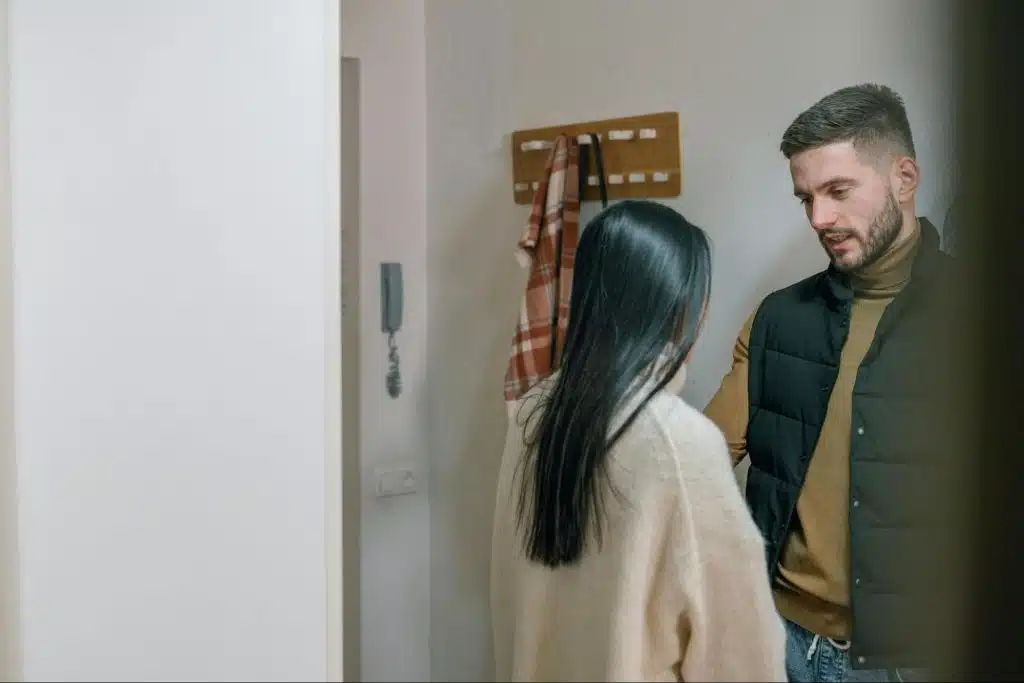
Some men focus on looking like a good partner rather than being one. They perform behaviors that earn praise from others, especially in public. They may post about the relationship, buy gifts that look impressive, or do “partner” tasks when someone is watching. The partner may still feel ignored privately. This creates a split between public image and private reality. A relationship cannot run on reputation. Private effort matters more than public approval. These signs often show when image is the real goal.
He “Checks In” to Avoid Trouble, Not to Connect

Some check-ins sound like management: “Are you okay?” “Everything good?” “Are we fine?” The tone feels like risk assessment, not curiosity. The question is asked quickly and expected to end quickly. The partner may sense that a real answer would be inconvenient. Over time, she learns to say “fine” to keep peace. This creates a relationship where real feelings do not have a safe place. Engagement requires listening, not just asking. A check-in is only meaningful if it welcomes honesty.
He Buys Gifts Instead of Building Intimacy

Gifts can be thoughtful, but they can also be used to avoid emotional labor. Some men substitute buying things for being present. The partner may receive gifts while feeling emotionally neglected. This creates confusion because it looks like care, but feels like distance. Gifts should support connection, not replace it. When gifts appear after conflict without real conversation, they feel transactional. A relationship cannot be repaired with objects alone. Emotional repair requires emotional engagement.
He Performs Romance on Special Days Only

Some men show effort on birthdays, anniversaries, and holidays, but disappear the rest of the year. That pattern feels like obligation, not desire. The partner may feel loved on schedule and lonely in between. This creates a cycle of waiting for special days for basic affection. Consistency matters more than intensity. A healthy relationship includes small daily signals of care. When effort is event-based, the relationship becomes performative. Real intimacy is built in ordinary days.
He Copies Relationship Advice Without Understanding It

Some men learn the “right” phrases from social media or therapy content. They say things like “I hear you” or “That’s valid,” but the tone feels empty. The words do not match behavior change or emotional presence. This creates frustration because it looks like growth but feels fake. The partner may feel gaslit by the performance of maturity. Real engagement shows up in curiosity, accountability, and follow-through. Scripts can be helpful, but only when they are sincere. Without sincerity, advice becomes cosplay.
The Controlled Version of “Good”

Some men look like great partners because everything stays controlled. They avoid messy emotion, deep talks, or vulnerability. They keep the relationship orderly but emotionally flat. Control can feel safe at first, but it becomes lonely over time. Intimacy requires some emotional risk. When emotional risk is avoided, connection cannot deepen. The relationship becomes stable but hollow. Hollow stability often turns into quiet resentment. True safety includes emotional openness, not emotional shutdown.
He Only Engages When There’s a Problem to Solve

He shows up strongly when there is a task: bills, repairs, logistics, and crisis. But he is unavailable for emotional connection, play, or closeness. This makes the partner feel like connection must be earned through problems. It can also create a dynamic where the relationship is built around fixing, not enjoying. Emotional engagement includes fun, curiosity, and shared experiences. A partner should not need a crisis to get attention. Being a team is more than managing problems. Love also needs lightness.
He Avoids Initiating, Then Calls the Relationship “Low Drama”

Low drama can be healthy, but sometimes it is just low engagement. He does not plan dates, initiate conversations, or create shared experiences. The partner becomes the social director and emotional engine. Over time, she burns out. When she stops initiating, the relationship goes quiet. He may describe it as peaceful, but she experiences it as neglect. Peace should include warmth. A relationship should not feel like carrying someone. Engagement includes initiation, not just participation.
He Keeps Conversations Safe and Surface-Level

Small talk is normal, but permanent small talk is distance. He avoids deeper topics like fears, values, regrets, and goals. He may joke or change the subject when emotion appears. This keeps him protected but keeps the relationship shallow. The partner may feel like she is dating a mask. Intimacy requires shared inner life. Without that, the relationship becomes companionship without depth. Depth is what makes love feel alive. Surface-only connection often feels boring and lonely.
He Offers “Solutions” to End Feelings Quickly

When the partner shares emotion, he jumps to problem-solving. The goal is to fix the feeling fast so the conversation ends. This can look helpful, but it often feels dismissive. Many people want understanding before solutions. Quick fixes can communicate impatience with emotion. The partner learns not to share because it becomes a lecture. Emotional engagement includes sitting with feelings, not just fixing them. A relationship needs empathy, not only efficiency. Efficiency without empathy feels cold.
He Uses “Being Nice” as a Substitute for Being Close

Niceness is not the same as connection. Some men think avoiding bad behavior is enough. They do not cheat, they do not yell, and they do not cause chaos. But they also do not pursue emotional closeness. The relationship feels polite and distant. The partner may feel guilty for wanting more because nothing is “wrong.” But wanting closeness is not demanding. A relationship should feel warm, not just acceptable. Love needs presence, not only politeness.
Tips: How to Tell the Difference Between Effort and Engagement

Effort is what gets done; engagement is how it feels while it happens. Engagement includes curiosity, warmth, and emotional responsiveness. Watch whether he asks follow-up questions or just completes tasks. Notice whether he makes space for feelings without rushing them away. Pay attention to whether affection is consistent or only appears after conflict. Look for initiative in connection, not only in chores. Engagement feels like being chosen, not managed. The difference becomes obvious over time.
Tips: Questions That Reveal Real Engagement

Ask what he enjoys about the relationship beyond stability and convenience. Ask how he prefers to handle conflict and what repair looks like to him. Ask what makes him feel close, and what makes him withdraw. Ask what he is currently working on emotionally, not only professionally. Ask how he shows love when he is stressed. The content of the answers matters less than the honesty and detail. Engaged partners can self-reflect. Performative partners often stay vague. Clarity is a strong signal.
Tips: What Helps a Performative Partner Become More Present

Sometimes disengagement comes from burnout, fear, or emotional skill gaps. The most helpful shift is moving from “doing” to “connecting.” That can look like daily emotional check-ins that are unhurried. It can look like planning one small shared ritual each week. It can look like learning how to validate feelings before offering solutions. It can also include counseling or coaching if emotional avoidance is deeply ingrained. Change requires willingness, not pressure. When willingness is absent, performance usually stays performance. Presence is a choice.
A Role Is Not a Relationship

A relationship can look good and still feel lonely. Performing “being a good partner” often focuses on tasks, politeness, and image while avoiding emotional closeness. That avoidance slowly drains intimacy because the partner feels unseen. The goal is not perfection or constant deep talks. The goal is consistent presence, curiosity, and real repair. True engagement feels warm, responsive, and mutual. It creates a sense of being chosen, not managed. When effort includes emotional presence, love becomes easier to feel. And when love is felt, the relationship stops being a performance and becomes a partnership.








Ask Me Anything