
Many people panic when love stops feeling like the early stage. The butterflies fade, the intensity calms down, and routine shows up. Some assume that means love is dying. In reality, love often changes shape as trust, history, and real life accumulate. Sometimes the new version is deeper and steadier. Sometimes it’s riskier because comfort can turn into complacency. The surprising part is that love can still be real even when it feels different. What matters is whether the relationship adapts with intention. These truths explain how love often changes over time, in ways most couples don’t expect.
Love Shifts From Excitement to Safety

Early love often feels like adrenaline. Later love often feels like calm and stability. Some people misread calm as boredom. But calm can be a sign that the nervous system finally trusts the relationship. Safety allows people to relax and be themselves. It also makes conflict less threatening because the bond feels stable. The challenge is keeping safety from becoming neglect. Safe love still needs effort. When safety is protected, love becomes easier to live in.
Attraction Starts Depending More on How You’re Treated
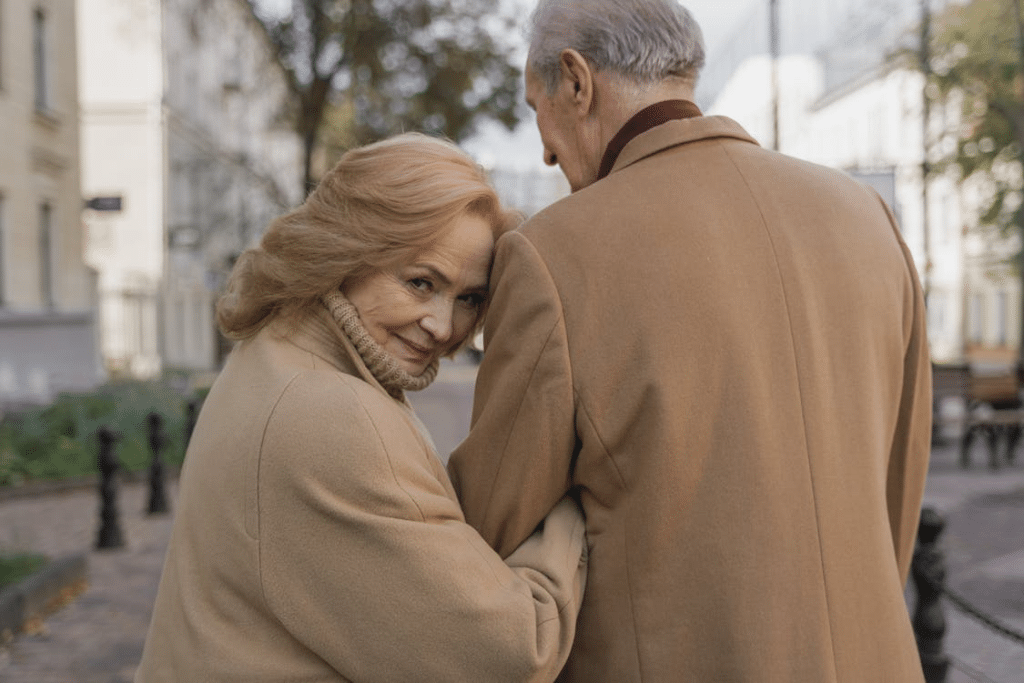
At first, chemistry can carry a lot. Over time, attraction becomes tied to emotional climate. Respect, appreciation, and partnership start affecting desire more than looks. A person can still be physically attractive but emotionally draining. Emotional drain kills attraction slowly. Meanwhile, consistent kindness can increase attraction over the years. This is why long-term desire is rarely about appearance alone. How love feels determines how desire feels. Treating someone well becomes part of being attractive.
Love Stops Feeling Like a Rush and Starts Feeling Like a Choice

In the beginning, love can feel effortless because novelty does the work. Over time, it becomes more intentional. Couples realize they must choose each other daily through habits. This can feel less romantic, but it is more real. Choice shows up in tone, time, and follow-through. Many couples who last say this shift is what saved them. Love becomes something built, not just felt. The relationship strengthens when both people accept the choice.
You Become Less Scared of Conflict and More Scared of Drift

Early relationships fear arguments because they seem like a threat. Long-term relationships learn conflict is normal. The bigger danger becomes emotional drift. Drift looks like less laughter, less affection, less curiosity, and more routine. It feels quiet but it changes everything. Many couples become experts at “getting along” while slowly disconnecting. That is why long-term love requires maintenance. It’s not the fight that breaks the marriage, it’s the neglect after. Love changes when couples learn to fear indifference more than disagreement.
You Stop Wanting a Perfect Partner and Start Wanting a Reliable One
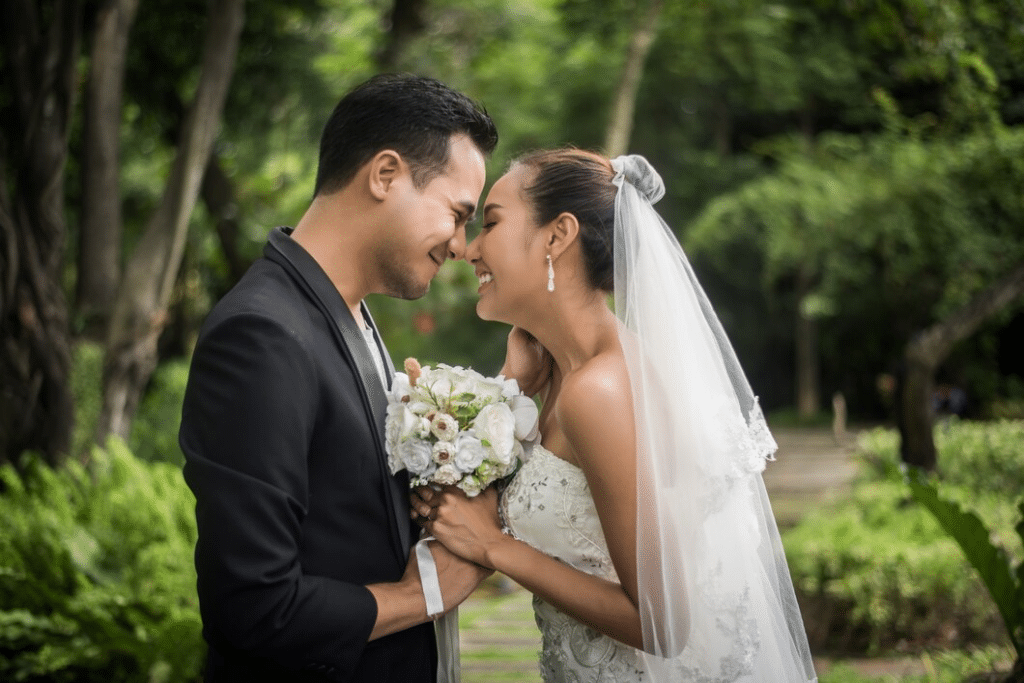
Early love often focuses on big traits and big dreams. Long-term love values reliability: honesty, stability, and consistency. A reliable partner makes life easier, not harder. Many people realize charm is less important than character. The longer the relationship, the more daily behavior matters. Reliability reduces anxiety and builds trust. Trust creates peace. Love changes when people stop chasing perfect and start choosing dependable.
The Same Flaws Feel Bigger Because They Repeat

At first, flaws feel minor or even cute. Over time, repetition gives them weight. A small habit becomes a symbol of deeper issues. That’s why couples fight about dishes but really mean “I feel alone.” Repetition also reduces patience because it feels like nothing changes. Love changes when couples realize patterns matter more than moments. Fixing the pattern becomes more important than winning the argument. Without adjustment, repeated flaws become resentment. Resentment changes love fast.
Love Becomes More Practical Than Poetic

Long-term love often shows up as logistics and teamwork. Helping with responsibilities becomes a form of romance. Many couples realize that being supported feels more loving than being impressed. Practical love is not less meaningful; it is more livable. It’s the kind of love that survives stress seasons. The danger is letting practicality replace warmth entirely. The best couples keep both: teamwork and tenderness. Love changes when romance becomes less about speech and more about support. Practical care becomes the love language.
You Start Missing Small Rituals More Than Big Dates

Grand gestures feel exciting, but they aren’t daily. Over time, couples miss the small things: morning kisses, check-ins, shared meals, and small affection. These rituals create emotional consistency. When they disappear, love starts feeling thin. Many couples are surprised by how much rituals matter. The relationship can still be stable but feel emotionally empty without them. Love changes when couples realize the small rituals are what keep them close. Big dates don’t compensate for daily coldness. Rituals are the real glue.
You Learn That Being “Right” Can Be the Fastest Way to Lose Closeness

Early relationships often argue like debates. Long-term love teaches that winning costs intimacy. When one person must be right, the other feels unsafe. This creates defensiveness and distance. Many couples learn to prioritize understanding over victory. This shift often reduces conflict dramatically. Love changes when ego becomes less important than repair. Humility becomes attractive. Apologies become easier. Peace becomes more real.
Love Starts Feeling Like Shared Identity

Over time, couples start thinking in “we” more naturally. Plans, decisions, and habits become shared. This can feel comforting because it creates belonging. It can also feel intense because individuality shifts shape. The healthiest couples protect both the “we” and the “me.” Love changes when partnership becomes part of identity. That’s why breakups later feel like losing a piece of self. Shared identity is powerful. It’s one of the deepest forms of bonding.
You Stop Being Impressed by Words and Start Watching Patterns

Early love is full of promises. Long-term love learns to trust behavior, not talk. Patterns become the proof of commitment. If words and actions mismatch, trust weakens. Many people become more selective with what they believe. Love changes when people stop romanticizing potential. They focus on reality. This can feel less dreamy, but it creates stability. Stability keeps the relationship safe. Patterns become the language of love.
You Realize Intimacy Is a Mirror, Not a Separate Topic

Many couples initially treat intimacy like a separate issue. Over time, they learn it reflects the relationship’s emotional climate. When respect, safety, and appreciation are high, intimacy tends to improve. When resentment and stress rise, intimacy often becomes harder. Bedroom activity becomes a signal of connection, not just desire. Love changes when couples stop pressuring and start reconnecting. The best intimacy comes from closeness outside the bedroom. Warmth creates desire more than demand. Intimacy becomes a relationship thermometer.
Love Becomes Less About Feeling and More About Responsibility

This is not romantic, but it is real. Long-term love includes showing up through illness, grief, and pressure. It includes responsibility for the relationship climate. Couples learn they cannot treat emotions like weather. They must lead their behavior even when they don’t feel like it. This responsibility creates trust. Trust creates calm. Love changes when commitment becomes active, not passive. Responsibility is love with backbone. It’s what makes “forever” possible.
You Start Needing More Appreciation Than You Expected

Many couples are surprised by how quickly gratitude fades. Effort becomes invisible because it’s consistent. Over time, people start feeling taken for granted. Love changes when partners realize appreciation must be spoken and repeated. Appreciation is not childish; it is emotional oxygen. Without it, resentment grows. With it, effort stays alive. Long-term love thrives on being seen. A simple “thank you” becomes more powerful over time.
Your Standards Mature

What used to feel exciting may no longer feel safe. What used to feel “good enough” may start feeling like bare minimum. This is not always because the partner changed. It’s because the person grew. Love changes when standards evolve toward emotional safety, respect, and stable partnership. Many people start caring less about intensity and more about peace. They become less tolerant of repeated patterns. This can create conflict if the relationship doesn’t adapt. Growth changes what love needs to feel satisfying.
The Relationship Needs Updating Like a Living System

Couples who last learn to renegotiate. Parenting changes needs. Work changes energy. Health changes priorities. Long-term love fails when people assume old rules still fit. Updating includes discussing expectations, boundaries, and responsibilities. It also includes checking in on emotional needs. Love changes when couples treat the relationship as something to maintain actively. Maintenance is not boring; it is leadership. Without updating, drift becomes normal. Updating keeps love current.
You Become More Sensitive to Emotional Safety

Small disrespect hurts more over time because history is long. A sharp tone can feel like betrayal because the relationship is supposed to be home. Long-term couples realize safety is the foundation of everything. When safety drops, everything else suffers. Love changes when partners stop tolerating disrespect. They protect the bond by protecting dignity. Safety also reduces overthinking. People relax when they feel safe. Long-term love needs safety more than excitement.
You Start Seeing That “Boring” Can Be a Blessing

Many people confuse peace with boredom because they are used to intensity. Over time, couples realize calm is rare and valuable. Calm allows stability, deeper connection, and a healthier nervous system. Boring often means predictable in a good way. It means no constant chaos. Love changes when people stop chasing emotional highs and start appreciating steadiness. Steady love becomes attractive. Calm homes feel like wealth. Peace becomes romance in real life.
Love Becomes Stronger When Both People Keep Choosing

Long-term love doesn’t stay alive on its own. It stays alive when both people keep choosing each other. Choosing looks like small daily effort, repair, appreciation, and time. Many couples say love became deeper once they accepted this truth. They stopped waiting for feelings to lead and started letting habits lead. Habits create feelings over time. Love changes when it becomes a daily practice. The strongest love is built through repeated choice. Choice turns love into something lasting.
Love Changes Shape, But It Doesn’t Have to Shrink

Love changing over time is normal. The real question is whether it evolves into depth or drifts into distance. The healthiest couples treat change as a signal to adjust, not a reason to panic. Safety, respect, and consistency make long-term love feel good. Curiosity, appreciation, and repair keep it alive. If love feels different, it may not be dying—it may be asking for a new approach. Mature love is not always loud, but it is steady. When both people keep choosing, love grows stronger with time.








Ask Me Anything