
Many relationships don’t end with a big fight or a dramatic betrayal. They end quietly in slow motion, while the couple is still technically together. Bills still get paid, family events still happen, and daily life still runs. But the “us” feeling fades. The partnership becomes more like coexisting than connecting. This drift can happen even when both people still care. It often happens when stress, routine, and unresolved issues replace shared meaning. The most confusing part is that nothing seems “wrong enough” to justify alarm, yet everything feels less alive. These 17 patterns show how couples can stay together while slowly losing their sense of “us.”
The Slow Drift: When Life Becomes Logistics

“Us” is built through attention, shared moments, and emotional presence. When life becomes only logistics, the relationship becomes functional but not intimate. Many couples fall into survival mode and never fully come out of it. They talk about schedules and responsibilities more than feelings and dreams. Over time, they stop feeling like teammates and start feeling like coworkers. Coworkers can cooperate, but they don’t usually feel close. The relationship still exists, but the emotional warmth fades. These patterns often begin small, then become normal. Normal drift is still drift.
Conversation Becomes Only Tasks and Updates

When most conversations are about errands, kids, work, and timing, the relationship loses depth. There is nothing wrong with practical talk, but it can’t be the only kind. Couples who lose “us” stop asking questions that build closeness. Curiosity fades, and so does emotional intimacy. They become informed about each other, but not connected. This often creates loneliness even while living together. Many people don’t notice because the relationship still runs smoothly. Smooth logistics can hide emotional distance. The “us” feeling needs more than information. It needs emotional engagement.
Shared Time Exists, But Shared Presence Doesn’t

A couple can sit in the same room while living separate lives. Screens, work, and distractions replace real attention. This creates proximity without connection. Over time, the relationship feels like background noise. Many couples normalize this because it feels peaceful. But peace without presence can still become emptiness. Emotional closeness requires attention, not just physical space. When presence is missing, affection often fades next. The relationship becomes quieter and less warm. Quiet does not always mean healthy. Quiet can mean disengaged.
They Stop Laughing Together

Laughter is emotional glue. It signals friendship, playfulness, and comfort. When laughter disappears, the relationship often becomes heavy and serious. Many couples assume laughter will return “when life calms down.” But life rarely calms down on its own. Couples must protect fun intentionally. Without fun, the relationship becomes more like a duty than a bond. Duty can keep people together, but it rarely keeps them close. The absence of laughter also reduces romance because romance needs lightness. When humor fades, “us” starts fading too. The relationship becomes less enjoyable to be in.
The Emotional Distance: When Vulnerability Gets Replaced by Guarding

“Us” grows when both people feel safe to be honest. When emotional safety declines, people protect themselves. They share less, feel less, and risk less. This can happen after repeated misunderstandings or unresolved conflict. The couple still functions, but the emotional openness is gone. Many couples interpret this as maturity or calmness. But often it’s emotional guarding. Guarding blocks intimacy because intimacy requires vulnerability. Without vulnerability, the relationship becomes shallow. Shallow relationships can survive, but they feel lonely. Loneliness inside a relationship is one of the clearest signs that “us” is shrinking.
They Stop Sharing Their Inner World

A couple can know each other’s schedules but not each other’s thoughts. When inner world sharing stops, the relationship becomes surface-level. People may still talk, but they don’t reveal much. This often happens when someone feels dismissed or judged in past conversations. So they adapt by staying quiet. Over time, silence becomes a habit. Habit becomes emotional separation. Emotional separation reduces affection because closeness feels less natural. Many couples lose “us” because they stop being emotionally known. Being known as a major bond builder. When it disappears, connection weakens.
Conflict Gets Avoided, Not Repaired

Avoiding conflict can look like peace, but it often creates distance. “Us” depends on repair, not avoidance. When couples stop repairing, they stop feeling safe to engage. They let tension sit in the house. Over time, they stop expecting improvement. That expectation loss becomes resignation. Resignation changes the relationship’s emotional temperature. People become polite instead of warm. They stop bringing things up because it feels pointless. A relationship without repair becomes a relationship without growth. Without growth, “us” slowly dies. Staying together becomes more about endurance than connection.
Complaints Get Stored Instead of Spoken
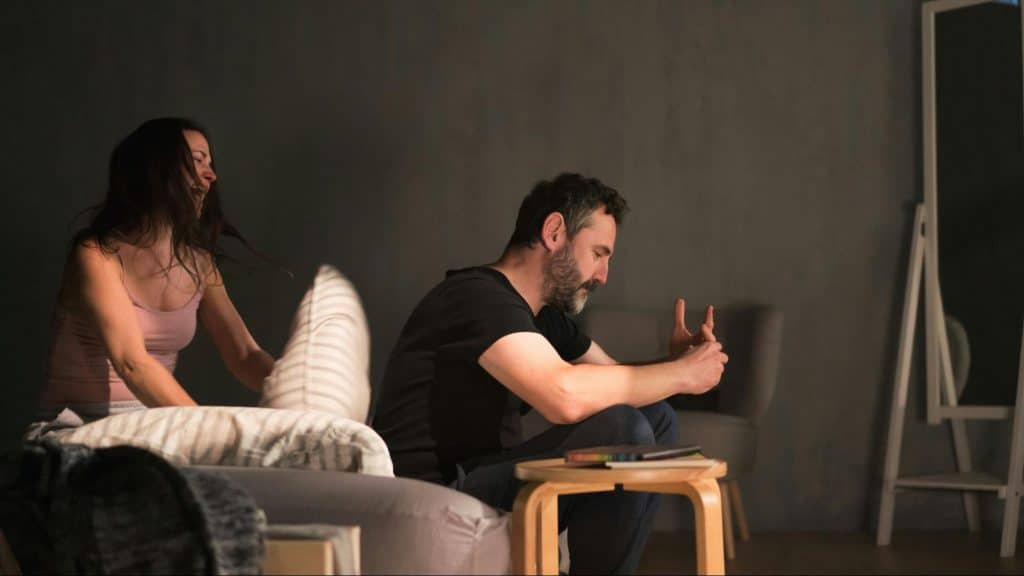
When people don’t feel heard, they stop trying. They store complaints internally. Stored complaints become resentment. Resentment becomes emotional coldness. Coldness becomes less intimacy. This is one of the most common drift patterns. It looks quiet, but it’s powerful. A couple can stay together for years while resentment quietly stacks up. They start treating each other with less grace. Even small mistakes feel bigger. The relationship starts feeling tense and fragile. “Us” can’t thrive in stored resentment. Resentment needs release and repair to stop spreading.
The Fairness Breakdown: When Partnership Stops Feeling Balanced

“Us” is strongest when both people feel the load is shared fairly. When one person carries most responsibilities, resentment builds. The overburdened person feels alone. The other person feels criticized or excluded. Over time, the relationship becomes a power struggle or a parent-child dynamic. Parent-child dynamics kill romance and closeness. Many couples lose “us” because daily life becomes unequal. The imbalance might start small but grows with time. If one person manages everything, they stop feeling like a partner. They feel like a caretaker. Caretaking replaces desire, and “us” fades.
One Person Becomes the Manager of Life

When one person handles planning, remembering, and organizing, the relationship becomes unromantic. Management creates fatigue and irritation. The manager feels unsupported. The other person feels nagged. This creates a cycle where both people feel misunderstood. The relationship becomes less playful and more tense. Many couples normalize this pattern because life gets busy. But busy life does not require imbalance. Imbalance is a choice pattern. When management becomes permanent, admiration often drops. When admiration drops, “us” weakens fast.
Appreciation Becomes Rare and Assumed

When people stop feeling appreciated, they stop feeling connected. Appreciation keeps effort alive. Without it, effort becomes an obligation. Obligation creates resentment and distance. Many couples love each other but stop expressing gratitude. They assume love should be understood. But being loved is not the same as feeling valued. Feeling valued requires recognition. Couples lose “us” when both feel taken for granted. They stop doing the “extras” because it feels pointless. Then the relationship becomes colder. Cold relationships feel less like a team and more like a contract.
The Priority Shift: When the Relationship Stops Being Protected

“Us” requires protection. That means protecting time, boundaries, and emotional attention. When everything else becomes the priority, the relationship becomes an afterthought. Work, kids, and stress can take over completely. Over time, the couple stops investing in their bond. They become co-managers of life instead of partners. Many couples assume the relationship will survive because it has history. History helps, but it isn’t maintenance. Maintenance requires consistent attention. Without it, emotional connection fades. Then the couple wonders why intimacy feels distant. “Us” was not protected, so it weakened.
They Stop Doing Things That Belong Only to Them

Couples often have rituals: date nights, inside jokes, shared hobbies, or small routines. When those disappear, the relationship loses identity. Identity is part of “us.” Without shared rituals, the couple becomes generic. Life becomes a series of obligations. Many couples stop doing rituals because they’re busy. But busyness doesn’t erase the need for connection. It increases it. Rituals create closeness and comfort. Without rituals, the relationship feels less special. The couple becomes less of a team and more of a schedule. Shared identity fades when rituals fade.
They Let Outside Stress Control the Home Climate

Stress will exist, but couples can choose how it enters the relationship. When stress constantly spills into tone, patience, and kindness, “us” erodes. Partners become short-tempered or emotionally absent. They stop being a soft place for each other. The home becomes tense. Tension reduces affection and desire. Many couples think stress is temporary, so they tolerate it. But prolonged stress becomes a lifestyle. Lifestyle stress changes personality. It makes people less generous and more guarded. “Us” can’t thrive in a constant stress climate. Stress must be managed together, not dumped.
They Start Acting Like Two Individuals Instead of a Unit

Independence is healthy, but separation isn’t. When the couple stops planning together, dreaming together, or deciding together, “us” weakens. They still live together, but they move independently. This can look like separate hobbies, separate plans, and separate emotional lives. The relationship becomes parallel living. Parallel living can feel peaceful, but it often becomes emotionally empty. “Us” requires shared meaning. Shared meaning comes from shared goals and shared time. Without it, the relationship becomes less intimate. People stop feeling like a team.
Attraction Fades Because Admiration Fades
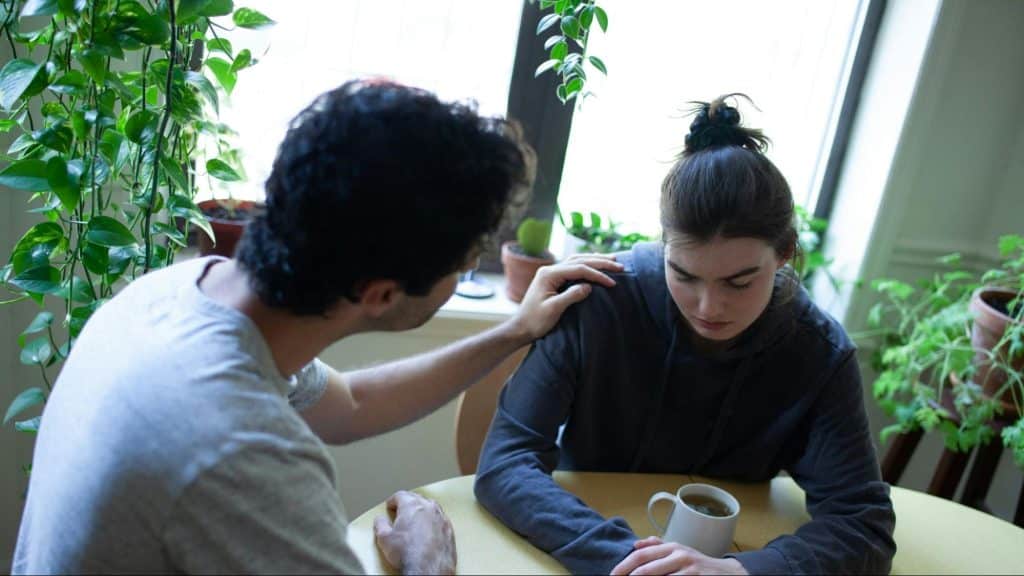
Attraction in long-term relationships often depends on admiration and respect. When admiration drops, intimacy often drops too. The couple may still love each other, but desire feels weaker. This creates more distance and more self-protection. Many couples stop investing in attraction because they assume it will remain. But attraction needs care. It needs warmth, effort, and respect. When these fade, intimacy fades. Intimacy fading makes the relationship feel less bonded. That weakens “us” further. It becomes a loop of emotional and physical distance.
They Stop Repairing Small Injuries

Small injuries in relationships are daily moments of disappointment. A sharp tone, a broken promise, a missed bid for attention. If these injuries never get repaired, they stack. Over time, the relationship feels bruised. People become less willing to open up. They stop offering warmth because they don’t want to be hurt again. This is how drift becomes permanent. Repair doesn’t need therapy language. It needs ownership, apology, and changed behavior. Couples who repair small injuries stay close. Couples who ignore them slowly lose “us.” The cost of small neglect becomes big distances.
The Relationship Still Exists, But “Us” Stops Feeling Real

This is the final pattern: the relationship becomes an arrangement. People stay because of history, kids, finances, or convenience. They may still care, but they don’t feel emotionally bonded. The “us” identity is gone. The couple becomes a shared life without shared closeness. Many people don’t admit this out loud. They just feel lonely in silence. This is often when one person starts imagining life differently. Not always leaving, but changing. When “us” stops feeling real, the relationship is at a crossroads. It can be rebuilt, but it cannot be ignored. Ignoring it usually leads to permanent distance.
Conclusion

A couple can stay together for years while slowly losing their sense of “us.” It often happens through small patterns: task-only talk, lost rituals, stored resentment, and missing repair. The relationship still functions, but the emotional bond thins out. “Us” isn’t maintained by love alone. It’s maintained by attention, fairness, and consistent emotional presence. The good news is that drift is usually reversible when it’s noticed early. Small repairs, shared rituals, and real conversations can rebuild closeness. But waiting rarely helps. “Us” doesn’t return by accident. It returns when both people choose it on purpose.








Ask Me Anything