
Betrayal is not only an emotional injury; it often becomes a trust injury that reshapes how love is experienced. After betrayal, many people notice they do not love the same way, even in healthy relationships later. They may still care deeply, but closeness starts to feel different. The mind becomes more alert to risk, and the heart becomes slower to fully relax. Some changes are protective and healthy, while others can become limiting if left unaddressed. “Permanent” does not always mean hopeless, it can mean “different.” Love can still be real, warm, and lasting, but it may become more intentional and less naive. These shifts explain how betrayal often rewires love.
Trust Rewiring: When Safety Stops Feeling Automatic

Many people believe trust is a default until it is broken. Betrayal teaches that trust is conditional and must be proven over time. This shift can be painful because it removes the ease of early connection. After betrayal, “safe” becomes something the nervous system has to verify repeatedly. The person may still want closeness, but the body reacts as if danger is possible. That reaction can show up as suspicion, overthinking, or emotional hesitation. Even good partners can trigger these reactions unintentionally. These changes often become part of how love is built going forward.
Love Becomes Slower to Fully Open
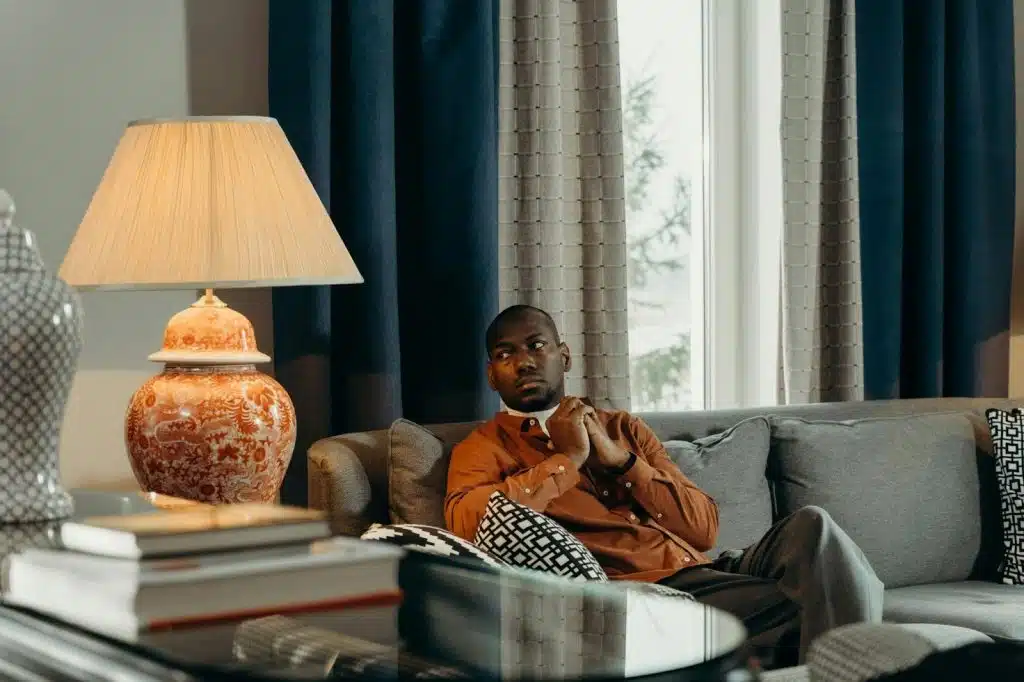
After betrayal, emotional openness often becomes cautious. The person may share less at first, even when the relationship seems healthy. It is not always distrust of the new partner; it is distrust of the feeling of trusting. Vulnerability starts feeling like a risk rather than a gift. This can create a “slow start” that surprises people who used to love quickly. The person may also watch consistency before investing emotionally. That can be healthy, but it can also feel lonely if it becomes permanent walls. Love becomes less impulsive and more deliberate. Deliberate love can still be deep.
Reassurance Stops Feeling Optional

Many betrayed people become more sensitive to ambiguity. Mixed signals, delayed replies, and vague answers feel heavier than they used to. The mind starts scanning for signs of hidden behavior or emotional drift. This can create a need for clearer reassurance and more transparent communication. Even if the new partner is loyal, the nervous system may not relax easily. The person may ask more questions, not to control, but to feel safe. Safety becomes a daily concern rather than a background feeling. This changes the rhythm of love. It can also change how conflicts are experienced.
Suspicion Becomes a Reflex, Not a Choice

Betrayal often creates automatic doubt. The person may not want to suspect, but suspicion shows up anyway. It can appear as intrusive thoughts, checking behavior, or reading into small shifts. This reflex can also trigger shame, because the person does not want to feel “insecure.” But the reflex is often trauma-based, not personality-based. The mind tries to prevent being blindsided again. That prevention can make love feel less relaxed. Relaxed love is replaced by vigilant love. Vigilance keeps pain away, but it can also block closeness.
Boundaries Become Sharper and Less Negotiable

After betrayal, many people become clearer about what they will not tolerate. They stop minimizing red flags and stop excusing disrespect. Some boundaries that used to feel “too strict” now feel necessary for peace. This can improve dating choices and reduce future harm. But it can also feel hard, because boundaries sometimes limit who can get close. Betrayal teaches that consequences are real. It also teaches that ignoring discomfort becomes expensive. Stronger boundaries often create healthier relationships. They also reduce the chance of repeating old patterns. Love becomes more self-respecting.
Emotional Risk Feels Higher Than Before

Before betrayal, love may have felt like a safe bet. After betrayal, love can feel like a gamble. Even with a good partner, the mind remembers what it was like to trust and then be hurt. This memory changes the emotional stakes. The person may hesitate to merge lives, commit quickly, or fully depend on someone. Independence becomes a safety strategy. That independence can be healthy, but it can also create emotional distance if it becomes rigid. Love becomes less about surrender and more about balance. Balance is safer, but it can feel less romantic. The goal becomes secure love, not blind love.
Connection Changes: When Intimacy Feels Different

Betrayal can change how intimacy feels, emotionally and physically. Some people become less affectionate because touch triggers vulnerability. Others become more affectionate because closeness feels like reassurance. Either response can happen, depending on the person’s coping style. Intimacy can also become more sensitive to trust. If trust feels shaky, desire often drops. The person may want love but feel blocked from fully receiving it. This can create confusion inside the relationship. Love becomes tied to safety more than before. Safety becomes the gateway to intimacy.
Love Gets More Practical and Less Idealistic

Betrayal often kills fantasy. The person stops believing that love automatically protects people from bad choices. They become more realistic about human flaws and temptation. This realism can reduce disappointment later. It can also make love feel less magical. The person may value consistency over intensity. They may prioritize integrity over chemistry. This often leads to better long-term decisions. But it can also create a sense of grief for the innocence that was lost. Love becomes less ideal and more intentional. Intentional love is still love, it is just wiser.
Forgiveness Becomes More Complicated

After betrayal, forgiveness stops being a simple moral choice. It becomes a process that requires safety, accountability, and time. Many people can forgive mentally but still struggle emotionally. They may forgive and still have triggers for years. This creates tension because forgiveness is often expected to “fix everything.” In reality, forgiveness does not automatically restore trust. Trust is rebuilt through consistent behavior and transparency. Betrayal teaches that forgiveness can coexist with consequences. Consequences are not cruelty; they are protection. Love becomes more conditional on safety.
Pride and Dignity Become More Central

Betrayal often changes how people protect self-respect. They stop tolerating situations that make them feel foolish. They become more sensitive to dishonesty and manipulation. Some become quick to exit when signals feel off. This can reduce the chance of staying in unhealthy dynamics. But it can also create quick triggers when misunderstandings happen. The person may prefer distance over feeling exposed again. Pride can be protective, but it can also block repair if it becomes rigid. Healthy dignity includes boundaries and communication. Betrayal often strengthens the need for dignity in love.
The “Proof” Mindset Replaces the “Trust” Mindset

Many betrayed people stop believing words alone. They start watching behavior carefully. Consistency becomes the real language of love. This can create healthier relationships because actions matter more than charm. But it can also create a constant evaluation loop. The person may feel like a detective even when they do not want to. A relationship can start feeling like it needs ongoing proof. That can exhaust both partners. Love becomes evidence-based rather than faith-based. Evidence-based love can be stable, but it requires careful balance to avoid paranoia.
Joy Can Feel Risky at First
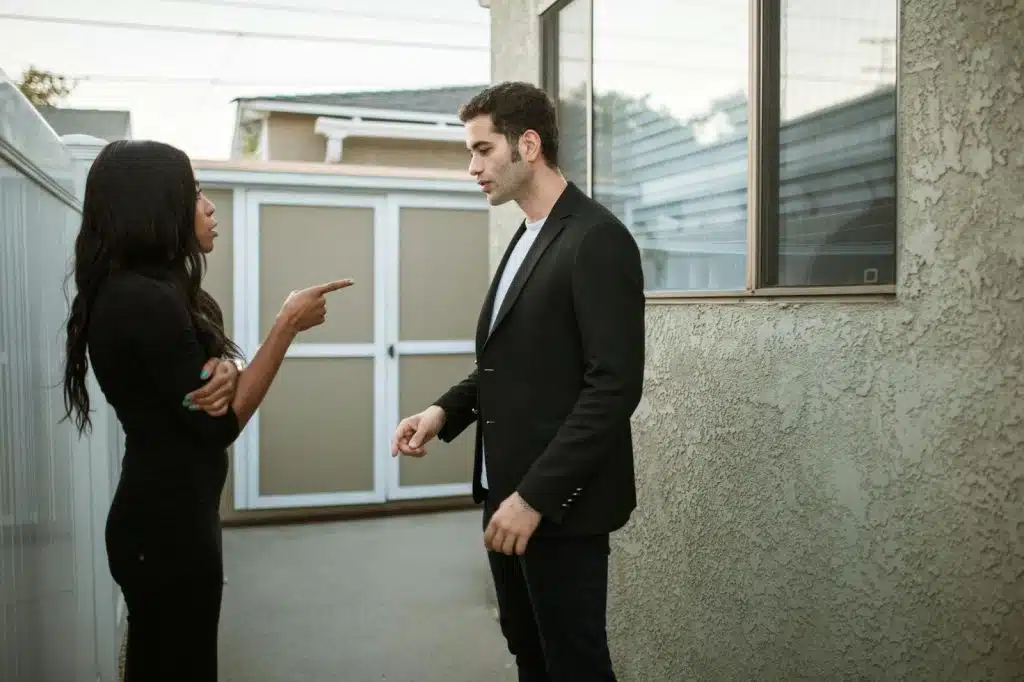
Betrayal can make joy feel unsafe. When life feels good, the mind may expect something bad to follow. This creates a strange pattern: happiness triggers anxiety. The person may struggle to fully relax into good moments. They may also downplay excitement to avoid disappointment. This can make the relationship feel flatter than it is. Over time, joy can return with safety and stability. But it often returns slowly. Betrayal teaches the mind to brace even during calm. Loving again includes relearning how to enjoy.
The Person You Love Becomes Less “All of You”

After betrayal, many people stop making a partner their entire emotional world. They keep stronger friendships, independence, and separate identity. This can be healthier and more balanced. It reduces emotional dependency and makes boundaries easier to maintain. But it can also feel less romantic compared to earlier love. The person may keep one part of their heart private as a precaution. This is not always coldness; it is protection. Love becomes a partnership rather than a merging. That can be a sign of maturity. It can also be a sign of lingering fear.
Trust Becomes More Expensive to Rebuild Once Broken Again

A second betrayal often changes love even more than the first. The person becomes less willing to “try again.” Even minor dishonesty can become a dealbreaker. This is not stubbornness; it is self-protection after repeated harm. The nervous system becomes quicker to sound alarms. Rebuilding can feel impossible because the body refuses to relax. Many people become more decisive after a second trust breach. Decisiveness can protect peace and prevent prolonged suffering. Betrayal teaches that repeated harm is not an accident. Love becomes less tolerant of patterns.
Love Becomes More Selective and Less Naive

One of the most permanent changes is selectiveness. The person becomes more careful about who gets access. They are less impressed by charm and more impressed by integrity. They choose partners who are consistent, transparent, and emotionally mature. This selectiveness can feel like guardedness, but it often saves years of pain. Betrayal teaches that not everyone deserves deep access. That is a harsh lesson, but it can create better relationships. Love becomes a decision backed by observation. Observation reduces blind trust. Blind trust is what betrayal punishes most.
Tips: How to Love Again Without Losing Self-Respect

Start with boundaries that feel fair and clear, not fear-based rules. Choose partners who value transparency and consistency. Communicate triggers without using them as weapons. Build trust slowly through repeated behavior, not intense declarations. Keep a full life outside the relationship to reduce dependency. Practice asking for reassurance directly instead of testing or monitoring. Pay attention to red flags early without ignoring them for chemistry. Self-respect makes love safer.
Tips: How to Avoid Turning Caution Into Paranoia

Watch patterns, not isolated moments. Avoid impulsive conclusions based on anxiety spikes. Use calm questions instead of secret investigating. Notice whether the nervous system is reacting to the past or the present. Limit doom-scrolling, checking, and comparing, because these habits feed suspicion. Build emotional regulation through sleep, exercise, and supportive friendships. If triggers are intense, professional support can help reduce reactivity. Caution should protect connection, not destroy it. Paranoia is exhausting for both partners.
Tips: What Healthy Partners Do That Helps Healing

Healthy partners do not mock triggers or demand quick recovery. They offer consistent behavior and clear communication. They do not treat boundaries like insults. They follow through and close loops after conflict. They avoid secrecy and protect the relationship with respectful choices. They also encourage independence rather than controlling it. Over time, predictability becomes soothing. Predictability is one of the strongest healing tools. Safety grows through repetition, not grand speeches.
Betrayal Changes Love, But It Doesn’t Have to Destroy It

Betrayal often permanently changes how love is experienced. Trust becomes slower, boundaries become stronger, and vulnerability becomes more deliberate. Joy may return more cautiously, and partners may be chosen more carefully. These changes are not always negative, they can lead to wiser love and healthier standards. But they can also become limiting if fear stays in control. Healing is the process of keeping the protective lessons while releasing the constant vigilance. Love after betrayal can still be warm, loyal, and real. It just needs more safety and more proof. The goal is not to love like before. The goal is to love in a way that protects peace and still allows closeness. Different love can still be deep love.








Ask Me Anything