
Most wives do not wake up and suddenly decide they are done. The shift usually shows up through what they stop doing long before they say anything out loud. These changes can come from stress, resentment, emotional exhaustion, or simply feeling unseen for too long. That is why it can feel confusing, because nothing “big” happened, yet the marriage feels different. The key is not to panic over one off week. The key is noticing patterns that stay consistent. When certain behaviors disappear and do not return, it is usually information. These signs do not guarantee the marriage is ending, but they do suggest something is off. Paying attention early gives the relationship the best chance to recover.
She Stops Starting Conversations
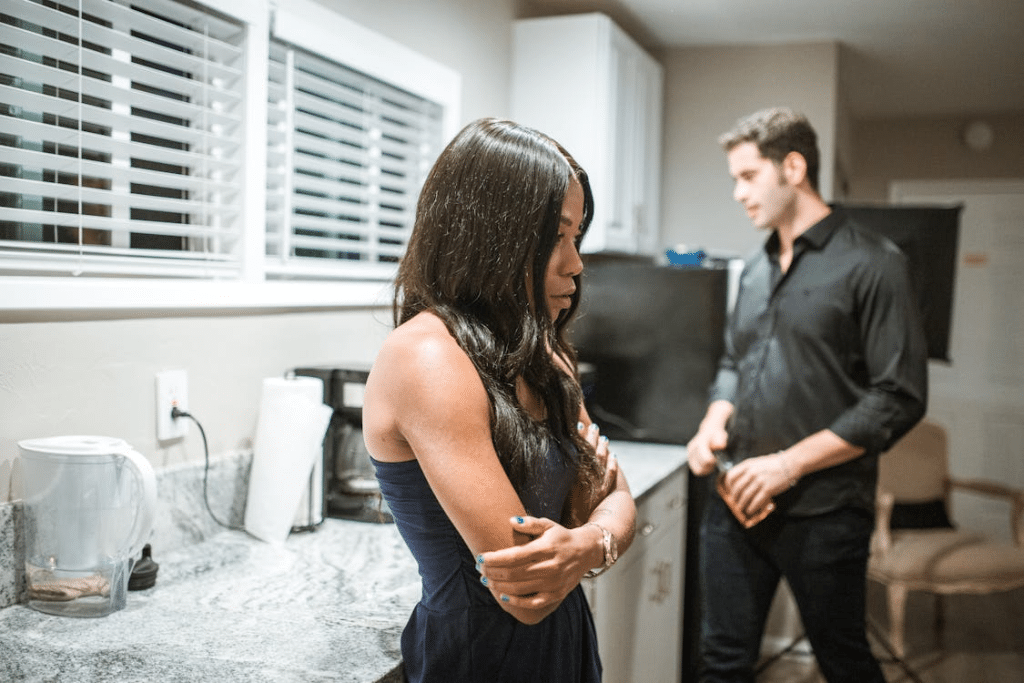
If she used to check in, share stories, or ask about your day and then stops, it often signals withdrawal. The home becomes quieter, but not warmer. She may feel like talking leads nowhere, so she saves her energy. Sometimes she is tired, but consistent silence is different from a rough week. When a wife stops initiating conversation, it usually means she feels alone in carrying connection. You might still talk, but only about logistics. Over time, that turns partners into roommates. Silence is often the first stage of emotional distance.
She Stops Asking for Help and Just Does Everything

This is one of the most misunderstood signs. Many husbands think it means she is fine, capable, and has it handled. Often, it means she stopped trusting support. Asking may have led to disappointment or conflict, so she chooses control. The result is that she looks independent while quietly building resentment. She may also stop asking because she no longer wants to feel like she is “nagging.” Over time, she becomes exhausted and emotionally colder. When she stops asking, she may also stop hoping.
She Stops Complaining and Stops Explaining

Complaints can be annoying, but they are often evidence she still cares. When she stops bringing up what bothers her, many husbands feel relieved. But silence can mean she has already accepted that change will not happen. She may be protecting herself from more frustration. This is when a marriage can feel calm while it is actually weakening. When she stops explaining, she stops inviting you into her inner world. Calm becomes distance. The absence of complaints can be the loudest warning.
She Stops Showing Warmth in Small Ways

Small warmth includes random hugs, playful teasing, affectionate touches, and soft tone. When that warmth fades, the relationship climate changes fast. She may still be polite, but the softness is missing. This often happens when emotional safety drops or resentment rises. The body pulls back when the heart feels tired. Many husbands notice the lack of affection only later, when the gap is already large. Warmth is the daily glue of marriage. When it disappears, intimacy usually follows.
She Stops Sharing the Details of Her Day

She may still mention the basics, but the emotional story disappears. The little updates, funny moments, and small frustrations stay private. This is a sign she does not feel emotionally received. It can also be a sign she is building independence in her own world. When a wife stops sharing details, you stop knowing her daily life. That creates disconnection even if you live together. Many husbands later say, “I didn’t know she felt that way.” The truth is she stopped sharing before she stopped loving. Reduced sharing is a quiet closing of the door.
She Stops Looking Forward to Time Together

Plans may still happen, but she is not excited. Time together feels like obligation, not anticipation. She may prefer staying busy, staying with friends, or staying alone. This does not mean she hates you. It often means the relationship feels emotionally draining or unrewarding. When a wife stops anticipating time together, the friendship layer is weakening. Friendship is what makes long-term love feel light. Without it, marriage feels heavy. Lack of anticipation is a major signal.
She Stops Initiating Intimacy

Intimacy can fade for many reasons, including stress and life pressure. But when she stops initiating consistently and does not seem to miss closeness, it can signal emotional detachment. Some wives stop initiating because they feel unwanted, pressured, or emotionally unsafe. Others stop because the relationship feels more like partnership than romance. The key is whether this shift is temporary or persistent. Bedroom activity often reflects the emotional climate. When the emotional bond is strained, physical closeness often becomes harder. If she stops initiating for a long time, something is likely off.
She Stops Laughing With You
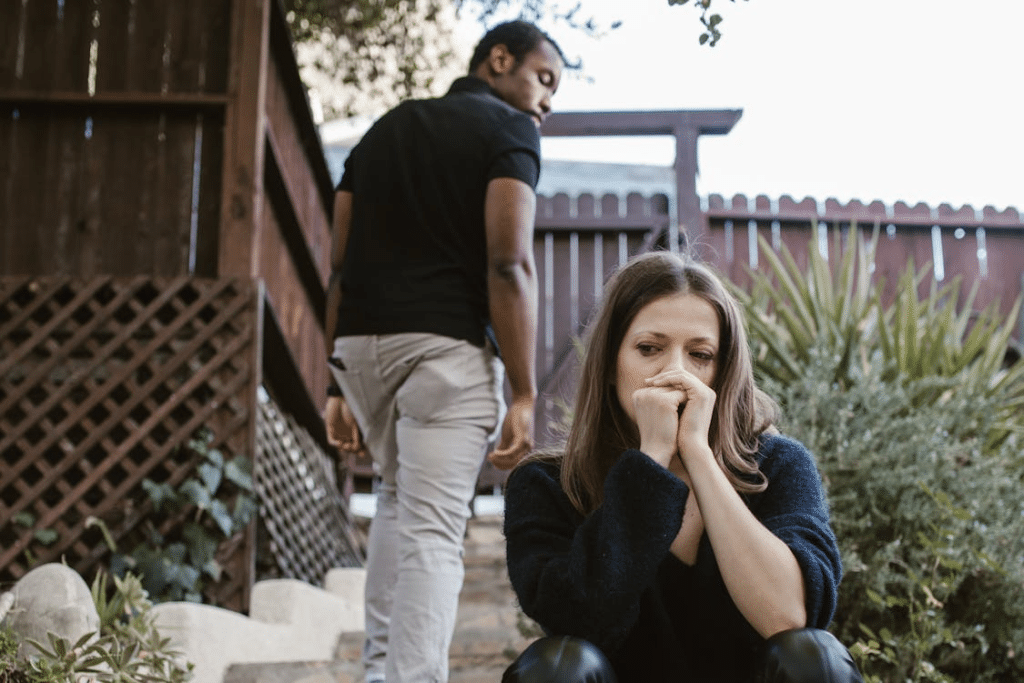
Laughter is not just fun, it is connection. When a wife stops laughing, joking, and sharing light moments, the marriage becomes serious. Stress can cause this temporarily, but a long-term loss of humor often signals emotional fatigue. Many couples lose the fun before they lose the relationship. Without playfulness, small issues feel heavier. Conversations become functional and tense. A wife who stops laughing may be protecting herself from disappointment. Joy disappears when the relationship feels unsafe to relax in.
She Stops Caring About Winning Arguments
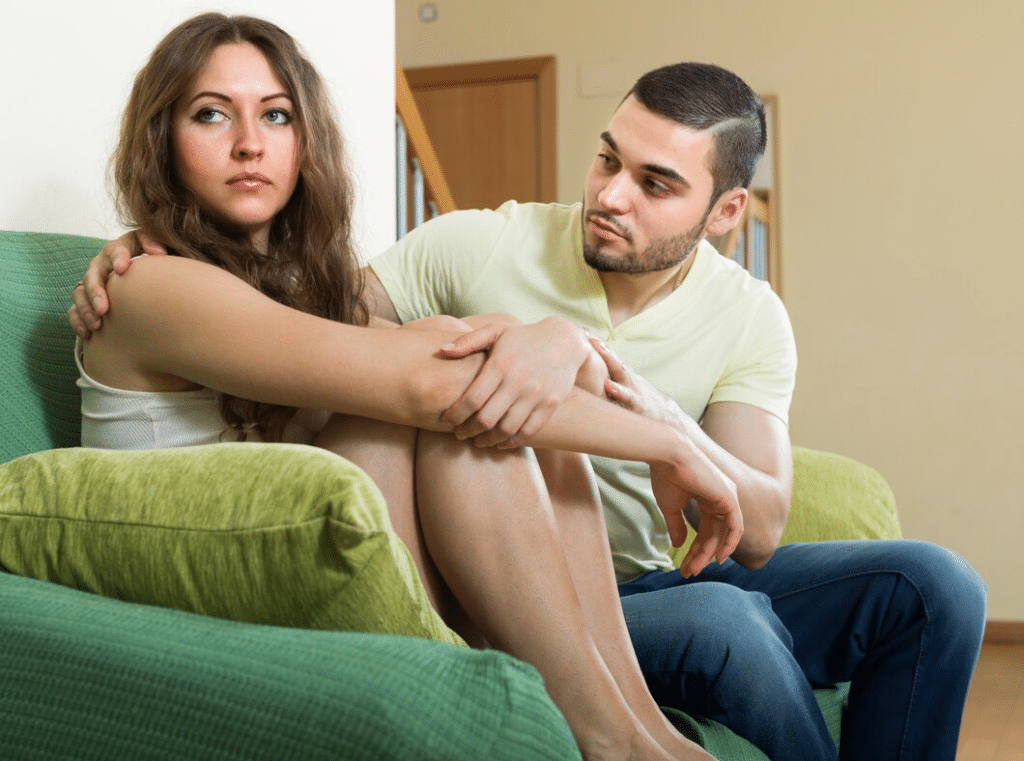
This can look like her going quiet, agreeing quickly, or ending conversations fast. It may feel like she finally became “easy” to deal with. Often, it means she is disengaging. When she stops fighting, she may have stopped believing repair is possible. Anger can still contain hope. Indifference often does not. This is why calm conflict is not always a good sign. The question is whether calm comes from maturity or from giving up. When she stops trying to be understood, something is off.
She Stops Seeking Your Opinion
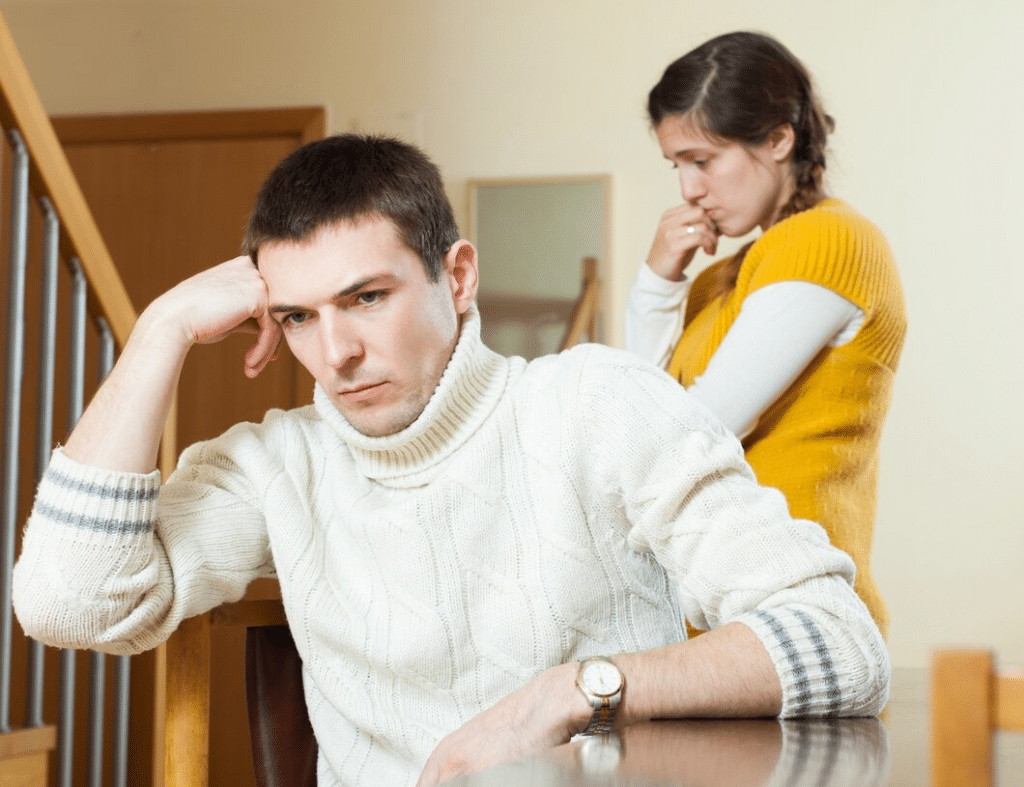
A wife who feels connected usually wants collaboration. She asks what you think, includes you in decisions, and values your input. When she stops seeking your opinion, she may be emotionally detaching. Independence is healthy, but emotional separation looks similar. The difference is whether the tone is warm or distant. If she makes big decisions alone and does not care about your response, it signals a shift. She may have learned it is easier to do things without discussion. That reduces partnership and increases distance. Collaboration fading is a serious signal.
She Stops Complimenting You

Praise is a form of warmth. When compliments disappear, it often means emotional generosity is low. She may still respect you, but she does not feel motivated to express it. This can happen when she feels unappreciated herself. People often stop giving what they stop receiving. It can also happen when resentment makes positive words feel fake. Compliments keep attraction alive. Without them, the marriage feels colder. The absence of praise is often a bigger issue than criticism.
She Stops Feeling Safe Being Vulnerable

A wife may stop sharing fears, insecurities, or personal struggles. She keeps things to herself because vulnerability no longer feels safe. This can happen if past vulnerability was dismissed, mocked, or turned into an argument. Emotional safety is required for intimacy. When safety drops, the inner world closes. She becomes more private and less emotionally available. That can feel like she is shutting you out, because she is. When vulnerability disappears, closeness disappears with it.
She Stops Trying to Fix the Relationship

This is when she no longer suggests counseling, conversations, or change. She may say “it’s fine” while acting distant. She might stop initiating repair after conflict. It looks like she accepted the situation. Often, it means she is emotionally exiting. Effort usually disappears before love disappears. A wife who stops trying is often tired of trying alone. This is one of the most serious signs because it indicates low hope. Hope is what fuels repair. When hope fades, distance grows fast.
She Stops Dressing Up or Taking Pride Around You

This sign needs care because appearance changes can come from many healthy reasons. But some wives admit they stop trying when they do not feel seen or desired. When effort feels unnoticed, motivation drops. This can look like less interest in looking good for date nights or time together. The deeper issue is not clothing, it is feeling valued. When she feels like you do not notice, she stops offering. Feeling unseen can affect self-care. If this shift is paired with emotional distance, it matters.
She Stops Defending You to Others

A wife who feels connected often protects the marriage unit. When she stops defending you, it can mean loyalty is weakening. She may allow family members to disrespect you or friends to speak badly about you. This can also show up as her oversharing marriage issues with others. Once outsiders become the main emotional space, intimacy at home shrinks. The marriage becomes less protected. Feeling undefended creates distrust. If she stops protecting the relationship publicly, something is off.
She Stops Caring About Your Feelings

This sounds harsh, but it often shows up subtly. She no longer checks in when you seem stressed. She does not ask follow-up questions. She might respond with indifference instead of concern. This is usually not cruelty, it is emotional depletion. When someone feels unsupported long enough, they stop offering support too. Emotional generosity dries up when resentment rises. A lack of care is a sign the bond is weakening. When empathy drops, connection drops.
She Stops Imagining a Shared Future

She may stop talking about future plans, trips, goals, or long-term ideas. The language shifts from “we” to “I.” Planning becomes short-term and separate. This often signals uncertainty about the relationship. Some wives avoid future talk because it feels painful to imagine. Others avoid it because they are already preparing for independence. Shared future talk is a sign of hope. When hope drops, future planning drops. If she stops building a future with you, something is off.
She Stops Feeling Like Home Is Emotional Rest

She may seem calmer when she is away and tenser when she is home. She might stay busy, stay out longer, or find reasons to avoid shared space. This is often because home feels emotionally heavy. When a marriage becomes a tension zone, people seek relief elsewhere. She may not be doing anything wrong, she may just be protecting her nervous system. But that protection creates distance. A home that does not feel safe creates drift. When home stops feeling like rest, the relationship changes.
What Disappears First Often Tells You What’s Missing

These signs are not proof of failure, but they are proof of a shift. When your wife stops initiating, stops sharing, stops being warm, and stops trying to repair, something is off. The worst response is denial or waiting for a dramatic moment. The best response is calm attention, accountability, and consistent effort over time. Big speeches rarely fix emotional fatigue. Small daily changes do. Ask what changed, listen without defensiveness, and follow through with action. A wife often returns when she feels safe, valued, and partnered again. The earlier you notice what disappeared, the easier it is to bring it back.








Ask Me Anything