Some video game endings don’t just wrap up a story, they leave a mark. It might be the quiet heartbreak, the ambiguous choice, or the way a character’s journey echoes real-life questions. These aren’t the flashy, twist-filled finales. They’re the ones that sit with you long after the credits roll. Whether it’s nostalgia, regret, or a punch of unexpected emotion, these endings remind us why games aren’t just entertainment, they’re personal.
Red Dead Redemption 2
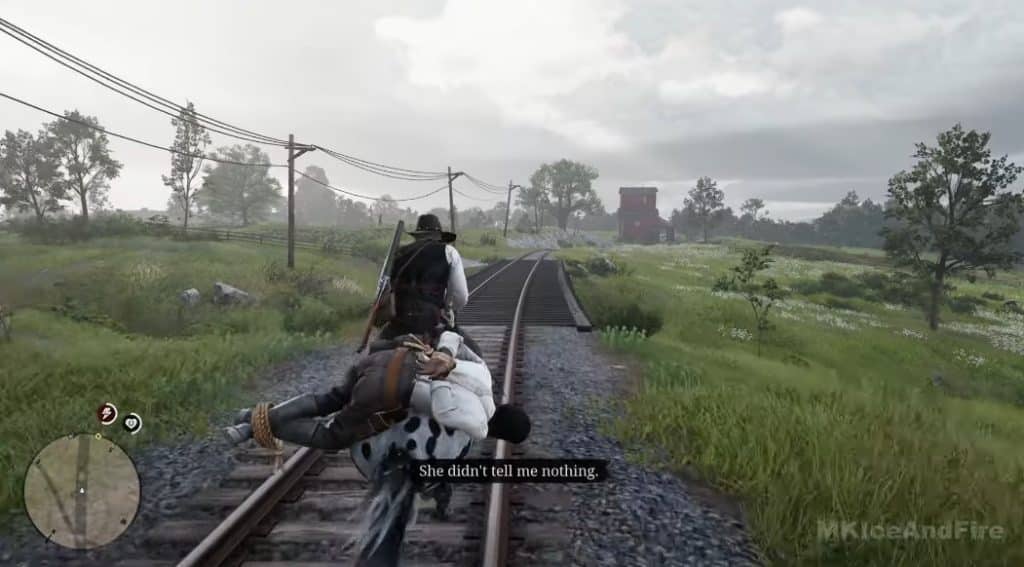
Arthur Morgan’s ending is a lesson in redemption few saw coming. After a life of violence, he dies trying to do something right. Whether he finds peace depends on how you played, but either way, the goodbye hurts. His final moments, facing the sunrise, feel like an apology. It’s rare for a game to make morality feel this heavy.
The Last of Us
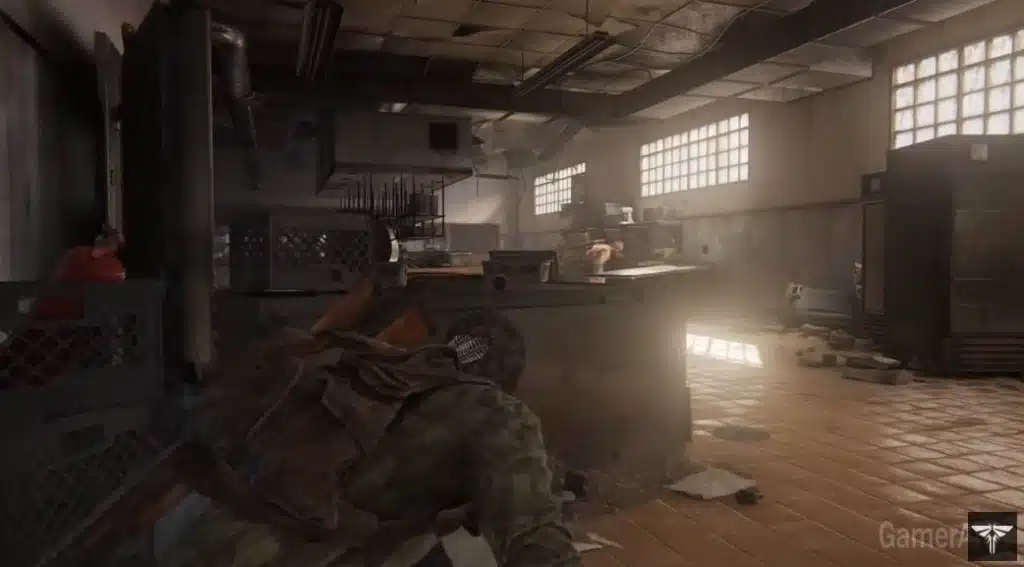
Joel’s decision in the hospital is still debated years later. Saving Ellie means dooming a cure, but to him, she’s become his world. The ending doesn’t offer clarity, just the weight of love, loss, and selfishness. It’s brutal in its honesty. And that final lie? It lands differently when you’ve lived through real compromise.
Inside
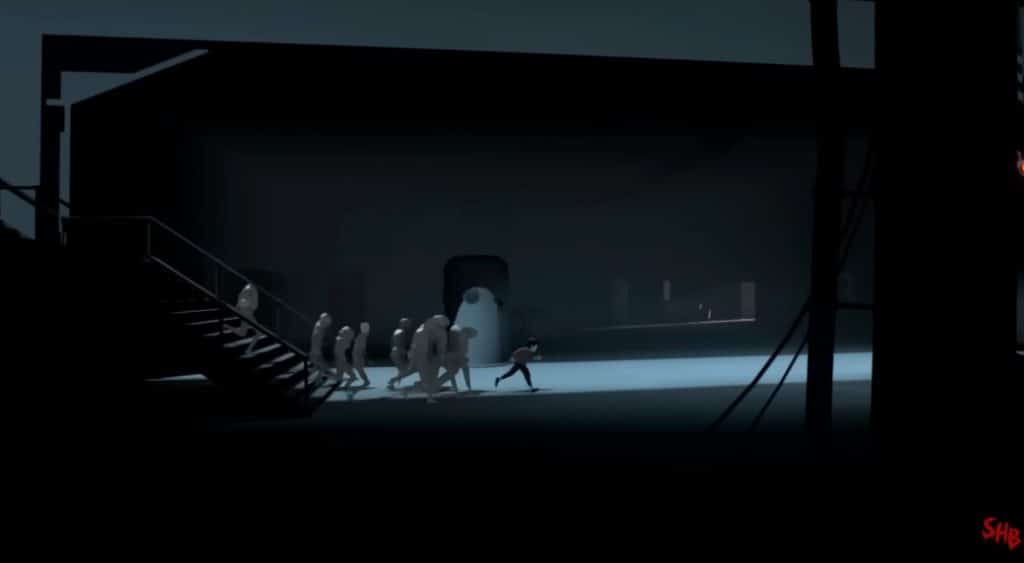
Inside ends without warning and without explanation. You become something unrecognisable, trapped in a moment you can’t control. It’s disturbing, ambiguous, and weirdly profound. The lack of closure forces interpretation. And sometimes, that lingering discomfort says more than a clear ending ever could.
Shadow of the Colossus
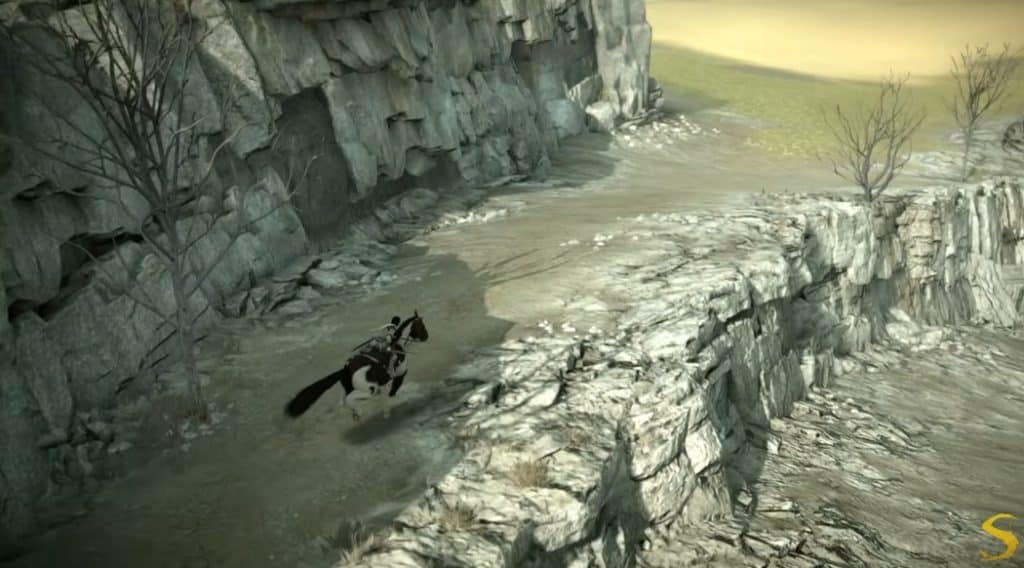
You spend the whole game killing majestic creatures for love. Then you realise the cost. Wander’s transformation and the world’s quiet ruin flip your role from hero to pawn. It hits harder when you’re old enough to see the consequences of blind devotion. There are no true victories here.
Metal Gear Solid 3 – Snake Eater
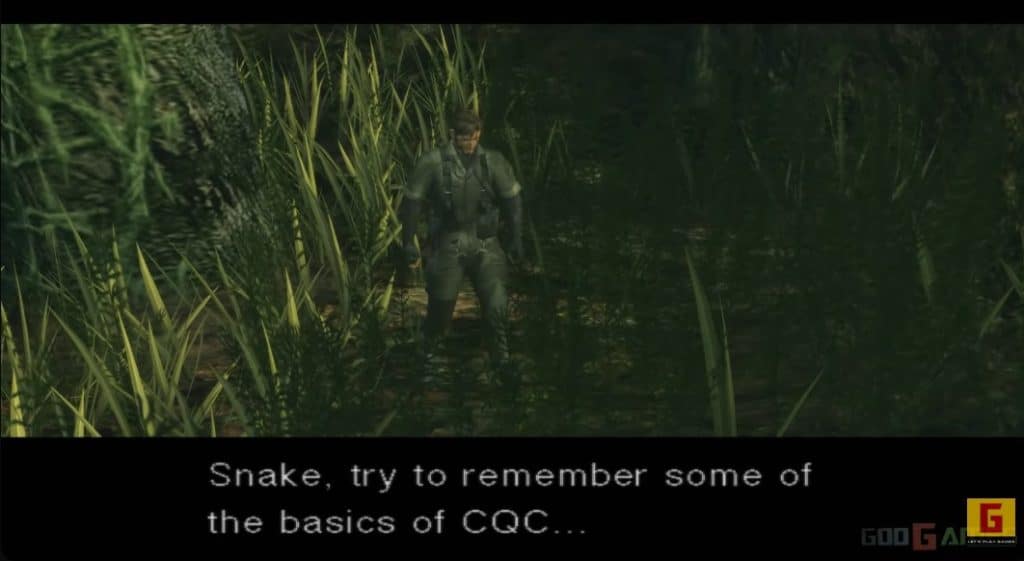
Big Boss salutes The Boss at her grave in a moment that redefines the entire series. You realise the mission was never about winning, it was about betrayal, sacrifice, and legacy. That salute is pure pain. It sticks with you because it’s earned. Every cutscene, every twist, builds to it.
BioShock Infinite
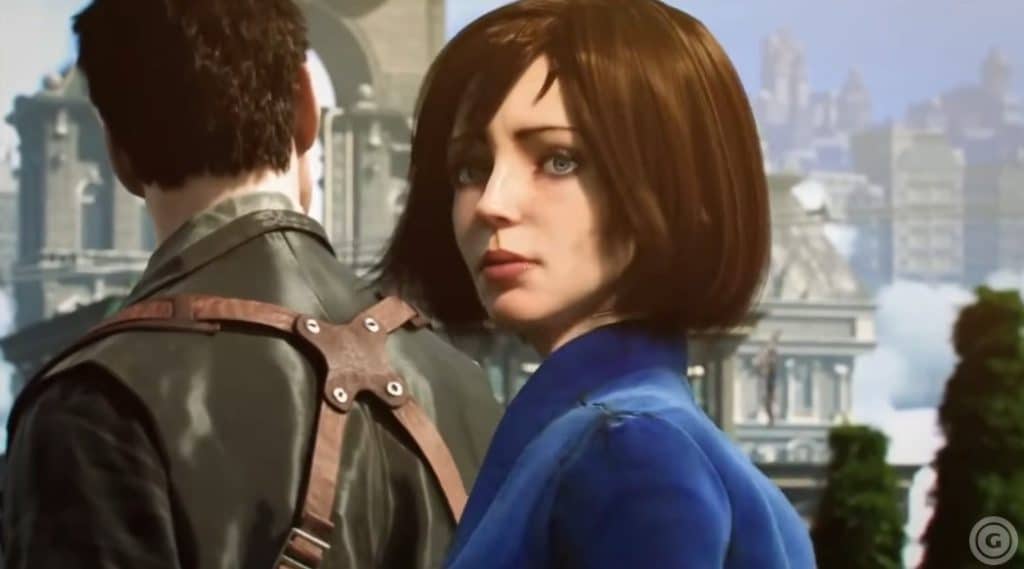
Booker’s journey collapses under the weight of time, identity, and guilt. The ending is layered, messy, and mind-bending. But at its core, it’s about trying to erase the worst version of yourself. The sacrifice is intimate, not epic. And that final baptism scene lingers with a strange, quiet sadness.
Spec Ops – The Line
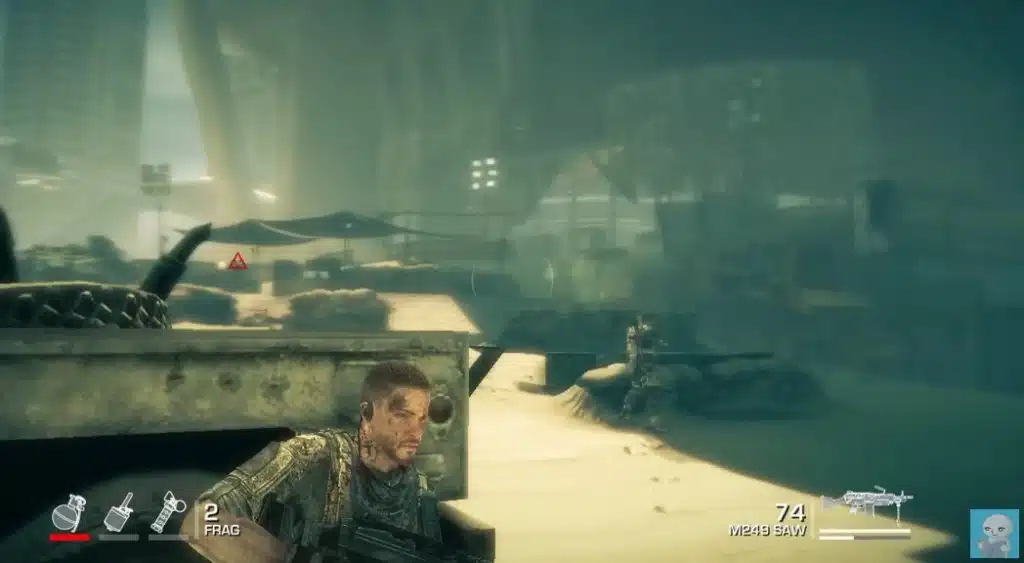
It looked like a typical war shooter until it wasn’t. The ending confronts the player directly, forcing accountability. You realise you weren’t the hero. It’s jarring, intentionally so. And once you see the full scope of what you’ve done, the game never feels the same again.
Hellblade – Senua’s Sacrifice
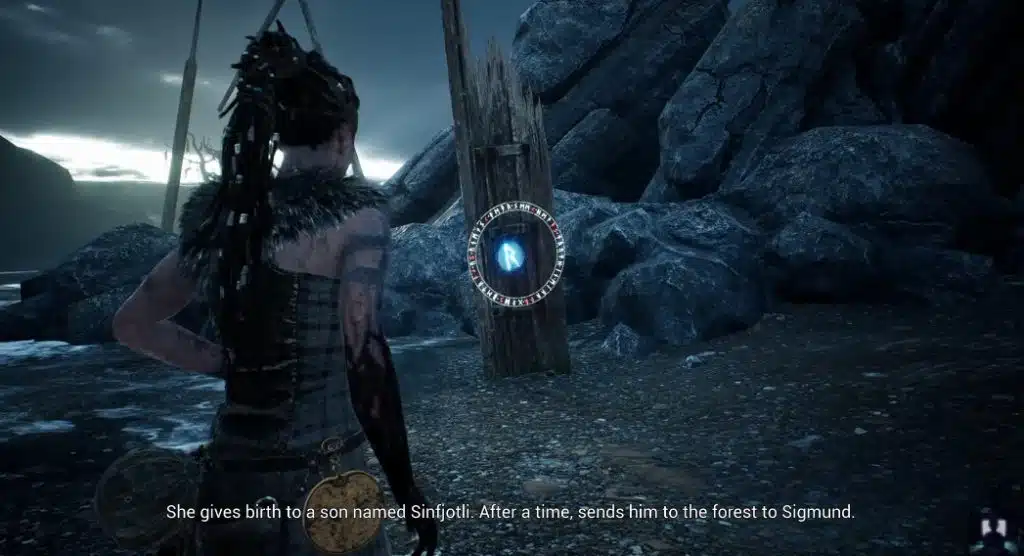
Senua’s ending isn’t about victory, it’s about acceptance. Her journey through grief and psychosis leads to a rare kind of peace. It’s not triumphant. It’s personal. And for anyone who’s wrestled with loss or mental strain, it cuts deep. It tells you survival is its own kind of strength.
Life is Strange
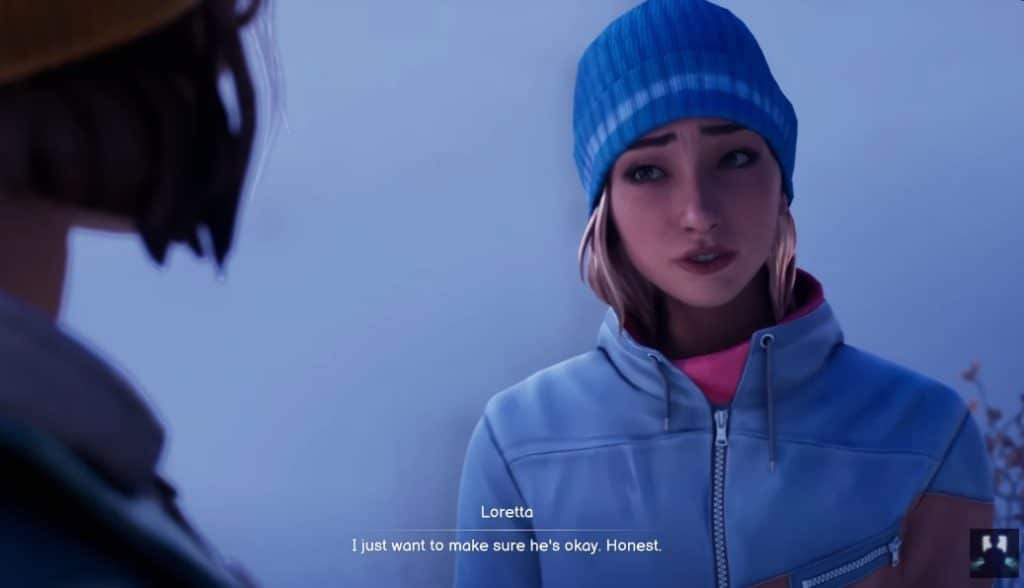
You choose between saving your best friend or saving an entire town. There’s no perfect answer. The emotional weight isn’t in the destruction, it’s in the bond between Max and Chloe. The ending hurts because the connection feels real. And sometimes, growing up means choosing pain.
Undertale
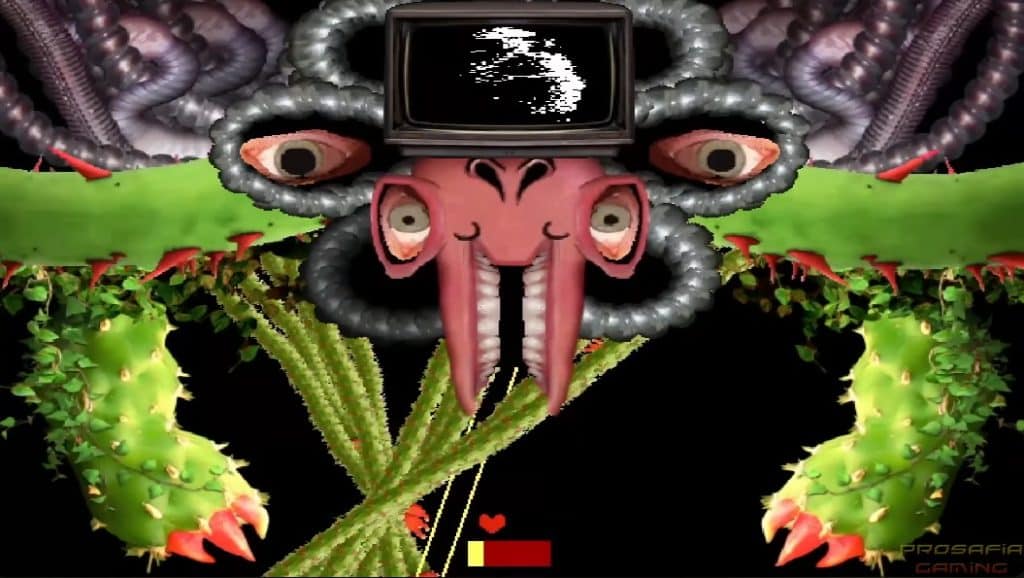
If you play the true pacifist route, the ending is pure heart. You see what kindness builds. But if you take the genocide path, the emotional impact is brutal. The game remembers. The characters remember. And when the screen goes dark, so does something inside you.
Final Fantasy X
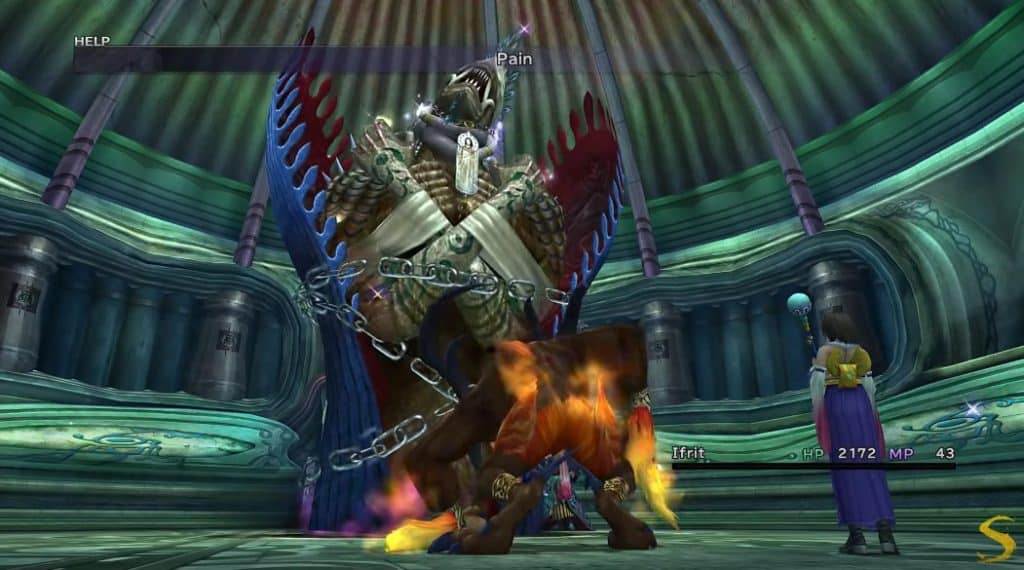
Tidus fading away is one of the saddest moments in the series. You spend the game rooting for a love story that was never meant to last. Yuna’s goodbye is soft, respectful, and devastating. It’s a loss wrapped in beauty. The kind that makes you pause before starting another RPG.
The Walking Dead (Telltale)
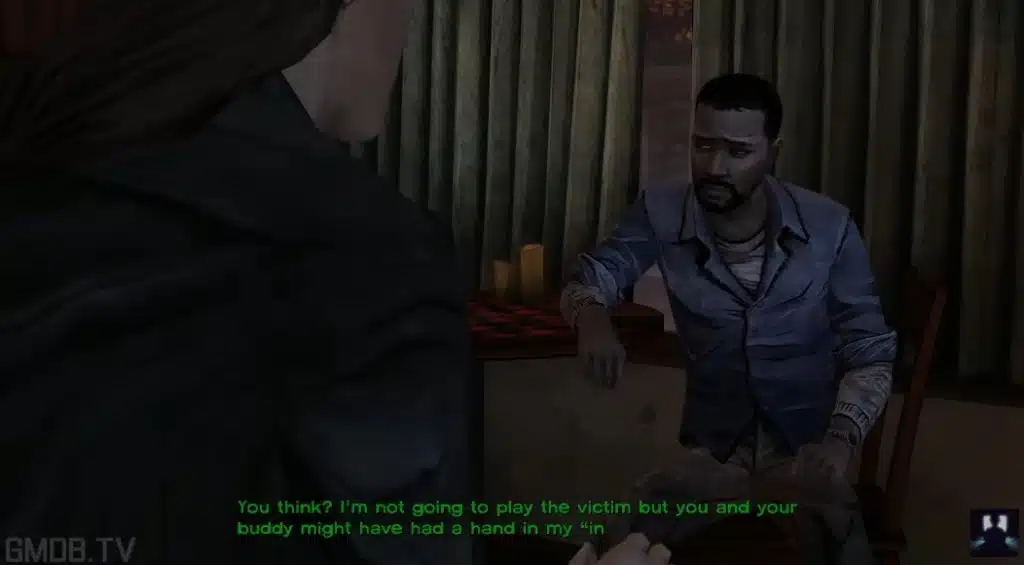
Lee’s final moments with Clementine are raw. He’s bitten, fading, and trying to prepare her for a world without him. It’s not about zombies, it’s about parenting, protection, and letting go. The goodbye scene is gut-wrenching. It shaped an entire generation of narrative gaming.
Nier – Automata
The layers of choice, sacrifice, and consciousness spiral to a surreal, meta ending. Your actions across playthroughs build to a finale that questions free will itself. And if you choose to help another player, you lose your save data. That gesture alone is enough to make people cry.
Journey
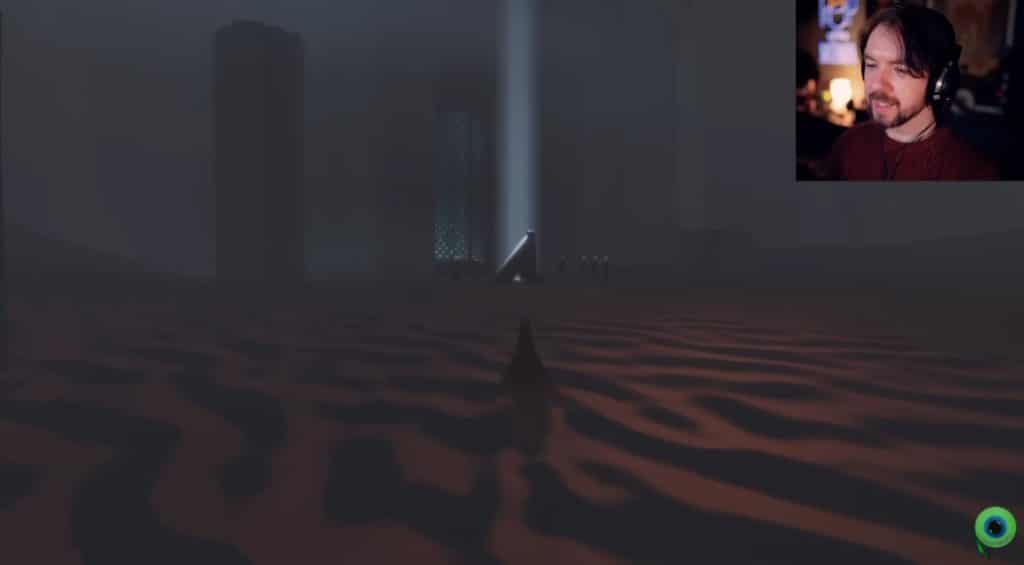
There’s no dialogue. Just movement, music, and connection. The ending isn’t about winning, it’s about arrival. When you realise that silent companion was another player all along, it hits differently. Especially if you played it at a time when you needed quiet companionship.
The Witcher 3 – Blood and Wine
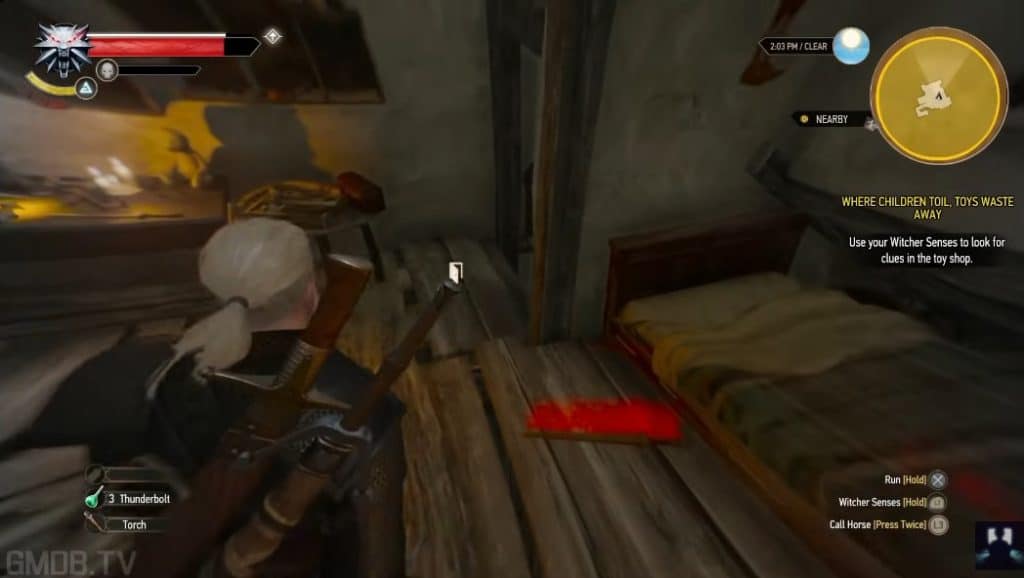
Geralt’s ending in this expansion can be unexpectedly peaceful. After years of killing, wandering, and loss, he finally rests. It’s not dramatic. It’s earned. Seeing him quietly reflect, maybe even smile, is more powerful than any monster hunt. It’s a reminder that rest is a reward, not a weakness.
Celeste
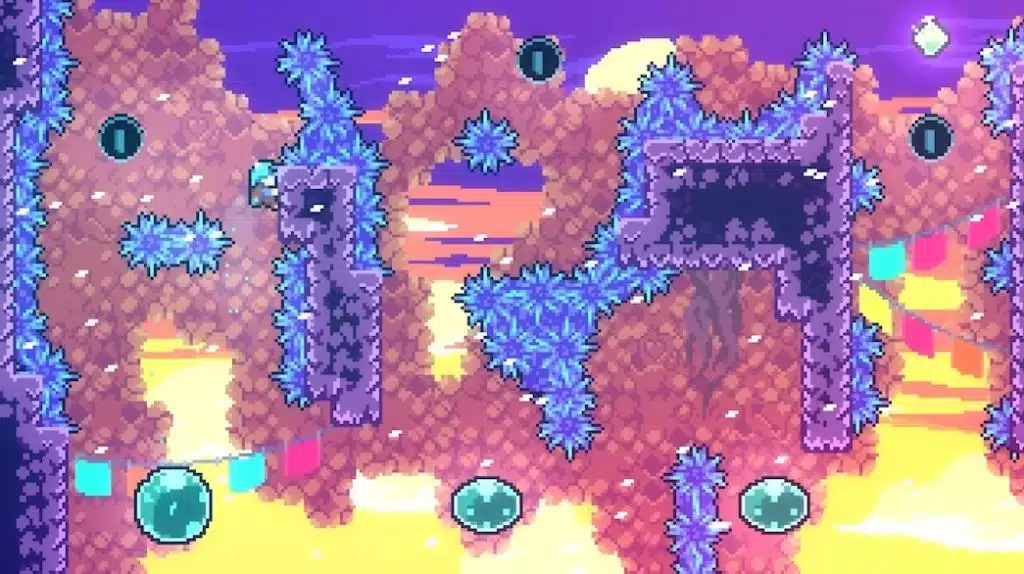
Madeline’s climb is more than physical. Her battle with anxiety, self-doubt, and acceptance makes the summit feel earned. The ending is hopeful, not neat. It says you can struggle and still grow. And that growth doesn’t erase the hard parts, it includes them.
Mass Effect 3 (Extended Cut)
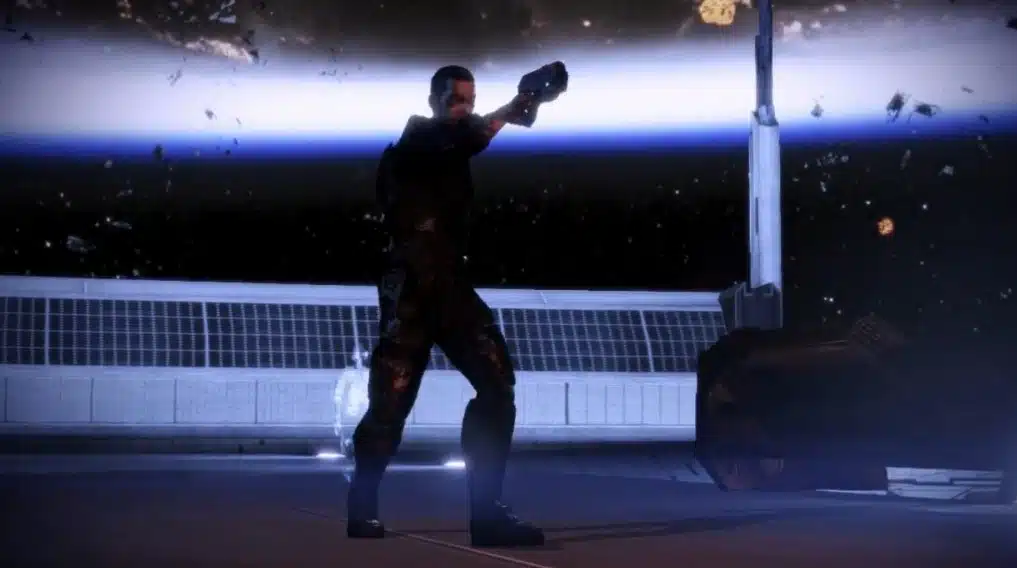
The original ending stirred debate, but the Extended Cut brought clarity. It’s still divisive, but watching Shepard make the ultimate decision has weight. The galaxy you’ve shaped, the people you’ve saved, they matter. Even when choices feel abstract, the emotional payoff hits.
Gris
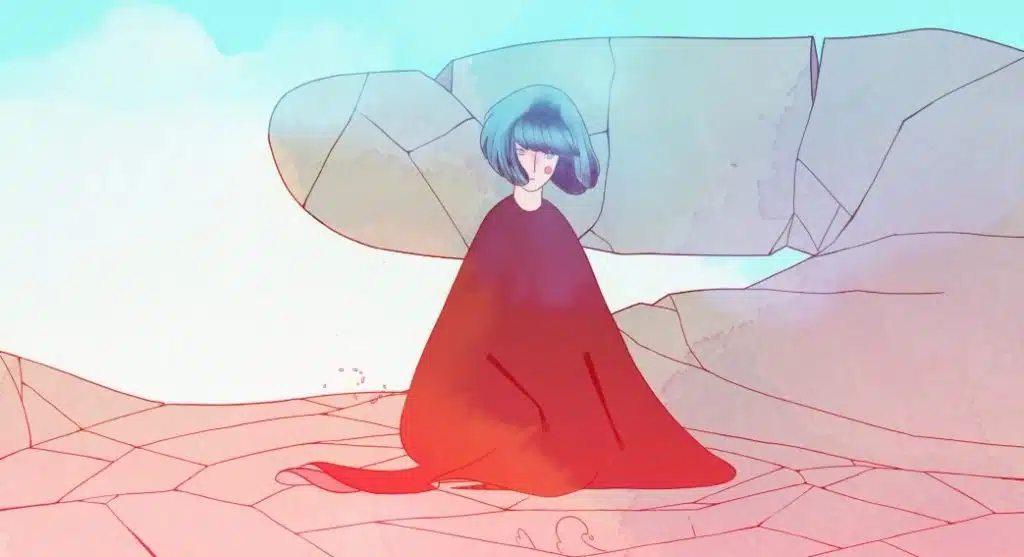
Gris ends in colour, after a game painted in grief. There are no words, but the symbolism is clear. It’s about loss, healing, and reclaiming voice. The final transformation is subtle but emotional. A quiet crescendo that leaves you still, in the best way.
Conclusion
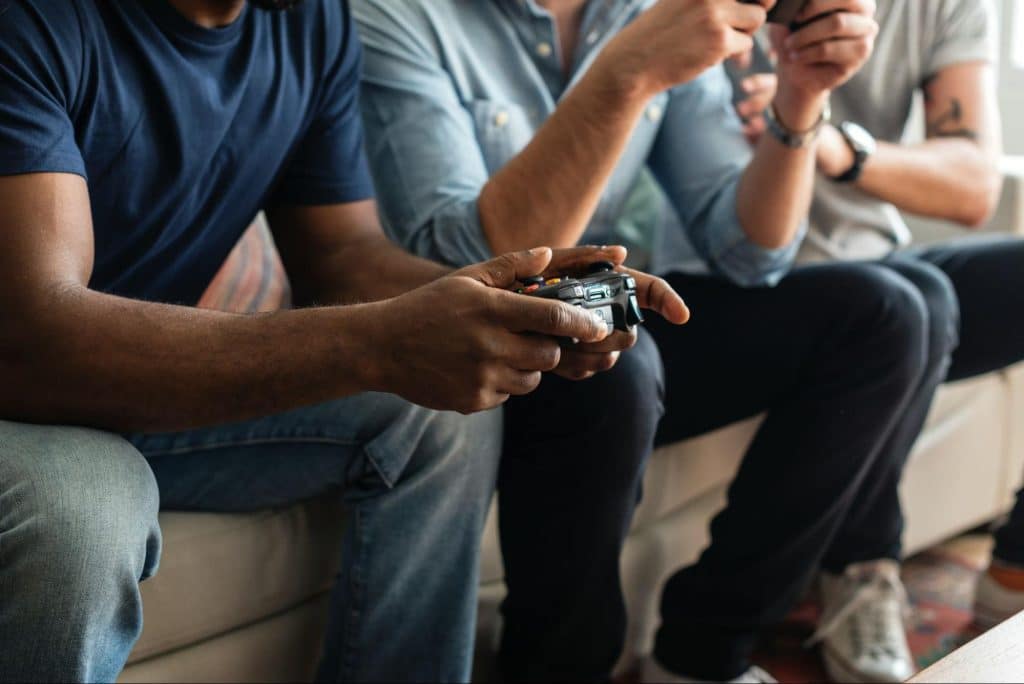
Not every game needs a twist to leave an impression. Some just need honesty, silence, or a final, unexpected turn of empathy. As players get older, these endings resonate deeper, not because they change, but because we do. They remind us that storytelling in games isn’t limited by medium. And sometimes, the real ending is what stays with you long after you put the controller down.








Ask Me Anything