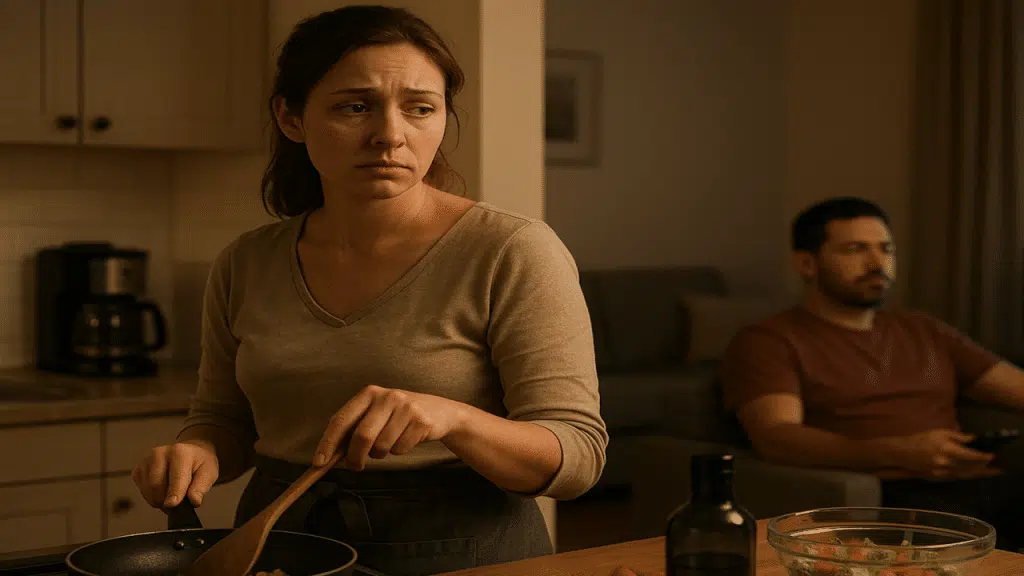
Divorce rarely happens overnight. More often, it’s the result of small blind spots that quietly grow over time—things people didn’t realize were problems until it was far too late to fix them. When men reflect honestly after a marriage ends, many admit that the warning signs were there all along. They just didn’t understand what they were seeing or didn’t take it seriously enough when it mattered most.
What’s striking is how often divorced men describe the same kinds of mistakes. Not dramatic betrayals or explosive fights, but everyday habits, attitudes, and assumptions that slowly eroded the relationship. These lessons tend to arrive the hard way—after the damage is already done.
If you listen closely to what divorced men say they wish they had done differently, you start to see a pattern. The following mistakes are the ones many admit they never saw coming until the marriage was already slipping away.
1. Assuming Love Would Carry The Relationship Forever

Many men admit they believed that loving their spouse was enough to sustain the marriage long-term. What they didn’t realize is that love is more like the foundation than the entire structure. Relationships still require maintenance, attention, and intentional effort. Over time, routines replace romance and comfort replaces curiosity. The mistake is assuming that because feelings are real, the relationship will automatically stay strong. Divorced men often say they wish they had treated their marriage more like something that needed regular care—checking in emotionally, planning time together, and continuing to invest energy instead of assuming love alone would handle the rest.
2. Not Listening When Small Complaints Started

Many divorced men look back and realize their partner’s early complaints weren’t nagging—they were warning signals. At the time, the issues seemed small or repetitive, so they were brushed aside or minimized. But repeated concerns usually point to deeper emotional needs that aren’t being met. When someone feels unheard long enough, frustration eventually turns into detachment. By the time the conversation becomes serious, the emotional distance may already be wide. Men who’ve been through divorce often say the lesson was simple: when your partner keeps bringing something up, it’s rarely about the surface issue. It’s about feeling valued, respected, and taken seriously.
3. Letting Work Become Their Entire Identity

Providing for the family is a point of pride for many men, but some later realize that work slowly took over their entire identity. Long hours, constant stress, and career focus can quietly crowd out emotional presence at home. The intention may be noble—building security for the family—but the unintended result is distance. Partners often don’t resent the work itself; they resent feeling like they come second to it. Divorced men frequently admit they thought financial stability was the most important contribution they could make, only to realize later that emotional availability and time together mattered just as much.
4. Stopping The Effort Once The Marriage Felt “Secure”

One surprisingly common admission is that some men relaxed too much once the relationship felt stable. Early in dating, people naturally put in effort—planning dates, showing appreciation, paying attention to details. But once marriage settles into routine, those gestures sometimes fade away. What many divorced men didn’t realize is that effort isn’t just for the beginning of a relationship. It’s the thing that keeps the connection alive over time. When appreciation disappears and the relationship runs on autopilot, partners can begin to feel taken for granted.
5. Avoiding Difficult Conversations

Conflict avoidance often feels like the mature choice in the moment. Instead of arguing, some men choose silence or distraction. But avoiding tough conversations doesn’t remove the problem—it just buries it temporarily. Over time, unresolved issues pile up beneath the surface until resentment starts shaping everyday interactions. Many divorced men say they now understand that respectful conflict is healthier than quiet distance. Addressing issues early, even when it’s uncomfortable, prevents misunderstandings from growing into major emotional divides later on.
6. Assuming Their Partner Knew They Were Appreciated

Gratitude often goes unspoken in long relationships because people assume it’s already understood. Divorced men frequently admit they thought their partner simply “knew” they were valued. But appreciation that isn’t expressed can start to feel like it doesn’t exist. Simple acknowledgment—thanking someone for what they do, noticing their efforts, or expressing admiration—goes further than many realize. When appreciation disappears from everyday conversation, partners may start to feel invisible despite everything they contribute.
7. Not Protecting The Relationship From Outside Stress

Life throws a lot at couples: financial strain, parenting challenges, career changes, and family obligations. Some divorced men realize they allowed those pressures to dominate the relationship rather than protecting time and space for the partnership itself. When every conversation becomes about responsibilities or stress, the relationship slowly transforms into a business partnership instead of a romantic one. Looking back, many say they wish they had prioritized shared experiences—laughing together, relaxing together, and reconnecting regularly instead of letting outside demands consume all their attention.
8. Underestimating The Impact Of Emotional Distance

Emotional distance rarely appears suddenly. It creeps in gradually through missed conversations, distracted evenings, and growing silence between partners. Many divorced men say they didn’t notice how far apart they had grown until it was already significant. The absence of connection can feel subtle day-to-day, but over time it changes the entire dynamic of the relationship. Couples who stop sharing thoughts, worries, and daily experiences eventually begin living parallel lives instead of a shared one.
9. Believing Problems Would Fix Themselves Over Time

Another mistake many men admit is assuming that time alone would solve relationship struggles. When tensions appear, it can feel easier to wait things out instead of addressing them directly. But time doesn’t heal unresolved issues—it often hardens them. The longer a concern lingers without resolution, the more emotional weight it gains. Divorced men frequently say they wish they had taken problems seriously earlier instead of hoping they would naturally fade away.
10. Forgetting That Friendships Matter In Marriage

Strong marriages often share the same qualities as strong friendships: laughter, shared interests, and genuine enjoyment of each other’s company. Some divorced men admit they focused heavily on responsibilities—work, finances, parenting—while forgetting the friendship aspect of their relationship. Over time, that can make the connection feel more functional than joyful. Couples who regularly spend time doing things they both enjoy tend to maintain a stronger emotional bond than those who only interact around obligations.
11. Letting Resentment Build Instead Of Clearing It

Resentment rarely begins as something large. It usually grows from repeated moments where someone feels unheard, dismissed, or unappreciated. When those moments go unaddressed, they accumulate quietly. Many divorced men say they didn’t realize how much resentment had built up between them and their spouse until it surfaced during serious arguments. The key lesson many take away is the importance of addressing small frustrations early instead of allowing them to pile up unnoticed.
12. Not Paying Attention To Emotional Changes

People change over time, especially across long marriages. Careers shift, priorities evolve, and personal challenges reshape how individuals see the world. Some divorced men admit they didn’t notice how much their partner had changed emotionally or mentally over the years. Instead of checking in and adapting together, they continued interacting as if nothing had shifted. Regularly asking deeper questions and staying curious about your partner’s evolving thoughts and feelings can help couples grow together instead of apart.
13. Assuming Loyalty Meant The Relationship Was Safe

Many men believed that because neither partner was unfaithful, the marriage itself was secure. But loyalty alone doesn’t guarantee connection. Emotional neglect, lack of communication, and growing distance can slowly weaken a relationship even when both people remain faithful. Divorced men often say they didn’t realize that commitment requires ongoing emotional investment, not just the absence of betrayal.
14. Taking Too Long To Apologize

Pride can quietly damage relationships when it prevents timely apologies. Some divorced men admit they waited too long to admit when they were wrong or allowed arguments to stretch on unnecessarily. Even when the issue was small, refusing to acknowledge mistakes created unnecessary tension. A sincere apology can often reset a conversation and restore goodwill between partners. Learning to apologize quickly and genuinely can prevent minor conflicts from turning into lasting emotional wounds.
15. Assuming Marriage Counseling Meant The Relationship Was Failing

Many couples wait far too long before seeking outside help because they see counseling as a last resort rather than a maintenance tool. Some divorced men say they resisted the idea of therapy until the relationship was already in serious trouble. By the time they agreed to try it, their partner had emotionally checked out. Counseling works best when couples approach it early—when the goal is strengthening communication rather than repairing deep damage.
16. Not Realizing How Important Everyday Kindness Is

Grand romantic gestures are memorable, but small daily kindnesses often matter more in the long run. Saying something encouraging, offering help without being asked, or showing patience during stressful moments builds emotional safety over time. Divorced men often admit they underestimated how much these small actions influence the tone of a relationship. When kindness becomes routine, partners feel supported even during difficult seasons.
17. Waiting Too Long To Truly Show Up

Perhaps the most painful realization many divorced men share is that they didn’t fully show up emotionally until the relationship was already falling apart. When divorce becomes a real possibility, people suddenly try harder—listening more carefully, expressing feelings more openly, and prioritizing the relationship again. The tragedy is that these efforts often arrive too late. The lesson many take away afterward is simple but powerful: the best time to invest deeply in your relationship is long before you’re afraid of losing it.








Ask Me Anything