
Marriage does not usually fall apart overnight. It happens in small moments you brush off, patterns you excuse, and silences that get longer every week. One day, you wake up and realize the connection you once had feels distant, forced, or even nonexistent. If you are in your 30s to 50s, you have likely built years of history, routines, and responsibilities together. That makes it harder to tell whether you are just in a rough patch or something deeper is breaking down.
Communication Feels Like a Chore

You notice conversations feel forced instead of natural. You used to talk about everything, but now you stick to logistics like bills, schedules, or the kids. When you try to open up, the energy feels off or uninterested. Arguments either escalate too fast or get shut down instantly. You start choosing silence because it feels easier than tension. Even texting each other feels dry and transactional. When communication dies, emotional distance quickly follows.
You Feel More Peace Alone Than Together

You catch yourself enjoying your alone time more than time with your spouse. It is not just about needing space. It feels like relief when they are not around. You feel lighter, less tense, more like yourself. When you know they are coming home, your mood shifts downward. That emotional reaction says a lot. Marriage should feel like a partnership, not pressure. If solitude feels safer, something is off.
Physical Intimacy Is Almost Nonexistent

Sex and affection slow down in every long marriage, but this feels different. Hugs feel obligatory, kisses feel routine, and sex feels rare or forced. You stop initiating because rejection feels expected. Even non sexual touch fades away. Physical closeness often reflects emotional closeness. When both disappear, it signals a deeper disconnection. Intimacy should evolve, not vanish.
You Start Confiding in Other People First

When something good or bad happens, your spouse is no longer your first call. You text friends, coworkers, or family before them. Emotional outsourcing becomes normal. You feel more understood by outsiders than your own partner. That shift weakens the marital bond. Emotional loyalty matters as much as physical loyalty. If someone else feels like your safe space, your marriage is losing ground.
Small Issues Turn Into Big Fights

Arguments explode over the smallest things. Dishes, tone of voice, or being five minutes late turn into a full-blown conflict. The real issues hide beneath petty triggers. You both carry built-up resentment that leaks into daily interactions. Conflict stops being productive and starts being destructive. Resolution rarely happens. You just reset and repeat.
There’s Constant Criticism and Defensiveness

You feel like you cannot do anything right. Your efforts get nitpicked instead of appreciated. In response, you become defensive or withdrawn. Compliments become rare while complaints become routine. The relationship starts feeling like a performance evaluation instead of a partnership. Over time, respect erodes. Without respect, love struggles to survive.
You Live Like Roommates, Not Partners

You share a house but live separate lives. Routines rarely overlap unless necessary. Meals, sleep schedules, and leisure time happen independently. There is little emotional or physical connection. It feels functional, not relational. You coexist rather than connect. That roommate dynamic often signals emotional withdrawal.
Trust Feels Fragile or Already Broken

Trust might be damaged from betrayal, secrecy, or repeated lies. Even small inconsistencies trigger suspicion. You feel the need to check, verify, or question. Peace of mind disappears. Rebuilding trust takes mutual effort, but failing marriages often lack that commitment. Without trust, security disappears. And without security, intimacy collapses.
Future Plans Stop Including Each Other

You notice you plan your future individually. Career moves, travel goals, or retirement dreams no longer involve your spouse. The language shifts from “we” to “I.” That mental separation is powerful. It shows emotional detachment long before physical separation. A strong marriage builds together. A failing one imagines escape routes.
Effort Feels One-Sided

You feel like you are the only one trying. Or your partner might feel that way about you. Date nights, conversations, and problem-solving depend on one person’s energy. Over time, resentment builds. Effort imbalance creates emotional burnout. Marriage requires mutual investment. When only one fights for it, collapse becomes likely.
You Feel Unappreciated and Taken for Granted

Your contributions feel invisible. Providing, supporting, fixing, or showing up goes unnoticed. Gratitude disappears from daily life. You start questioning your value in the relationship. Appreciation fuels emotional connection. When it fades, motivation follows. Feeling taken for granted slowly kills affection.
Conflict Avoidance Becomes the Norm

Instead of arguing, you both avoid issues completely. On the surface, it looks peaceful. Underneath, problems pile up unresolved. You walk on eggshells to keep stability. Honest conversations feel too risky. Avoidance delays explosions but never prevents them. Silence becomes emotional distance.
Emotional Support Is Missing

When life gets heavy, your spouse feels absent. You do not feel understood, comforted, or backed up. Vulnerability feels unsafe. You start handling stress alone. Emotional partnership is a core pillar of marriage. Without it, loneliness grows even inside the relationship. That loneliness often pushes people away.
Resentment Outweighs Love
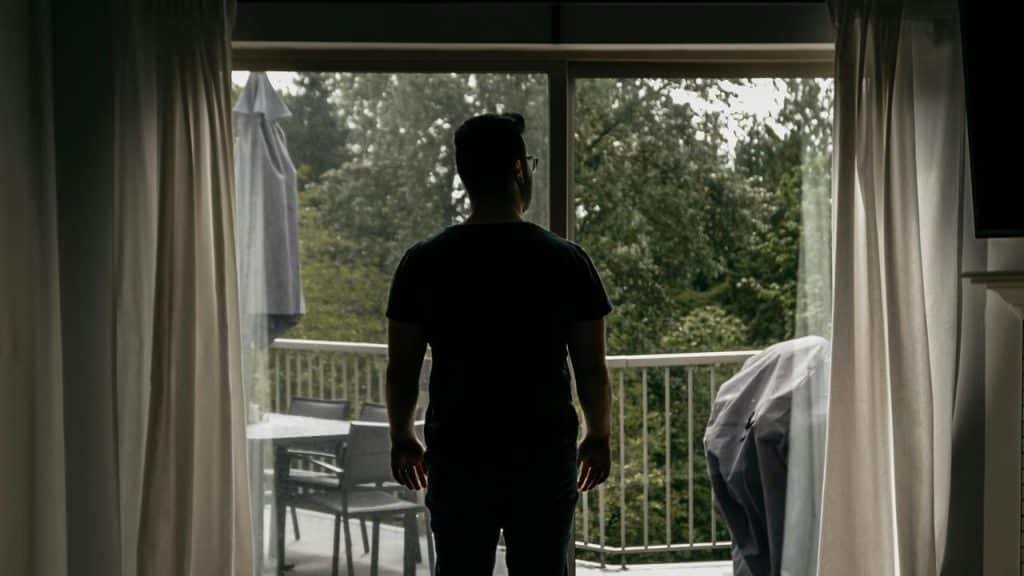
You replay past hurts more than happy memories. Forgiveness feels incomplete or impossible. Bitterness shapes how you see your partner. Even neutral actions get interpreted negatively. Resentment acts like emotional poison. The longer it sits, the harder love can breathe. Eventually, contempt replaces care.
You Fantasize About Life Without Them

You imagine how peaceful, exciting, or freeing life would feel alone. These thoughts become frequent, not occasional. It is less about curiosity and more about escape. You picture new routines, spaces, or even partners. That mental detachment signals emotional checkout. When fantasy feels better than reality, the marriage is in danger.








Ask Me Anything