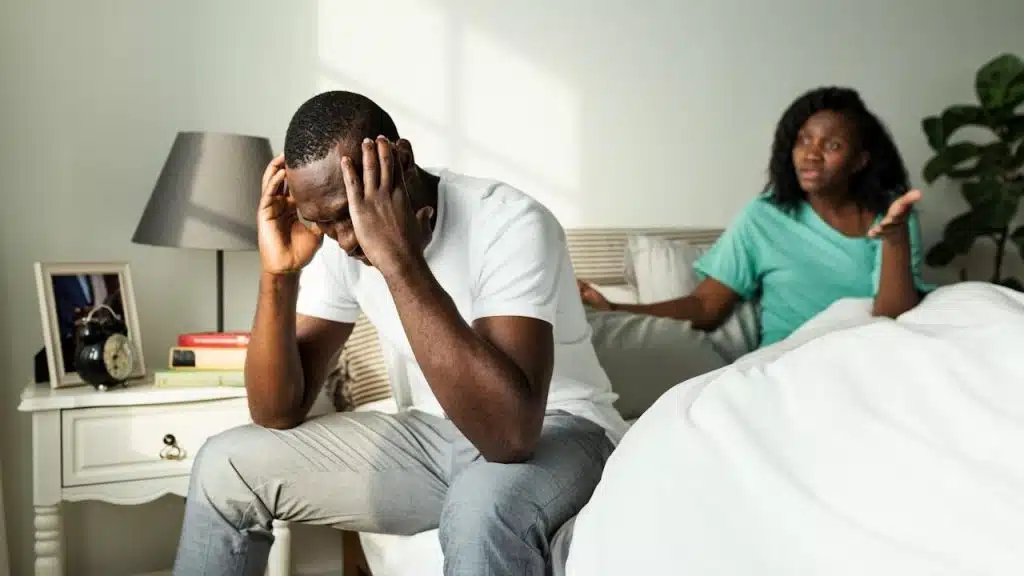
Not every relationship provides clear signals about what went wrong and what those involved should learn for future relationships. For many relationships in which men do not see themselves for what they are gone from, it is the cumulative impact of certain behaviors over the course of the relationships that made them feel unbalanced, unfulfilling, and emotionally draining. The lessons are typically what men find themselves seeking after in relationships and what they commit themselves to eluding. This is not labeling or judging women, good or bad. Everyone has their own flaws, and nobody is perfect in the context of relationships. What is not perfect is the behavior that repeatedly manifests emotional depletion and stifled, for worse, relationships. There are recurring behaviors that create emotional stability, and then there are those which create emotional instability and depletes people. Men do not learn what clear emotional stability patterns and behaviors are from women.
Here are 15 types of women, men learn for the rest of their lives that they do not want to date.
The Constant Critic

Nothing ever feels good enough. Whether it is small habits or major decisions, there is always something to point out or improve. Over time, this creates a feeling of being judged rather than supported. Instead of growing together, the relationship begins to feel like a constant evaluation.
The Emotionally Unavailable One

She is present physically but distant emotionally. Conversations stay on the surface, and deeper connection feels out of reach. This lack of emotional depth can make the relationship feel empty, even if everything else seems fine on the outside.
The Drama Driven One

Every situation turns into something bigger than it needs to be. Small issues escalate quickly, and calm moments are rare. This constant intensity can become exhausting, making the relationship feel unstable and overwhelming.
The Controlling One
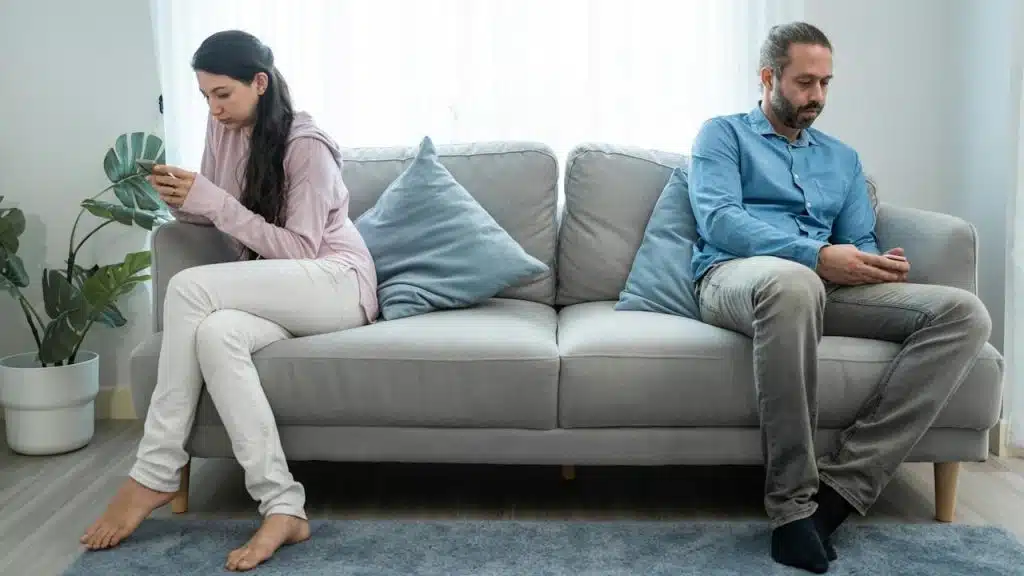
She wants to influence decisions, choices, and sometimes even friendships. While it may come from insecurity, it often feels restrictive. Over a period of time, this can create tension and reduce the sense of independence that is important in a healthy relationship.
The One Who Lacks Accountability

Mistakes are rarely acknowledged, and blame is often shifted. Conflicts never fully resolve because responsibility is avoided. This creates a cycle where the same issues repeat, leading to frustration and emotional fatigue.
The Overly Dependent One

She relies heavily on her partner for emotional support, validation, and direction. While support is important, complete dependence can feel overwhelming. A balanced relationship requires two individuals who can stand on their own while supporting each other.
The One Who Takes Without Giving

Effort feels one-sided. She expects time, attention, and care but does not offer the same in return. This imbalance can lead to resentment, as the relationship starts to feel more like an obligation than a partnership.
The Inconsistent One

Her behavior changes frequently. One moment she is warm and engaged, the next she is distant or uninterested. This unpredictability creates confusion and makes it difficult to build trust or stability.
The One Obsessed With Validation

External attention becomes a priority. Social media approval or constant admiration from others takes center stage. This can make the relationship feel secondary, reducing the sense of genuine connection.
The Negative One

A consistently pessimistic outlook can affect the entire relationship. Conversations often revolve around complaints or problems. This negativity can make the relationship feel heavy rather than supportive.
The One Who Avoids Communication

Difficult conversations are avoided, and important topics remain unresolved. This leads to misunderstandings and growing distance. Without clear communication, even strong connections can begin to weaken.
The Disrespectful One

Respect fades through small comments, dismissive behavior, or lack of consideration. These actions may seem minor at first but build over time. Once respect is lost, it becomes difficult to maintain a healthy and lasting connection.
The One Who Plays Games

Mixed signals, tests, and manipulation create confusion. What should be straightforward becomes complicated. This kind of behavior often leads to frustration and a lack of trust.
The One Who Refuses To Grow

Personal growth is resisted, and the same patterns continue without change. This can create a sense of stagnation in the relationship. A strong connection requires both individuals to evolve over time.
The One Who Takes Love For Granted

Effort and care are expected but not appreciated. The relationship becomes something assumed rather than valued. This lack of appreciation can lead to emotional distance and eventual regret.
Final Thoughts
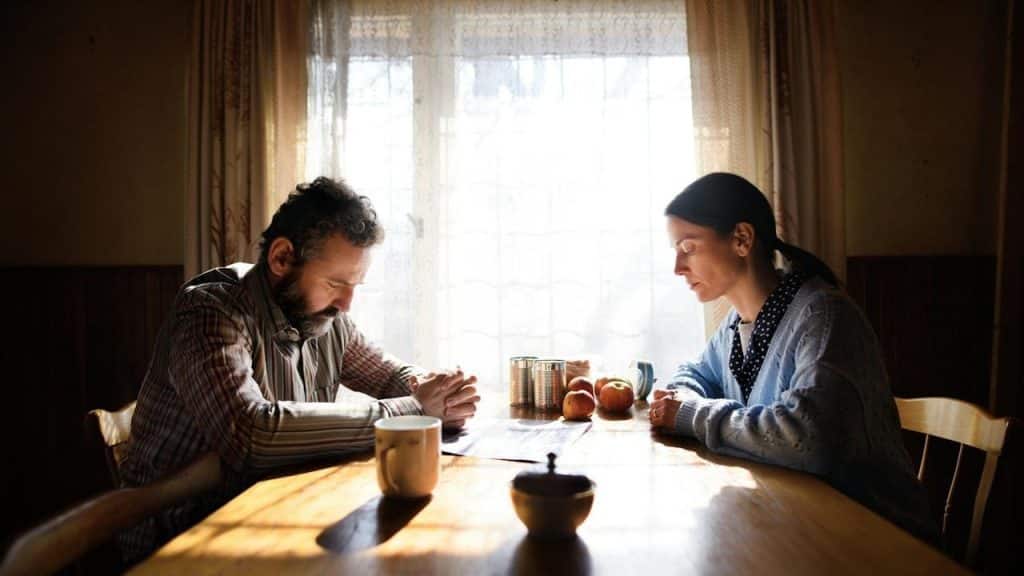
Regret in relationships often comes from patterns that were overlooked or tolerated for too long. It is rarely about one person being entirely at fault, but about dynamics that did not support growth, respect, or balance. These types are not fixed identities but behaviors that can appear in different forms and situations. Understanding these patterns is less about pointing fingers and more about gaining clarity. It helps in recognizing what contributes to a healthy relationship and what tends to undermine it. Awareness creates the opportunity to make better choices, communicate more effectively, and build stronger connections in the future.
At the same time, it is important to remember that everyone has the ability to change and grow. No one is defined by a single phase or set of behaviors. What truly matters is the willingness to reflect, improve, and show up better in future relationships. When both individuals bring effort, respect, and emotional awareness into a connection, the chances of regret decrease and the possibility of something meaningful increases.








Ask Me Anything